
10 Best Bonsai Trees for Home in 2026

A bonsai tree brings a slower kind of green into a home. Instead of a leafy houseplant that just grows, a bonsai is shaped and tended over years, which makes it feel less like decor and more like a small, ongoing project. That appeal is exactly why so many people buy one, then get surprised by how different the care can be from tree to tree.
Not every bonsai sold online is meant to live on a windowsill. Some, like junipers and maples, are outdoor trees that need seasonal temperature swings to stay healthy, even though they’re often marketed as compact “bonsai” without much explanation. Others, like ficus and jade, adapt well to indoor light and are genuinely beginner-friendly. Then there are grow-your-own kits for people who want the process from seed, and realistic faux versions for anyone who wants the look without any of the upkeep.
Picking the right one comes down to where it will live, how much daily attention you want to give it, and whether you’re buying for yourself or as a gift. The biggest mistake first-time buyers make is choosing an outdoor species and expecting it to thrive on a desk indoors year-round. We’ll flag which trees are true indoor growers, which need a porch or patio, and where kits and artificial options fit in.
Best for beginners and desks: Brussel’s Bonsai Golden Gate Ficus
Best for hands-on gift giving: HOME GROWN Bonsai Starter Kit
Best low-maintenance indoor succulent: Brussel’s Bonsai Medium Jade Tree
Best for patios and porches: Brussel’s Bonsai Medium Juniper Tree
Best for outdoor bonsai styling as a hobby: Brussel’s Bonsai Medium Trident Maple
Best grow-from-seed variety pack: AVERGO 5-Tree Bonsai Kit
Best novelty gift with figurine: Live Dwarf Juniper with Ceramic Fisherman
Best compact starter jade: Brussel’s Bonsai Small Jade Tree
Best budget faux bonsai: Yoerm Artificial Bonsai
Best realistic faux bonsai: Briful Artificial Juniper Bonsai
Brussel’s Bonsai Golden Gate Ficus
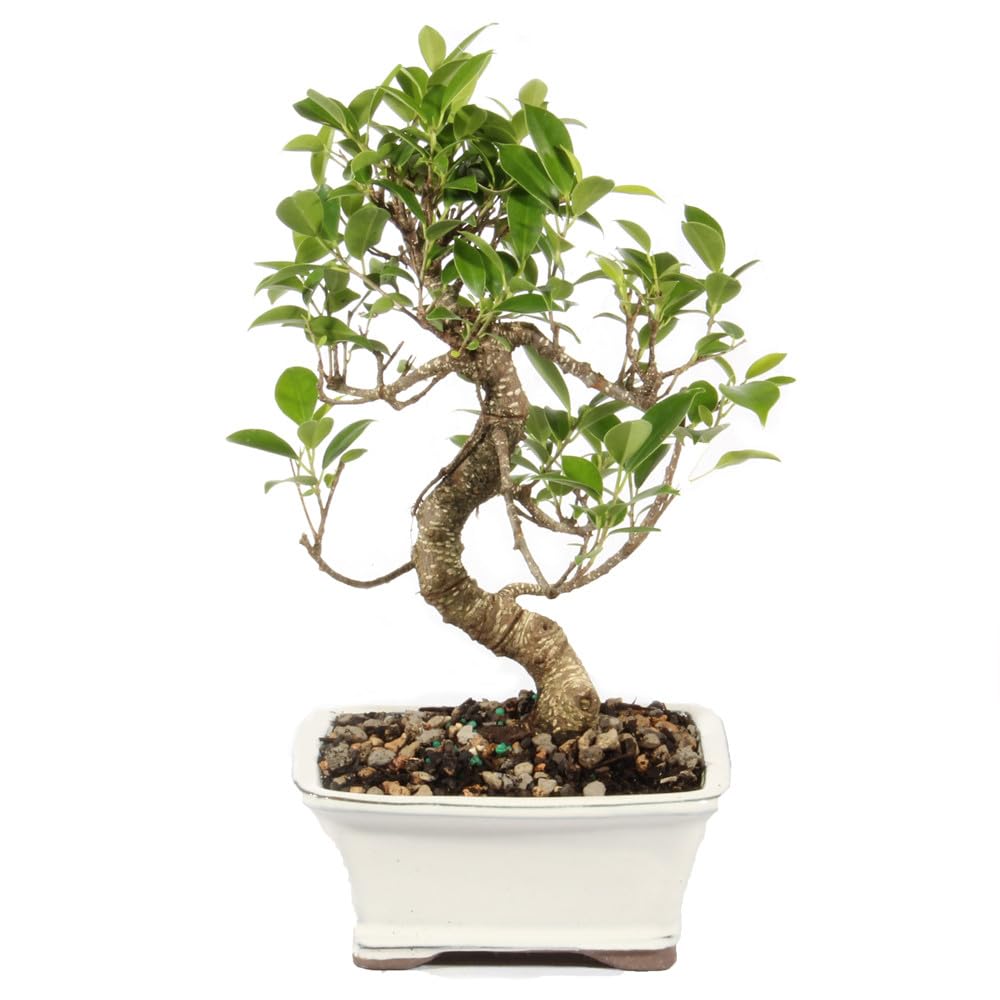
This is the tree we point beginners toward first, since ficus genuinely tolerates indoor life better than most bonsai species.
Pros
- True indoor grower, no outdoor season required
- Beginner-friendly watering and light needs
- Arrives potted and display-ready
Cons
- Watering routine takes some trial and error early on
- Leaf drop can happen during shipping stress
- Not frost-tolerant if moved outside in cool weather
The Golden Gate ficus has a naturally twisting trunk and glossy foliage that looks sculpted right out of the box. It handles the lower light and dry air of most homes better than outdoor species, which is why it holds the top spot for desks and windowsills. New owners should expect a short adjustment period after arrival, since a few dropped leaves are normal, not a sign of failure.
HOME GROWN Bonsai Starter Kit

This kit suits someone who wants to grow a bonsai from scratch rather than buy an already-shaped tree.
Pros
- Includes four seed varieties plus pots, markers, and growing medium
- Fun, low-stakes gift for plant-curious friends or family
- Compact enough for apartment growing setups
Cons
- Germination is inconsistent between seed types
- Results take months, not days
- Some buyers report missing or unclear instructions
Growing bonsai from seed is a patience game, and this kit sets expectations accordingly with its simple tray-and-pellet setup. The Blue Jacaranda and Chinese Elm varieties tend to sprout more reliably than the others, based on buyer feedback. Treat this as a long-term project gift rather than an instant-gratification centerpiece, and it delivers real value.
Brussel’s Bonsai Medium Jade Tree
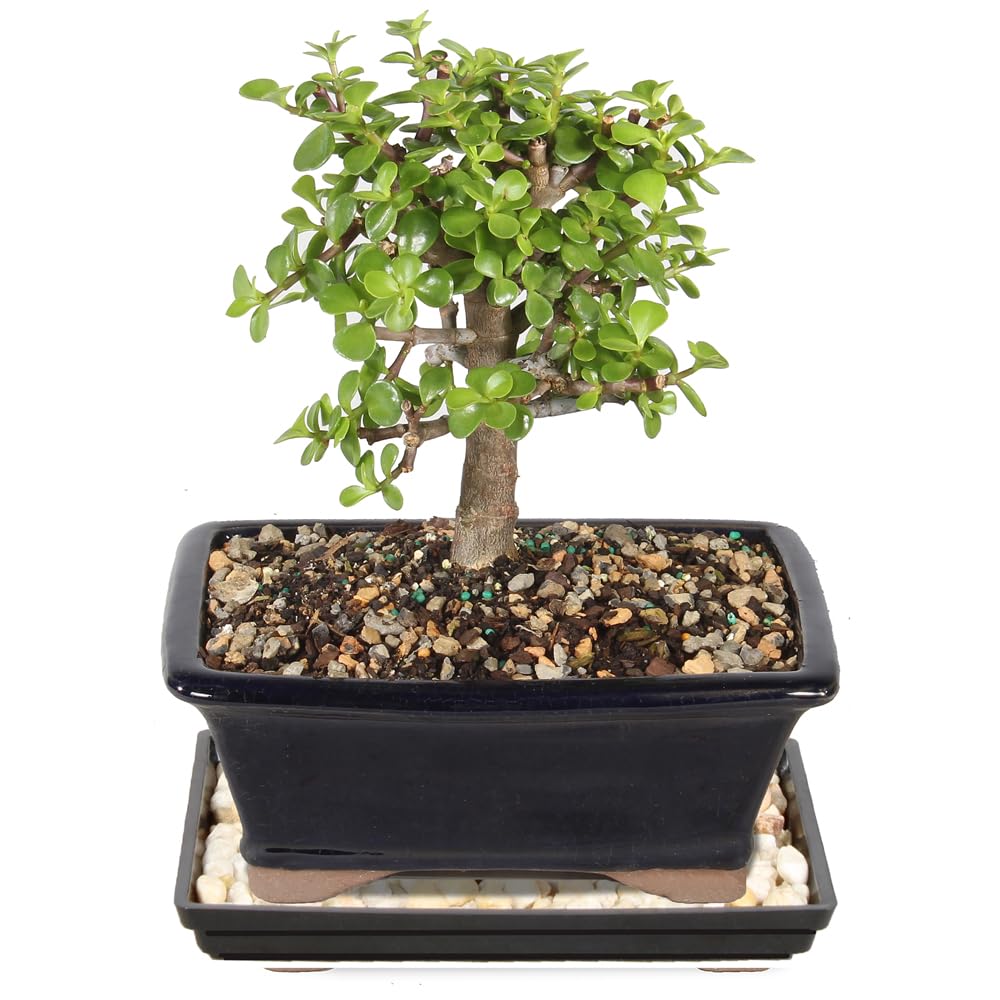
This dwarf jade is one of the easiest living bonsai to keep alive indoors, thanks to its succulent-like tolerance for missed waterings.
Pros
- Succulent leaves store water, forgiving occasional neglect
- Comes with a humidity tray to protect furniture
- Sturdy woody trunk develops character over time
Cons
- Sensitive to overwatering during shipping and early care
- Medium size needs more shelf space than the small version
- Container color may not match the listing photo
Jade bonsai thrive on bright light and minimal water, which makes this one of the lowest-maintenance living trees on this list. The included humidity tray is a practical touch for anyone worried about water rings on wood furniture. Go easy on watering for the first few weeks; overwatering during acclimation is the most common issue buyers report.
Brussel’s Bonsai Medium Juniper Tree
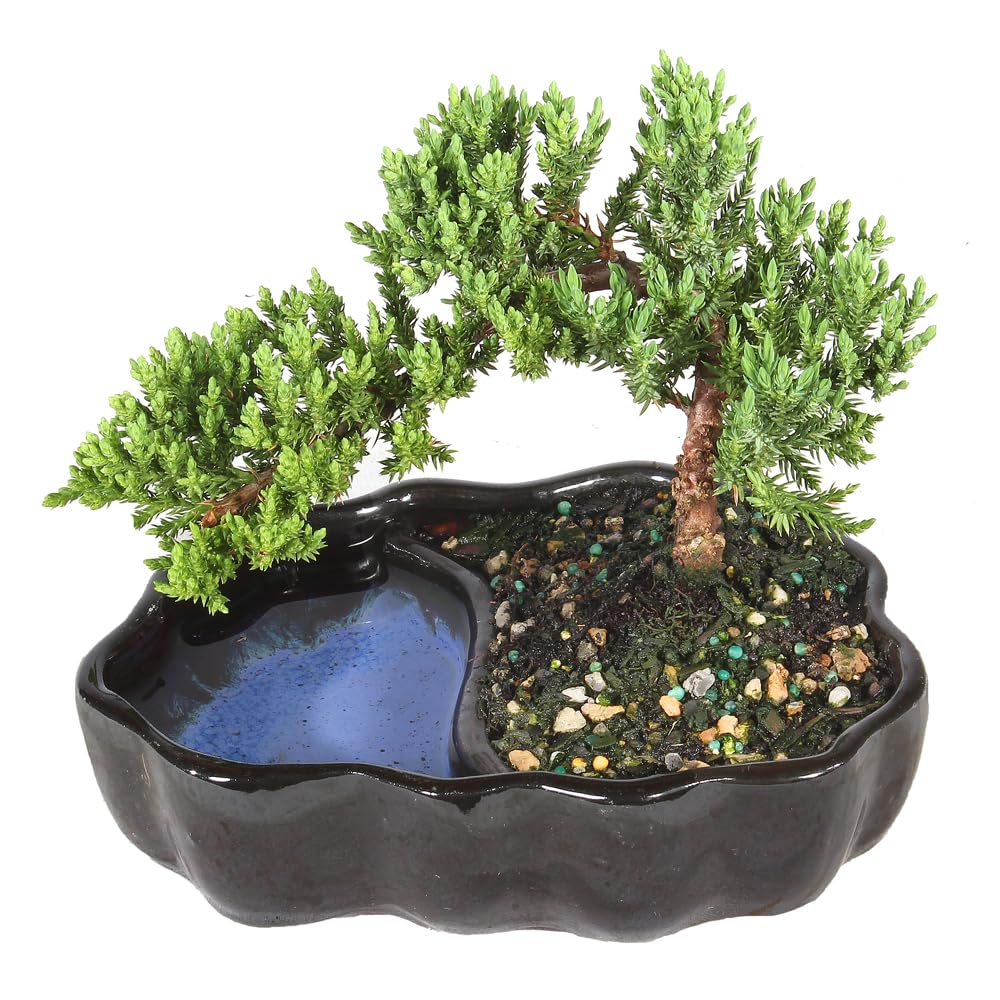
This juniper is an outdoor bonsai, and it needs a patio, balcony, or garden spot rather than a permanent indoor perch.
Pros
- Dense, classic bonsai silhouette with a Zen-style pot
- Cold-hardy enough for USDA zones 4 through 8
- Beginner-friendly once placed in the right outdoor spot
Cons
- Struggles and often declines if kept indoors long-term
- Needs seasonal outdoor exposure to stay healthy
- Root systems sometimes arrive tightly wire-bound
Junipers are the species most people picture when they think “bonsai,” but this variety needs real outdoor conditions, including seasonal cold, to stay healthy. Keeping it indoors year-round is the top reason buyers report failure. Give it a spot with partial shade on a porch or balcony, and it can be a striking outdoor accent for years.
Brussel’s Bonsai Medium Trident Maple
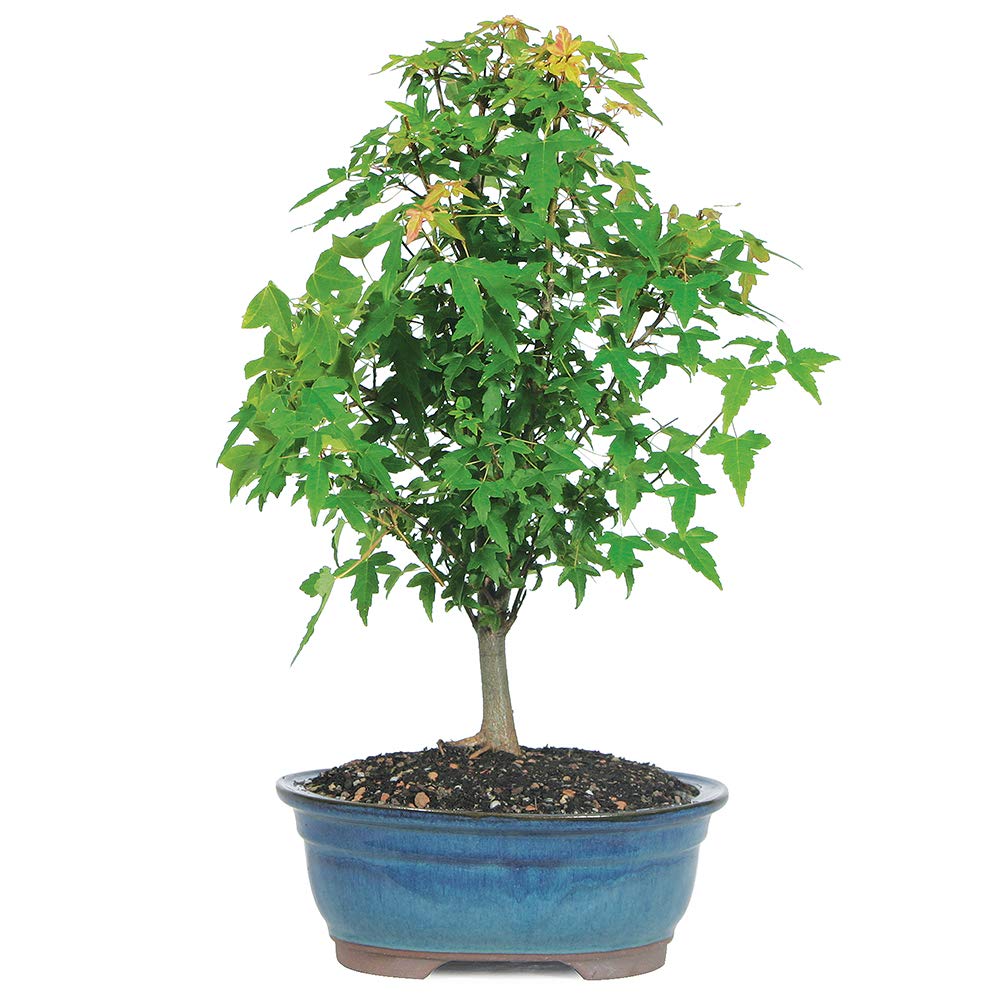
This trident maple rewards patient hobbyists who want to practice actual bonsai styling, not just display a finished tree.
Pros
- Well-suited to pruning, wiring, and shaping over time
- Vibrant seasonal foliage changes add visual interest
- Sturdy branching structure for outdoor display
Cons
- Requires outdoor placement, not an indoor houseplant
- Can develop leaf fungus if airflow is poor
- Occasional reports of trees arriving in poor health
Trident maples are a favorite among people who want to grow into the hobby, since the branching structure takes shaping well as the tree matures. It belongs outdoors on a patio or garden bench where it gets real seasonal light and air circulation. Buyers who’ve kept several report vigorous growth within a couple of months of good outdoor placement.
AVERGO 5-Tree Bonsai Kit

This kit is built for a family or group activity, with five seed varieties and a nicer presentation box than most starter kits.
Pros
- Includes tools, wooden planter, and five distinct seed types
- Extra seed packets included in case of low germination
- Attractive enough to give as a standalone gift
Cons
- Germination rates vary widely by seed type
- Some buyers report pest issues in early growth stages
- Full bonsai shaping is years away from seed
The wooden planter box and included tools make this kit feel more like a proper hobby starter set than a novelty item. Reviewers have had the best luck with Crape Myrtle and Pigeon Pea seeds, with mixed results on the flowering varieties. This works well for someone who wants the full seed-to-sapling experience and doesn’t mind an unpredictable outcome.
Live Dwarf Juniper with Ceramic Fisherman

This juniper comes with a decorative ceramic figurine, making it a distinctive gift, though it’s another species that needs outdoor time.
Pros
- Handcrafted display with a charming ceramic accent piece
- Compact size fits small gift budgets and small spaces
- Healthy, well-packaged arrivals according to most buyers
Cons
- Listed as indoor/outdoor but performs best with seasonal outdoor exposure
- Slow growth means the look changes little year to year
- Not ideal for true beginners unfamiliar with juniper care
The “indoor/outdoor” label on this listing is worth reading carefully, since junipers generally need a dormant period outdoors in cooler weather to stay healthy long-term. As a gift, the ceramic fisherman figure adds charm that a plain pot doesn’t. Set expectations with the recipient that this is a real outdoor tree wearing an indoor-friendly disguise.
Brussel’s Bonsai Small Jade Tree
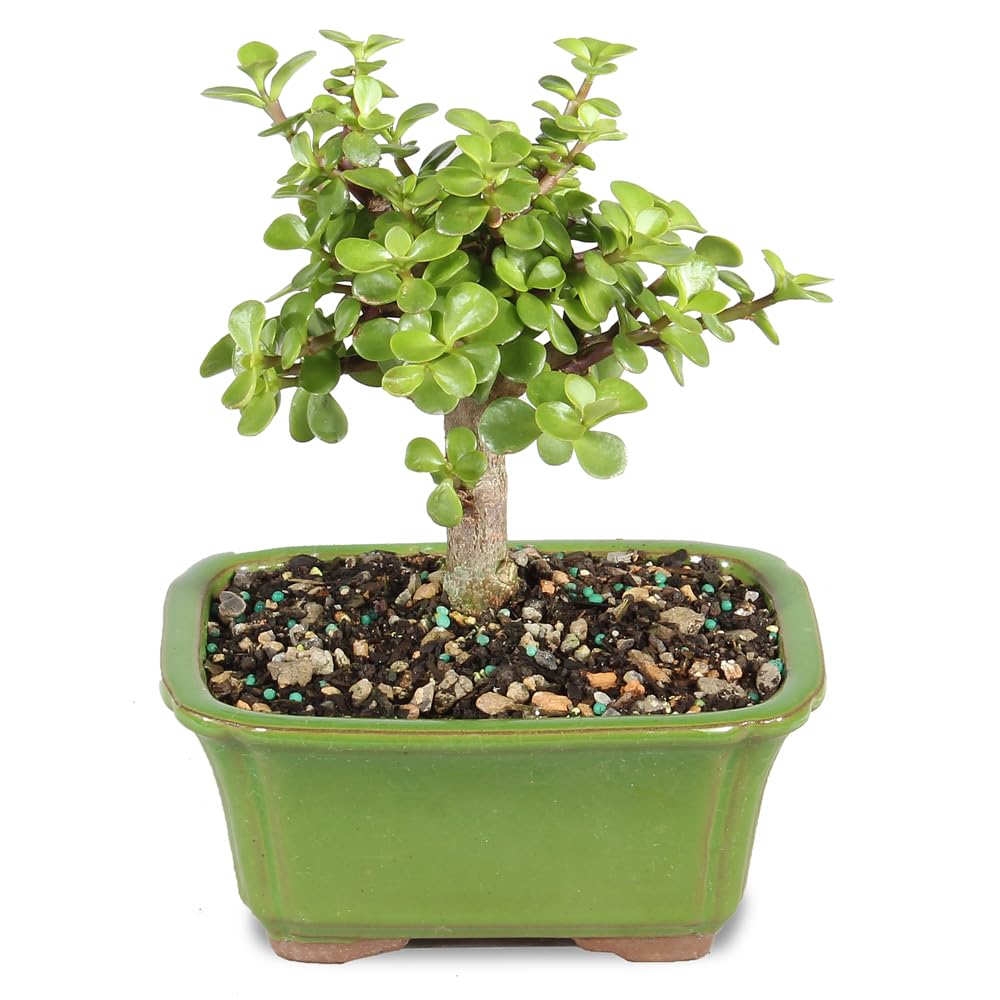
This smaller jade bonsai is our pick for tight desks and shelves, offering the same easy care as its medium sibling in a more compact size.
Pros
- Fits small desks, nightstands, and narrow shelves
- Minimal watering needs suit busy households
- Ceramic pot included and ready to display
Cons
- Some stems arrive fragile and can snap during unboxing
- Pot color may differ from photos
- Needs consistent bright light to avoid leggy growth
At a smaller footprint than the medium jade, this tree is the better fit for compact apartments or a corner of a home office desk. Unbox it gently, since a few reviewers note broken stems on arrival from rough handling in transit. Once settled, it grows steadily and tolerates the kind of inconsistent watering schedule that trips up busier plant owners.
Yoerm Artificial Bonsai

This faux bonsai is the pick for anyone who wants the shape and color of bonsai without any watering or light requirements at all.
Pros
- Zero maintenance, no light or water needed
- Budget-friendly compared to live bonsai
- Bendable branches allow light reshaping
Cons
- Plastic texture reads as artificial up close
- Lightweight base can tip easily
- Less detailed than pricier faux options
For low-light offices, windowless bathrooms, or anyone who has killed one too many houseplants, this artificial bonsai solves the problem entirely. It won’t fool anyone standing close to it, but from across a room it adds convincing greenery. Treat it as an affordable decor piece rather than a bonsai substitute for hobbyists.
Briful Artificial Juniper Bonsai

This is the more convincing of the two faux options here, with finer foliage detail and a nicer ceramic pot.
Pros
- Realistic small-leaf texture compared to typical faux plants
- Includes a proper ceramic pot with stone bedding
- Sturdier build than lower-priced artificial trees
Cons
- Costs noticeably more than basic faux bonsai
- Still visibly artificial under close inspection
- Limited size options for larger display spaces
Several buyers note this tree passes for real at a glance, which is rare for artificial plants in this price range. The ceramic pot and stone bed elevate it beyond a novelty item into something that looks intentional on a shelf or credenza. It’s worth the upgrade over cheaper faux bonsai if the tree will sit somewhere people get close to it.
Buying Guide
Indoor vs. Outdoor Species
The single most important decision is whether a species can actually live inside year-round. Ficus and jade adapt well to home light levels and steady indoor temperatures. Juniper and maple varieties need real outdoor seasons, including a cold dormant period, and decline indoors even with good care.
Light Requirements
Most bonsai, indoor or outdoor, need bright, indirect light for several hours a day. A south- or west-facing window works for indoor species. Outdoor trees need direct sun or partial shade depending on the variety, and a covered patio rarely provides enough light on its own.
Watering Needs
Overwatering kills more bonsai than underwatering does, especially in the first few weeks after a tree arrives. Succulent-type bonsai like jade tolerate dry spells; ficus and outdoor trees need more consistent moisture without sitting in soggy soil.
| Care Factor | Indoor Species (Ficus, Jade) | Outdoor Species (Juniper, Maple) |
|---|---|---|
| Light | Bright indirect, near a window | Full sun to partial shade |
| Watering | Moderate, let soil dry slightly | Moderate, seasonal adjustments |
| Winter needs | Stable indoor temps | Cold dormancy required |
| Beginner fit | High | Moderate |
Size and Placement
Small bonsai (5 to 8 inches) suit desks and narrow shelves. Medium trees (8 to 12 inches) need more open surface space, like a console table or wide windowsill, and their pots are heavier.
Live Tree vs. Starter Kit vs. Artificial
A live, already-shaped tree gives immediate visual payoff. A starter kit rewards patience and suits hands-on gift recipients. Artificial bonsai fit spaces with poor light or owners who want zero upkeep, without pretending to replace the experience of growing one.
Editor’s Choice
For most first-time buyers and desk setups, the Brussel’s Bonsai Golden Gate Ficus earns the top recommendation. It’s one of the only trees on this list built to genuinely thrive indoors long-term, with forgiving watering needs and a naturally attractive trunk shape. For anyone drawn to the hobby side of bonsai rather than just the décor, the AVERGO 5-Tree Bonsai Kit offers the most complete grow-from-scratch experience without requiring outdoor space to start.
Conclusion
Choosing a bonsai starts with being honest about where it will live and how much hands-on care fits your routine. Indoor species like ficus and jade suit apartments, offices, and beginners who want a low-drama living plant. Outdoor junipers and maples reward patience and space but will not thrive as permanent desk plants no matter how the listing describes them.
Starter kits suit gift-givers and hands-on learners willing to wait months for results, while artificial bonsai solve the problem entirely for low-light rooms or hands-off households. Match the tree to the space first, then the maintenance level, and the right pick becomes obvious.
FAQS
Can any bonsai tree live indoors permanently? No. Species like ficus and jade adapt well to indoor light and temperature. Juniper and maple bonsai need outdoor seasonal changes, including a cold dormant period, and decline if kept inside year-round.
Why is my new bonsai dropping leaves? Some leaf drop after shipping is normal as the tree adjusts to new light and humidity levels. Persistent dropping past a few weeks usually points to overwatering or insufficient light.
Are bonsai starter kits realistic for beginners? Kits work well for patient beginners who enjoy the growing process, though germination rates vary by seed type. Expect months before seeing a shapeable sapling, not an instant bonsai.
Is an artificial bonsai a good alternative to a live one? Artificial bonsai suit low-light spaces or hands-off owners who want the look without any care. They don’t offer the growing experience or air-purifying benefits of a living tree.
How often should I water an indoor bonsai? Check soil moisture before watering rather than following a fixed schedule. Jade tolerates letting soil dry out between waterings, while ficus prefers more consistent moisture without becoming soggy.