
Are Bonsai Trees Poisonous To Cats And Dogs?: What To Know

Are bonsai trees poisonous to cats and dogs? Some species are very toxic; others are safe.
You love bonsai and you love your pets. You also want the facts. Are Bonsai Trees Poisonous To Cats And Dogs? Yes, some are a real risk, while others are fine with care. I have raised bonsai for years in pet homes. In this guide, I explain which trees are safe, which are toxic, how to prevent problems, and what to do if your pet takes a bite.

What pet owners should know about bonsai toxicity
Bonsai is not a type of plant. It is a way to grow many plant species in a small form. That means risk depends on the species, not the pot. Some bonsai species can harm pets. Some are safe.
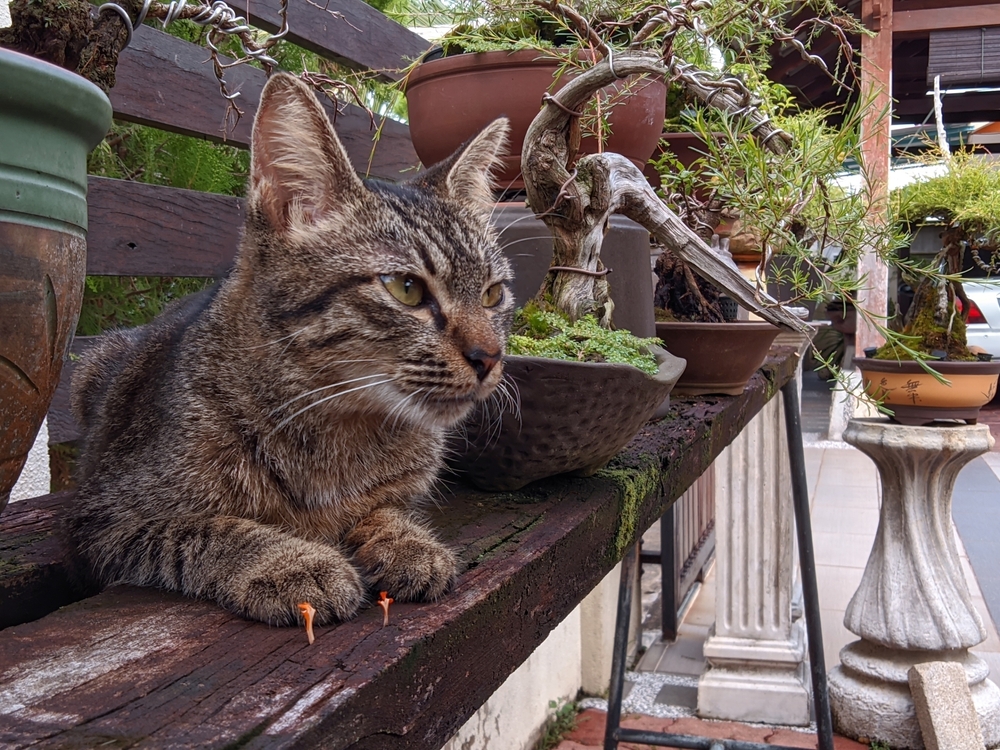
Cats and dogs explore with their mouths. Young pets chew more. Leaves, bark, seeds, and even potting soil can tempt them. Are Bonsai Trees Poisonous To Cats And Dogs? It depends on the plant and the dose. Small pets are at higher risk from even small bites.
Toxins vary. Some cause stomach upset. Some can affect the heart or liver. A few can be deadly. Always check the species before you buy or gift a bonsai.

Toxic bonsai species for cats and dogs
These bonsai species are known to be toxic to cats and dogs based on veterinary poison data. If you keep them, use strict safety steps or choose safer options.
- Sago palm, also sold as cycad or king sago. All parts are toxic, seeds most of all. Can cause vomiting, liver failure, and can be fatal.
- Azalea and rhododendron. Grayanotoxins can cause drooling, vomiting, weakness, and heart rhythm issues.
- Oleander. Very toxic cardiac glycosides. Can cause serious heart problems and death.
- Yew. Taxines can cause tremors, collapse, and sudden death.
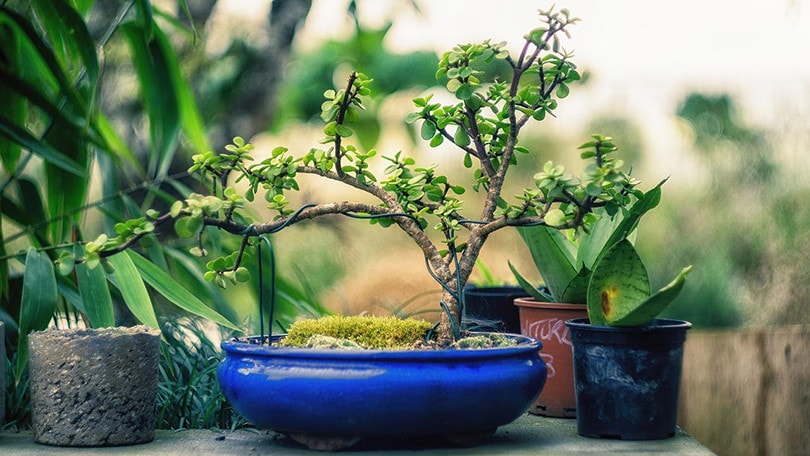
- Jade plant, also called Crassula. Causes vomiting, lethargy, and incoordination in pets.
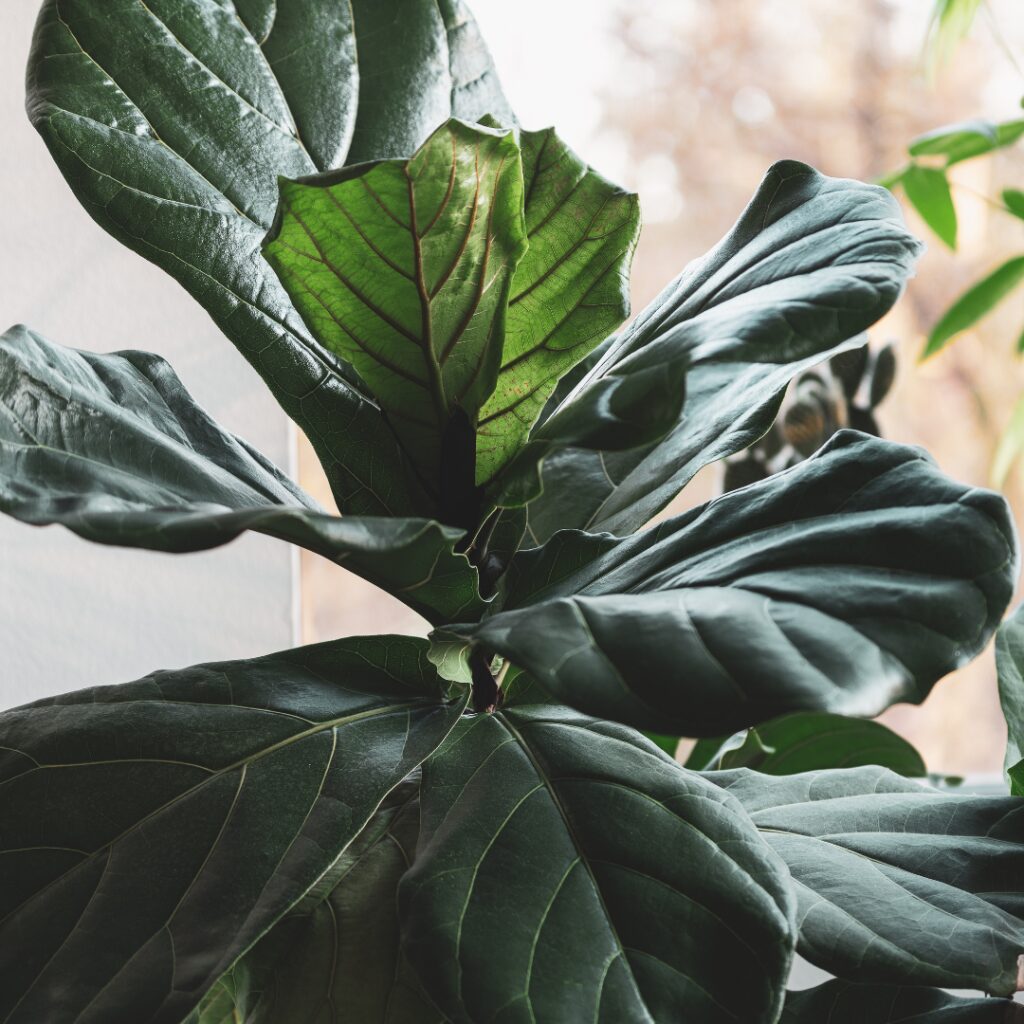
- Ficus species like Ficus microcarpa, retusa, or benjamina. Sap can irritate mouth and skin and cause stomach upset.
- Boxwood. Can lead to vomiting and diarrhea.
- Wisteria. Seeds and pods can cause vomiting and depression.
- Privet or Ligustrum. Can cause stomach upset and in some cases neurologic signs.
- Schefflera, umbrella tree. Insoluble oxalates can cause mouth pain, drooling, and pawing at the face.
- Prunus species like cherry, peach, and plum. Wilted leaves and seeds can contain cyanogenic compounds.
- Podocarpus, also called yew pine. Can cause vomiting and liver issues.
- Norfolk Island pine. Can cause vomiting and depression.
- Juniper sabina. Irritant oils can cause GI upset. Avoid this species.
Important note on non-plant risks:
- Fertilizers, especially organic cakes or fish emulsion, smell like food to pets. They can cause GI upset or worse.
- Systemic insecticides and some fungicides can add risk. Use pet-safe methods and follow labels.
If you ever ask, Are Bonsai Trees Poisonous To Cats And Dogs?, start with the species list. When in doubt, pick a safer tree.
Safer bonsai choices for pet homes
No plant is 100% safe if a pet eats a lot. But many bonsai species are considered non-toxic or low risk for cats and dogs.
- Chinese elm. A hardy classic. Widely considered pet-safe.
- Olive. Non-toxic and tough indoors with good light.
- Rosemary. Aromatic, non-toxic, and easy to prune.
- Money tree, also called Pachira aquatica. Non-toxic to cats and dogs.
- Hibiscus rosa-sinensis. Non-toxic; large flowers add color.
- True bamboo. Non-toxic. Check that it is true bamboo, not lucky bamboo.
- Juniper species other than Juniper sabina. Often low-tox, but still prevent chewing.
Use care with maples and other ornamentals. Most are low risk for pets, yet ingestion can still cause stomach upset. Monitor each plant and your pet’s behavior. Are Bonsai Trees Poisonous To Cats And Dogs? Some are not, and these choices help lower your risk.

Safety steps for living with pets and bonsai
You can enjoy both with a plan. Here is what works in my home and with client homes.
- Place trees out of reach. Use high shelves, plant cabinets, or wall mounts. Add glass doors if needed.
- Create a plant zone. Use a spare room or a rack with doors. Keep the door shut when you are out.
- Cover soil. Use mesh, river pebbles, or a bonsai soil guard. This stops digging and keeps fertilizer out of sight.
- Train and distract. Reward your pet for ignoring plants. Offer chew toys and cat grass as safe outlets.
- Use safe deterrents. Bitter sprays or citrus peels can reduce interest. Test on a leaf first.
- Keep the floor clean. Pick up fallen leaves, seeds, and prunings right away.
- Choose safer care products. Use insecticidal soap, horticultural oil, or sticky cards out of reach. Avoid systemic products in pet zones.
- Label every tree. Keep the species name on the pot. This helps in an emergency.
Safety is an ongoing habit. If you ever wonder, Are Bonsai Trees Poisonous To Cats And Dogs?, follow these steps before you bring a tree home.
What to do if your pet chews a bonsai
Act fast and stay calm. Quick action helps your vet help you.
- Remove plant bits. Take leaves or stems out of the mouth. Rinse the mouth with water.
- Check the label. Find the species name. Take a photo of the tree and pot tag.
- Call your vet or a poison control service. Do not wait for signs to start.
- Do not induce vomiting unless a vet tells you. It can make things worse with some toxins.
- Watch for signs. Vomiting, drooling, weakness, tremors, or changes in heart rate need urgent care.
- Bring a sample. Put a leaf or seed in a bag and take it to the clinic.
Time matters with plants like sago palm, oleander, and yew. When you ask, Are Bonsai Trees Poisonous To Cats And Dogs?, remember that early care can save a life.
Quick answers: Are Bonsai Trees Poisonous To Cats And Dogs?
Here are fast responses to common searches.
-
Are bonsai trees poisonous to cats and dogs in general?
Some are. Species like sago, oleander, yew, azalea, and jade are risky. Choose safer trees like Chinese elm or olive. -
Are bonsai fertilizers safe for pets?
Often not if eaten. Keep fertilizers sealed, apply sparingly, and cover the soil. -
Are indoor bonsai safer than outdoor bonsai for pets?
Not by default. Risk depends on the species and access, not the location.
Are Bonsai Trees Poisonous To Cats And Dogs? Yes for some, no for others. Check the species first, then set up safe care.

Real-life lessons from my bonsai bench
I learned the hard way. Years ago, my young dog chewed a jade bonsai. He vomited and looked sad and shaky. We called our vet right away. He recovered, and I changed how I set up plants.
What works best for me now:
- I keep toxic species in a closed cabinet with grow lights.
- I pick pet-safe bonsai for open shelves, like Chinese elm and money tree.
- I label every pot and keep a simple plant list on my phone.
- I stopped using fish emulsion indoors. The smell is too tempting for pets.
Mistakes to avoid:
- Do not assume a small plant is safe. Dose per body weight matters.
- Do not trust that a pet will ignore a plant forever. Stress and boredom change habits.
- Do not skip the species check. The question, Are Bonsai Trees Poisonous To Cats And Dogs?, must be answered before you buy.
Frequently Asked Questions of Are Bonsai Trees Poisonous To Cats And Dogs?
Which bonsai are the most dangerous to pets?
Sago palm, oleander, yew, and azalea are among the most dangerous. Even small amounts can cause severe signs.
Is a jade plant bonsai toxic to cats and dogs?
Yes. Jade can cause vomiting, lethargy, and poor coordination. Keep it out of reach or pick a different tree.
Are ficus bonsai safe for pets?
Ficus sap can irritate the mouth and stomach. It is best treated as mildly toxic and kept away from pets.
What are the signs of plant poisoning in pets?
Common signs include drooling, vomiting, diarrhea, weakness, and tremors. Some toxins affect the heart or liver.
Can I make a toxic bonsai safe with pruning or training?
No. Pruning does not remove toxins within plant tissues. Only strict access control reduces risk.
Are money tree and Chinese elm bonsai pet-safe?
They are considered non-toxic. Still, prevent chewing to avoid stomach upset.
Do cats chew bonsai because of nutrient needs?
Most cats chew plants out of curiosity or play. Offer cat grass to redirect the behavior.
Conclusion
You can enjoy bonsai and protect your pets at the same time. Know your species, control access, and keep care products secured. Ask yourself, Are Bonsai Trees Poisonous To Cats And Dogs?, before any new purchase, and set up safe zones at home.
Make a short checklist today. Label your trees, cover soil, and move risky plants behind doors. If this guide helped, share it with a pet-loving friend, subscribe for more plant safety tips, or leave a question in the comments.
