
Best Australian Native Bonsai Trees are perfect for beginners in 2025, offering hardy, low-maintenance species that thrive in local conditions. Discover the top natives to start your bonsai journey today.
Bonsai trees are fascinating. They bring nature’s beauty into homes.
Australian native bonsai trees offer unique charm and resilience. These miniature trees capture the essence of Australia’s landscapes. Each one tells a story of survival and adaptation. Australia boasts a rich diversity of flora. This makes it a perfect place to explore bonsai art.
From the rugged beauty of the Outback to the lush rainforests, these trees reflect Australia’s natural beauty. Enthusiasts and beginners alike can enjoy cultivating these miniature wonders. They require patience and creativity, yet reward with stunning displays.
Whether you’re an experienced bonsai artist or just starting, Australian native bonsai trees promise a captivating journey. They stand as a testament to nature’s artistry and resilience. Dive into this enchanting world and discover the best options for your collection.
Introduction To Australian Native Bonsai
Australia boasts a stunning range of native plants. These plants have found their way into the art of bonsai. Australian native bonsai trees are gaining popularity. They offer a unique blend of tradition and innovation. Whether you’re a beginner or an expert, these trees capture your attention. Let’s explore what makes them special and why enthusiasts love them.
What Makes Them Unique
Australian native bonsai trees have distinct characteristics. They often feature rugged textures and unique shapes. These trees thrive in various climates. This adaptability makes them perfect for bonsai art.
Some popular species include the Australian Pine and the Bottlebrush. These trees stand out for their striking appearance and resilience. Their vibrant colors and forms make them visually appealing. They also reflect Australia’s diverse ecosystem.
Best Australian Native Bonsai Trees, Popularity Among Enthusiasts
Interest in Australian native bonsai is growing. Enthusiasts appreciate their unique aesthetics. These trees offer a fresh perspective on traditional bonsai practices. The local flora resonates with Australian culture. This connection adds sentimental value for many gardeners. Bonsai clubs and workshops feature these native species.
This helps in spreading their popularity further. As more people engage, the community expands. The accessibility of native species is another factor. This makes them a favorite choice for many hobbyists.
Top Native Bonsai Trees
Australia’s rich biodiversity offers a unique array of native bonsai trees. These trees are perfect for bonsai enthusiasts seeking natural beauty and charm. Cultivating native bonsai trees connects you to the land. It also enhances your garden with distinctive textures and colors.
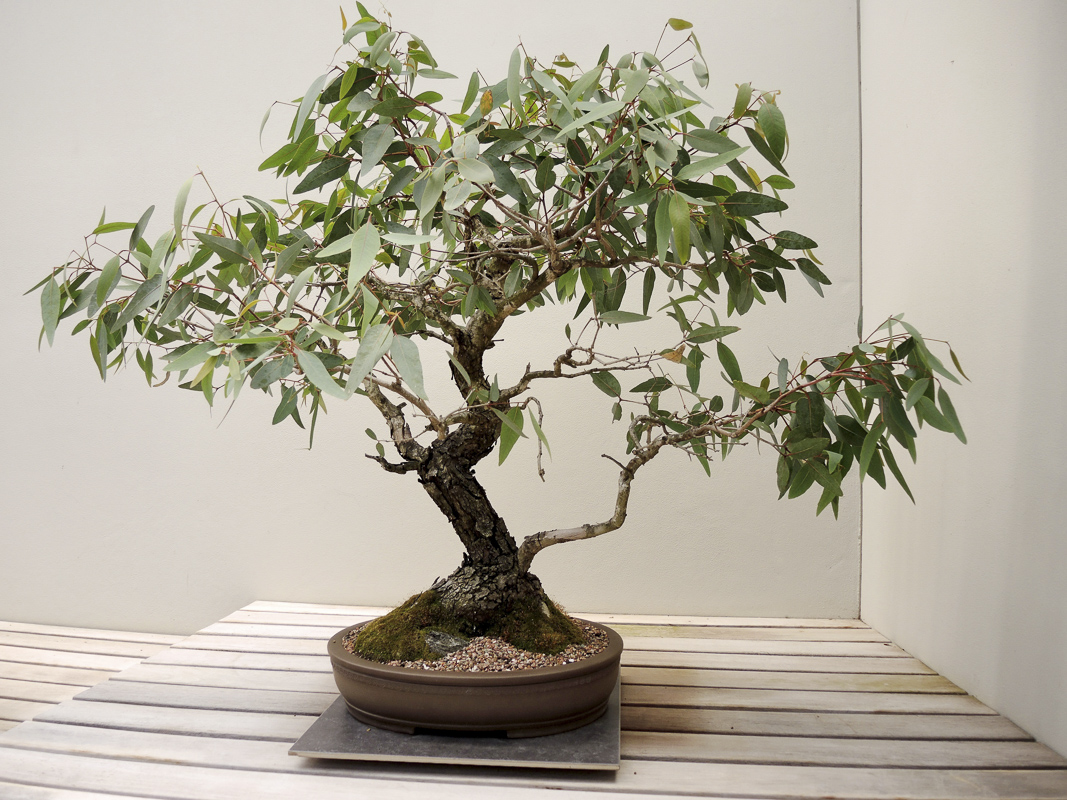
River Red Gum
The River Red Gum is iconic in Australia. Its striking bark and foliage make it a favorite. This tree adapts well to bonsai cultivation. It grows quickly and develops a unique form. Prune regularly to maintain its shape. This tree thrives in well-drained soil. It loves sunlight but needs protection from harsh winds. River Red Gum bonsai is a rewarding challenge.
Best Australian Native Bonsai Trees, Bottlebrush Beauty
Bottlebrush Beauty offers vibrant color and elegant form. Its red flowers are eye-catching and add flair. This native tree is resilient and adaptable. It grows well in pots and requires minimal care. Regular pruning helps maintain its compact size. Bottlebrush prefers sunny spots and well-drained soil. Its unique form adds character to any bonsai collection.
Choosing The Right Bonsai
Discover the charm of Australian native bonsai trees. Perfect choices include the elegant River Red Gum or the resilient Bottlebrush. These trees bring a touch of the wild indoors, offering a unique blend of beauty and toughness.
Choosing the right bonsai tree is crucial, especially when you’re interested in Australian natives. Each tree has its unique charm and requirements, making your selection both exciting and pivotal. By understanding the specific needs of these trees, you can ensure a thriving miniature masterpiece in your home or garden.
Climate Considerations
Australia’s diverse climate means that not all native bonsai trees will flourish everywhere. Consider your local climate when selecting a bonsai. If you live in a coastal region, the Coastal Tea Tree might be a perfect fit. Its tolerance for salt makes it ideal for sea breezes. Conversely, the River Red Gum thrives in warmer, more arid environments.
Reflect on the weather conditions your chosen tree will face throughout the year. Will it manage the winter chill or the summer heat? Picking a tree compatible with your climate ensures less stress and more success in your bonsai journey.
Best Australian Native Bonsai Trees, Space Requirements
The space you allocate for your bonsai tree directly affects its growth and health. Are you planning to showcase your bonsai on a small windowsill, or do you have a spacious garden bench in mind? Small-leaved species like the Lilly Pilly are perfect for limited spaces and can thrive indoors with adequate sunlight.
On the other hand, larger species like the Moreton Bay Fig might need more room to spread its roots and branches. Consider the growth potential and dimensions of your chosen tree. How will it fit in with your existing decor or garden layout? Choosing the right size bonsai can enhance your living space without overwhelming it.
Engaging with bonsai is more than just a hobby; it’s a commitment to nurturing nature in its miniature form. As you ponder these questions, remember that choosing the right bonsai tree is the first step in a rewarding and artistic journey. What will your bonsai story be?

Cultivation Techniques
Cultivating Australian native bonsai trees requires specific techniques for optimal growth. Choose species like the Lilly Pilly or Bottlebrush. Proper pruning and watering ensure healthy development, while sunlight exposure is essential. These practices help maintain their miniature form and vibrant appearance, enhancing the beauty of your bonsai collection.
Cultivating Australian native bonsai trees is an art that combines nature’s beauty with human creativity. These unique plants require specific techniques to thrive and maintain their miniature form. Whether you’re a seasoned bonsai enthusiast or a beginner, understanding the right cultivation techniques is crucial. Let’s dive into some practical methods to help your bonsai flourish.
Best Australian Native Bonsai Trees, Pruning And Shaping
Pruning and shaping are essential for maintaining the desired size and form of your bonsai. Regularly trim new growth to encourage a dense, compact structure. Use sharp tools to make clean cuts, as this promotes faster healing and reduces stress on the plant.
Consider the natural shape of the tree when pruning. For example, the iconic Australian Banksia has a unique silhouette that can be enhanced with careful shaping. Keep your bonsai’s health in mind; avoid excessive pruning that can weaken the plant.
Best Australian Native Bonsai Trees, Watering And Feeding
Watering your bonsai correctly is vital for its survival. Australian native bonsai trees often come from environments with variable rainfall, so mimic this with your watering routine. Allow the soil to dry slightly between waterings to prevent root rot. Feeding your bonsai with the right nutrients supports its growth and vitality.
Use a balanced, slow-release fertilizer, applying it sparingly during the growing season. Pay attention to the specific needs of different species; some may require additional trace elements to thrive. Have you ever noticed your bonsai’s leaves turning yellow? This could signal a nutrient deficiency.
Adjust your feeding routine and observe any changes. Your attention to detail will reward you with a healthy and vibrant bonsai. Engaging with the cultivation of Australian native bonsai trees can be a deeply satisfying experience.
By mastering pruning, shaping, watering, and feeding techniques, you can nurture a living work of art. What new techniques will you try with your bonsai collection today?
Best Australian Native Bonsai Trees, Seasonal Care Tips
Australian native bonsai trees thrive with seasonal care. Maintain optimal growth by adjusting watering and sunlight exposure. Regular pruning ensures healthy shapes and vibrant foliage.
Caring for Australian native bonsai trees requires a keen understanding of seasonal changes and their impact on your miniature landscapes. Each season offers unique challenges and opportunities to ensure your bonsai thrives.
Implementing specific care techniques throughout the year can enhance your bonsai’s health and beauty. Let’s dive into some practical tips for maintaining your bonsai during the summer and protecting it in winter.
Best Australian Native Bonsai Trees, Summer Maintenance
Summer is a critical time for Australian native bonsai trees. The intense heat and increased sunlight can both invigorate and stress your bonsai. Watering becomes paramount as soil dries out quickly under the scorching sun. Check the soil daily to determine if your bonsai needs water.
A simple finger test will do—if the topsoil feels dry, it’s time to water. Consider the placement of your bonsai during summer. While these trees love sunlight, too much can cause leaf burn. Relocating your bonsai to a spot that receives morning sun and afternoon shade can protect it from overexposure. Pruning is also essential in summer.
It’s the perfect time to trim back new growth and shape your bonsai. This encourages a denser foliage and maintains the desired form. Have you ever noticed how a well-pruned bonsai appears more vibrant and structured?
Best Australian Native Bonsai Trees Winter Protection
Winter can be a tough season for your bonsai, especially when temperatures drop significantly. Providing adequate protection is crucial to prevent damage. During winter, you may need to reduce watering frequency. The cooler temperatures slow down evaporation, so the soil retains moisture longer.
Ensure the soil is slightly moist, but avoid waterlogging, which can harm the roots. Think about insulating your bonsai against the cold. You might wrap the pot with bubble wrap or place it in a sheltered area to shield it from frost. Some bonsai enthusiasts even move their trees indoors temporarily during cold spells.
Fertilizing is not recommended in winter, as most bonsai trees enter a dormant phase. Allow your tree to rest and reserve its energy for the growing season. Have you ever experienced how a well-rested bonsai bursts with life come spring?
By tailoring your care techniques to the seasons, you ensure your Australian native bonsai not only survives but thrives year-round. What seasonal adjustments have you found most effective for your bonsai?
Best Australian Native Bonsai Trees, Common Challenges
Growing Australian native bonsai trees can be rewarding. Yet, enthusiasts often face challenges that test their patience and skills. Understanding these common hurdles can help you nurture your bonsai effectively. Let’s explore some typical issues with pests, diseases, and growth.
Pests And Diseases
Pests like aphids and caterpillars can harm bonsai trees. They feed on leaves and cause damage. Regular inspection can prevent infestations. Use natural insecticides to keep pests away. Fungal diseases also pose threats. They affect roots and leaves. Maintain good airflow and monitor soil moisture to prevent fungus. Healthy trees resist diseases better.
Best Australian Native Bonsai Trees, Growth Issues
Growth problems often arise from poor soil quality. Bonsai trees need well-draining soil to thrive. Compact soil restricts root growth and affects overall health. Another issue is improper pruning.
Pruning too much or too little can stunt growth. Ensure balanced pruning to promote healthy branches. Lastly, light exposure is crucial. Insufficient sunlight can cause weak growth. Position your bonsai to receive ample light.
Showcasing Your Bonsai
Explore the beauty of Australian native bonsai trees. Delight in the elegance of Eucalyptus, Banksia, and Acacia. These species thrive as captivating bonsai, displaying unique shapes and textures. Each tree tells its own story, showcasing the charm of Australian landscapes right at home.
Showcasing your bonsai is an art that allows you to express your creativity and passion. Whether you’re a seasoned enthusiast or a budding bonsai lover, displaying your Australian native bonsai can be an enriching experience.
It’s not just about placing them on a shelf; it’s about creating a captivating environment that highlights their beauty and unique characteristics. Let’s dive into some styling ideas and exhibition preparation to make your bonsai the star of the show.
Best Australian Native Bonsai Trees Styling Ideas
Styling your bonsai is where your personal touch shines through. Consider the setting where your bonsai will be displayed. Do you want it to be the centerpiece on your dining table or a subtle addition to your living room?
Think about the pots you use. A rustic clay pot can accentuate the natural beauty of Australian natives like the Bottlebrush or Wattle. Lighting plays a crucial role. Natural light can enhance the vibrant greens and unique shapes of your bonsai. Experiment with different angles to see how shadows can add depth.
Exhibition Preparation
Preparing your bonsai for an exhibition requires attention to detail. Start by ensuring your bonsai is in peak health. Regular pruning and watering are essential. Cleaning the leaves and branches will make your bonsai sparkle. Use a soft brush to remove dust and debris. Consider the backdrop. A plain, neutral background can make your bonsai pop.
What color best complements your bonsai’s foliage? Transporting your bonsai safely is vital. Use sturdy boxes and padding to prevent damage. Are you ready to take the spotlight?
Preparing for exhibitions can be nerve-wracking, but seeing your bonsai admired by others is incredibly rewarding. Each step you take in showcasing your bonsai is a reflection of your dedication and love for this ancient art. How will you display your masterpiece next?
Best Australian Native Bonsai Trees, video!
Benefits Of Native Bonsai
Native bonsai trees offer unique benefits. They thrive in Australian climates. These trees are adapted to local soil and weather. Caring for them is easier compared to exotic species. Native bonsai also support local wildlife. They provide food and shelter for native birds and insects.
Environmental Impact
Native bonsai trees have a low environmental impact. They require less water and fertilizers. This helps conserve resources. Choosing native species supports biodiversity. It enhances the local ecosystem. Native bonsai also improve air quality. They absorb carbon dioxide and release oxygen.
Best Australian Native Bonsai Trees, Artistic Expression
Creating a native bonsai is an art form. It allows for personal expression. Each tree is a living sculpture. Pruning and shaping reveal the artist’s vision. The natural beauty of native species enhances creativity. Bonsai styles reflect the Australian landscape. This connection adds depth to the art.
Frequently Asked Questions
What Is The Best Bonsai Tree For Beginners In Australia?
The Jade Bonsai is ideal for beginners in Australia. It thrives indoors and requires minimal care. Additionally, the Ficus Bonsai is excellent due to its resilience and adaptability. Both species are perfect for novices seeking manageable bonsai trees.
What Is The Rule Of 3 In Bonsai?
The rule of 3 in bonsai involves three key elements: trunk movement, branch placement, and foliage density. It ensures aesthetic balance and visual appeal. Proper application helps create harmonious and captivating bonsai designs.
What Is The Most Sought After Bonsai Tree?
The Japanese Maple bonsai tree is highly sought after for its stunning foliage. Its vibrant colors and delicate leaves make it a favorite among enthusiasts. Suitable for beginners and experts, it adds elegance to any collection. Its popularity continues to grow due to its beauty and cultural significance.
What Is The Most Low Maintenance Bonsai Tree?
The Ficus bonsai tree is perfect for low maintenance. It thrives in various conditions and requires minimal care. Regular watering, indirect sunlight, and occasional pruning suffice. Its adaptability makes it ideal for beginners seeking a hassle-free bonsai experience. Enjoy its beauty without constant attention.
Conclusion
Exploring Australian native bonsai trees can be a rewarding hobby. These trees bring unique beauty and charm to any space. They are perfect for beginners and experts alike. Native species adapt well to local climates, ensuring growth success. Caring for these bonsai nurtures patience and creativity.
It also connects you with nature. Consider adding an Australian native bonsai to your collection. These trees offer endless opportunities for learning and enjoyment. Whether you choose a bottlebrush or a fig, each tree has its own story. Embrace the journey and watch your bonsai thrive.
Happy gardening!