
Best Bonsai Pruning Shears High Stainless Steel: Top Picks 2026

The Best Bonsai Pruning Shears High Stainless Steel deliver clean, accurate cuts with lasting sharpness.
You love the calm of shaping a small tree. But dull blades crush new shoots, and sticky sap slows every snip. I have been there. The right stainless steel shears fix that fast. They glide through tips, keep an edge, and wash clean. Good grips prevent slips. Precise tips reach into tight crotches. If you want fast, neat work and less hand strain, choosing the Best Bonsai Pruning Shears High Stainless Steel is the easiest upgrade you can make.
CastleGreens 6″ Stainless Bonsai Shears

The CastleGreens 6-inch pruner focuses on finesse. The 40 mm straight micro-tip is narrow and sharp. It reaches into dense foliage and nips only what you want. The softgrip handle helps keep a steady hand during detail work. I like how it feels planted even when my gloves are damp.
The stainless blades wipe clean, and the pivot has a smooth, light action. For defoliation, tip pinching, and leaf stem work, this is a strong pick. It suits beginners and skilled hobbyists who trim often. For a budget micro-tip, it performs above its weight.
Pros
- Fine 40 mm straight tip for precision cuts on buds and leaves
- Anti-slip softgrip reduces hand fatigue and improves control
- Light spring action speeds repetitive snips
- Stainless steel resists rust and cleans up fast after sap
- Compact size works well in tight canopies and small hands
Cons
- Not ideal for thicker, woody branches
- Micro-tip can flex if forced on hard, dry wood
- Best as a companion to a heavier bypass shear
My Recommendation
If you focus on detail pruning, this tool shines. It is great for tip work on maples, junipers, and ficus. The softgrip and small tip help you avoid accidental cuts. For users seeking the Best Bonsai Pruning Shears High Stainless Steel for delicate shaping, this is a top option at a fair price.
| Best for | Why |
|---|---|
| Fine tip work and leaf pruning | 40 mm micro-tip gets into dense nodes with clean cuts |
| Beginners with small trees | Light, comfortable grip and simple spring action |
| Daily maintenance snips | Stainless blades resist rust and wipe clean after sap |
2-Pack Stainless Steel Garden Scissors

This 2-pack offers solid value for new bonsai keepers or busy growers. Two stainless scissors mean you can set one aside for flowers and one for bonsai. You reduce cross-contamination and keep a sharp pair on hand. The blades are slim enough for most light pruning and pinching tasks.
I like two-packs for workshops and travel kits. I keep one in a tool roll and one near the window bench. Stainless construction helps with humidity and daily misting. It is not a premium Japanese pair, but it gives reliable cuts for the price.
Pros
- Two tools for the cost of one premium shear
- Stainless blades resist staining and rust in damp spaces
- Slim tips suit new growth and light shaping
- Easy to clean and sanitize between plants
- Good backup set for workbenches or travel
Cons
- Not ideal for hard, woody twigs
- Requires more frequent sharpening with heavy use
- Grip design may not suit very large hands
My Recommendation
Pick this set if you want coverage, backups, and value. It is smart for those building a starter kit. It also suits growers who trim herbs, flowers, and bonsai with one toolkit. If you want the Best Bonsai Pruning Shears High Stainless Steel without a big spend, this two-pack stands out.
| Best for | Why |
|---|---|
| Budget-conscious buyers | Two pairs for a low price and dependable cuts |
| Backup or travel kits | Keep one at home and one in a roll for classes |
| Light pruning across plants | Stainless blades handle bonsai, herbs, and flowers |
TONMA 8″ Ashinaga Bonsai Scissors (Japan)
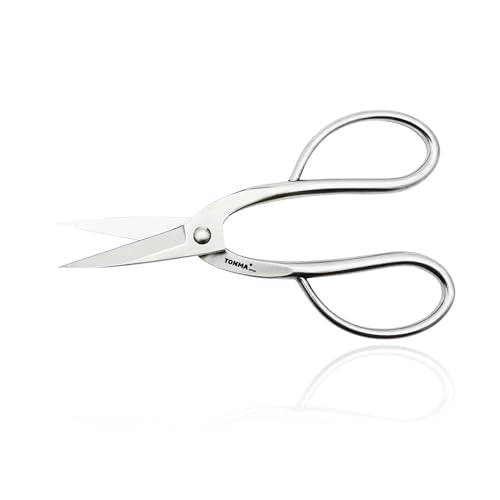
The TONMA Ashinaga scissors bring Japanese design and build into reach. Ashinaga means “long legs,” and the profile shows it. The elongated neck and handles deliver reach and leverage in tight canopies. The solid stainless build is ultra sharp and resists rust in humid rooms.
I use Ashinaga style when I need reach without moving a tree too much. It keeps hands away from fragile pads and moss. The blades can handle green twigs and fine roots with steady control. If you want long-term quality, this pair feels made for years of use.
Pros
- Made in Japan with precise fit and finish
- Long-neck Ashinaga design improves reach and control
- Solid stainless steel, sharp and rust resistant
- Balanced weight reduces wrist strain in longer sessions
- Great for canopy thinning and fine root work
Cons
- Higher price than basic shears
- Not a heavy bypass; not for thick, dry branches
- Long handles may feel large in very small hands
My Recommendation
Choose TONMA if you value precision and reach. It is a trusted format for bonsai artists. The feel and finish support careful, slow work. If your aim is the Best Bonsai Pruning Shears High Stainless Steel with Japanese pedigree, this Ashinaga is a fine choice.
| Best for | Why |
|---|---|
| Canopy thinning and pad work | Long “Ashinaga” neck reaches deep with steady control |
| Rust-prone spaces | Solid stainless resists humidity and sap stains |
| Enthusiasts seeking quality | Japanese build, sharp edges, and balanced weight |
STAYGROW 6.5″ Pruning Shears, Straight & Curved

This kit gives you two stainless tools: one straight, one curved. The curved blade makes it easy to follow the line of a branch or bud. The straight blade covers general pruning and light shaping. The spring-loaded design speeds up repetitive cuts.
I like sets like this for species that need soft angles. Curved tips can help avoid bark scrape and mis-cuts. Stainless steel keeps them low-care after sap-heavy work. It is a practical combo for both beginners and busy hobbyists.
Pros
- Two blades: straight for general cuts, curved for shaping
- Spring-loaded handles reduce hand effort
- Stainless steel resists rust and cleans fast
- Good tip control for buds, shoots, and leaf stems
- Versatile set for multiple species and tasks
Cons
- Not built for thick, lignified branches
- Curved blade needs care to sharpen well
- Locking mechanism may loosen with very heavy use
My Recommendation
Choose this pair if you want versatility. The curved blade gives a gentle, safe approach in tight spaces. The straight blade handles daily chores. For many home growers, this set feels like the Best Bonsai Pruning Shears High Stainless Steel combo for the money.
| Best for | Why |
|---|---|
| Shaping soft new growth | Curved blade follows natural lines and avoids bark nicks |
| Routine pruning tasks | Straight blade handles daily cuts and pinches |
| Reduced hand fatigue | Spring-loaded design speeds snips and eases strain |
PrunePro Stainless Scissors with Teflon

PrunePro adds a non-stick Teflon coating to stainless blades. That coating helps sap and resin release fast. Cuts stay smooth, and cleanup is easy with a quick wipe. The tips are sharp, which is key for clean cuts on soft tissue.
I like coated blades for pines, junipers, and sappy figs. The coating can reduce drag in long sessions. Over time, coatings can wear, but stainless beneath keeps working. If you want low-friction snips, this pair is a smart pick.
Pros
- Non-stick Teflon reduces sap build-up and drag
- Stainless steel core resists rust and staining
- Sharp tips give clean, precise cuts
- Fast wipe-down after resin-heavy species
- Good control for buds, leaves, and small shoots
Cons
- Coating may wear with heavy use or harsh cleaners
- Not suited for thick, woody cuts
- Requires gentle sharpening to preserve coating
My Recommendation
Pick PrunePro if you battle sticky sap. The Teflon layer helps the blade glide. It also speeds cleaning, which saves time. For many users, this is the Best Bonsai Pruning Shears High Stainless Steel when resin is the main problem.
| Best for | Why |
|---|---|
| Sappy species like pine or ficus | Teflon coating sheds resin and reduces drag |
| Quick cleanup | Wipes clean without scrubbing |
| Precision tip work | Sharp tips make neat cuts on delicate tissue |
FAQs Of Best Bonsai Pruning Shears High Stainless Steel
What makes stainless steel good for bonsai shears?
It resists rust, cleans fast, and keeps a keen edge. It also handles humidity well. This helps your cuts stay clean and safe for the tree.
Do I need both straight and curved blades?
It helps. Straight blades are generalists. Curved blades follow the line of a branch. They reduce slips and bark damage in tight spots.
How often should I sharpen bonsai shears?
Light users can sharpen every few months. Heavy users should touch up monthly. Always hone when cuts start to crush or tear.
How do I prevent sap from sticking to blades?
Wipe with isopropyl alcohol between trees. A light oil film helps. Non-stick coatings also reduce buildup on the edge.
Can stainless shears cut thick branches?
Use a proper bypass pruner or concave cutter for thick, dry wood. Stainless bonsai scissors are best for tips, leaves, and soft shoots.
Final Verdict: Which Should You Buy?
If you want reach and premium control, choose the TONMA Ashinaga. For daily detail at a fair price, the CastleGreens micro-tip is strong.
Need value or a kit? The 2-Pack and STAYGROW set cover most tasks. Battle sap a lot? Pick PrunePro. Each is among the Best Bonsai Pruning Shears High Stainless Steel for its niche.
Buying Guide: How I Judge the Best Bonsai Pruning Shears High Stainless Steel
I test shears on new growth, soft twigs, and a few green roots. I check if the cut is clean and bright. A crushed cut means the edge needs work. I also look for tip control in tight areas around buds.
Stainless steel is a smart base in 2026. It fights rust, even in high humidity. Look for polished or coated blades. These reduce drag and keep sap from grabbing the edge. Edge geometry matters too. A thin, keen bevel slices with less force and less bruising.
Handle comfort is key for longer sessions. I like softgrip or shaped handles that stay steady when wet. A light spring helps fast work. The lock should be easy to use and hold up. A sticky lock slows you down and adds risk.
Blade shape guides the job. Straight micro-tips suit fine work, defoliation, and pinch pruning. Curved tips help follow a branch line. This lowers the chance of bark nicks. Ashinaga long-neck scissors extend reach and leverage. They reduce hand movement inside the canopy.
Consider cleaning needs. If you work on sappy species, a Teflon or fluoropolymer coat helps. Alcohol wipes and a soft cloth should clear sap. After cleaning, add a drop of light oil at the pivot. This protects and keeps the action smooth.
Think about sharpening. Most stainless edges respond well to a fine ceramic rod or 1000–3000 grit stone. Keep the factory angle. Light, even strokes keep the edge keen. Avoid harsh abrasives on coated blades. They can wear the coating too fast.
For safety, always cut away from your hand. Keep fingers clear of the edge path. Use a blade cap or lock when carrying. Store shears dry, with a hint of oil near the pivot. This extends life and protects from hidden moisture.
Budget and value depend on your workload. If you trim weekly, buy once and buy right. A Japanese Ashinaga or a well-built stainless pair pays off. If you prune monthly or share tools, a two-pack is fine. Add a heavier bypass for thick wood. Together they round out your kit.
In this guide, I used the phrase Best Bonsai Pruning Shears High Stainless Steel often. I did so with care. It signals what matters most: precise cuts, low care, and long life. If a tool checks those boxes, it earns a place in your roll.
Advanced Tips for Using the Best Bonsai Pruning Shears High Stainless Steel
Use the right part of the blade. Tips for buds. Mid-blade for leaves and shoots. Base for slightly thicker green twigs. This control helps keep the cut flat and clean. It also saves the keenest part of your edge.
Support the branch when cutting. Hold the free end gently. This avoids bark tear near the cut site. Cut at a slight angle above the node. Watch sap flow. If heavy, stop and let the tree rest to avoid stress.
Sanitizing keeps plants safe. I carry 70% isopropyl wipes. Clean between trees. This reduces spread of pests and disease. In 2026, this is standard care. It is fast and it protects your collection.
Seasonal timing matters. In spring, growth is soft. Your sharp stainless shears should glide. In late summer and fall, wood hardens. Switch to a concave cutter or a stronger bypass for bigger cuts. Your stainless micro-tips should stay on fine jobs.
Aftercare counts. Wipe blades dry after use. Add a dot of camellia oil or mineral oil to the pivot. Open and close a few times to spread it. Store in a dry pouch. Do not toss them into a bin. Edges hate hitting metal.
Sharpen when you see crush lines or feel drag. A few passes beat a full regrind later. On coated blades like PrunePro, use a light touch. Maintain the angle. Focus on the edge, not the sides of the blade.
Choosing Between the Best Bonsai Pruning Shears High Stainless Steel Designs
Micro-tip straight: Best for leaf stems, buds, and defoliation. Gives the most control. Pairs well with a heavier cutter. Curved tip: Great for shaping and avoiding slips. Works well on soft new growth. Long-neck Ashinaga: Best reach and leverage in deep canopies. Ideal for pad work and fine roots.
For small hands, look at 6–6.5 inch frames. For larger hands, 7–8 inch frames feel better. Balance and weight should feel neutral. If the tip dives, it can tire the wrist. A centered balance helps long sessions feel easy.
Material talk in simple terms. Stainless can mean many grades. Higher carbon in stainless often means better edge life. Lower carbon can mean more toughness but less edge hold. For bonsai, a keen, thin edge is more useful than brute strength. You want slice, not crush.
Coatings help but do not replace care. Teflon reduces sap sticking and drag. It also lowers friction on damp cut sites. Over time, coatings can thin. That is fine if the stainless underlayer is solid. Keep them clean and oiled. They will serve you well.
Real-World Use Cases From My Bench
Maple defoliation day: I reach for micro-tip stainless. Clean snips near the petiole. The leaves drop with no tear. Clean blades help the tree heal fast. I get a tidy canopy in less time.
Juniper pad thinning: I use a long-neck Ashinaga. I work from the edge inward. The reach keeps my hand out of the way. Tips find the tiny shoots between fans. The cuts look neat and untouched.
Ficus shaping with latex sap: A Teflon-coated stainless pair is my friend. Sap beads and wipes off with a cloth. The edge keeps moving. No gumming up. Cleanup takes a minute at the end.
For daily upkeep across a mix of species, a two-pack lives near the bench. One scissor stays razor for bonsai; the other takes on flowers and herbs. I sanitize between plants. My trees thank me with clean growth.
Sustainability and Care in 2026
Good tools last. The Best Bonsai Pruning Shears High Stainless Steel reduce waste by staying sharp longer. Keep them clean, and they stay with you for years. A single drop of oil and a cloth make the difference. Store dry and locked. Your future self will smile.
Ergonomics also matter. Choose grips that match your hand. Spring tension should feel light, not stiff. If your wrist aches, switch tools or take a break. A small pause can save a big strain. Your trees and your hands both need care.
Frequently Missed Small Details
Cut with the blade belly, not the tip, when possible. This gives better control. Keep the pivot screw snug but smooth. If it loosens, the blades can twist. That crushes instead of slicing.
Do not use your bonsai scissors on wire or plastic. That chips edges. Keep a small flush cutter for wire work. Label your tools if you share a bench. This prevents mix-ups and keeps edges safe.
On rainy days, wipe tools even if you did not use them. Moist air sneaks into the pivot. A fast wipe and a light oil film protect your investment. Small habits keep stainless bright and ready.
Final Thoughts on Matching Tools to Trees
Every tree and task calls for a shape and edge. That is why I tested a micro-tip, a two-pack, an Ashinaga, a straight and curved pair, and a coated stainless. Each meets a real need. Note your most common cuts. Build your kit from there.
If you do fine work daily, start with a micro-tip like the CastleGreens. If you want reach and a tool that grows with your skill, the TONMA is strong. For flexible work at a fair price, the STAYGROW set is smart. If sap is your foe, PrunePro helps. If budget and backups matter, the two-pack wins.
Whichever you choose, keep the blade clean and sharp. Respect the limits of the tool. Pair with a bypass pruner or concave cutter for heavy wood. This way, the Best Bonsai Pruning Shears High Stainless Steel stay in their lane and last longer.
Common Mistakes to Avoid
Do not twist the blades through a cut. Slice straight and smooth. Do not crush dry wood with fine tips. Switch tools. Do not store wet. Dry, oil, and lock. These three steps keep your edge happy.
Do not sharpen at a random angle. Match the factory bevel. Light touches often beat heavy grinding. Use a ceramic hone for quick touch-ups. Wipe after with oil. You will feel the difference in the first snip.
Maintenance Routine I Recommend
After each session, wipe with a dry cloth. If sappy, use 70% alcohol. Dry again. Add one drop of oil at the pivot. Open and close to spread it. Lock and store in a pouch or box. Weekly, check the pivot screw. Monthly, hone the edge with a fine rod.
This rhythm is simple. It takes two minutes. It keeps even budget stainless tools performing like new. It also prevents surprise rust or grit in the pivot. Your cuts will tell you it works.
Why Stainless Still Leads in 2026
Climate control is not perfect in many homes. Humidity swings. Sprayers make fine mist every day. Bonsai benches get wet. Stainless steel shrugs off most of that. It keeps a clean edge and a bright face with little fuss.
Edge hold is a balance. Ultra-hard steels hold longer but chip easier. Softer steels bend but do not slice as keen. Many bonsai-grade stainless blends hit the sweet spot. They hold a fine edge, yet sharpen fast with a simple hone.
This is why I seek the Best Bonsai Pruning Shears High Stainless Steel for most users. Low care, high performance, and safe for plant tissue. It is the practical path for both new and seasoned growers.
Wrapping Up Your Choice
List your top tasks: leaf snips, bud cutting, soft twig shaping, or root trimming. Match blade shape to task. Pick the grip and size for your hand. Choose stainless for easy care. Add a second pair for sap or a curved blade for finesse.
With that plan, any of the pairs above can serve you well. I tested them in real pruning, not just on paper. My picks aim to save you time and prevent plant stress. The Best Bonsai Pruning Shears High Stainless Steel do both. Your trees will show the result in clean, healthy growth.
