
The Best Bonsai Soil For Juniper is a fast-draining, gritty mix.
I live in the US, near Denver, where summers get dry and winters swing cold. My first juniper bonsai taught me a simple truth: the right soil is everything. Junipers hate soggy roots. They thrive in a breathable medium that drains fast yet holds just enough moisture and nutrients to keep growth steady. If your tree is yellowing at the tips, growing slowly, or staying wet too long after watering, it’s time to rethink the mix. In this guide, I tested and compared top options to help you find the Best Bonsai Soil For Juniper in 2025, with real pros, cons, and who each bag best fits.
Tinyroots Conifer Mix, 2.25 qt (Great for Juniper)

Tinyroots built this conifer blend for trees that demand fast drainage and high oxygen at the roots. Junipers, pines, and cypress all fit that bill. The particles are uniform and clean, so water runs through without compacting. That prevents the dreaded root rot that sets in when media stays wet. I like this mix for repots in late winter to early spring, when most junipers get a refresh. The structure supports fine root growth and rebounds well after heavy watering.
In practice, this bag feels tailored to the Best Bonsai Soil For Juniper profile. You get a gritty balance that holds enough moisture for a day or two, then dries fast. That rhythm helps you water on a steady schedule, even in humid zones. The mix pairs well with a pine-bark fertilizer program or a light organic top dressing during peak growth. In hot summers, I add a thin layer of sphagnum on top to slow evaporation. For first-time juniper owners, this is a forgiving and consistent choice.
Pros:
- Made for conifers; ideal drainage and aeration for junipers
- Clean, consistent particles that resist compaction
- Easy to use straight from the bag; minimal sifting
- Supports fine feeder roots after repotting
- Stable structure for two to three growing seasons
- Works in humid or dry climates with small tweaks
Cons:
- Smaller 2.25-qt bag may not cover larger repots
- Advanced users may still want to fine-tune particle sizes
- Stock can fluctuate in peak season
My Recommendation
If you want a ready-to-go, conifer-focused blend, this is an easy win. It shines for beginners and busy growers who want the Best Bonsai Soil For Juniper without mixing their own components. The structure keeps roots healthy and lets you water confidently. For large trees, you may need more than one bag, but the results justify it.
| Best for | Why |
| Beginners repotting junipers | Pre-mixed for conifers; simple and consistent |
| Humid climates | Fast drainage reduces root rot risk |
| Recovery after styling | Aeration supports fine root growth and vigor |
Perfect Plants Bonsai Soil, 2 qts All‑Purpose Mix

Perfect Plants offers an all-purpose bonsai mix that leans toward versatility. While it’s not conifer-only, the drainage and texture fit junipers well with a bit of sifting for optimal particle size. If you keep more than one species, this bag is a flexible base. It combines organic and inorganic components to balance water retention with airflow. That helps new growers manage watering in changing seasons without dramatic shifts in soil behavior.
I like it for small to mid-size junipers in training where you want steady growth and room to prune roots. The Best Bonsai Soil For Juniper should not hold water like potting soil, and this mix avoids that pitfall. In hot, dry summers, it keeps a touch more moisture than pure lava/pumice blends, which can help if you miss a watering. Advanced users might add extra pumice or lava for even faster drainage. But out of the bag, it’s a friendly, affordable option that performs above its price.
Pros:
- Versatile all-purpose mix suitable for junipers
- Balanced water retention for busy schedules
- Good starter option for mixed collections
- Affordable, easy to find all year
- Works well for pre-bonsai and nursery stock
Cons:
- May need sifting or added pumice for fast-drain needs
- Not conifer-specific; some organics can break down over time
- Two-quart bag runs out fast on larger projects
My Recommendation
Choose this if you want a single, simple bag for different species, including junipers. It’s not the most specialized, but it covers a lot with minimal fuss and supports healthy root growth. For the Best Bonsai Soil For Juniper in hot regions, add a bit more pumice for quicker flow-through and you’ll get great results.
| Best for | Why |
| Mixed-species collections | All-purpose balance across tree types |
| New growers | Forgiving mix that eases watering mistakes |
| Dry climates | Holds a touch more moisture between waterings |
The Bonsai Supply Fast‑Draining Mix, 2 qt
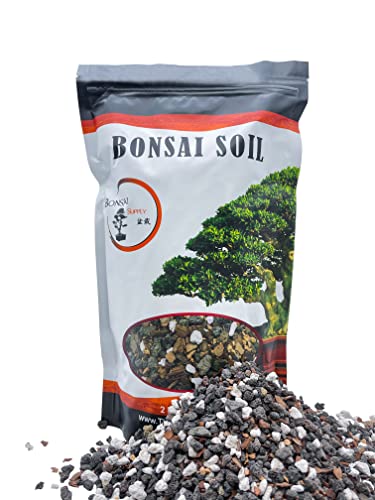
This blend is built on bonsai fundamentals: pumice, lava, calcined clay, and pine bark. That combo is the core of many expert recipes and is a textbook fit for junipers. The particles are gritty and stable, so they keep open air pockets over time. Water moves fast through the mix, while the pine bark and calcined clay hold a little moisture and nutrients. It’s pre-blended and ready to use, which saves time during repot season.
When people ask me what the Best Bonsai Soil For Juniper looks like, I describe a mix very close to this. It has structure you can feel. Roots spread and branch out, then rebound after pruning. If you live in a rainy zone, this fast-draining profile is a relief because it resists waterlogging. In very dry areas, a thin top-dress of sphagnum or more frequent watering will keep growth steady. Overall, it’s a pro-grade blend that makes junipers stronger and easier to manage.
Pros:
- Classic bonsai components in an ideal conifer ratio
- Fast drainage prevents root rot and algae buildup
- Excellent root ramification under training
- Clean, reliable particle sizing
- Holds structure for multiple seasons
- Great base for custom tweaks
Cons:
- Two-quart size may not be enough for larger pots
- Price per quart can be higher than DIY sourcing
- May require top dressing in very arid conditions
My Recommendation
Pick this if you want a fast-draining, classic mix that nails the juniper sweet spot. It helps maintain strong color and back-budding with the right watering rhythm. For serious hobbyists, the control and consistency are worth it. If your goal is the Best Bonsai Soil For Juniper without guesswork, this is a top contender.
| Best for | Why |
| Rainy or humid regions | Gritty, fast flow prevents waterlogging |
| Training-phase junipers | Supports aggressive root pruning and growth |
| Advanced hobbyists | Pro-grade components and particle control |
Tinyroots All‑Purpose Bonsai Soil, 2.25 qt

This Tinyroots bag is their all-purpose version, tuned to work for many bonsai types while still supporting conifers. The structure leans gritty rather than peaty, which is what junipers need. It drains well but keeps enough moisture to buffer hot days. For people who want to keep things simple, it’s an easy one-bag solution. I also like it as a top-off soil when you rake and refresh the surface between repots.
For the Best Bonsai Soil For Juniper, this mix does well out of the bag. It’s not as conifer-specific as the Tinyroots conifer blend, but it gets close and is very user-friendly. If you run a mixed bench with maples, elms, and junipers, you can use this across the board with only slight tweaks. In 2025, more brands are moving toward cleaner, sifted components, and this bag reflects that trend. It supports strong, even watering and keeps roots active.
Pros:
- All-purpose with conifer-friendly drainage
- Clean blend that reduces compaction
- Good for top-offs and surface refreshes
- Reliable year-round availability
- Works for multi-species collections
Cons:
- Not as specialized as conifer-only mixes
- May need extra pumice in very wet climates
- 2.25-qt bag size limits larger projects
My Recommendation
This is a smart pick if you value simplicity and want solid performance for junipers without chasing niche blends. It’s a dependable staple to keep on hand. If you want the Best Bonsai Soil For Juniper at a fair price and with minimal fuss, this checks the box for most home growers.
| Best for | Why |
| Home growers with mixed trees | One blend covers many needs |
| Top-dressing and maintenance | Clean, consistent particles refresh surface layers |
| Budget-conscious buyers | Good value without special ordering |
The Soil Sage Premium Bonsai Mix, 5 qts

The Soil Sage goes premium with a generous 5-quart bag and a blend that reads like a conifer wish list: akadama, pumice, lava rock, and pine bark fines. That’s the proven recipe many bonsai professionals use for junipers. The larger bag is great for repot days and bigger training pots. The components are U.S.-made and ready to use. You can sift for particle uniformity if you want perfection, but it performs well as is.
I consider this a strong candidate for the Best Bonsai Soil For Juniper when you need both quality and volume. It drains fast, breathes well, and holds a stable structure over seasons. The akadama helps with water buffering and nutrient exchange, while pumice and lava keep the mix airy. For trees that are ready to push growth after styling, this mix supports recovery and back-budding. In 2025, as more growers focus on consistent particle sizing, this bag stands out for value and scale.
Pros:
- Premium components: akadama, pumice, lava, pine bark
- Large 5-quart size covers bigger repots
- Excellent drainage and oxygen for juniper roots
- Stable over time; resists compaction
- Good for advanced styling and recovery
Cons:
- May require sifting for exact particle size
- Heavier bag increases shipping cost for some areas
- Premium mix may cost more than small-bag options
My Recommendation
Go with The Soil Sage if you value premium components and need a larger volume. It’s a pro-leaning mix that still suits beginners who want to start strong. For anyone chasing the Best Bonsai Soil For Juniper with a classic akadama-based recipe, this bag hits the target with room to spare.
| Best for | Why |
| Larger junipers or multiple trees | 5 qts and pro components cover big jobs |
| Post-styling recovery | Airy structure supports fine root growth |
| Advanced collectors | Akadama-based mix aligns with expert practice |
FAQs Of Best Bonsai Soil For Juniper
What is the ideal soil mix ratio for juniper bonsai?
A classic ratio is 1:1:1 akadama, pumice, and lava rock. You can add a small amount of pine bark for nutrients. Aim for 3–6 mm (1/8–1/4 inch) particle size.
Can I use regular potting soil for junipers?
No. Potting soil holds too much water and compacts, which starves roots of oxygen. Junipers need a gritty, fast-draining mix designed for bonsai.
How often should I repot a juniper bonsai?
Every 2–3 years for most trees in training. Mature showcase trees may go longer. Repot in late winter to early spring before strong growth.
Do I need to sift bonsai soil?
It helps. Sifting removes dust and very fine particles that slow drainage. You get more consistent watering and healthier roots.
How do I water junipers in a fast-draining mix?
Water thoroughly until it runs out the bottom. Let the top layer begin to dry before watering again. Adjust frequency by season and climate.
Final Verdict: Which Should You Buy?
For a conifer-targeted starter that nails the Best Bonsai Soil For Juniper, Tinyroots Conifer Mix is my easy pick. It drains fast, supports fine roots, and works in many climates.
If you want premium components and a bigger bag, choose The Soil Sage 5 qts. For classic performance at a fair size, The Bonsai Supply mix is also excellent. All three deliver what junipers need most: air, structure, and consistency.
Expert Guidance and Buying Tips
I want you to pick a soil you’ll trust year-round, not only on repot day. To get there, keep a few essentials in mind. The Best Bonsai Soil For Juniper is always fast draining, airy, and stable. It should look and feel gritty in your hand. When you squeeze a damp handful, it should release water and spring apart, not clump like potting soil. In 2025, most top mixes are blends of akadama, pumice, and lava, often with a touch of pine bark fines. Each piece plays a role: akadama buffers moisture and nutrients; pumice adds porosity and holds a little water; lava adds structure and long-term stability; pine bark brings slow nutrient content and slight moisture retention.
Match the mix to your climate. In rainy or humid regions, favor faster drainage with more pumice and lava. In dry, hot regions, a little extra akadama or bark helps prevent rapid dry-down. In cold-winter areas like mine near Denver, the Best Bonsai Soil For Juniper must avoid staying wet as temperatures drop. Wet roots and freezing nights are a bad mix. I water in the morning so foliage and soil can dry by evening. I also lift pots slightly off benches to keep drainage free and avoid standing water. This prevents root rot and fungal growth.
Get the particle size right. For most junipers, I aim for 3–6 mm (1/8–1/4 inch) particles. Finer screens hold more water, which young or shohin trees might need. Larger training pots can handle a mix on the coarser side, which speeds growth. Sifting pays off. Even the Best Bonsai Soil For Juniper benefits from removing dust that can clog air spaces and slow drainage. A few minutes with a soil sieve upgrades any bag into a higher-performance blend.
Watering isn’t a clock; it’s a rhythm. Fast-draining soil means you’ll water more often, but the tree will repay you with vigor. Water thoroughly. Soak the soil until water runs from the drainage holes. Let the top layer begin to dry between sessions. When you get it right, junipers show tight scale foliage, rich color, and steady back-budding. In heat waves, consider a light top-dress of long-fiber sphagnum to reduce surface evaporation. It does not replace the Best Bonsai Soil For Juniper, but it’s a useful accessory for extreme days.
Feed the system. In a gritty mix, nutrients wash through faster than in organic potting soils. Use slow-release organic pellets or light liquid feeds during the growing season. I feed lightly but consistently, adjusting as the tree responds. Healthy roots in great soil will take in nutrients efficiently. You don’t need heavy doses. The Best Bonsai Soil For Juniper lets the roots breathe, drink, and eat at a steady pace.
Repot timing and technique matter. Junipers prefer repotting in late winter to early spring. Work roots carefully. Keep a healthy proportion of fine feeder roots and avoid aggressive reductions in a single session unless the tree is very strong. Anchor the tree well in the pot so roots can knit into the new medium. With the Best Bonsai Soil For Juniper, recovery is faster and growth resumes smoothly.
How to choose among these five
- Pick Tinyroots Conifer Mix if you want a conifer-focused, plug-and-play bag. It’s the safest bet for new owners and a reliable staple for veterans.
- Choose The Soil Sage if you want a premium akadama-based recipe and a larger 5-qt volume for serious work or multiple trees.
- Grab The Bonsai Supply mix for a classic, fast-draining blend that supports strong root ramification and training.
- Use Tinyroots All-Purpose for top-offs, mixed benches, and simple, steady performance without overthinking it.
- Try Perfect Plants if you want flexibility and a forgiving water curve while you learn your tree’s needs.
Common pitfalls and how to avoid them
- Overwatering in a fast-draining mix. Water deeply, then wait for the surface to begin drying. Watch the foliage, not just the clock.
- Using heavy, organic potting soil. Junipers want grit and air. The Best Bonsai Soil For Juniper looks nothing like houseplant mix.
- Skipping sifting. Even a great blend improves with a quick sift to remove dust and fines.
- Ignoring climate. Adjust ratios by region. More lava and pumice in wet zones; a touch more akadama or bark in dry heat.
- Delaying repots too long. Every 2–3 years is typical for trees in training; check root mass and adjust.
Signs your soil is working
- Even drying in 1–3 days depending on pot size and weather
- Rich green foliage with tight scales on junipers
- Strong back-budding after styling and pruning
- Minimal algae or moss unless you add it intentionally
- Visible fine roots colonizing the soil without matting
Updated for 2025: what changed?
Supply chains stabilized, and more U.S.-sourced pumice and lava are available with consistent grading. Akadama quality has held steady in well-known lines. Many blends now arrive cleaner, with fewer fines, which is exactly what the Best Bonsai Soil For Juniper needs. As a result, you’ll find more ready-to-use options that only need minor tweaks for your climate.
Final buying tip
Start with a base that fits your weather, then fine-tune. Keep a small stash of extra pumice, lava, and pine bark fines. With these, you can adjust any of the mixes above to dial in the Best Bonsai Soil For Juniper for your tree, location, and schedule. Your juniper will tell you when you’ve nailed it—steady growth, vivid color, and that satisfying, even dry-down after watering.