Best Bonsai Soil For Pepper Plant: Pro Mixes & Care Tips
Fast-draining, gritty bonsai mix with pumice, lava, and akadama suits pepper plants best.
You love peppers for their glossy leaves, fragrant blooms, and bright fruit, but keeping a pepper plant compact and happy in a bonsai pot is tough. Water can pool. Roots can suffocate. Growth can stall. The right soil stops that. A fast-draining, airy mix gives roots oxygen, holds just enough moisture, and prevents rot. It also keeps nutrients stable, so your pepper sets flowers and fruit without stress. In this review, I break down the Best Bonsai Soil For Pepper Plant options, explain what works in different homes and climates, and help you pick a mix you can trust for strong growth and clean, compact roots.
Perfect Plants Bonsai Soil, 2 qts

This compact 2-quart bag is great for a single pepper bonsai or a small repot. The mix is designed for bonsai, so it drains fast and holds air around roots. It blends natural components that resist compaction, which peppers need in shallow pots. I found it easy to wet and re-wet, which matters during hot spells.
For capsicum bonsai, I like to keep moisture steady but not soggy. This mix helps you do that without constant worry. It suits windowsill growers and balcony gardeners who want a clean, ready blend. If you need a trial size to test on one plant, this is a safe and simple pick.
Pros
- Fast-draining structure prevents root rot in tight pots
- Good aeration keeps pepper roots oxygenated
- Small bag is ideal for one or two plants
- Resists compaction over time
- Easy to hydrate and rehydrate between waterings
Cons
- Not cost-effective for many plants
- May need added grit in very humid homes
- Composition varies slightly by batch
My Recommendation
Choose this if you have one pepper bonsai and want a no-fuss soil. It is a good starter choice for indoor growers who tend to overwater. For very arid climates, blend in 10–20% coconut coir to hold a bit more moisture. It earns a spot in any list of the Best Bonsai Soil For Pepper Plant thanks to its balance of drainage and ease.
| Best for | Why |
|---|---|
| First-time pepper bonsai | Ready to use, forgiving moisture profile |
| Small repots | 2-quart size reduces waste and cost |
| Overwater-prone growers | Drains fast, protects roots from rot |
Perfect Plants Bonsai Soil, 8 qts USA

This larger bag uses the same all-purpose approach but suits multiple plants or a larger training pot. It offers strong drainage and a gritty texture that peppers love. The small-batch U.S. production helps with quality control. Media pieces are even, so water moves through the profile without pooling.
If you have several pepper bonsai or want to refresh the top layer often, this size saves time and money. I like the way it supports fine feeder roots while keeping the core airy. You can also amend it easily with coir or extra pumice to match your climate. It is a reliable baseline for a custom pepper mix.
Pros
- Economical for multiple plants
- Even particle size promotes clean flow
- USA-made small batches
- Blends well with coir or extra grit
- Good for seasonal top-dressing
Cons
- Bag takes storage space
- Not as specialized as pure akadama/pumice blends
- May need sifting for tiny training pots
My Recommendation
Pick this if you manage a small collection of peppers in bonsai pots. It is also smart for growers who refresh soil each season. As part of the Best Bonsai Soil For Pepper Plant options, it balances value and performance. Keep a small bucket handy to mix in coir or bark for added moisture control.
| Best for | Why |
|---|---|
| Multi-plant setups | 8 quarts covers several repots |
| Balanced drainage | Gritty structure suits peppers |
| Budget-minded hobbyists | Lower cost per quart |
The Bonsai Supply All-Purpose Mix, 2 qts
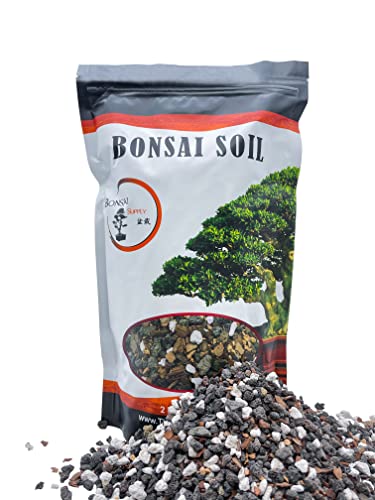
This mix lists pumice, lava rock, calcined clay, and pine bark. That blend hits the sweet spot for pepper bonsai. You get sharp drainage from the rock and steady moisture from the bark and clay. The particles are uniform, so roots branch cleanly in the pot.
I like how it hydrates without turning mushy. It is also easy to sift for very small bonsai. For peppers in hot rooms or bright patios, this mix keeps roots cool and aired. It is a proven recipe that many bonsai artists trust.
Pros
- Classic bonsai recipe suits peppers well
- Good water retention without sogginess
- Strong aeration for fine roots
- Easy to sift for small mesh pots
- Clean, low-dust packaging
Cons
- 2 quarts may not be enough for large repots
- May dry fast in windy spots
- Price per quart is mid-to-high
My Recommendation
If you want a balanced, bonsai-first blend for a fruiting pepper, start here. It supports blooms and fruit set by keeping the root zone steady. It is one of the Best Bonsai Soil For Pepper Plant choices for growers who water often and like fast response. Add a bit more bark if you live in a very dry climate.
| Best for | Why |
|---|---|
| Active fruiting peppers | Stable moisture and air help fruit set |
| Warm patios | Rocks keep roots cool and aired |
| Fine ramification | Uniform particles encourage feeder roots |
Premium All-Purpose Bonsai Blend, 2.2 qts

This pre-mixed blend includes lava, limestone pea rock, calcined clay, and pine bark. It is made in the USA and comes ready to use. The structure is gritty and open, which peppers like. The pine bark helps with steady hydration during hot weeks.
Note that limestone can raise pH slightly. Most peppers prefer a range of about 6.0–6.8. I suggest monitoring runoff with strips during the first few weeks. If pH trends high, add a touch of akadama or coir to bring it back down.
Pros
- Open, breathable structure
- Good hydration from bark and clay
- USA-made consistency
- Works out of the bag, no mixing needed
- Great for top-dressing to refresh old soil
Cons
- Limestone may lift pH over time
- Pea rock can be large for tiny pots
- May need sifting for shohin bonsai
My Recommendation
Use this if you like a rugged, long-lasting mix and do simple pH checks. It is solid for pepper growers who water daily in summer. It belongs among the Best Bonsai Soil For Pepper Plant picks due to its clean flow and strong root aeration. Keep pH in range and your peppers will thrive.
| Best for | Why |
|---|---|
| Hot, sunny spots | Open mix prevents heat stress on roots |
| Long intervals between repots | Rugged stones hold shape |
| Hands-on hobbyists | Easy to tweak pH with small amendments |
Omitgoter Bonsai Soil Mix, 1 qt

This ready mix blends akadama, lava rock, pumice, and bark. It is a proven formula for bonsai and works well for peppers. The 1-quart size is perfect for seedlings or a small pot upgrade. The akadama gives gentle moisture control without smothering roots.
I found the particle size suitable for compact, training-phase peppers. It drains very fast, so plan to water more often in summer. For indoor growers with stable temps, it offers tight control over wet/dry cycles. That control helps reduce blossom drop and fruit stress.
Pros
- Classic components for peppers in bonsai pots
- Good for seedlings and small pots
- Fast drainage limits root issues
- Akadama buffers moisture and nutrients
- Clean, low-dust, easy to pour
Cons
- Small volume for larger projects
- May dry too fast in high wind
- Needs light fertilizing during fruiting
My Recommendation
Get this if you are starting pepper bonsai from seed or small nursery plants. It is also nice for shohin or mame sizes. As one of the Best Bonsai Soil For Pepper Plant options for tiny pots, it gives ideal control. Feed lightly and water on a rhythm, and you will see steady growth.
| Best for | Why |
|---|---|
| Seedlings | Gentle moisture and air balance |
| Small training pots | Fine particles suit small mesh |
| Indoor setups | Predictable wet/dry cycles |
Bonsai Jack Gritty Mix, 2 qts
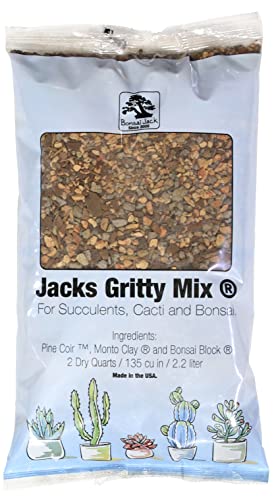
This well-known gritty mix is famous for fast drainage and root oxygen. It is pH-optimized and resists breakdown. For peppers, it is a powerful base, especially if you have heavy hands with water. The inert nature of the mix puts you in control of feeding and watering.
However, peppers do like a bit more steady moisture than succulents. I suggest blending in 10–30% fine pine bark or coconut coir. That tweak makes it outstanding for productive, compact plants. The result is strong roots and fewer fungal worries.
Pros
- Top-tier drainage and aeration
- Stable pH profile over time
- Resists compaction and fines
- Ideal for overwaterers
- Great base for custom blends
Cons
- Too dry for peppers if used straight
- Higher price point
- May need sifting for very small pots
My Recommendation
Pick this if you want maximum control and don’t mind a simple amendment. Mix in bark or coir for pepper-friendly moisture. Then you have one of the Best Bonsai Soil For Pepper Plant setups for consistent, disease-free growth. It is perfect for growers who like dialing in inputs.
| Best for | Why |
|---|---|
| Overwatering habits | Ultra-draining mix prevents rot |
| Custom blending | Inert base accepts additives well |
| Disease prevention | Low organic load thwarts fungus |
The Soil Sage Premium Bonsai Mix, 5 qts

Made in the USA, this blend features akadama, pumice, lava rock, and fine pine bark. It is a large, ready-to-use bag, which suits repot season. The fine bark adds a touch of water hold for peppers while the grit keeps airflow high. I like the even texture for building tight, radial root pads.
This mix shines in mid-size pots where peppers enter a strong fruiting phase. You can feed lightly and often since the medium stays open. If you live in a cool, humid area, it still drains clean and fast. It balances structure, moisture, and ease better than many mixes.
Pros
- Well-balanced for peppers in bonsai form
- Large bag for multiple projects
- Fine bark aids moisture without clogging
- Even particle sizing
- USA-made reliability
Cons
- May be too moisture-retentive in very humid rooms
- Needs regular fertilizing during fruiting
- Bag size may be overkill for one plant
My Recommendation
Use this for established pepper bonsai that you want to push into bloom and fruit. It keeps roots happy while you feed and water on schedule. It stands out in my list of the Best Bonsai Soil For Pepper Plant because it supports vigor without bloat. Store sealed to keep dust and moisture out.
| Best for | Why |
|---|---|
| Fruiting phase | Moisture buffer helps set pods |
| Mid-size training pots | Even texture builds root pads |
| Cool climates | Still drains well in humid air |
Coconut Coir Potting Soil Discs, 3.5 qts

These coir discs expand with water and give a clean, peat-free base. Coir has a stable pH, holds moisture, and resists shrinkage. On its own, it is not “bonsai soil,” but mixed with pumice and lava, it becomes great for peppers. It is light, simple to store, and easy to re-wet.
For dry homes or growers who travel, coir helps reduce water swings. I mix coir at 20–40% with a gritty bonsai blend. That pairing keeps peppers firm and fruiting without wilt. It is also a nice top layer to reduce evaporation and stabilize new transplants.
Pros
- Holds moisture without getting soggy
- Neutral to slightly acidic pH suits peppers
- Expands on demand, low storage needs
- Great amendment for gritty mixes
- Helps prevent hydrophobic dry-outs
Cons
- Not a full bonsai mix by itself
- Some batches may need buffering for salts
- Can hold too much water if used heavy
My Recommendation
Get these discs to customize any gritty bonsai soil for a pepper-friendly profile. Add 20–30% coir if your plant wilts between waterings. This combo is one of the Best Bonsai Soil For Pepper Plant strategies in dry homes. Rinse and soak discs well before use for best results.
| Best for | Why |
|---|---|
| Dry indoor air | Coir slows evaporation |
| Travel schedules | More buffer between waterings |
| Custom mixes | Pairs well with pumice/lava |
Agra Life Premium Bonsai Soil, 4 qts

This organic-leaning bonsai mix aims for healthy indoor growth. It targets a balance of drainage and gentle nutrient retention. For peppers, that means fewer swings in moisture and feeding. I like it for windows and grow lights where temps stay moderate.
The texture is still open enough for clean root pads. During bloom and fruiting, peppers need calcium and magnesium. This medium responds well to light, frequent feeding with those elements. The 4-quart bag works for one or two mid-size repots.
Pros
- Balanced for indoor bonsai
- Holds nutrients without clogging
- Good fit for moderate watering styles
- Clean, low-odor mix
- Amends easily with pumice if needed
Cons
- May be too moisture-holding in very low light
- Not as rugged as pure rock mixes
- Can need extra grit in humid regions
My Recommendation
Choose this if your peppers live under lights or near bright windows. It supports steady growth with fewer shocks. In my shortlist of the Best Bonsai Soil For Pepper Plant, it is the “indoor specialist.” Add a cup of pumice per quart if you want even faster flow.
| Best for | Why |
|---|---|
| Indoor set-ups | Balances air, moisture, and nutrients |
| Moderate caretakers | Forgives small watering errors |
| Under grow lights | Stable media supports regular feeding |
Doter Bonsai Soil Mix, 1 qt

This small-bag bonsai soil is built for ease and quick use. It suits seedlings, cuttings, or starter kits. The structure is open enough to stop waterlogging yet holds a thin film of moisture. For pepper starts, that balance helps roots grow fast and strong.
I like this size for top-offs and small pot refreshes too. You can spot-replace tired soil around the root ball without a full repot. That helps reduce transplant shock and blossom drop. It is an easy way to keep small peppers perky and blooming.
Pros
- Simple and ready to use
- Ideal for small pots and starters
- Good drainage for sensitive roots
- Useful for top-dressing maintenance
- Low mess for indoor work
Cons
- Not enough for big projects
- May need more grit for very wet areas
- Feeding is needed during fruit set
My Recommendation
Grab this as your “pepper starter” bag. It keeps small plants happy while you train your bonsai form. In my notes on the Best Bonsai Soil For Pepper Plant, this is the handy, low-commitment pick. Keep a bottle of balanced liquid feed nearby for best results.
| Best for | Why |
|---|---|
| Starters and kits | Right size and texture |
| Top-dressing | Quick refresh without full repot |
| Indoor hobbyists | Clean and simple to use |
FAQs Of Best Bonsai Soil For Pepper Plant
What soil pH do pepper bonsai prefer?
Most peppers grow best in pH 6.0–6.8. Test runoff after watering and adjust with akadama or coir if needed.
How often should I water peppers in bonsai soil?
Water when the top 1 inch feels dry. In hot weather, that may be daily. In cool rooms, every 2–3 days.
Should I add fertilizer to bonsai soil for peppers?
Yes. Use a light, balanced feed with calcium and magnesium. Feed more often during bloom and fruit set.
Can I use regular potting soil for pepper bonsai?
Avoid it. Regular soil holds too much water in shallow pots. Use a gritty mix with rock and bark.
What mix ratio works well for pepper bonsai?
A simple start: 40% pumice, 30% lava, 20% akadama, 10% pine bark. Add 10–20% coir in dry homes.
Final Verdict: Which Should You Buy?
If you want a ready, balanced blend, The Bonsai Supply All-Purpose Mix is my top pick for the Best Bonsai Soil For Pepper Plant. It keeps roots airy and moisture steady.
For custom control, choose Bonsai Jack and add 20–30% coir or bark. In dry homes, pair a gritty mix with coir discs. Your peppers will stay compact, bloom well, and fruit on time.
