
Best Bonsai Tree Fertilizer For Winter Season: 2026 Guide

Choose low-nitrogen, slow-release pellets or a gentle 3-1-2 liquid.
Winter slows your bonsai, but it does not stop its needs. Dry indoor air, short days, and cooler roots all strain a tree’s energy. The right winter fertilizer keeps reserves up without forcing soft, risky growth. I have tested many options across dormancy, under lights, and on evergreens that never sleep. In this guide, I break down the Best Bonsai Tree Fertilizer For Winter Season for each setup. You will see which slow-release pellets, liquids, and foliar mists keep foliage steady, roots strong, and buds safe for spring.
Gentle Slow-Release Bonsai Pellets (5 oz)

When cold weather hits, I reach for gentle pellets first. Slow-release bonsai pellets trickle nutrients as you water. They do not shock roots or push lanky growth. They also hold well in small baskets, which keeps your top dressing neat and clean.
As a winter feed, pellets shine for outdoor evergreens and indoor bonsai that sip food. You can place a few pellets around the root zone and forget them for weeks. This lowers salt buildup and cuts the risk of fertilizer burn. It also pairs well with reduced winter watering.
Pros
- Winter-safe, low burn risk for resting trees
- Feeds gradually with each watering cycle
- Great for evergreens that stay semi-active
- Easy dosing with baskets; tidy surface
- Stable nutrition for root energy and bud set
- Less salt stress in small bonsai pots
- Works for both indoor and outdoor setups
Cons
- Not a fast fix for pale leaves
- Can draw fungus gnats if overused
- May leave residue on moss if pellets touch it
My Recommendation
This is the best match for growers who want set-and-forget winter care. I like it most on junipers, pines, and other evergreens that keep sipping in the cold. It is also safe for indoor ficus, jade, and schefflera when days are short. If you need the Best Bonsai Tree Fertilizer For Winter Season that will not push weak shoots, start here. It feeds steady. It keeps roots calm. It saves time on busy weeks.
| Best for | Why |
|---|---|
| Outdoor evergreens in cold months | Slow release suits low uptake and avoids soft growth |
| Indoor bonsai with reduced light | Gentle trickle feeding prevents salt and burn |
| Busy owners | Place-and-forget dosing cuts winter chores |
Liquid Bonsai Plant Food, 8 oz

This liquid plant food is a good pick for indoor bonsai that keep growing. Short days and indoor heat can dull color and slow roots. A light liquid feed brings back vigor without forcing lush growth. I like to dilute it more than the label in winter.
The bottle makes winter dosing simple. You can measure a cap, mix with warm, dechlorinated water, and feed after a full watering. Leaves keep their shine, and roots stay active. Salt build-up is low when you use a weak mix on a set schedule.
Pros
- Easy to measure and dilute for winter
- Quick uptake for indoor tropical bonsai
- Helps keep color on ficus and jade
- Low salt stress when mixed at half strength
- Pairs well with grow lights and humidifiers
- Works between pellet feeds as a gentle boost
Cons
- Needs regular mixing; more work than pellets
- Overfeeding can cause soft, leggy shoots
- Not ideal for deep-dormant deciduous trees
My Recommendation
Choose this if you grow indoor bonsai that still push leaves in winter. Ficus, sweet plum, and serissa respond well to a gentle liquid plan. It is a smart complement to slow pellets on evergreens too. For many homes, this will feel like the Best Bonsai Tree Fertilizer For Winter Season because it adapts to any rhythm. You set the dose, watch the tree, and adjust fast if light or heat shifts.
| Best for | Why |
|---|---|
| Indoor tropical bonsai | Light dilution keeps steady growth under low light |
| Growers who micro-adjust | Fine control of strength and timing |
| Boosting color mid-winter | Faster leaf response than pellets |
Gardenera 3-1-2 Bonsai Spray Mist, 8 oz

A 3-1-2 foliar mist fits winter like a glove when roots slow down. I use it on indoor bonsai that hate cold media. A light spritz delivers a small dose right to the leaves. It is quick, clean, and easy to stop if light dips for a week.
The 3-1-2 ratio mirrors what many houseplants use best. It supports color, not big bursts of growth. It also helps when you see pale tips or slight chlorosis. I mist in the morning so leaves dry fast. That keeps spots and fungus at bay.
Pros
- Gentle 3-1-2 ratio suits winter needs
- Targets leaves when root uptake is slow
- Great between soil feeds; fast tweak tool
- Easy to pause in low light spells
- Boosts sheen on ficus, carmona, schefflera
- Low mess; no pellets on moss or akadama
Cons
- Not a full replacement for root feeding
- Over-misting can cause leaf spots or mildew
- Less ideal for hairy or waxy leaves
My Recommendation
Pick this if you want fine control with a soft touch. I like it for growers who move trees or shift lights in winter. It is a kind, small nudge for color and leaf health. If you want the Best Bonsai Tree Fertilizer For Winter Season that you can “turn off” in a stormy week, this spray is perfect. It slots into any plan and smooths rough patches with low risk.
| Best for | Why |
|---|---|
| Indoor bonsai with slow roots | Leaf feeding bypasses cold media limits |
| Color tune-ups mid-winter | 3-1-2 gives balanced, light support |
| Flexible, low-commitment feeding | Easy to pause or tweak at any time |
3-1-2 Professional Bonsai Liquid Concentrate, 8 oz

This pro-grade 3-1-2 concentrate is my winter lab tool. I can set exact ppm and scale based on each tree. It plays well with soft water and rainwater. It helps maintain roots, color, and buds with low risk of surge growth.
Use it at quarter to half strength in winter. That is enough for indoor tropicals and light evergreen feeding. The concentrate format saves money and shelf space. I use it for mixed benches where each bonsai needs a custom plan.
Pros
- 3-1-2 ratio aligns with steady winter needs
- Precise dilution for each species
- Economical concentrate; many batches per bottle
- Pairs with pellets or foliar mists
- Supports roots and bud prep for spring
- Good consistency for sensitive species
Cons
- Requires measuring tools for best control
- Too strong a mix can cause tip burn
- Not needed for fully dormant deciduous trees
My Recommendation
Get this if you like data and tight control. I recommend it for large collections and for growers who track EC or TDS. It is ideal for pairing with slow-release pellets on benches that span indoor and outdoor trees. For many, this is the Best Bonsai Tree Fertilizer For Winter Season because it adapts to species, light, and heat on the fly. You set the plan, and the concentrate follows your lead.
| Best for | Why |
|---|---|
| Advanced growers and collectors | Fine control of ppm and timing |
| Mixed benches (indoor + outdoor) | One bottle can match many needs |
| Budget-conscious planners | Concentrate format goes a long way |
The Bonsai Supply All-Purpose Fertilizer, 1.8 lb
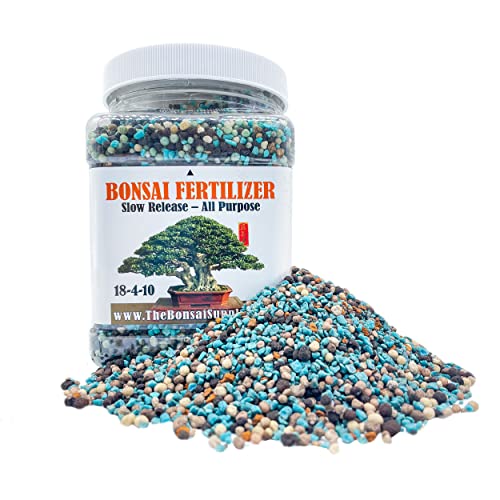
This all-purpose bonsai fertilizer offers quick, clear results in the growing season. In winter, I use it with care and in small doses. The mix has micronutrients that help leaf sheen and root tone. As days lengthen, it also bridges you into spring feeding.
For evergreens that do not sleep, a reduced winter dose works well. I like to tuck a small amount in baskets off the trunk line. That avoids moss burn and keeps salts away from fine feeder roots. It is a solid year-round bag when you adjust the rate.
Pros
- Includes micros for complete nutrition
- Simple to measure for any pot size
- Pairs with baskets for tidy application
- Good for evergreen bonsai in bright winter light
- Bridges winter into spring with ease
- Large bag; great value for collections
Cons
- Stronger than needed for deep dormancy
- Overuse can mar moss or topsoil
- Heavier bag; more storage space needed
My Recommendation
Choose this if you want one fertilizer that can run all year with tweaks. It is best for evergreens and indoor trees that get good light in winter. Cut the dose in cold months, then ramp up as buds swell. For many hobbyists, this bag becomes the Best Bonsai Tree Fertilizer For Winter Season because it is flexible, complete, and cost-smart. It is easy to learn and tough to misuse when you stay light.
| Best for | Why |
|---|---|
| Evergreens with winter light | Reduced dose keeps vigor without surge |
| Year-round feeding plan | One bag covers winter to spring |
| Value-focused growers | Large size, steady results, easy dosing |
FAQs Of Best Bonsai Tree Fertilizer For Winter Season
Should I fertilize bonsai in deep winter?
Yes, but lightly and only if the tree is active. Indoor tropicals and outdoor evergreens can get gentle feeds. Skip or reduce for fully dormant deciduous trees.
What NPK ratio is best for winter?
A low-nitrogen balance works well. A 3-1-2 style liquid or mild pellets support roots and color without soft growth.
How often should I feed in winter?
Less than in summer. Use slow-release pellets monthly or liquids at quarter to half strength every 3–4 weeks. Always watch light and temperature.
Is foliar feeding safe in cold months?
Yes, in moderation. Mist in the morning so leaves dry fast. Do not spray in direct sun or on hairy leaves.
Can I mix pellets and liquid in winter?
Yes. Use pellets for a base trickle. Add a weak liquid or foliar mist if leaves fade. Keep total nitrogen low.
Final Verdict: Which Should You Buy?
If you want set-and-forget winter care, pick the gentle slow-release pellets. They are the Best Bonsai Tree Fertilizer For Winter Season for evergreens and busy owners.
If you like fine control, use a 3-1-2 liquid or the Gardenera mist. Both keep color steady without forcing growth and fit mixed indoor setups.
How I choose the Best Bonsai Tree Fertilizer For Winter Season
I weigh light, species, and dormancy. Then I match the feed to the tree’s pace. That is the core of my winter method. Here is the checklist I use and teach to my students and clients.
- Tree type: deciduous, evergreen, or tropical
- Location: indoor, outdoor, or cold frame
- Light: hours per day and intensity
- Temperature range: room or outdoor lows
- Water quality: tap, filtered, rain, or RO
- Pot size and soil: drainage, akadama ratio, moss cover
- Current growth: buds swelling, color, or leaf drop
Deciduous bonsai in deep dormancy need little to no fertilizer. I wait until late winter when buds swell. Then I start very light feeding to prime spring push. For indoor tropicals, I keep a soft flow all winter. For evergreens, I use a trickle plan that supports roots and color. These are the broad rules I apply when picking the Best Bonsai Tree Fertilizer For Winter Season for any bench.
Why low nitrogen in winter? Nitrogen drives top growth. In cold months, that growth turns tender and weak. It also steals energy from roots. A low-N, balanced feed keeps roots strong and leaves stable. Your spring push is better when winter was calm. This is the logic behind 3-1-2 liquids and gentle pellets.
I also change how I apply fertilizer. Cold media can slow root uptake. So I favor foliar mists on gray weeks. When I see light improve, I shift to root feeds. The Best Bonsai Tree Fertilizer For Winter Season will allow both routes, either in one product line or by pairing a pellet with a liquid or spray.
Water and salt control matter in winter. Pots dry slow and salts can build fast. I water with warm, dechlorinated water, and I flush the pot every few weeks. That keeps the soil alive. It also prevents burnt tips. Combined with a gentle feed, it is a safe path through the cold.
Here is a simple winter plan you can copy and then adjust. It works for most homes and mild winters. Use it as a start point for the Best Bonsai Tree Fertilizer For Winter Season routine.
- Indoor tropicals: Half-strength 3-1-2 liquid every 3–4 weeks. Optional foliar mist once per week in bright morning light.
- Outdoor evergreens: Slow-release pellets at 50–75% of summer rate. Water deeply when above freezing. Skip feeds in hard cold snaps.
- Deciduous bonsai: No feed in deep dormancy. Resume with very light 3-1-2 as buds swell late winter.
Signs to reduce fertilizer now: soft, pale new shoots; long internodes; sticky sap; or salt crust on soil. Signs to add a little: dull leaf color, slight chlorosis, or weak bud swell as light returns. The Best Bonsai Tree Fertilizer For Winter Season keeps your tree in a steady lane, not in the fast lane.
I love pellet baskets for winter, too. They hold pellets off moss and prevent gnat issues. For liquids, I pre-wet the soil first. That avoids root shock and helps an even pull through the media. For foliar, I mist leaves top and bottom and let them dry by noon.
Match the product to your habit. If you are busy, choose pellets. If you enjoy fine-tuning, use a 3-1-2 liquid. If your light shifts, keep a foliar spray ready. The Best Bonsai Tree Fertilizer For Winter Season is the one you will use right, on time, and in the right dose. With that, your tree will greet spring with tight internodes, rich color, and strong buds.
As days lengthen, ease into spring feeding. Do not jump from winter trickle to summer flood in one go. I raise dose in two or three steps. I watch for compact growth and clean leaf edges. If I see that, I know winter care worked. The Best Bonsai Tree Fertilizer For Winter Season paved the way. Now the show begins.
