
Best Cat Litter For Bonsai Soil: Top Picks & Tips 2026

The best cat litter for bonsai soil is hard‑fired, non‑clumping granules.
You love the look of perfect bonsai, but good akadama or pumice can be hard to source or pricey. That is why so many growers search for the Best Cat Litter For Bonsai Soil as a budget fix. The trick is picking the right texture and the right material. I have tested clays, zeolite, and even corn. I have sifted, soaked, and repotted. Below, I show what actually works, what to skip, and how to blend or grade particles so your trees stay happy and roots stay healthy.
Dr. Elsey’s Ultra Unscented Litter, 40 lb

Dr. Elsey’s Ultra is a clumping, sodium bentonite clay litter. It is popular for its tight clumps and low dust. The grains are mid‑sized and fairly even. The bag is large and cost per pound is low.
For bonsai use, I treat this as a teaching tool, not a mix base. Bentonite swells in water. It can turn gummy and choke roots. If you try it, limit it to small tests. Use a very low ratio, and only with very fast media like lava and large pumice.
Pros
- Consistent particle size out of the bag
- Very low dust for a clay litter
- Easy to find and budget friendly
- Unscented, no perfumes near plants
- Useful for drainage experiments when well diluted
Cons
- Clumping sodium bentonite swells and compacts
- Not suitable as a main bonsai substrate
- Heavy bag and heavy when wet
My Recommendation
If you need a cheap practice medium to test watering, this can help in tiny amounts. It is not the Best Cat Litter For Bonsai Soil in a real mix. Use it only with large, inert rock. Keep it under 10% by volume. For most trees, pick fired clay, pumice, or zeolite instead.
| Best for | Why |
|---|---|
| Drainage tests | Cheap, uniform granules for small trials |
| Anchoring topdressing | Grain weight holds moss or grit in place |
| Short‑term training pots | Use only when mixed very lean with rock |
Dr. Elsey’s Ultra Unscented Litter, 18 lb

This is the same Ultra formula, but in an 18 lb bag. The smaller size is easier to lift. It pours cleaner and stores in a closet or on a shelf. For cat owners, it is a good value and simple to carry.
For bonsai, the same rules apply. This is clumping bentonite. It can break down and hold too much water. Use only as a small additive in a coarse, fast mix. Sift out fines with a 1/8 inch screen before any trial.
Pros
- Portable bag for small spaces
- Low dust and unscented
- Uniform grains help with controlled tests
- Budget friendly for practice blends
- Easy to find in many stores
Cons
- Clumping clay can suffocate roots
- Breaks down under freeze‑thaw cycles
- Not a safe long‑term substrate
My Recommendation
Pick this size if you only need a little for controlled trials. It is still not the Best Cat Litter For Bonsai Soil in any core recipe. Try a tiny test on a hardy nursery stock first. Watch water flow and root color. Move to zeolite or fired clay once you see the limits.
| Best for | Why |
|---|---|
| Small batch experiments | Light bag and enough for tests |
| Short term moisture tweak | Can boost hold in a very gritty mix |
| Learning sifting | Shows how fines affect drainage |
Perfect Plants Bonsai Soil, 2 qts

This mix is built for bonsai from the start. It blends pine bark with coarse, fast‑draining minerals. The bag is small, so it suits one or two small repots. It pours clean and has stable grains.
If you are hunting the Best Cat Litter For Bonsai Soil as a shortcut, this saves you the guesswork. It drains fast and holds air in the root zone. It suits juniper, ficus, elm, and more. You can add pumice for larger trees if you need more lift.
Pros
- Ready to use out of the bag
- Balanced blend for water and air
- Good for a wide range of species
- Clean, low dust, consistent particles
- Great starter size for first repot
Cons
- Small volume for large trees
- May need extra pumice for arid homes
- Price per quart is higher than bulk
My Recommendation
Use this when you want a no‑stress repot and a proven base. It beats any clumping litter by a mile. It is close to what most clubs teach to beginners. For many hobbyists, this is the Best Cat Litter For Bonsai Soil replacement because you skip litter and go straight to purpose‑made media.
| Best for | Why |
|---|---|
| Beginners | Ready blend with safe drainage |
| Small bonsai | 2 qts covers small pots well |
| Indoor species | Clean mix reduces fungus gnats |
Cat’s Pride Antibacterial Clumping Litter, 12 lb

This is a scented, antibacterial, clumping clay litter. It locks odor well and forms light clumps. The jug is easy to pour and store. As a litter, it does its main job very well.
For bonsai soil, I do not advise it. Antibacterial agents can harm root‑zone microbes. Scent can bother you and your grow space. As a plant medium, it compacts. If you need a litter for your cat near your trees, this keeps the room fresh, but keep it away from pots.
Pros
- Strong odor control in cat areas
- Lightweight and easy to pour
- Fine clumps for quick scooping
- Low dust for indoor use
- Good price for daily litter needs
Cons
- Not safe for soil biology
- Clumping clay compacts and swells
- Scented formula not ideal near plants
My Recommendation
Use this as a home litter, not as media. It is not the Best Cat Litter For Bonsai Soil or any plant project. Keep your grow area healthy and scent free by using this only in the box. For soil, pick zeolite, pumice, lava rock, or a bonsai blend.
| Best for | Why |
|---|---|
| Cat odor control | Antibacterial action targets odor bacteria |
| Small spaces | Light jug and clean pour |
| Busy owners | Fast clumps save time |
HIPULX 5‑in‑1 Soil Sifter Set
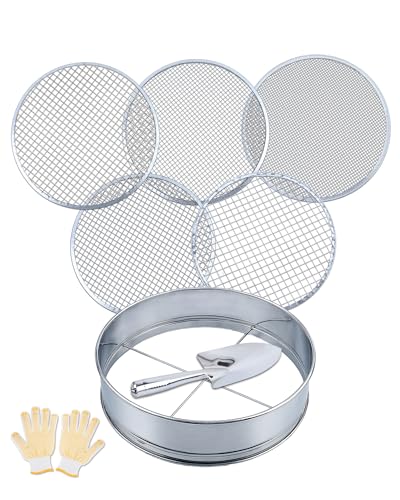
This sifter set includes five stainless screens from 1/8 to 1/2 inch. It is wide, so you can process a good volume. The metal is sturdy and easy to clean. It comes with a small shovel for quick transfer.
Sifting is the secret when using the Best Cat Litter For Bonsai Soil substitutes. You remove fines that clog air spaces. You also grade to match pot size and species. With this set, you can turn pumice, lava, and even some litters into a proper bonsai particle range.
Pros
- Five mesh sizes for precise grading
- Durable stainless steel screens
- Large diameter speeds up sifting
- Easy to clean and stack
- Helps standardize your mix every time
Cons
- Takes storage space
- Arm work if you process big batches
- Initial cost vs. DIY screens
My Recommendation
If you plan to mix your own media, get a sifter first. It is a bigger upgrade than any one ingredient. It turns average media into a pro‑level mix. If you seek the Best Cat Litter For Bonsai Soil alternative, this tool lets you tune size and airflow like a pro.
| Best for | Why |
|---|---|
| Custom mixes | Grade particles to your tree and pot |
| Reducing fines | Improves drainage and oxygen |
| Training beginners | Shows the value of particle size |
Purrified Air Bulk Zeolite, 2 lb

Zeolite is a porous mineral with high cation exchange capacity. It holds ammonium and trades nutrients with roots. It is hard‑fired and does not turn to mush. This 2 lb bag is pure and easy to blend.
For bonsai, zeolite is a star. It improves nutrient hold without hurting drainage. Mix it with pumice and lava. If you came looking for the Best Cat Litter For Bonsai Soil, choose zeolite instead. It gives the same idea as fired clay litters, but with plant‑safe traits.
Pros
- Stable, hard granules that resist breakdown
- High CEC helps hold and release nutrients
- Great for root health and aeration
- Works for many bonsai species
- Clean and easy to mix at home
Cons
- Small bag for larger trees
- May need sifting to match particle size
- Cost per pound higher than bulk rock
My Recommendation
Use zeolite at 10–30% in most mixes. It is safe and effective. It is one of the best ways to replace akadama in tough climates. For me, this is closer to the Best Cat Litter For Bonsai Soil than most true litters because it is made for filtration and soil health.
| Best for | Why |
|---|---|
| Nutrient buffering | High CEC holds ammonium and K+ |
| Root vigor | Porous, stable granules keep air high |
| Akadama alternative | Less breakdown in heat and freeze |
Bonsai Jack Gritty Mix, 2 qts
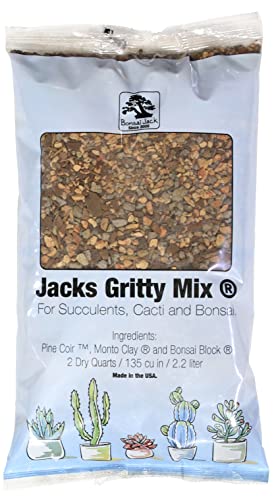
Bonsai Jack’s gritty mix is famous for fast drainage. It uses screened components with optimized pH. The grain size is tight and very clean. It helps prevent root rot in wet homes or cool seasons.
If you want the Best Cat Litter For Bonsai Soil alternative at a high level, this is a top pick. It is consistent bag to bag. It works right away and needs little change. For water heavy trees, blend in some bark for a touch more hold.
Pros
- Fast draining to fight root rot
- Consistent, screened particle size
- Optimized pH for bonsai species
- Low dust and clean to use indoors
- Proven track record with hobbyists
Cons
- Premium price per quart
- May dry fast in arid rooms
- Small volume for big repots
My Recommendation
Choose this if you want a safe, high‑performance base. It is hard to beat for indoor bonsai or wet climates. It removes guesswork and helps new growers succeed. It is the Best Cat Litter For Bonsai Soil replacement when you value root health over cost.
| Best for | Why |
|---|---|
| Over‑waterers | Fast, airy mix forgives extra water |
| Ficus and juniper | Roots thrive in open structure |
| Indoor growers | Clean and pest‑resistant media |
Premium Bonsai Soil Blend, 2.2 qts

This blend features lava, limestone pea rock, calcined clay, and pine bark. It is mixed for quick drainage with some water hold. The components are washed and screened. The bag is a touch larger than many starter packs.
If you came for the Best Cat Litter For Bonsai Soil and want a ready mix, this is a smart buy. The calcined clay adds structure without the mush of clumping litters. Lava and rock keep air high. Bark supports microbe life and moisture balance.
Pros
- Balanced minerals and organics
- Clean, screened particles
- Fast drainage with steady moisture
- Good value for the size
- Works for many species out of the bag
Cons
- May need extra pumice for very wet zones
- Limestone can lift pH for acid lovers
- Still small for large repots
My Recommendation
Pick this when you want a classic, proven blend. It is a great middle path for many trees. It avoids the risks of cat litters while staying simple. For many buyers, it becomes their Best Cat Litter For Bonsai Soil stand‑in because it is fast, clean, and stable.
| Best for | Why |
|---|---|
| Mixed species collections | Balanced water and air |
| Repot day kits | Ready and screened saves time |
| Learners | Forgiving mix that teaches watering |
Doter Bonsai Soil Mix, 1 qt

This is a small, ready‑to‑use bonsai soil for seedlings and tiny pots. It is clean and easy to handle indoors. It supports early root growth with a balanced texture. The one‑quart size is tidy for first projects.
If you wanted the Best Cat Litter For Bonsai Soil for a starter kit, try this instead. It fits small pots where particle size matters more. It keeps air high in tiny root balls. It is perfect for first wiring and shaping on young stock.
Pros
- Right volume for small pots
- Clean, uniform, low dust
- Good for seedlings and cuttings
- Easy indoor use with less mess
- No need to sift or blend
Cons
- Too little for medium trees
- May dry fast in warm rooms
- Pricey per quart vs. bulk
My Recommendation
Use this when you want to repot a small tree fast. It is simple and safe. It is not for big jobs, but it shines in tiny pots. For first timers, it beats any litter and feels like the Best Cat Litter For Bonsai Soil replacement for micro projects.
| Best for | Why |
|---|---|
| Seedlings | Gentle texture for new roots |
| Shallow mame pots | Small particles stay open |
| Starter kits | Ready mix, no tools needed |
World’s Best Cat Litter, Unscented 15 lb

This is a corn‑based, quick‑clumping litter. It is light, low dust, and flushable in some areas. It controls odor well without scent. Many multi‑cat homes like it.
For bonsai, I do not use corn litter. It can break down and feed fungus gnats. It holds water in a way that can go sour. If you need the Best Cat Litter For Bonsai Soil idea, pick mineral media, not organics like corn.
Pros
- Lightweight and easy to pour
- Fast clumping and easy scooping
- Unscented and low dust
- Good odor control for cat areas
- Plant‑derived base
Cons
- Breaks down and compacts in pots
- Can attract pests like gnats
- Not stable for long‑term bonsai use
My Recommendation
Use this only as cat litter. Keep it away from bonsai mixes. It is not the Best Cat Litter For Bonsai Soil replacement because it is organic and degrades. Save it for the box, and choose zeolite, pumice, and lava for your trees.
| Best for | Why |
|---|---|
| Multi‑cat homes | Fast clumps and low tracking |
| Unscented litter fans | No perfume near living spaces |
| Light lift needs | Easy to carry and store |
FAQs Of Best Cat Litter For Bonsai Soil
Can I use clumping cat litter for bonsai soil?
I do not recommend it. Clumping bentonite swells, compacts, and can smother roots.
What type of “litter” material is safe for bonsai?
Hard‑fired, non‑clumping minerals. Zeolite, calcined clay, pumice, and lava are safe.
Why do growers sift their bonsai soil or litter substitute?
Sifting removes fines. That keeps drainage fast and air spaces open for roots.
Is corn or wood cat litter good for bonsai?
No. Organic litters break down, attract pests, and compact in pots.
What is the best low‑cost akadama alternative?
A blend of pumice, lava rock, and zeolite. It is stable, airy, and affordable.
Final Verdict: Which Should You Buy?
If you came for the Best Cat Litter For Bonsai Soil, skip clumping litters. They swell and compact. Pick plant‑safe minerals instead.
For a ready mix, Bonsai Jack Gritty Mix and Premium Bonsai Soil Blend are top picks. For add‑ins, Purrified Air Zeolite shines. Use the HIPULX Sifter to grade your media and unlock strong roots.
