
Best Indoor Bonsai Tree Kit: Top Picks And Care Tips 2026

The best indoor bonsai tree kit is complete, reliable, and beginner-friendly with quality seeds and tools.
You want calm in a busy home. A bonsai kit promises just that. It turns a small corner into a green art space. But it also needs to be simple, clear, and set you up to win. The Best Indoor Bonsai Tree Kit should include healthy seeds, a proper planter, labeled pots, bonsai tools, and easy steps. It should help you germinate, prune, and shape without stress. In this review, I share expert tips, compare top kits, and point out real pros and cons so you can pick with confidence.
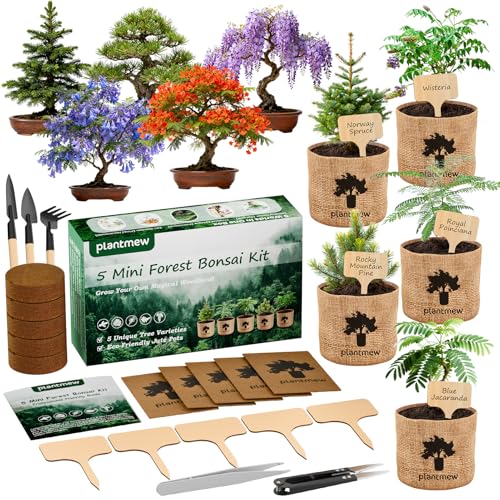
Beginner Bonsai Kit: 5 Japanese Trees + Tools

This complete set gives you five distinct “Japanese” bonsai seed varieties, a set of tools, and planters to start right away. It aims to remove guesswork with labeled pots and clear steps. The kit focuses on an indoor-friendly setup, so it can fit on a desk or windowsill. It is ideal for first-time growers and gift buyers who want a clean, ready-to-go bundle.
You will likely see different seed types that echo classic styles, like maple-style leaves or flowering types. Seed lots can vary, which is normal. The included tools help with early pruning and shaping once seedlings harden off. I like that the planters and labels keep things neat and reduce clutter during the germination phase.
Pros
- Five seed varieties add range and fun to your bonsai journey
- Comes with tools and planters, so you can begin on day one
- Labeled pots help track species and dates with zero confusion
- Compact layout suits small apartments and bright office spaces
- Simple steps lower the learning curve for new bonsai fans
Cons
- Seed variety may change by batch
- Some species may prefer outdoor seasons long term
- Planters may feel small once roots expand
My Recommendation
This is a smart pick if you want the Best Indoor Bonsai Tree Kit that covers more than one tree style. The five seed options give you room to learn, compare growth rates, and refine your pruning hand. New growers will like the clear setup and tidy organization. It also makes a strong gift because it looks complete and feels premium.
| Best for | Why |
|---|---|
| First-time bonsai growers | Complete kit with easy steps and labeled parts |
| Gift buyers | Attractive, all-in-one presentation and broad appeal |
| Hands-on learners | Five species to compare methods and results |
Jacaranda Bonsai Starter Kit with Tools & Planter

This Jacaranda-focused kit narrows in on one species, which helps you learn with less noise. Jacaranda mimosifolia is known for feathery leaves and, with time and care, lovely purple blooms. It likes bright light, warm rooms, and steady moisture. The kit gives you the planter and basic tools to shape and train once the seedling grows strong.
Fewer species mean an easier care plan. You will focus on light, water, and simple pruning for one tree form. The included steps make sense for a first attempt at bonsai from seed. If you want the Best Indoor Bonsai Tree Kit for a single centerpiece plant, this one will suit your space and routine.
Pros
- Single-species focus keeps tasks simple and consistent
- Jacaranda can adapt well to bright indoor windows
- Planter and tools support shaping as growth takes off
- Clear steps reduce overwhelm for total beginners
- Great gift for someone who loves purple blooms
Cons
- Only one species included limits variety
- Needs strong light; a grow light may be helpful
- Patience needed before significant shaping or flowering
My Recommendation
Choose this if you want a focused, calm entry into bonsai. It is a top choice for people who enjoy tending a single plant with care. With bright light and a steady hand, the Jacaranda bonsai can become your pride and joy. For many homes, this is the Best Indoor Bonsai Tree Kit if you like one species done right.
| Best for | Why |
|---|---|
| Beginners who want clarity | One species makes learning steps simple |
| Bright-window homes | Jacaranda thrives in strong light |
| Gift for plant lovers | Elegant, bloom-friendly species with tools included |
Adult Jacaranda Bonsai Kit: Seeds, Tools & Planter
This adult-friendly Jacaranda kit is designed for hobbyists who want a clean, modern start. It includes seeds, a planter, and tools to guide pruning and styling as the tree matures. The layout is simple and enjoys a gift-ready box. The steps are framed for grown-up beginners who want a clear, steady path.
Jacaranda grows at a fair pace in warm settings and bright light. That speed helps you see progress, which keeps you going. With simple pruning and proper watering, you can train a balanced trunk and branches. If your goal is a single, elegant tree from seed, this kit fits well.
Pros
- Adult learner focus makes instructions clear and direct
- Good seed-to-planter pairing with basic tools included
- Modern, gift-ready feel for special events
- Jacaranda’s growth pace gives quick visual reward
- Works well with bright indoor windows or a light bar
Cons
- One-species focus limits exploration
- Needs bright light and warmth to thrive
- Shaping takes patience over many months
My Recommendation
Pick this if you want a stylish, simple kit that looks great and works. It suits adults who want a calm craft with real progress each month. If you prize design and clarity, this can be the Best Indoor Bonsai Tree Kit for your space. It rewards steady care with a clean, graceful look.
| Best for | Why |
|---|---|
| Adults new to bonsai | Clear steps and simple, modern bundle |
| Design-minded buyers | Gift-ready box and tidy layout |
| Progress seekers | Jacaranda grows at a satisfying pace |
Beginner Bonsai Kit: 5 Japanese Trees, Tools & Pots

This five-seed “Japanese” style kit arrives with tools, planters, and labels. It is a seasonal gift favorite and easy to share for holidays. With five seed types, you can run a mini greenhouse project at home. The layout supports small-space growing on bright sills or shelves.
As with most multi-pack kits, expect some variety in the seed mix from batch to batch. That is normal and part of the bonsai fun. The tools cover basic shaping needs as seedlings firm up. If you want a blend of styles to learn fast, this kit hits the mark.
Pros
- Five varieties offer broad learning and more fun
- Tools and pots mean no extra trips to the store
- Gift-friendly packaging fits seasonal events
- Labels help you track germination and care steps
- Great starter for kids and parents to do together
Cons
- Planters can be small as roots expand
- Not all species will be long-term indoor fans
- Germination times may vary widely
My Recommendation
If you want to explore several looks at once, choose this one. It is the Best Indoor Bonsai Tree Kit for families or curious minds. The set reduces setup stress and boosts hands-on learning. It also looks great as a holiday gift that sparks an engaging hobby.
| Best for | Why |
|---|---|
| Families and classrooms | Five seeds support shared, hands-on learning |
| Holiday gifts | Complete, festive, and ready to grow |
| Skill building | Compare species and methods side by side |
Beginner Bonsai Kit: 5 Japanese Seeds + Tools

This kit gives you five “Japanese” bonsai seed packs with tools for shaping and care. It is framed for adults who want a DIY craft vibe. The look suits holidays, birthdays, or a self-gift to start a mindful routine. Labeled pots and steps help you move from seed to seedling with less stress.
Expect some differences in germination rates by species, which is normal. Use bright light, warmth, and a light hand with water to keep seedlings happy. The included tools help train once stems and roots are strong. If you want a flexible set with a tidy footprint, this one works well.
Pros
- Five seed types keep the hobby fresh and fun
- Tools included for early shaping and pruning
- Clear, simple setup that fits small spaces
- Appealing as a gift for plant lovers
- Budget-friendly path to try several styles
Cons
- Varied success rates by species are common
- Some species may prefer outdoor seasons long term
- May need a grow light in low-light homes
My Recommendation
For a fun, flexible start, this is a solid option. It is a good choice if you want to compare styles and learn by doing. The kit stands out as a value pick in the Best Indoor Bonsai Tree Kit search. It meets beginners where they are and makes the first months smooth.
| Best for | Why |
|---|---|
| Budget-minded beginners | Five seeds and tools at a friendly price |
| DIY crafters | Hands-on project with clear steps |
| Small-space growers | Compact setup with labeled organization |
How to Choose the Best Indoor Bonsai Tree Kit
Choose a kit that gives you healthy seeds, a proper planter, and clear steps. Look for labels, soil discs, and humidity domes or covers. Simple items like a bamboo stick and bonsai scissors are a plus. A care guide with light, water, and pruning tips is key.
Pick species that match your home. Bright windows or a grow light make life easier. Warm rooms suit tropical or subtropical seeds like Jacaranda. Temperate “Japanese” types may still need cool dormancy down the line.
Check the pot depth, drainage holes, and tray. Good drainage stops root rot. A humidity tray can help indoors. If the kit lacks a tray, place the pot on pebbles with water below the pot base.
Read the germination notes. Some seeds sprout in two to four weeks. Others take longer. Clear instructions about soaking, scarifying, or cold stratifying are a good sign.
My Hands-On Tips for Fast Success
Use bright, indirect light for 12 to 14 hours a day. If your window is weak, add a small LED grow light. Keep lights 6 to 12 inches above seedlings. Raise the light as the plant grows.
Water when the top 0.5 inch of soil feels dry. Water slowly. Let excess drain fully. Do not let the pot sit in water.
Keep room temps in a steady range. Most bonsai seedlings like 68 to 77°F. Avoid cold drafts. Avoid heat vents.
Start light pruning only after the seedling is strong and has several true leaves. Use clean snips. Make small cuts. Step back and look after each trim. You can always cut more later.
Species Notes You Should Know
Many “Japanese” bonsai species in kits are temperate. That includes maples, cherries, and pines. They may need cold stratification to sprout well. They may also need a cool dormancy each year to stay healthy long term.
Jacaranda is subtropical. It likes warm rooms and bright light. It does not need a cold rest. It can grow indoors year-round if the light is strong and the air is not too dry.
Ficus, Chinese elm, and Schefflera are often called indoor-friendly bonsai. If you see these in any seed mix, you will have an easier time indoors. Use steady light, careful water, and small, regular trims.
Starter Soil and Potting Advice
For seedlings, a fine, well-draining mix works best. Many kits include a peat or coco disc. You can blend with perlite or pumice for air flow. Drainage is vital to stop damping-off and root issues.
Transplant to a bonsai mix once roots are stronger. Seek a blend with akadama, pumice, and lava rock if you can. If not, use a cactus mix with extra pumice. The goal is fast drain and good air to the roots.
Always pre-moisten soil before sowing. Do not press seeds too deep. Many species like a very light cover or even surface sowing. Mist to settle the seeds and cover with a dome until germination.
Light, Humidity, and Airflow
Bright, indirect light is the most important factor indoors. South or west windows are best if they are not too hot. East windows work with a grow light boost. North windows often need full-time grow lights.
Dry rooms can stress seedlings. Use a humidity dome in the first stage. Or set a tray with pebbles and water under, not touching, the pot. Do not overdo humidity. Stale, wet air can cause fungus.
Use a small fan near the plants on low. That toughens seedlings and helps prevent mold. Gentle airflow is better than still, warm air in tight spaces.
Training Basics for Year One
Focus on root health first. Let seedlings build a solid root ball. Avoid harsh wiring too early. Use gentle bends if needed after the trunk gains size.
Prune light and often rather than hard and rare. Aim for a balanced canopy. Watch internode length. Shorter nodes give a finer look.
Turn the pot weekly for even growth. Keep notes on dates, trims, and results. Good logs help you learn fast and avoid repeat errors.
Common Mistakes and Easy Fixes
Overwatering is the top mistake. Let the top layer dry a bit. Lift the pot to feel weight changes. Light pots often mean time to water.
Low light causes leggy, weak growth. Add a grow light if needed. Keep lights close, but not so close that leaves burn.
Trimming too much too soon can stall growth. Wait for strength. Make small cuts. Leave enough leaves to feed the plant.
How I Judge a Bonsai Kit’s Value
I look for complete contents and clear, step-by-step guidance. Tools should be sharp and safe. Labels and a neat planter add real value. Seeds should be fresh and packed well.
I also check if the brand gives support. That can be a quick start card or email help. Good support matters when a seed batch runs slow. I value kits that set honest expectations.
Finally, I judge the feel. The Best Indoor Bonsai Tree Kit should invite you to start now. It should reduce fear and spark joy. That is what keeps beginners coming back to the bench.
Realistic Expectations for Seed-Grown Bonsai
Growing bonsai from seed takes time. The first joy is germination. The next joy is the first clean trim. Over months, you will see structure form.
If you want fast display trees, consider pre-bonsai stock. But if you value the journey, a seed kit is magic. Each small step feels big. A year from now, you will be proud of your work.
The Best Indoor Bonsai Tree Kit should promise steady wins, not instant trees. Look for honesty in photos and text. Kits that explain timelines tend to respect your time.
Care Calendar for New Growers
Weeks 1–4: Sow seeds in moist, fine mix. Keep warm and bright, but not hot. Use a dome if the air is very dry. Watch for sprouts.
Weeks 5–10: Thin weak seedlings. Start gentle airflow. Begin a light feeding plan once true leaves form. Do not overwater.
Months 3–6: Pot up if roots fill the cell. Begin small, clean trims. Rotate weekly. Keep notes on light and water.
Months 6–12: Shape with light pruning. Consider the first gentle wire. Support growth with steady light and a mild feed. Enjoy the art you are making.
Budget, Mid-Range, and Gift-Level Picks
Budget kits give you seeds, a pot, and basic tools. They suit learners who want to try without stress. You will upgrade tools later if you stick with the hobby.
Mid-range kits add better scissors, nicer planters, and clearer guides. They are a sweet spot for many homes. The Best Indoor Bonsai Tree Kit often falls here.
Gift-level kits go heavy on style. The box, planter, and tool finish stand out. They are perfect when the unboxing moment matters as much as the hobby.
FAQs Of Best Indoor Bonsai Tree Kit
Do bonsai seeds really grow indoors?
Yes, many do. Use bright light, warm temps, and good airflow. Some temperate species may still need cold periods later.
How long before I can start pruning?
Wait until seedlings have several true leaves and a firm stem. Then prune small and slow. Early cuts should be light.
Do I need a grow light?
It helps a lot. Most homes lack steady bright light. A small LED grow light boosts germination and compact growth.
How often should I water?
When the top half-inch of soil is dry, water well and drain. Do not let the pot sit in water. Adjust with seasons.
Are five-seed kits better than one-species kits?
It depends on your goal. Five-seed kits teach range. One-species kits keep care simple. Pick the path that fits you best.
Final Verdict: Which Should You Buy?
If you want range and fast learning, choose a five-seed bundle like the Beginner Bonsai Kit: 5 Japanese Trees + Tools. It feels complete and keeps you engaged.
If you prefer a focused path, pick a Jacaranda kit. It is simple and elegant. In both cases, the Best Indoor Bonsai Tree Kit is the one that matches your light, time, and style.
