
Best Indoor Bonsai Tree Seeds: Top Picks & Care Tips 2026

The best indoor bonsai seeds sprout fast, thrive in light, and forgive mistakes.
You want green art on your windowsill. You want calm, focus, and a small daily ritual. The Best Indoor Bonsai Tree Seeds help you start slow, learn fast, and enjoy each tiny leaf. Kits remove guesswork. Loose seed packs let you scale. Light, soil, and patience do the rest. I have tested and coached many first-time growers. The wins come from fresh seed, simple tools, and clear steps. In 2026, there are better kits, better guides, and better germination support. Let’s find the right match for your space, light, and goals.
Bonsai Kit for Beginners: 5 Japanese Trees

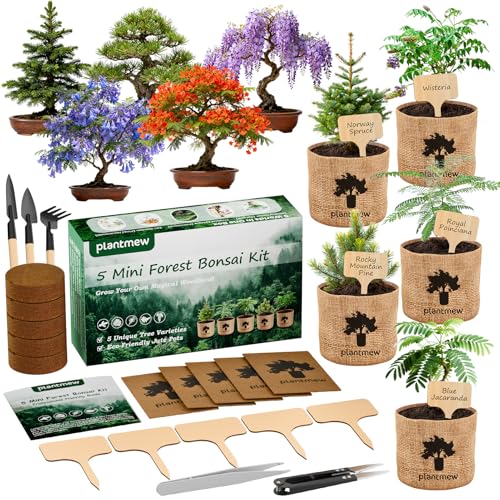
This starter set is built for new growers. You get five types of seeds tied to classic Japanese bonsai styles. The kit often includes pots, soil discs, labels, and snips. The steps are simple and clear, which lowers the risk of early errors.
I like this kit for skill-building. You can test different species in the same season. That gives fast feedback on light, water, and soil. You see what fits your room and your schedule.
Pros
- Five seed types give range and choice
- Tools and pots reduce setup time
- Clear guide helps first-time growers
- Compact footprint suits small spaces
- Gift-ready box with tidy layout
- Good value for learning several styles
Cons
- Germination can vary by species
- Small starter pots dry out fast
- Some seeds may need chilling prep
My Recommendation
If you want the Best Indoor Bonsai Tree Seeds for skill growth, start here. The variety gives you data fast. You will learn watering cues and light needs in weeks. You also avoid buying extra tools at the start.
It fits students, busy pros, and hobby gift buyers. The kit makes the first 30 days easy. You can re-pot later once roots set. It is a smart, low-risk way to build a long-term bonsai habit.
| Best for | Why |
|---|---|
| First-time bonsai growers | All-in-one kit with clear steps and tools |
| Small apartments | Compact pots and tidy work area |
| Gift giving | Attractive box and easy beginner success path |
Jacaranda Bonsai Starter Kit

This kit centers on jacaranda, known for soft fern-like leaves. It is a fast starter in warm rooms with bright light. The set tends to include a small planter, soil, labels, and basic tools. The guide shows timing, watering, and early pruning tips.
Jacaranda seeds like warmth and steady moisture. Sprouts may show in two to six weeks. The young plant reacts well to shaping while tender. I like it for those who want quick green growth.
Pros
- Single-species focus for simple care
- Fast germination in warm setups
- Graceful, lacy foliage indoors
- Good response to early training
- Clear steps for first-time planters
- Nice gift for plant lovers
Cons
- Needs bright light or a grow lamp
- Not frost tolerant; winter care needed
- Leaf drop if humidity swings
My Recommendation
If you want the Best Indoor Bonsai Tree Seeds with quick visual reward, pick jacaranda. It gives fast green and soft texture. It also shapes well in its first months. That builds confidence for new growers.
It suits sunny windows or desk lamps. If you like fine leaves and light movement, you will enjoy this. The care is simple once you lock in light and water. It is a good first tree for calm, daily care.
| Best for | Why |
|---|---|
| Quick-start learners | Faster sprouting and easy early shaping |
| Bright indoor spaces | Thrives under strong light or a lamp |
| Leaf lovers | Fine, airy foliage with gentle motion |
Adult Bonsai Kit with Jacaranda Seeds
This set is a step up for adult hobbyists. It focuses on jacaranda with tools that feel better in hand. You get a planter, soil, labels, and a cleaner, stronger clipper. The guide often leans into styling ideas at month two and three.
I like it when buyers want a more polished desk setup. The look is smarter and more refined. The kit helps you shape a small tree that fits your space. It is simple yet not basic.
Pros
- Upgraded tool feel and cut quality
- Polished planter fits office or home
- Clear guide with styling pointers
- Easy seed to sprout in warm rooms
- Good for mindful daily routines
- Nice gift for adults and hobbyists
Cons
- Higher price than basic starter sets
- Still needs strong light to thrive
- Limited to one species in box
My Recommendation
Choose this if you want the Best Indoor Bonsai Tree Seeds paired with a cleaner look. The tools feel right. The pot fits a work or study area. The kit keeps the path simple without a cluttered bench.
It is perfect for a gift to self or a friend. It works for those who enjoy a sleek look and small, steady steps. You get a calm, daily task and a clear result. That is why I rate it well in 2026.
| Best for | Why |
|---|---|
| Adult beginners | Refined tools and simple, single-species focus |
| Office desks | Clean design with minimal footprint |
| Mindful routines | Daily light care and visible growth |
Dwarf Lemon Bonsai Tree Seeds (20-Pack)

This pack gives you citrus seeds for a bright, glossy bonsai. Lemon loves warmth, light, and steady water. From seed, fruit takes time. But the leaves smell great and the tree looks fresh year-round.
Use a heat mat or a warm spot for sprouting. Keep soil moist, not soggy. A south window or grow light is best. Prune early to set a compact shape.
Pros
- Fragrant leaves and sunny look
- Evergreen, so year-round color
- Fun project for food lovers
- Good response to pruning and wire
- Works well under indoor grow lights
- 20 seeds give many attempts
Cons
- Fruit can take years from seed
- Needs strong light and warmth
- Seed-grown plants may vary in traits
My Recommendation
Pick this if you want the Best Indoor Bonsai Tree Seeds with an edible twist. Citrus is a joy to shape and smell. The leaves hold scent. The plant shines in any bright room.
It suits growers who enjoy long goals. If fruit comes later, that is a bonus. The real win is the steady green and clean form. Add a lamp and you set yourself up to succeed.
| Best for | Why |
|---|---|
| Bright window growers | Needs high light and warmth indoors |
| Food and fragrance fans | Leaves smell bright and fresh |
| Long-term projects | Rewarding pruning and patient growth |
Weeping Willow Bonsai Seeds (30+)

Willow is fast and dramatic. It makes long, drooping branches that look like living art. Seeds sprout fast if fresh. The plant drinks a lot and enjoys a water tray.
Indoors, give lots of light and very steady moisture. Grow lights help. Train it early to set direction and profile. It rewards frequent pruning with lush growth.
Pros
- Very fast germination when fresh
- Iconic weeping form with motion
- Responds well to pruning
- Great learning tree for wiring
- Eye-catching, even in small pots
- 30+ seeds provide many tries
Cons
- Very thirsty; misses water fast
- Needs bright light to stay compact
- Seed freshness is key to success
My Recommendation
Choose willow if you want speed and style from the Best Indoor Bonsai Tree Seeds. You get action in days when conditions are right. You also learn pruning timing fast. It is ideal for tinkerers who love daily care.
It needs attention and light. If you enjoy hands-on work, you will love it. If you miss days, it may sulk. Set a tray and a timer, and you will do well.
| Best for | Why |
|---|---|
| Fast learners | Quick sprouting and strong response to care |
| Hands-on hobbyists | Frequent pruning and shaping pay off |
| Showy displays | Graceful, weeping silhouette indoors |
How to Choose the Best Indoor Bonsai Tree Seeds
Match the seed to your light. Bright, south-facing windows suit citrus and jacaranda. East or west windows can suit slower growers. Weak light is the top cause of leggy stems and pale leaves.
Think about water habits. Willow craves a lot and likes trays. Citrus likes moist, not soaked soil. Many indoor growers do best with a consistent weekly plan and a soil moisture meter.
Check seed needs. Some species need cold stratification. Others sprout best after a warm soak. A short prep step can double your odds of success.
Pick a timeline that fits your mood. Fast species reward daily care. Slow species teach patience and fine styling. The Best Indoor Bonsai Tree Seeds match your pace, not someone else’s.
Species fit for indoor settings
- Ficus microcarpa: Handles low humidity and indoor light
- Citrus (like lemon): Loves strong light; evergreen
- Jade (Crassula): Drought tolerant; simple care
- Jacaranda: Likes warmth and bright light
- Chinese elm: Adaptable but prefers bright spots
Note that some classic bonsai trees love the outdoors. Juniper and pine want cold and sun cycles. You can grow them from seed inside with lights. But long term, they prefer outside time or a bright, cool spot.
Germination and Care Tips for Indoor Success
Start clean. Use fresh seed, clean pots, and sterile seed-starting mix. Pre-soak seeds when advised. Press gently into the mix and mist to settle.
Dial in warmth. Most seeds sprout best at 70°F to 80°F. A seedling heat mat keeps temps stable. Warm roots wake seeds faster.
Manage light. Use a bright window or a full-spectrum LED. Keep the lamp 6 to 12 inches above seedlings. Run lights 12 to 14 hours for sturdy growth.
Water with care. Keep the mix evenly moist, not soggy. Bottom watering reduces damping off. A light fan flow builds strong stems.
Time your first prune. Pinch tips when the plant has a few sets of true leaves. Guide structure early with soft wire. Small, steady moves beat big cuts later.
Repot step by step. Shift to a bonsai mix once roots fill the starter pot. Use a blend that drains fast and holds some moisture. Think lava rock, akadama, pumice, or a quality indoor bonsai mix.
Common Mistakes to Avoid
Too little light makes tall, weak stems. Add a lamp if your window is dim. Keep a simple daily light habit. Your tree will reward you fast.
Overwatering invites root rot. Feel the soil daily at first. Learn the weight of a dry pot. Use a tray and remove extra water after it drains.
Skipping airflow can cause fungus. Give plants some space. Use a small fan at low speed. Your leaves will be healthier and stronger.
Expecting fruit too soon can frustrate you. Seed-grown citrus takes years to bear. Enjoy the journey of shape and scent. The fruit is a late gift.
Seed Quality, Freshness, and Sourcing
Freshness matters. Some seeds, like willow, lose power fast. Buy from current stock. Store cool and dry until you plant.
Check the species list. Read details in the listing. Many sellers now give germination guides in the box. This improves your odds a lot.
Look for support. Kits that include email or QR code guides help new growers. The Best Indoor Bonsai Tree Seeds often come with that kind of support. It shortens the learning curve by weeks.
Indoor Setup: Light, Humidity, and Tools
Light is your main tool. A 20–40 watt LED grow lamp does wonders. Aim for 12–14 hours daily in winter. Keep lamps close but not hot.
Humidity helps in dry homes. A small tray with pebbles adds gentle moisture. Group plants to create a microclimate. Mist in the morning only.
Tools can be simple. You need small shears, soft wire, and a spray bottle. A soil probe or meter is handy. Keep a notebook to track water and light.
Shaping Basics for New Bonsai Growers
Grow, cut, and wait. That is the cycle. Let shoots grow, then prune to two or three leaves. Repeat and watch your tree fill in.
Wire with care. Use soft aluminum wire. Wrap at a 45-degree angle. Bend slowly and stop if you see stress.
Set a vision. Look at bonsai photos for style cues. Pick formal upright, informal, slanting, cascade, or broom. The Best Indoor Bonsai Tree Seeds can fit any style with time.
Troubleshooting: Yellow Leaves, Slow Growth, and Pests
Yellow leaves can mean overwater, low light, or old leaves shedding. Check light first. Then adjust water. Trim damaged leaves so new ones can shine.
Slow growth often ties to cool soil or weak light. Warm the root zone. Add lamp time. Feed lightly once seedlings are established.
Pests happen. Wipe leaves and check undersides weekly. Use insecticidal soap at first signs. Keep new plants in a short quarantine if you can.
Seasonal Care Indoors
Winter means less light and dry air. Add lamp hours. Use a pebble tray. Water a bit less if growth slows.
Spring brings stronger growth. Repot if roots fill the cup. Start light feeding with a balanced liquid fertilizer. Train new shoots early.
Summer can overheat windows. Watch for leaf scorch. Pull back lamps or add a sheer curtain. Water more as needed.
Fall is reset time. Clean tools. Remove weak growth. Plan winter light hours now.
Who Should Buy Kits vs. Seed Packs?
Kits are best if you want a simple start. You get seeds, soil, and tools in one box. The guide helps a lot. It is cost-effective for a first run.
Seed packs are best if you own tools. You can sow many at once. You can test mixes and methods. This is great for hobbyists who like to tweak.
Both paths can work. The Best Indoor Bonsai Tree Seeds come in both forms. Pick the path that reduces your friction today.
FAQs Of Best Indoor Bonsai Tree Seeds
How long do indoor bonsai seeds take to sprout?
Most sprout in 1–6 weeks. Warmth and light help. Some need cold stratification first.
Do I need a grow light for indoor bonsai seeds?
Often yes. A bright window can work, but a lamp boosts success and reduces leggy growth.
Can I grow “dwarf” lemon from seed and get fruit indoors?
You can grow a lemon tree indoors. Fruit can take years and strong light. Enjoy the leaves and shape first.
Why did my bonsai seedlings fall over and die?
That is damping off. Sterile mix, airflow, and less water stop it. Bottom watering helps.
Are willow seeds hard to grow indoors?
They sprout fast when fresh. They need lots of water and light. Plan for daily checks.
Final Verdict: Which Should You Buy?
For the Best Indoor Bonsai Tree Seeds with variety and value, pick the Bonsai Kit for Beginners. It teaches fast and keeps setup simple.
For fast green and easy shaping, choose a jacaranda kit. For scent and year-round shine, try the lemon pack. Match seeds to your light, and you will enjoy the journey.
