
The best beginner setup pairs Japanese steel shears, concave cutters, tweezers, and wire.
If you just started shaping a bonsai, you might feel lost. The branches look wild. The roots need care. Your scissors are dull. Good tools make the craft easier, safer, and more fun. I’ve tested many starter kits and single tools that beginners love. Below, I break down the Best Japanese Bonsai Tools For Beginners in clear, simple terms. You will see which kits save time, where to invest first, and how to avoid waste. Let’s make your first trim a clean, confident cut.
PEEORNT 22-Piece Bonsai Tool Kit
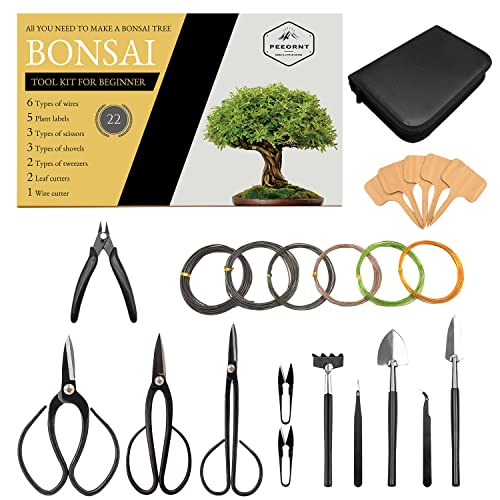
This 22-piece PEEORNT kit gives new bonsai owners almost everything they need. The core tools use high-carbon steel, which holds an edge for clean cuts. You get pruning shears, different cutters, tweezers, and training wire to shape branches. There are also small accessories for daily care and cleanup.
I like this set for its reach and balance. The shears bite well on young shoots. The wire is easy to bend and will hold a branch in place. For a beginner, this kit removes guesswork. You can start pruning, wiring, and grooming on day one.
Pros:
- High-carbon steel tools cut cleanly and stay sharp longer
- Includes pruning shears, cutters, tweezers, and wire for shaping
- Versatile set covers most early bonsai tasks
- Good value for the number of pieces included
- Useful groom-and-clean accessories reduce mess
- Comfortable grips help reduce hand fatigue
Cons:
- Not all tools are Japanese-made despite “style” influences
- Wire quantity may be modest for larger projects
- Tool finish needs regular oiling to prevent rust
My Recommendation
If you want one box to do it all, start here. This PEEORNT kit gives you shears, cutters, wire, and support tools in one purchase. The high-carbon steel blades are a big plus. You can learn correct technique before stepping up to premium brands. For many, this is the easiest way to explore the Best Japanese Bonsai Tools For Beginners without overspending.
| Best for | Why |
|---|---|
| Complete beginners | All-in-one set to start trimming, wiring, and cleaning |
| Budget-conscious buyers | Strong value with many tools for the price |
| New bonsai hobby gifts | Ready-to-use kit that feels substantial and useful |
DIY Beginner Bonsai Tree Kit (5 Varieties)

This DIY kit is part tool set, part grow kit. It includes five bonsai varieties to start from seed, simple tools, and planters for an indoor setup. It is a nice gift for anyone who wants to grow and shape bonsai from scratch. The included tools are basic, yet they help with early pruning and maintenance.
I see this as a starter lane for patient beginners. Seeds take time to germinate and mature. The process teaches care, timing, and gentle pruning. If you love the idea of raising your bonsai from day one, this kit fits that path.
Pros:
- Includes seeds for five unique bonsai varieties
- Comes with planters and basic tools for indoor growth
- Great gift for beginners who want the full journey
- Good way to learn patience and plant care from seed
- Clear entry point into light pruning and shaping
Cons:
- Seed germination can vary and may require special steps
- Tools are light-duty and not pro-grade
- Long timeline before serious pruning or styling
My Recommendation
Choose this if you want the slow art of growing from seed. You will learn rhythm, watering, and light pruning as your trees mature. Later, you can add sharper, stronger tools. For a gift or a first step into the Best Japanese Bonsai Tools For Beginners, this kit brings joy and learning in one box.
| Best for | Why |
|---|---|
| Gift seekers | Complete grow-and-trim experience in one package |
| Patient learners | Start from seed and build core care habits |
| Indoor gardeners | Planters and tools fit small indoor spaces |
20-Piece Bonsai Tool Set with Wire & Mat

This 20-piece set is built around practical extras that beginners love. You get 262 feet of bonsai wire, which is generous for early training. The 29.5″ x 29.5″ repotting mat helps keep soil and grit off your table. A leather bag makes storage neat and easy.
The included scissors and shears handle light pruning work. You can wire branches for shape and keep cleanup under control. I find the wire length a standout feature at this price. It lets beginners practice wiring on more than one tree without fear of running out.
Pros:
- 262 feet of bonsai wire for ample training
- Large 29.5″ x 29.5″ repotting mat reduces mess
- Leather bag keeps tools organized and portable
- Complete starter set for wiring, pruning, and repotting
- Good entry point for shaping and repot work
- Ideal for small indoor workspaces
Cons:
- Scissor steel is serviceable but not premium
- Lacks specialized cutters for thick branches
- Requires routine sharpening and oiling
My Recommendation
Pick this if you plan to wire often and want less mess. The long wire roll and big mat make a clear difference. Add a concave cutter later as you grow. For many shoppers seeking the Best Japanese Bonsai Tools For Beginners, this set nails the basics and keeps your space clean.
| Best for | Why |
|---|---|
| Wiring practice | Includes a long, 262-foot supply of training wire |
| Small spaces | Repotting mat keeps soil off desks and floors |
| Organized storage | Leather bag keeps tools in one easy spot |
Wazakura 7-inch Japanese Bonsai Scissors

These Wazakura scissors are made in Japan and feel refined. The 7-inch size is a sweet spot for control and reach. The blades are crafted for clean, precise cuts on new growth and small stems. This tool shines during detail work and day-to-day trimming.
I like the balance and the sharp, thin tips. They glide through leaves and young shoots with ease. Hand fatigue is low with the open-loop design. Oil the blades after use to keep them in top shape for years.
Pros:
- Made in Japan with quality craftsmanship
- Sharp, thin tips for precise trimming
- Great control for detail work on small growth
- Comfortable, classic open-loop handle
- Easy to resharpen and maintain
- Reliable choice for long-term daily use
Cons:
- Not for thick, woody branches
- Requires regular oiling to prevent rust
- Single tool; you will still need wire and cutters
My Recommendation
Get these if you want a true Japanese scissor that will last. They are perfect as your main trimming tool. Add a concave cutter and wire later to round out your set. For shoppers who want the Best Japanese Bonsai Tools For Beginners with real Japanese build quality, this is a standout pick.
| Best for | Why |
|---|---|
| Precision trimming | Fine tips make clean, exact cuts on fresh growth |
| Long-term use | Durable Japanese build; easy to maintain |
| Upgrading basics | Ideal first “serious” tool to add to a kit |
6-Piece Bonsai Pruning Scissor Set

This set comes with six scissors, each shaped for a task. You get options for leaf trimming, bud snipping, and light stem cuts. The range helps you find what feels best in your hand. It is a handy, low-cost way to figure out your preferred blade style.
You will still need wire and cutters for heavier work. But as a pruning-only group, the value is solid. Beginners can test different shapes and switch tools as they learn. It keeps the early learning curve simple and focused on shaping technique.
Pros:
- Six scissor types cover many pruning tasks
- Good for learning blade shapes and uses
- Affordable entry into focused trimming
- Lightweight and easy to handle
- Useful backup set even after upgrading
Cons:
- No concave cutters for thick wood
- Does not include training wire
- Steel quality is basic; needs frequent care
My Recommendation
Choose this if you want to practice pruning styles at low cost. Pair it with wire and a concave cutter over time. It is a simple way to build hand skills. For anyone crafting a budget path into the Best Japanese Bonsai Tools For Beginners, this set can be your pruning starter pack.
| Best for | Why |
|---|---|
| Pruning practice | Multiple scissor types for different cuts |
| Budget buyers | Low entry cost to start shaping |
| Backup tools | Stay useful even after you upgrade |
How to choose your first Japanese bonsai tools
Start simple. You do not need many tools to begin. Focus on a sharp pair of Japanese-style scissors, a concave cutter, and soft aluminum wire. These three items cover trimming, shaping, and clean healing cuts.
Look for high-carbon steel. It holds a sharp edge and gives clean cuts. Clean cuts heal faster and lower stress on the tree. For wire, soft anodized aluminum is beginner-friendly and easy to bend.
Pick tools that fit your hand. You should feel in control. Handles should not pinch or fatigue your grip. If your hands are small, try smaller scissors for detail work.
Do not skip maintenance. Keep a small bottle of camellia oil or light machine oil. Wipe blades after each session. This prevents rust and keeps your tools smooth.
What tools do you actually need first?
- Japanese bonsai scissors: For new growth and light stems.
- Concave cutter: For woody branches; helps cuts heal flush.
- Aluminum training wire: For shaping branches without damage.
- Tweezers with rake: For needle plucking, moss work, and root care.
- Repotting mat or tray: Keeps soil off your table and floor.
The Best Japanese Bonsai Tools For Beginners start with these basics. Add knob cutters and root scissors later. You can build your kit in steps. That way you buy only what you use.
Care and maintenance for Japanese bonsai tools
Clean after each session. Wipe sap off blades. Dry them well. Then add a thin film of oil to prevent rust. It takes one minute and saves your edges.
Sharpen on a fine stone when cuts feel rough. Gentle strokes are enough. Always follow the original bevel. For scissor pivot points, a drop of oil keeps the action smooth.
Store tools in a dry place. A leather roll or pouch protects edges. Keep silica gel packs nearby if you live in a humid area. This all extends tool life.
Beginner wiring and pruning tips
Wire at a 45-degree angle. Use even spacing. Do not wrap too tight. Check weekly so the wire does not bite into the bark.
Prune with a plan. Remove crossing branches. Keep the interior open for light and air. Make small cuts rather than one big cut at first.
Respect healing. Use concave cutters for thicker wood. A clean, concave cut helps the wound close neatly. Seal larger cuts with cut paste if you have it.
Work slow and steady. Bonsai rewards patience. Short, regular sessions lead to better trees than rare, heavy work days.
Why Japanese-style tools matter for beginners
Japanese-style bonsai tools focus on precision and clean cuts. The shapes come from centuries of craft. High-carbon steel holds a sharp edge and cuts without crushing. That reduces stress on your bonsai.
Handles are shaped for control. Scissor tips reach into dense growth. Concave cutters leave a hollow cut that heals flush. These details help beginners learn correct technique fast.
As of 2026, aluminum training wire is still standard for new users. It bends easy and holds shape well. You learn faster with gear that behaves the way you expect.
I have seen many kits. The Best Japanese Bonsai Tools For Beginners share two traits. They cut clean, and they feel good in the hand. If a tool does that, you will use it often.
FAQs Of Best Japanese Bonsai Tools For Beginners
What is the minimum tool set I need to start?
You need three things: bonsai scissors, a concave cutter, and soft aluminum wire. With these, you can trim, shape, and heal cuts cleanly.
Are carbon steel tools better than stainless?
For sharpness and cut quality, carbon steel is often better. It needs oiling to prevent rust. Stainless resists rust but may not hold an edge as long.
What wire should beginners use for training branches?
Use soft anodized aluminum wire. It is easier to bend and kinder to beginners. Choose sizes that match branch thickness.
How do I keep my tools from rusting?
Clean and dry after use. Wipe with a thin coat of oil. Store in a dry pouch. This simple routine keeps rust away.
When should I upgrade to premium Japanese brands?
Upgrade when you know your style and needs. Start with basics. As you prune more often, invest in high-quality scissors and cutters.
Final Verdict: Which Should You Buy?
The PEEORNT 22-Piece kit is the easiest all-in-one start. The Wazakura scissors are the best single-tool upgrade for precise daily trims.
If wiring and repotting are top needs, the 20-piece set with wire and mat shines. For gifts or the patient grower, the DIY kit is joy. Each path leads to the Best Japanese Bonsai Tools For Beginners for your style.