
Best soil: fast-draining akadama, pumice, lava with pine bark for structure.
I live in the US, in Portland, Oregon, where rain hangs in the air for months. My first Chinese elm bonsai sat in a pretty pot, but the soil stayed wet and the roots sulked. Leaves dropped. Growth stalled. If that sounds familiar, the fix is almost always the mix. The right bonsai soil drains fast, holds air at the roots, and keeps just enough moisture for steady growth. In this review, I break down the Best Soil For Chinese Elm Bonsai that I trust, why they work, and exactly who each bag serves best.
Premium Bonsai Soil Mix (4 Quarts)

This ready-to-use blend aims to balance drainage, aeration, and steady moisture. The texture feels coarse enough to avoid compaction, which is key for Chinese elm roots. It supports air flow so fine feeder roots can expand fast. I noticed water runs through cleanly, yet the mix does not go bone dry too fast indoors. That is helpful if you travel or miss a watering here and there. For many indoor growers, this formula offers a safe baseline: not too heavy, not too dusty, and easy to use out of the bag.
For the Best Soil For Chinese Elm Bonsai, I look for stable particles and a small share of bark. This mix leans that way. The blend plays well with typical indoor schedules and low light rooms, where overwatering is common. Your elm should respond with tighter internodes and fresh buds if you have been fighting soggy soil. If you want more drainage, you can boost it with extra pumice. If you want more hold, add fine pine bark. As a core mix for home use, it hits a sweet spot and keeps care simple.
Pros:
- Good drainage for indoor Chinese elms
- Clean, ready-to-use texture
- Holds moisture without staying soggy
- Easy to amend for custom needs
- Reliable for beginners and busy owners
Cons:
- Exact ingredients are not fully specified
- Advanced users may want more akadama or pumice
- Four quarts may be small for large repots
My Recommendation
Choose this if you want a friendly, balanced start. It fits indoor Chinese elms in small to mid pots. It is also a strong pick if you are new and want to skip mixing your own. For many homes, this can be the Best Soil For Chinese Elm Bonsai because it forgives slight overwatering and still breathes well. If your climate is very dry, you can add a bit of fine bark to slow drying. If your space is very humid, you can add extra pumice to speed flow. It adapts with ease.
| Best for | Why |
|---|---|
| Indoor beginners | Simple, balanced mix that avoids root rot |
| Busy schedules | Moisture hold reduces stress from missed waterings |
| First repot of a nursery elm | Clean, fast-draining base improves root health fast |
Perfect Plants Bonsai Soil (2 Quarts)

This small-batch mix from a known US brand focuses on all-purpose use. It aims to serve many species, which includes the trusty Chinese elm. The texture is coarse enough to drain well in shallow pots. It gives room for roots to breathe and for water to move out fast. The bag size is ideal for a single small tree or a light root trim. If you keep one or two elms on a desk or shelf, this size feels just right and avoids leftovers that dry out in storage.
For the Best Soil For Chinese Elm Bonsai, I like a blend that will not cake when watered many times. This mix holds up under frequent watering cycles. It also accepts amendments well. You can add a scoop of lava rock if you need more airflow. Or add fine bark if your home air is very dry. The brand’s quality control and clean packaging stand out. It is a safe pick for first-time repotters who want a solid, general mix with stable particles and dependable flow.
Pros:
- Trusted brand with small-batch quality
- Easy to handle bag size
- Good drainage and air space
- Works for many bonsai types
- Simple to amend for local climate
Cons:
- Two quarts is limited for larger projects
- All-purpose approach may need tweaks for extremes
- May not list full ingredient ratios
My Recommendation
Pick this if you want a clean, general mix in a handy size. It suits office elms and windowsill trees that need a fresh start. If you want the Best Soil For Chinese Elm Bonsai without buying a big bag, this is a smart buy. It also works for topping up or partial root work. If you plan a full bare-root repot with a big training pot, you may need two bags. For small tasks, it is hassle-free and steady.
| Best for | Why |
|---|---|
| Small Chinese elms | Right-sized bag with dependable drainage |
| First-time repotters | Easy, low-risk mix with clean particles |
| Indoor desk bonsai | Stable texture in low light and AC rooms |
The Bonsai Supply All-Purpose Mix (2 Quarts)
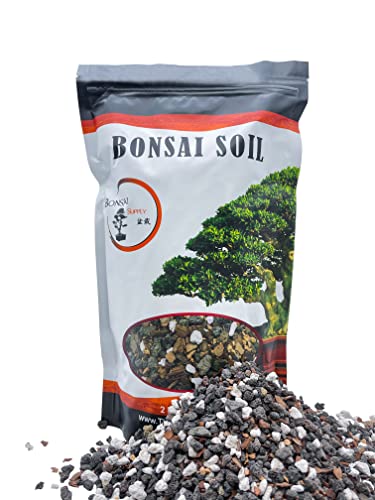
This mix tells you the ingredients right up front: pumice, lava, calcined clay, and pine bark. That is a classic bonsai recipe for fast drainage and strong roots. Chinese elm responds well to this kind of gritty blend. It gives your tree a firm, airy base that will not compact quickly. Water moves through fast, and air fills the gaps. That means roots can branch and recover after a repot. This type of mix helps prevent the slow rot that creeps in when soil stays wet for too long.
When I hunt for the Best Soil For Chinese Elm Bonsai, I look for those four ingredients. They give control. You get moisture from the bark and clay, and strong airflow from the lava and pumice. Calcined clay also offers some cation exchange to hold nutrients. The particle size is usually right for elms in the 1/8–1/4 inch range, which keeps oxygen moving. If you live in a humid state, this is a top pick. If your home is very dry, add a little more fine bark, or water a touch more often. It is a pro-style base in a small, focused bag.
Pros:
- Clear, pro-grade ingredient list
- Fast drainage prevents root rot
- Great for humid climates and indoor setups
- Stable particles hold up through seasons
- Ideal texture for ramifying fine roots
Cons:
- Two-quart bag may not be enough for large pots
- Very fast draining for very dry homes without tweaks
- Needs careful watering when learning the mix
My Recommendation
Go with this if you want a transparent, classic bonsai blend. It shines in places where humidity is high, or when you water often. It can be the Best Soil For Chinese Elm Bonsai for growers who want pro-level results in small batches. If your tree sits by a bright window and you water daily, this mix helps you avoid soggy roots. It builds a strong nebari and clean feeder roots over time. It rewards consistent care and sharp technique.
| Best for | Why |
|---|---|
| Humid climates | Very fast flow stops lingering moisture |
| Root refinement | Stable grit promotes fine root ramification |
| Experienced waterers | Mix responds well to precise watering |
The Soil Sage Premium Bonsai Mix (5 Quarts)

This US-made mix lines up with what many masters use: akadama, pumice, lava rock, and pine bark fines. The presence of akadama is a big plus for Chinese elm. It offers water holding and nutrient exchange while it breaks down slowly to feed micro-life. Pumice and lava add structure and air. Bark fines give a touch of organic hold. The 5-quart bag covers most mid-size repots. That helps if you have a training pot or a more mature elm with a broader root pad.
For the Best Soil For Chinese Elm Bonsai, a blend like this checks every box. You get strong drainage, stable aeration, and a mild buffer for nutrients. I find trees in this mix push new growth with tighter internodes and denser branching when light and water are on point. It is also ready to use, which saves time on sifting. If you want a dependable, high-drainage blend that mimics proven Japanese formulas, this is a top-tier choice. It is forgiving but also scales up to show work and advanced styling.
Pros:
- Includes akadama for superior water and nutrient balance
- Great drainage and air from pumice and lava rock
- US-made and ready to use
- Five quarts suits mid-size trees
- Stable through seasons and heavy watering
Cons:
- Higher cost than simple organic mixes
- Akadama can break down faster in freeze-thaw zones
- May dry a bit quick in very arid homes
My Recommendation
Choose this if you want a premium, tried-and-true recipe with akadama. It is strong for indoor or outdoor Chinese elms in training or refinement. If I had to name one bag that fits the phrase Best Soil For Chinese Elm Bonsai for most growers, this would be it. It bridges ease and performance. If your climate freezes, repot on the warm side of spring to protect akadama structure. Water with care, feed well, and your elm should reward you with healthy roots and dense pads.
| Best for | Why |
|---|---|
| Premium results | Akadama-based blend mirrors pro formulas |
| Mid-size repots | Five quarts covers bigger projects |
| Refinement phase | Stable particles aid fine branching and root care |
Perfect Plants Bonsai Soil (8 Quarts)

This larger bag from Perfect Plants suits repots for several trees or one larger Chinese elm. The brand focuses on small-batch quality with a consistent, coarse texture. The mix drains well and avoids the dense, spongy feel that leads to rot. If you have a training box, a wide shallow pot, or plan to root prune a stockier trunk, eight quarts offers room to work. It is also useful for topping up or replacing crusted soil on older trees mid-season.
For the Best Soil For Chinese Elm Bonsai, volume matters when you have more than one project. The same balanced, all-purpose profile applies here. It moves water out, holds air in, and handles frequent watering. You can blend in a little extra lava or pumice for faster flow. Or add a small portion of fine bark for longer moisture hold if you live in a desert climate. For a home bench with a few elms, this bag strikes a nice balance between quantity and quality.
Pros:
- Large bag for multiple repots
- Coarse, clean particles for steady drainage
- Small-batch consistency
- Easy to customize for local conditions
- Good value for a multi-tree setup
Cons:
- All-purpose profile may need tweaks for extremes
- Storage needed to keep leftovers fresh
- Ingredient ratios may not be fully listed
My Recommendation
Pick this if you have a few elms or one larger tree to repot. It is a strong bulk choice that keeps quality high. If you want the Best Soil For Chinese Elm Bonsai for a small collection, this is smart. You get enough mix to handle a season’s work. Store the extra in a sealed bin to keep dust down and moisture out. It scales well and keeps roots happy across sizes and styles.
| Best for | Why |
|---|---|
| Multiple projects | Eight quarts supports several repots |
| Training pots | Consistent texture fills wide, shallow containers |
| Budget-minded growers | More volume per dollar with solid quality |
FAQs Of Best Soil For Chinese Elm Bonsai
What is the ideal soil mix for Chinese elm bonsai?
A fast-draining mix of akadama, pumice, and lava with a touch of pine bark works best. It balances air, water, and nutrients. That is the Best Soil For Chinese Elm Bonsai for most homes.
What particle size should I use?
Use 1/8–1/4 inch (3–6 mm) particles for most elms. This size keeps oxygen at the roots and drains fast.
Do I need akadama?
It helps a lot but is not required. Pumice and lava with bark can still work. Akadama adds water hold and nutrient exchange.
How often should I repot a Chinese elm?
Young trees every 1–2 years. Older trees every 2–3 years. Repot in early spring as buds swell.
Should I add fertilizer to the soil?
No need to mix it in. Use a mild, balanced fertilizer during the growing season. Feed lightly but often.
Final Verdict: Which Should You Buy?
The Soil Sage Premium Bonsai Mix offers a classic akadama, pumice, and lava recipe. For most growers, it is the Best Soil For Chinese Elm Bonsai due to balance and ease.
On a budget or for small tasks, Perfect Plants (2 qts) is simple and safe. For bulk work, the 8-quart bag is strong value and still fits the Best Soil For Chinese Elm Bonsai needs.