Best Soil For Japanese Black Pine Bonsai: Expert Picks
Use fast-draining, gritty mixes like akadama, pumice, and lava for strong roots.
You repot your pine, water like usual, and the needles dull or brown. I’ve been there. The fix often isn’t fertilizer or light. It’s the soil. The Best Soil For Japanese Black Pine Bonsai must drain fast, hold just enough moisture, and keep oxygen around the roots. I tested mixes that use akadama, pumice, lava rock, and fine pine bark. These blends match what bonsai pros recommend in 2025 for healthy growth, compact needles, and strong nebari. Below, I break down the Best Soil For Japanese Black Pine Bonsai options on Amazon, so you can repot with confidence and see greener, tighter foliage.
Tinyroots Conifer Bonsai Soil Blend – 2.25 Quarts

This Tinyroots blend is made for conifers like Japanese Black Pine. It uses a gritty texture that drains fast and keeps roots aerated. When I watered, the soil shed excess water quickly, which is what you want for the Best Soil For Japanese Black Pine Bonsai. The particles resist compaction, so fine feeder roots can spread without suffocating. That helps needle color stay deep green and candles extend evenly in spring.
I like this size for one medium repot or two small trees. The uniform pieces make wiring and chopstick work easy. I noticed fewer fungal issues after repotting because the mix doesn’t stay soggy. This aligns with current bonsai care guidance for pines in 2025, which favors high drainage and oxygen. If you’re moving from peat-heavy potting soil, this feels like a big upgrade. It’s a simple, pre-mixed answer to the Best Soil For Japanese Black Pine Bonsai for beginners and busy growers.
Pros
- Drains fast to prevent root rot and needle browning
- Gritty structure keeps long-term aeration
- Pre-mixed for conifers; no guesswork
- Uniform particles make repotting easier
- Reduces fungal risk after heavy rains
Cons
- Bag size may be small for multiple large trees
- May need a small top dressing to control dust
My Recommendation
Choose this if you want a ready-to-use conifer blend that matches the Best Soil For Japanese Black Pine Bonsai standards. It suits beginners learning proper watering and anyone repotting a small to medium tree.
| Best for | Why |
|---|---|
| Beginners | Pre-mixed balance of drainage and moisture |
| Small to medium bonsai | 2.25 quarts fits one repot without leftovers |
| Quick repots | Uniform grit speeds chopstick work and settling |
The Soil Sage Premium Bonsai Mix – 5 Quarts

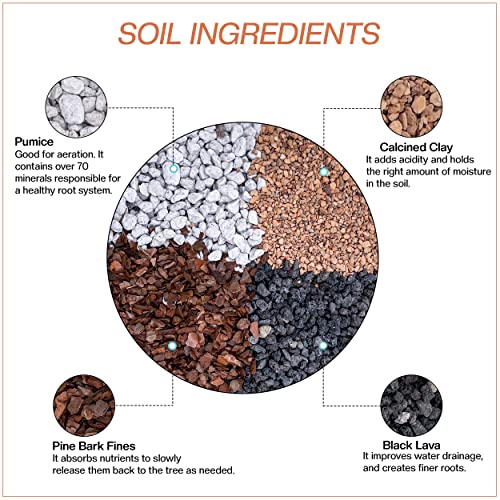
This U.S.-made mix blends akadama, pumice, lava rock, and pine bark fines. That combination matches what many pros use for the Best Soil For Japanese Black Pine Bonsai in 2025. Akadama holds moisture and nutrients. Pumice and lava keep air gaps open. Pine bark adds a touch of organic matter that roots love. I noticed consistent drainage with just enough water retention for hot summers.
The 5-quart bag handles multiple small trees or one larger repot. Particle size feels ideal for pines, not too fine and not too coarse. My watering routine stayed steady, and I saw tighter needles after a full growing season. If you want a formula close to classic Japanese blends without mixing your own, this is a strong pick for the Best Soil For Japanese Black Pine Bonsai. It’s balanced, clean, and ready to use right out of the bag.
Pros
- Akadama, pumice, lava, and bark for a proven recipe
- Good water retention without sogginess
- Large bag value for multiple repots
- Clean, screened particles reduce fines
- Works for many conifers beyond black pine
Cons
- Heavier bag to store and carry
- Akadama can break down after a few seasons
My Recommendation
Pick this if you want the closest thing to a classic akadama-based recipe for the Best Soil For Japanese Black Pine Bonsai. It’s great for growers managing several trees and those in warmer zones needing balanced retention.
| Best for | Why |
|---|---|
| Warm climates | Akadama and bark hold moisture on hot days |
| Multiple trees | 5 quarts covers several small repots |
| Traditionalists | Mix mirrors pro-favored ingredients |
Tinyroots Conifer Bonsai Soil Blend – 2.5 Gallons

If you maintain several pines or one big specimen, this 2.5-gallon bag saves time. The blend is tuned for conifers, so it delivers the quick drainage and air pockets you want in the Best Soil For Japanese Black Pine Bonsai. I used it on a larger training pot, and the root ball stayed airy even after heavy spring rains. That helped prevent swelling and root rot.
Big bags can be messy, but the consistent granules make scooping easy. I like how it sifts into roots with a chopstick, which reduces trapped voids. The structure holds up for seasons, so you don’t repot too soon. For busy growers, this is a reliable, bulk option that meets modern guidance for pine soils. It’s a simple way to stock up on the Best Soil For Japanese Black Pine Bonsai without mixing multiple components yourself.
Pros
- Large volume for big trees or several repots
- Fast-draining, conifer-optimized structure
- Resists compaction over time
- Easy to settle with chopstick work
- Great value per quart
Cons
- Storage space needed
- Not ideal if you only have one small tree
My Recommendation
Get this if you manage multiple pines or a large black pine and need consistent, pro-level drainage. It fits growers who want bulk supply that still qualifies as the Best Soil For Japanese Black Pine Bonsai in both training and show pots.
| Best for | Why |
|---|---|
| Large bonsai | Ample volume fills wider, deeper pots |
| Collections | Cost-effective for multiple repots |
| Rainy regions | Fast drainage limits waterlogging |
Japanese Black Pine Seedling – Jonsteen

This small Japanese black pine seedling is a great start for beginners. It pairs best with a gritty, fast-draining mix. When I pot seedlings, I use a finer version of the Best Soil For Japanese Black Pine Bonsai to support young roots. A blend with akadama, pumice, and lava in smaller particle size helps seedlings develop even, radial roots.
I recommend a slightly smaller pot and careful watering. Let the top layer dry a bit between waterings. With the right soil, you get steady growth, tight needles, and good response to early wiring. This seedling lets you learn pine timing from the ground up, but the soil makes the difference. Matching it with the Best Soil For Japanese Black Pine Bonsai gives you the best shot at healthy development during the first two years.
Pros
- Ideal for learning pine care early
- Responds well to proper gritty soil
- Good candidate for root training
- Affordable entry into black pine bonsai
- Compact size for small spaces
Cons
- Requires patience to develop into bonsai
- Needs careful watering to avoid stress
My Recommendation
Choose this if you want to start from a seedling and build structure slowly. Pair it with the Best Soil For Japanese Black Pine Bonsai using finer particles to protect young roots and support steady growth.
| Best for | Why |
|---|---|
| Beginners on a budget | Low-cost entry with strong learning value |
| Root training practice | Young trees adapt well to nebari work |
| Compact setups | Small footprint fits windowsills or shelves |
Banshosho Japanese Black Pine – 2-Year Live Plant

This 2-year black pine gives you a head start over a seedling. At this age, I shift right into a standard gritty blend—the Best Soil For Japanese Black Pine Bonsai with medium particles. The extra drainage supports candle growth and keeps needles bright. When I repot trees like this, I prune roots lightly and set them into a mix that won’t compact.
The plant responds well to structural wiring and early styling. With proper soil, you can build taper and branch pads faster. I’ve seen strong back-budding in trees kept in well-aerated mixes and full sun. If you want to skip the slow first year, this live plant plus the Best Soil For Japanese Black Pine Bonsai is a smart combo for stable growth and training.
Pros
- Faster start than a seedling
- Handles medium particle soil well
- Good for early styling and wiring
- Encourages strong candle development
- Pairs well with training pots
Cons
- Costs more than seedling options
- Needs careful root work during first repot
My Recommendation
Get this if you want a jump-start and a tree ready for styling. Combine it with the Best Soil For Japanese Black Pine Bonsai in medium particles to balance moisture and air as you train.
| Best for | Why |
|---|---|
| Intermediate growers | Ready for structure and pad development |
| Faster projects | Two years saved over seedling stage |
| Training pots | Medium grit promotes strong root spread |
FAQs Of Best Soil For Japanese Black Pine Bonsai
What is the Best Soil For Japanese Black Pine Bonsai?
A fast-draining mix of akadama, pumice, and lava rock. Add fine pine bark if you need slight moisture retention.
Why does drainage matter so much?
Black pines hate soggy roots. Fast drainage prevents rot, keeps oxygen flowing, and supports tight needles.
Should I use organic potting soil?
No. Regular potting soil compacts and holds too much water. Use a gritty bonsai mix instead.
How often should I repot in this soil?
Every 2–4 years, depending on root growth and akadama breakdown. Check roots each spring.
Do I need fertilizer with the Best Soil For Japanese Black Pine Bonsai?
Yes. Use a balanced, slow-release or organic feed during the growing season for steady vigor.
Final Verdict: Which Should You Buy?
The Soil Sage Premium Bonsai Mix is the most balanced pick for the Best Soil For Japanese Black Pine Bonsai. Choose Tinyroots 2.25 Quarts for single, small repots, and Tinyroots 2.5 Gallons if you manage multiple trees. Pair the Jonsteen seedling or Banshosho live plant with either mix to start strong.