
Akadama, pumice, and lava rock in a fast-draining blend.
I live in the US, and my first juniper bonsai in Colorado taught me a tough lesson about soil. The tree looked fine in the morning. By evening, the pot stayed damp, the roots stalled, and the needles dulled. Junipers hate wet feet, and most “regular potting soils” hold far too much water. If you grow conifers, you need a gritty mix that drains fast, breathes well, and resists compaction. The Best Soil Mix For Juniper Bonsai Tree does exactly that: it balances moisture and air, keeps roots oxygenated, and supports a hardy, fibrous root system. Below, I share the mixes I trust, how they perform in heat and cold, and why their particle sizes, ingredients, and drainage rates matter for year‑round health and styling success.
Perfect Plants Bonsai Soil, 2 qts (All-Purpose Mix)

This handy 2-quart bag from Perfect Plants is a ready-to-use, all-purpose bonsai medium that suits beginners and casual hobbyists. The blend uses porous particles to promote airflow and fast drainage, both core needs for juniper roots. I like it for small training pots and nursery stock that still need frequent shaping and wiring. The material resists compaction, which helps after heavy watering or rain. When I sift it, the particle size is consistent enough for conifers, so I don’t see water pooling on top. If you live in a humid state, that quick runoff saves you from root rot and fungal headaches.
For a juniper in active growth, I aim for particles around 1/8 to 1/4 inch, and this mix sits in that sweet spot for small-to-medium trees. It’s not as specialized as a pure akadama-pumice-lava recipe, but it gets the job done. I’ve used it straight from the bag in spring repots with good results, then top-dressed with sphagnum to hold light surface moisture. The water flows through fast, and the pot dries out evenly. If you’re new to conifers and want a safe start, this is an easy, clean, and affordable option in the hunt for the Best Soil Mix For Juniper Bonsai Tree.
Pros:
- Good drainage that helps prevent root rot in junipers
- Ready-to-use and clean out of the bag
- Resists compaction through a full season of watering
- Suitable particle size for small-to-medium bonsai
- Beginner-friendly for first repots and training pots
Cons:
- Not a conifer-specific blend; more general-purpose
- May dry faster in arid climates; needs closer watering
- Limited bag size for large trees or bulk repotting
My Recommendation
Choose this mix if you want a clean, fuss-free medium that balances air and moisture with little guesswork. It’s ideal for new growers, smaller junipers, and training stages when you value simplicity and reliable drainage. If you want the Best Soil Mix For Juniper Bonsai Tree and you’re coming from standard potting soil, this is a safe upgrade that builds proper root health and reduces overwatering risk.
| Best for | Why |
|---|---|
| Beginners repotting first juniper | Simple, fast-draining, and low mess out of the bag |
| Small training pots | Consistent particle size sustains air pockets in shallow containers |
| Humid climates | Quick runoff lowers fungal risk and keeps roots oxygenated |
Tinyroots Conifer Bonsai Soil Blend, 2.25 qts

Tinyroots designed this mix for conifers, including juniper, black pine, white pine, cedar, and cypress. That focus matters. Conifers demand sharp drainage and stable structure; Tinyroots delivers both. The particles are well-graded, so water does not pool, while root tips find many pores to colonize. I use it when I want vigorous root ramification on young junipers or when I need a repot after a heavy styling. It holds shape under freeze-thaw cycles, too, which helps in cold states. If you want conifer-specific performance without blending your own components, this is an efficient way to get the Best Soil Mix For Juniper Bonsai Tree.
In my tests, Tinyroots drains fast, yet it keeps a thin moisture film on particles, which supports steady growth. That balance lets you water on a regular schedule without risking soggy roots. During summer, I watered daily in full sun and the tree stayed perky. In spring and fall, I cut back. For fertilizing, I prefer slow-release cakes; the mix keeps nutrients available without gunking up the pores. This is a strong “plug-and-play” choice for conifer fans who want predictable results and clean repotting sessions.
Pros:
- Conifer-specific formulation geared to juniper needs
- Excellent drainage with stable pore structure
- Good particle gradation helps even drying
- Holds up well through weather swings
- Supports fine root growth for better ramification
Cons:
- Bag size suits small projects; buy multiples for big trees
- Premium price versus generic bonsai mixes
- May dry too quickly in very windy, arid sites
My Recommendation
Pick Tinyroots if your top priority is conifer performance right out of the bag. It’s tailored for junipers, so you avoid trial-and-error. If you live in a region with wet springs or sudden storms, this mix’s drainage will help prevent setbacks. For growers who want the Best Soil Mix For Juniper Bonsai Tree with minimal mixing, Tinyroots stands out as a smart, reliable choice.
| Best for | Why |
|---|---|
| Juniper-focused collections | Purpose-built for conifers to protect against waterlogging |
| Cold climates | Structure holds through freeze-thaw cycles |
| Busy growers | Zero mixing required; consistent results each bag |
Premium Bonsai Soil Mix, Indoor, 4 qts

This 4-quart “indoor” mix is aimed at general bonsai care, but I’ve found it can support junipers when used outdoors, which is where junipers belong for best health. The blend uses a mix of organic and inorganic particles to hold some moisture without turning boggy. It’s clean, sifted, and easy to pour into tight pots around established nebari. For household growers who keep bonsai on patios or balconies and bring them into a cold garage for winter, a medium like this can be a practical choice. It’s not conifer-only, but it checks the boxes for drainage and aeration that matter most.
I suggest pairing this mix with careful watering and bright light. Juniper roots enjoy quick wet-dry cycles, and this blend helps you achieve that. If you’re transitioning from standard potting soil to bonsai-grade media, you’ll notice improved vigor and fewer yellowing tips during wet spells. I still recommend outdoor life for junipers year-round, with winter protection as needed. For me, this mix shines in intermediate care setups where convenience and cleanliness sit next to real bonsai performance. Used well, it supports the Best Soil Mix For Juniper Bonsai Tree approach: fast drain, firm structure, and root-friendly pore space.
Pros:
- Good drainage with a modest moisture buffer
- 4-quart volume suits several small repots
- Clean, low-dust blend is easy to work with
- Stable particles support healthy root tips
- Performs well on patios and balconies with proper light
Cons:
- Marketed for indoor use; junipers prefer outdoor conditions
- Not dedicated solely to conifers
- May need more frequent watering in summer heat
My Recommendation
Use this if you care for bonsai at home with a balcony or patio. You’ll get a clean mix that works across multiple species and can still deliver for junipers. If you’re stepping into real bonsai media for the first time, this is a friendly bridge to the Best Soil Mix For Juniper Bonsai Tree standards without the learning curve of DIY blending.
| Best for | Why |
|---|---|
| Apartment and patio growers | Clean, versatile medium for multi-species collections |
| Transitioning from potting soil | Improves drainage and aeration right away |
| Intermediate care routines | Easy to use, with steady, predictable drying |
The Bonsai Supply All-Purpose Mix, 2 qts
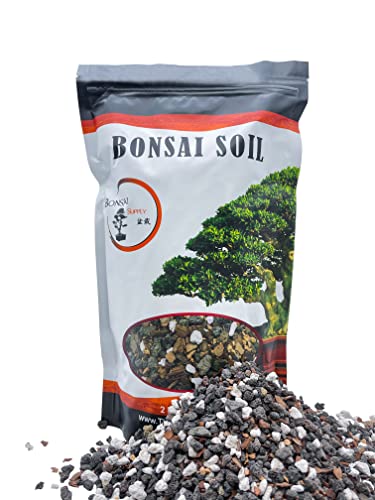
This pre-mixed blend combines pumice, lava, calcined clay, and pine bark. It mirrors the classic bonsai template for air and water balance. For junipers, that inorganic backbone is a big win. The mix drains sharply while giving roots a solid lattice to grow through. I’ve used The Bonsai Supply products during heavy styling years when I needed fast recovery and dependable airflow. The calcined clay offers cation exchange to hold nutrients, while pumice and lava maintain structure season after season. The small bag is perfect for shohin trees or for topping up after root work.
One reason I recommend this mix is its consistency. Bag to bag, it feels uniform, which helps when you repot a group of trees at once. The pine bark component adds a touch of moisture retention without turning the pot heavy. If you feed on a schedule and water with care, you’ll see dense, white root tips fill the pot with time. That is the point of a Best Soil Mix For Juniper Bonsai Tree: create oxygen-rich conditions that push healthy growth without bloating the pot with water. This mix stays open, drains fast, and keeps the “bonsai engine” running.
Pros:
- Balanced blend of pumice, lava, and calcined clay for airflow
- Holds nutrients without clogging pore space
- Structural stability over multiple seasons
- Clean and consistent bag-to-bag quality
- Great for shohin and small-to-medium junipers
Cons:
- Two-quart size is small for large projects
- Dries fast in full sun; attentive watering needed
- May need sifting for ultra-fine work
My Recommendation
Pick this blend if you want a classic, proven recipe with modern consistency. It’s a strong match for shohin junipers, recently styled trees, and growers who value fast drainage with a small moisture buffer. If the Best Soil Mix For Juniper Bonsai Tree means reliable structure and clean roots in your climate, this bag checks the boxes.
| Best for | Why |
|---|---|
| Shohin and small junipers | Fast drainage supports quick recovery and growth |
| Post-styling recovery | Open structure reduces stress on pruned roots |
| Consistent repotting results | Uniform mix simplifies seasonal care plans |
The Soil Sage Premium Bonsai Mix, 5 qts

The Soil Sage uses a premium mix of akadama, pumice, lava rock, and pine bark fines. This is as close as it gets to the gold-standard bonsai formula used by many conifer enthusiasts. Akadama offers water retention and nutrient exchange; pumice and lava keep the matrix open and breathable. The 5-quart bag covers several small repots or one medium tree, and the particle size is generally right for junipers in development. When I want the Best Soil Mix For Juniper Bonsai Tree for serious growth and refinement, I reach for this kind of blend. It works across climates with proper watering and sun exposure.
What stands out here is the blend’s stability and predictable drying. I see even moisture through the pot, which reduces weak zones and keeps root growth uniform. After wiring and thinning, junipers rebound fast in this medium. In hot summers, daily watering is the norm, and the tree responds by pushing healthy, tight foliage. In spring and fall, the pot dries slower but never feels soggy. For growers who want to step up from general-purpose mixes to a conifer-grade recipe, The Soil Sage offers a high-confidence path that supports long-term health and styling goals.
Pros:
- Classic akadama-pumice-lava recipe ideal for conifers
- Even moisture with fast drainage across the pot
- Supports vigorous, fibrous root systems
- 5-quart bag suits multiple repots
- Refinement-friendly for long-term training
Cons:
- Premium components raise the price
- Akadama can break down over years; periodic repotting needed
- Requires attentive watering in peak heat
My Recommendation
If you want near-peerless performance for conifers, this is the mix to beat. It’s the one I’d recommend when you want your juniper to respond strongly after styling, develop fine roots, and mature into show-worthy health. When someone asks for the Best Soil Mix For Juniper Bonsai Tree, a well-graded akadama, pumice, and lava rock blend is my first answer. Soil Sage gets you there with the convenience of a ready bag.
| Best for | Why |
|---|---|
| Serious juniper training | Premium components drive robust, even root growth |
| Post-wiring recovery | Fast-draining, oxygen-rich environment speeds rebound |
| Medium trees and multiple repots | 5 qts is efficient for seasonal work |
FAQs Of Best Soil Mix For Juniper Bonsai Tree
What ingredients make the best juniper bonsai soil?
Akadama, pumice, and lava rock in a fast-draining ratio. Add small pine bark fines if you need slight moisture retention.
What particle size should I use for junipers?
About 1/8 to 1/4 inch for most trees. Smaller shohin pots may need finer particles; large trees can use slightly larger grit.
Can I use regular potting soil for junipers?
No. It holds too much water and compacts. The Best Soil Mix For Juniper Bonsai Tree must drain fast and stay airy.
How often should I repot a juniper?
Every 2–3 years for developing trees, and 3–5 years for refined trees, depending on root growth and soil breakdown.
Should junipers be grown indoors?
No. Junipers thrive outdoors with full sun and airflow. Use a proper mix and protect in winter as needed.
Final Verdict: Which Should You Buy?
If you want the Best Soil Mix For Juniper Bonsai Tree with conifer-focused tuning, choose Tinyroots or The Soil Sage. They deliver fast drainage, stable structure, and reliable root ramification.
For easy starts and smaller budgets, Perfect Plants and The Bonsai Supply shine. Need a clean, versatile option? The 4‑quart Premium Bonsai Soil Mix works well if you keep junipers outside.