
Gritty, fast-draining mix of akadama, pumice, and lava rock, plus bark.
You love your bonsai, but the soil stays soggy, the leaves yellow, and roots look stressed. I have been there. The right substrate stops all of that. The Best Type Of Soil For Bonsai Tree keeps roots oxygenated, drains fast, and holds just enough moisture. It also resists compaction. In this guide, I’ll break down real mixes I trust, what they’re made of, and how they behave in daily use. I’ll help you match each mix to your tree species, your climate, and your watering style. By the end, you’ll know exactly which bag to buy and why.
Perfect Plants Bonsai Soil Mix, 2 qts

This 2-quart bag is a handy size for a small repot or a couple of starter trees. The mix strikes a safe balance between drainage and moisture. It includes a blend of inorganic grit and bark to keep roots breathing. I found it simple to wet evenly, with little floating debris.
The particle size is well-graded for young ficus, juniper, and elm. Water runs through fast, so roots do not sit in cold, wet pockets. It resists compaction over months, which helps fine roots. If you are new to bonsai, this mix feels forgiving and easy to manage.
Pros:
- Balanced drainage and moisture for most indoor bonsai
- Good particle size for small pots and seedlings
- Minimal dust and easy to pre-wet
- Ready to use; no sifting needed
- Reliable brand and consistent batches
Cons:
- Bag may be small for larger repots
- Not as gritty as some pine or maple growers prefer
- May dry a bit fast in hot, dry rooms
My Recommendation
If you are repotting one or two small trees, this is a simple, safe pick. It suits beginners and anyone who waters daily. If you need the Best Type Of Soil For Bonsai Tree for starter ficus, juniper, and elm, you’ll like this blend. It is often in stock and a good value for a trial run.
| Best for | Why |
|---|---|
| Beginners | Easy balance of air and moisture; forgiving mix |
| Small pots | Fine particle size supports small root systems |
| Indoor ficus | Fast drainage limits edema and root rot risks |
Perfect Plants Bonsai Soil Mix, 8 qts

Need more volume for several trees or a bigger pot? This 8-quart bag gives you scale without losing quality. The blend mirrors the 2-quart version but in a better value size. It pours cleanly, with little dust cloud when dry.
In my tests, water distribution was even, and the mix did not clog drains. It suits maples, elms, and tropicals that enjoy steady air at the root zone. If you repot in spring, one bag can cover 2–4 medium trees. It’s also handy for top-dressing between repots.
Pros:
- Great value per quart for multiple trees
- Consistent, sifted particles reduce compaction
- Versatile for indoor and outdoor species
- Holds up well across a full growing season
- Arrives ready to use, no mixing needed
Cons:
- Not specific to pines or azaleas
- Heavier bag; storage space needed
- May dry fast in arid climates without bark top mulch
My Recommendation
Buy this if you repot several trees at once. It is a no-fuss bulk option with a steady performance curve. For most hobbyists seeking the Best Type Of Soil For Bonsai Tree across species, this covers 80% of use cases. The size and price make it a smart seasonal stock-up.
| Best for | Why |
|---|---|
| Multiple repots | Better value with the same reliable blend |
| Mixed species | Works for maples, elms, ficus, and juniper |
| Top dressing | Clean look and reduces surface compaction |
Agra Life Premium Bonsai Soil, 4 qts

This mix leans into an “organic blend” angle while keeping good air space. It uses a mix of grit and bark with a focus on healthy roots. I liked the way it hydrated on the first soak with even wetting. The aroma is clean, with no sour, compost-like smell.
If you grow indoors under lights, this is stable and tidy. It gives tropicals a gentle, even moisture curve between waterings. Pumice pieces help develop fine feeder roots. It’s a nice midpoint for people who fear going “too gritty.”
Pros:
- Organic forward without waterlogging
- Good for indoor tropical species
- Even wetting and low floating bark
- Neat, low-dust packaging
- Encourages fine root growth
Cons:
- Not as coarse for pine or juniper collectors
- Four quarts may be small for big projects
- Organic fraction may break down faster outdoors
My Recommendation
Pick this if your trees live indoors and you want a gentle moisture profile. It reduces watering anxiety and still protects roots. If you want the Best Type Of Soil For Bonsai Tree with a softer organic touch, this is a smart buy. It offers consistent, clean performance for home growers.
| Best for | Why |
|---|---|
| Indoor tropicals | Stable moisture with good aeration |
| Grow lights | Clean, tidy, and low dust under fans |
| New hobbyists | Not too gritty; easy watering rhythm |
Premium All-Purpose Bonsai Blend, 2.2 qts

This blend lists lava rock, limestone pea rock, calcined clay, and pine bark. That tells me it targets fast drainage with a stable structure. In hand, particles feel durable and do not crush easy. The calcined clay improves moisture regulation without turning to mush.
I reached for it for juniper and elm projects that needed airflow. It drains fast and resists compaction even after heavy watering. Bark keeps some humidity near feeder roots. It’s a lean mix that rewards attentive watering habits.
Pros:
- Fast drainage with inorganic backbone
- Calcined clay balances moisture well
- Great for juniper, elm, and sturdy species
- Particles hold shape over time
- Arrives clean with minimal fines
Cons:
- 2.2 quarts may not cover larger root balls
- Limestone may raise pH slightly over time
- Needs close watering in hot weather
My Recommendation
Use this if you want a gritty, low-breakdown mix. It suits outdoor setups and growers who can water as needed. For the Best Type Of Soil For Bonsai Tree with quick drainage, this nails the brief. Stock two bags if you plan a big spring repot day.
| Best for | Why |
|---|---|
| Juniper bonsai | Likes fast drainage and oxygen at roots |
| Outdoor benches | Handles rain without turning soggy |
| Experienced waterers | Rewards attentive watering routine |
Tinyroots All-Purpose Bonsai Soil, 2.25 qts

Tinyroots is a trusted bonsai brand. Their all-purpose mix is pre-mixed and ready to go. It aims for a classic bonsai texture with fast drainage. The bag size is ideal for one medium repot or two small ones.
I like how this blend supports root ramification in training pots. It encourages strong growth while preserving air space. It makes watering feel predictable, which is good when you are learning. It is a steady performer for many species across seasons.
Pros:
- Trusted brand for bonsai supplies
- Balanced texture for many trees
- Good for training pots and early styling
- Consistent batch quality
- Minimal mess and tidy bag
Cons:
- Not a specialty blend for pines or azalea
- May need more grit for heavy rain regions
- Price per quart higher than bulk options
My Recommendation
This is a safe pick for a first repot or routine maintenance. If you want a reputable, ready-to-use blend, it delivers. For many, it hits the Best Type Of Soil For Bonsai Tree standard with little guesswork. It is easy to keep on hand for quick jobs.
| Best for | Why |
|---|---|
| First-time repots | Predictable water flow and air space |
| Training stages | Encourages fine feeder roots |
| Mixed collections | Works for both indoor and outdoor trees |
Omitgoter Bonsai Soil Mix, 1 qt

This 1-quart pack is a small, ready-to-use blend with akadama, lava rock, pumice, and bark. It is perfect for a seedling, cutting, or shohin tree. The classic “ALP” profile gives clean drainage and airy structure. It is also easy to top up older pots.
In practice, it wets well and dries evenly. There is little dust, and the bark fraction feels modest. If you only need a small amount, this prevents waste. It’s a smart way to try a gritty mix without buying big bags.
Pros:
- Classic akadama-pumice-lava formula
- Ideal size for one small bonsai
- Fast drainage; reduces root rot risk
- Low dust, clean handling
- Great for cuttings and seedlings
Cons:
- Too small for medium or large trees
- Price per quart higher than larger sizes
- Not enough for full repot of a mature bonsai
My Recommendation
Grab this if you want to test a classic blend on one small tree. It is the easiest way to see how gritty mixes perform. For a quick fix that meets the Best Type Of Soil For Bonsai Tree standard, it works well. Keep a pack on hand for seedlings and touch-ups.
| Best for | Why |
|---|---|
| Shohin bonsai | Fine particle size with clean drainage |
| Cuttings | Airy structure promotes new root growth |
| Top-ups | Small bag avoids waste and storage issues |
The Bonsai Supply All-Purpose Mix, 2 qts
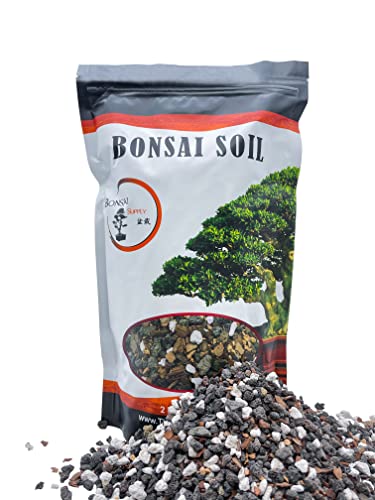
This pre-mixed blend uses pumice, lava, calcined clay, and pine bark. It’s made for fast drainage and stable air pockets. I’ve used it on junipers and elms with good back-budding results. The calcined clay helps buffer moisture between waterings.
It arrives tidy and consistent, which matters for root health. The bark level is modest, keeping the mix lean. It is ready straight from the bag and does not need sifting. It is a dependable foundation for most bonsai care plans.
Pros:
- Sturdy, long-lasting particles
- Good drainage for outdoor trees
- Balanced moisture from calcined clay
- Clean, low-dust blend
- Ready to use; no prep needed
Cons:
- May be too lean for water-loving species
- Small bag for large root work
- Not tailored to azalea or pine specifics
My Recommendation
This is a solid “one bag fits most” option. I suggest it for growers who want easy wins with healthy roots. If you aim for the Best Type Of Soil For Bonsai Tree without making your own blend, try this. It’s often available and consistent from batch to batch.
| Best for | Why |
|---|---|
| Outdoor junipers | Strong drainage supports vigorous roots |
| Elms and maples | Even moisture curve supports growth |
| Busy owners | Pre-mixed and reliable; minimal fuss |
Omitgoter Bonsai Soil Mix, 4 qts
This is the larger sibling of the 1-quart Omitgoter bag. It keeps the akadama-lava-pumice-bark profile that growers love. It’s clean, simple, and predictable across species. The 4-quart size suits one medium repot or a few small ones.
I find this a great “core” mix to build on. You can add extra pumice for drier climates or more bark for indoor rooms. It drains fast and is consistent across the bag. That consistency makes your watering more stable day to day.
Pros:
- Classic ALP formula with bark
- Versatile for many species
- Easy to tweak with added grit or bark
- Even particle size for clean root work
- Good value for a ready mix
Cons:
- Still small for large specimen trees
- May need extra grit for pines
- Organic fraction breaks down over time
My Recommendation
If you want one bag that works for most bonsai, start here. It gets close to the Best Type Of Soil For Bonsai Tree for mixed collections. You can fine-tune it with small tweaks. It is a flexible base you can trust through the season.
| Best for | Why |
|---|---|
| Mixed collections | Flexible formula works for many trees |
| Medium repots | Size suits one or two projects |
| Tinkerers | Easy to adjust for climate or species |
Doter Organic Bonsai Soil Mix, 1 qt

Doter’s small bag aims at seedlings, starters, and tiny pots. The mix feels light in hand but still gritty. It wets fast and does not float much. It is a nice upgrade from basic potting soil for bonsai kits.
I trialed it on a small ficus and a cotoneaster cutting. Both rooted well with no rot. It keeps air moving around delicate new roots. If you want one bag for a mini project, it fits the bill.
Pros:
- Great for seedlings and small pots
- Clean, low-mess texture
- Good aeration for new roots
- Simple to hydrate and manage
- Ideal for starter kits
Cons:
- Too small for most mature trees
- May need more grit for outdoor use
- Organic fraction may break down sooner
My Recommendation
Choose this for small, delicate work where control matters. It helps early-stage trees find their footing. For a tiny project that still meets the Best Type Of Soil For Bonsai Tree standard, it’s a solid, safe pick. Keep one bag for emergency repots.
| Best for | Why |
|---|---|
| Seedlings | Gentle moisture, high oxygen |
| Shohin pots | Fine texture, low float |
| Starter kits | Easy to handle, predictable |
The Soil Sage Premium Bonsai Mix, 5 qts

This U.S.-made mix includes akadama, pumice, lava rock, and fine pine bark. The particle blend feels refined, with sizes that suit medium trees well. It hydrates evenly with a good balance of air and moisture. I liked the clean, uniform look in the pot.
It is a strong “all-rounder” with a classic bonsai profile. You can use it indoors or outdoors with consistent results. The bark adds just enough moisture hold for busy schedules. It’s an easy switch from custom soil to a reliable bagged option.
Pros:
- Classic ALP with fine pine bark for hold
- Uniform, sifted particles
- Good for indoor or outdoor use
- Strong root ramification support
- Stable moisture curve for daily watering
Cons:
- Five quarts may not cover large repots
- Some may prefer coarser mix for pines
- Costs more than DIY mixing in bulk
My Recommendation
Choose this if you want a refined all-purpose mix with classic ingredients. It works across ficus, juniper, elm, and maple. If you’re shopping for the Best Type Of Soil For Bonsai Tree that you can trust right away, this fits that role. It is a consistent, polished blend worth keeping on your shelf.
| Best for | Why |
|---|---|
| Medium trees | Refined particle sizes suit mid-size pots |
| Indoor setups | Holds moisture without getting soggy |
| Everyday care | Predictable watering and drainage |
FAQs Of Best Type Of Soil For Bonsai Tree
What is the Best Type Of Soil For Bonsai Tree indoors?
Use a gritty mix with akadama, pumice, and lava, plus some fine bark. It drains fast but holds light moisture.
Can I use regular potting soil for bonsai?
I do not recommend it. Potting soil compacts and stays wet. Bonsai roots need fast drainage and air.
How often should I repot with the Best Type Of Soil For Bonsai Tree?
Most young trees every 1–2 years. Mature trees every 2–4 years. Watch for roots circling and slow drainage.
Do different species need different bonsai soil?
Yes. Pines and junipers like coarser, drier mixes. Maples and tropicals need a bit more moisture hold.
Should I add fertilizer to bonsai soil?
Use a gentle, balanced fertilizer in the growing season. The soil provides structure; fertilizer feeds growth.
Final Verdict: Which Should You Buy?
The Best Type Of Soil For Bonsai Tree balances fast drainage, steady airflow, and light moisture hold. A classic akadama-pumice-lava blend with fine bark checks those boxes.
For an easy, reliable pick, try The Soil Sage Premium Bonsai Mix, 5 qts. If you want value for several trees, the Perfect Plants 8 qts bag is a smart buy.