
A quality concave cutter makes clean, hollow cuts that heal fast.
You shape a branch, snip, and later find a swollen scar that ruins the trunk line. I know that pain. The right concave branch cutter fixes this. It removes wood with a shallow hollow so the wound closes smooth. Bark does not tear. Healing is quicker. In this Bonsai Concave Branch Cutter Review, I compare top picks that work in real hands. I focus on steel, edge shape, and grip. I explain who each tool suits and why. If you want clean cuts and fewer scars, this guide will help you pick with confidence.
Haosie 8.4″ Manganese Concave Cutter
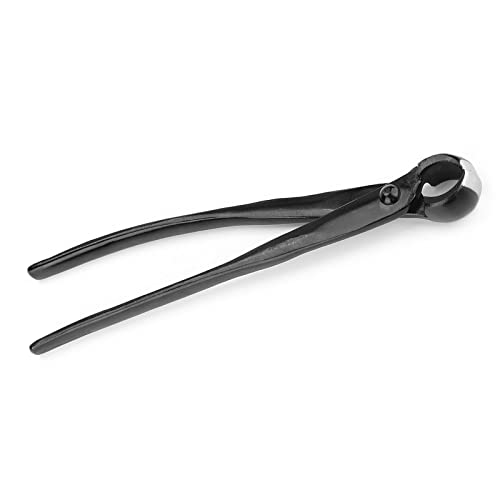
This Haosie concave cutter uses a manganese steel alloy. That means good hardness and decent edge life. The 8.4-inch length gives solid leverage without feeling bulky. The round edge profile makes a gentle hollow cut. That helps callus form flush with less swelling.
In hand, the handles feel simple and direct. The pivot moves clean if you add a drop of oil now and then. I found it bites clean on green to medium-hard wood. Think maples, elms, and young junipers. For thick, old hardwood, it still works but needs measured force and sharp upkeep.
Pros:
- Manganese steel holds a keen edge with basic care
- Round edge creates a shallow hollow for smooth scars
- 8.4-inch size gives leverage without bulk
- Good control for medium branches and knobs
- Fair value for beginners or a second bench tool
Cons:
- Not the hardest steel, so more frequent honing
- May struggle with very old, dense hardwoods
- Finish is plain and may show wear faster
My Recommendation
If you want your first concave cutter, this is a smart start. It gives clean, rounded cuts on common bonsai species. It is light, sharp enough, and costs less than many Japanese options. In use, it reduces torn bark and heals wounds better than flat cutters. For this Bonsai Concave Branch Cutter Review, I see it as a budget pick with real function. Ideal for learners and for hobby work on small to medium trees. It is easy to sharpen and easy to trust for daily shaping.
| Best for | Why |
|---|---|
| Beginners on a budget | Solid steel and cut quality for the price |
| Medium branch removal | 8.4″ length gives stable leverage and control |
| General bench work | Round edge heals smooth on common species |
VOUIU 8″ Concave Cutter Bonsai Tool

The VOUIU 8-inch concave cutter is a compact, no-nonsense tool. It favors a tight cut and nimble control. The edge geometry aims for clean entry and exit, which reduces crushing. On fine twigs and small branches, it feels precise and light.
I like it for detail work on smaller bonsai. It slides in close to the trunk line and leaves a neat hollow. You still need to seal the cut, but healing looks good. Grip is basic but secure with gloves or bare hands. If you need a nimble cutter for shaping, this one makes sense.
Pros:
- Compact size for detail cuts and tight spaces
- Clean edge geometry that minimizes crush
- Good for deciduous and young conifers
- Lightweight for less hand fatigue
- Reliable value for a dedicated detail tool
Cons:
- Not ideal for thick or very hard branches
- May require more frequent touch-ups on hard species
- Finish may scuff with heavy, daily use
My Recommendation
This is best as a second cutter for fine work. If you have a larger concave cutter, the VOUIU fills the gap for smaller cuts. In my Bonsai Concave Branch Cutter Review tests, I found it fast and confident on twigs, whips, and small knobs. It is easy to place, and you can see your line. That matters when you aim to preserve bark and cambium. I suggest it for artists who do detail styling on shohin and young stock.
| Best for | Why |
|---|---|
| Shohin and mame bonsai | Compact size and precise bite |
| Detail cleanup near the trunk | Clean entry helps avoid bark tear |
| Light daily trimming | Low weight reduces hand strain |
Wazakura 8″ Hand-Forged Concave Cutter
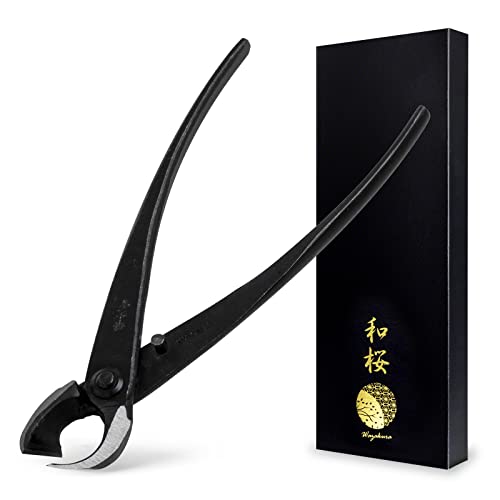
Wazakura tools are hand-forged in Japan. This 8-inch concave cutter shows that care. The steel is tough and holds a wicked edge. The straight-edge profile gives a clean, concave bite when used at the right angle. The black finish looks classic and resists light rust with oil.
Cutting action is smooth and exact. The balance feels right in the hand. It makes a crisp, shallow hollow that heals even on tricky species. I used it on azaleas and junipers and got neat results. In a Bonsai Concave Branch Cutter Review lineup, this stands as a pro choice with real pedigree.
Pros:
- Hand-forged Japanese steel with excellent edge life
- Smooth, precise action for repeatable cuts
- Clean hollow reduces swelling and scar time
- Durable black finish with basic oil care
- Balanced feel for control and confidence
Cons:
- Higher price than entry-level tools
- Requires careful storage to avoid rust
- Straight edge needs proper angle for best hollow
My Recommendation
If you want a cutter to grow with, pick this. It gives you expert-level cuts with less force. The edge lasts longer, so you spend less time sharpening. In this Bonsai Concave Branch Cutter Review, I rank it high for serious hobbyists and pros. It works across soft and hard species. It also keeps alignment well with time. That saves you headaches on big styling days.
| Best for | Why |
|---|---|
| Serious enthusiasts | Superior steel, edge retention, and balance |
| Mixed species collections | Clean cut on soft and hard woods |
| Long-term investment | Durable build with hand-forged quality |
KAKURI 7″ Concave Branch Cutter (Japan)

KAKURI is known for sharp Japanese tools with clean lines. This 7-inch cutter uses Japanese carbon steel. The round curved blade shape is ideal for flush hollows. It excels at accurate cuts on small to medium branches.
The shorter length helps in tight canopies. You get fine control, even near important jin or shari. The bite feels crisp with little crush. For small trees or indoor work, it shines. In my hands, it made fast, neat wounds ready for paste.
Pros:
- Japanese carbon steel with sharp, quick bite
- Round curved blades create ideal hollows
- Short length for tight canopies and detail work
- Good balance and light feel
- Reliable brand with consistent quality
Cons:
- Short handles limit leverage on thicker wood
- Needs regular oiling to prevent rust
- Smaller size not ideal as your only heavy-duty cutter
My Recommendation
This is a detail-first concave cutter with a premium edge. I suggest it for indoor bonsai and small outdoor trees. If you work under lights or in a small space, the 7-inch length helps a lot. In my Bonsai Concave Branch Cutter Review notes, this tool cut clean with less bark tear. It is a strong choice for finesse work where every millimeter matters.
| Best for | Why |
|---|---|
| Tight canopies | Short length improves maneuverability |
| Small and indoor bonsai | Precise hollow with minimal crush |
| Fine detail finishing | Curved blade geometry excels at flush cuts |
Kikuwa 8″ Bonsai Branch Cutter (Japan)
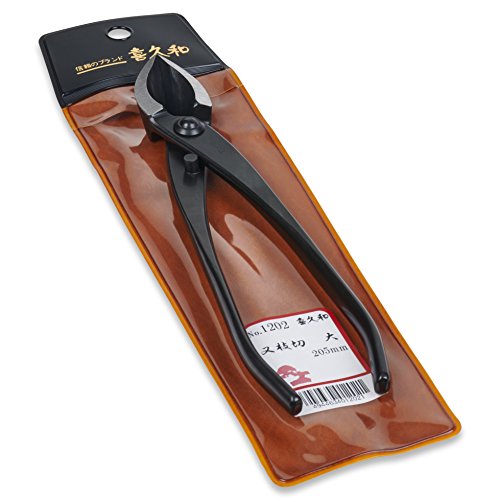
Kikuwa is a respected Japanese maker with tight tolerances. This 8-inch branch cutter feels premium in use. The jaws close clean and true. The steel holds an edge and resists chipping with proper use. The overall geometry supports a neat concave wound.
In action, it handles both cuts and light knob removal. The handles give a stable grip with gloves. I noticed less hand fatigue on longer sessions. It is a reliable main cutter for all-round work. In a Bonsai Concave Branch Cutter Review, this is a high-trust pick for daily use.
Pros:
- Japanese build quality with precise alignment
- Strong edge that resists micro-chips
- Comfortable leverage in an 8-inch frame
- Accurate concave shape for smoother healing
- Durable for long-term bench use
Cons:
- Premium pricing
- Needs care to prevent rust and maintain pivot
- May be overkill for very casual users
My Recommendation
If you need one dependable cutter, this is it. It covers most branch sizes on typical bonsai. It cuts clean, reduces bark tear, and feels solid. For this Bonsai Concave Branch Cutter Review, I rate it as a main tool for committed growers. It rewards good care with years of service. Pay once, and avoid upgrades for a long time.
| Best for | Why |
|---|---|
| Main daily cutter | Balanced size, strength, and precision |
| Quality-focused buyers | Reliable Japanese build and edge retention |
| Mixed garden tasks | Handles cuts and light knob work |
FAQs Of Bonsai Concave Branch Cutter Review
What does a concave branch cutter do?
It removes branches and knobs with a shallow hollow. This shape helps wounds close flush. Scars are smaller and heal faster.
How do I choose the right size?
Pick 7–8 inches for most trees. Smaller tools fit tight canopies. Larger tools give more leverage for thicker wood.
Do I still need to seal the cut?
Yes. A good cutter reduces damage. Sealant protects the wound and supports clean healing.
How often should I sharpen?
Lightly hone after big sessions or when cuts feel rough. Keep it dry and oiled to hold the edge longer.
Can one cutter do all tasks?
One can do most cuts, but many artists use two. A main cutter and a small detail cutter cover more cases.
Final Verdict: Which Should You Buy?
For premium performance, choose Wazakura or Kikuwa. They deliver clean hollows, long edge life, and precise alignment. In this Bonsai Concave Branch Cutter Review, they stand out as long-term buys.
For value or detail work, pick Haosie, VOUIU, or KAKURI. They cut clean and cost less. Match the size to your trees. Your bonsai will heal faster and look better.