Good Potting Soil For Bonsai: Proven Mixes And Tips 2026

The best bonsai soil drains fast, breathes well, and resists compaction.
Picture this: you water your bonsai on schedule, yet leaves still yellow, roots look mushy, and growth stalls. The culprit is often the potting mix. Good Potting Soil For Bonsai prevents soggy roots, keeps air flowing, and delivers nutrients without breaking down into sludge. In small bonsai pots, margins are thin. That is why the right blend of grit, bark, and fired clay makes the difference between a thriving tree and a tired one. I tested top mixes that promise quick drainage, solid structure, and consistent results, then ranked them by performance, value, and ease of use.
Bonsai Supply All-Purpose Mix, 2 Quarts
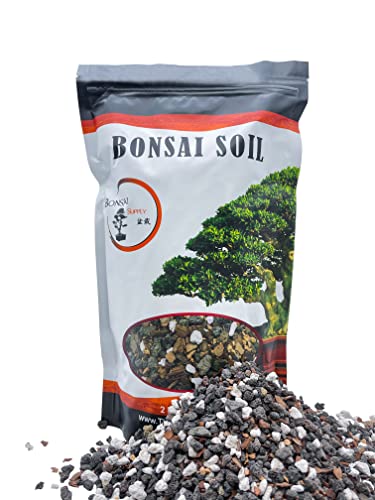
This ready-made blend from The Bonsai Supply mixes pumice, lava rock, calcined clay, and pine bark in a fast-draining ratio. It hits the three bonsai musts: water runs through fast, air stays in the root zone, and the structure does not collapse over time. I like it for both junipers and tropicals because it gives roots room while still holding some moisture. If you want Good Potting Soil For Bonsai that you can use straight from the bag, this is a strong start.
The particle size is consistent, which makes repotting simple. The bark adds a touch of organic matter, so it is not bone dry like pure grit. That helps reduce watering stress for new growers. I also noticed less compaction over a full season, even with frequent watering. It checks the boxes for beginners who want a clean, balanced blend.
Pros
- Fast drainage reduces root rot risk in small bonsai pots
- Stable structure that resists breaking down and clogging
- Even particle size for smooth repotting and wiring work
- Pine bark adds gentle moisture holding without getting soggy
- Arrives ready to use with no sifting needed
- Good crossover for indoor and outdoor bonsai species
- Clean, low-dust mix that keeps work areas tidy
- Supports healthy fine root growth and ramification
- Reliable Good Potting Soil For Bonsai for first-time repots
Cons
- Bag size is small for large collections or big repot seasons
- Advanced users may want to tweak ratios for specific species
- Not as moisture-retentive for very hot, dry climates without tweaks
My Recommendation
This is a no-fuss, balanced Good Potting Soil For Bonsai that fits most trees. If you grow juniper, ficus, elm, or maple and want one mix to cover all, it works well. It shines for learners, gift trees, and anyone who wants clean, repeatable results. Stock an extra bag before spring repotting; it is often sold out during peak season.
| Best for | Why |
|---|---|
| Beginners | Ready to use, drains well, low risk of overwatering |
| Mixed collections | Works for conifers and tropicals without major changes |
| Clean repot setups | Low dust and even particles keep work smooth |
Perfect Plants Bonsai Soil, 2 Quarts

Perfect Plants offers a premium all-purpose bonsai soil that supports a wide range of species. The blend balances grit and organics to keep roots oxygenated while holding a little water. I find it forgiving for people who water once a day and do not want extremes. It is a Good Potting Soil For Bonsai if you rotate trees indoors and outdoors across seasons.
Particles feel uniform, with a light, crisp texture that does not compact fast. The mix stays open over many water cycles, which helps develop fine feeder roots. It also pairs well with typical bonsai fertilizer schedules. If you want a straightforward, brand-backed mix with steady results, this one earns its spot.
Pros
- Balanced moisture and airflow for steady root health
- Uniform particles that help prevent compaction
- Easy to use for first repots or gift trees
- Compatible with common bonsai species and styles
- Good Potting Soil For Bonsai for indoor tropicals like ficus
- Reduces risk of overwatering compared to peat-heavy blends
- Clean bag with fewer fines and dust
- Consistent quality across orders
- Works with standard training pots and small mame sizes
Cons
- 2-quart bag can go fast during repot season
- Very arid regions may require more moisture-retentive tweaks
- Advanced stylists might want larger grit for pines
My Recommendation
If you want Good Potting Soil For Bonsai that “just works,” this is a safe pick. It favors indoor growers and busy hobbyists who still want fast drainage. Consider it for ficus, jade, Chinese elm, and beginner junipers. Price per quart is fair for the quality and saves time on sifting or mixing.
| Best for | Why |
|---|---|
| Indoor bonsai | Holds a touch more moisture without going soggy |
| New hobbyists | Predictable results with less tuning needed |
| Gift trees | Clean, branded mix adds trust and ease |
Professional Bonsai Soil, 2.2 Quarts

This USA-made professional mix blends lava rock, limestone, pea rock, calcined clay, and pine bark. It is a fast-draining, open-structure substrate that shines during heavy watering and rainy spells. The limestone adds buffering for stable pH, while clay and bark fine-tune moisture. In hand, it feels gritty and solid, the sign of Good Potting Soil For Bonsai that can last between repots.
If you train trees outdoors and push growth with fertilizer, this mix keeps roots safe. It encourages quick recovery after root work, which I noticed on a field-grown juniper and a young trident maple. The components are tough and resist crushing, so screens do not clog as fast. It is a reliable pro-tier choice in a handy 2.2-quart size.
Pros
- Durable, fast-draining blend that protects roots in wet weather
- Limestone component can help stabilize pH over time
- Gritty structure promotes fine feeder roots and strength
- Great for vigorous feeding programs and outdoor benches
- Holds shape under load with minimal breakdown
- Clean, screened particles reduce dust in the pot
- Good Potting Soil For Bonsai for conifers and deciduous trees
- Helps trees bounce back fast after heavy root pruning
- Made in the USA for consistent quality control
Cons
- May be too free-draining for very small indoor pots without moss
- Bag size is modest if you repot large bonsai
- Some users may prefer to add more bark for tropicals
My Recommendation
Choose this Good Potting Soil For Bonsai if you keep trees outdoors and water often. It suits juniper, pine, maple, and beech that like air at the roots. If you want strong structure and less breakdown, this mix punches above its price. Keep a bag on hand for emergency repots and post-purchase rescues.
| Best for | Why |
|---|---|
| Outdoor benches | Handles heavy watering and rain with ease |
| Conifers | Air-rich blend supports strong, fibrous root mats |
| After root work | Fast recovery due to stable, oxygen-rich structure |
Bonsai Jack Gritty Mix, 2 Quarts
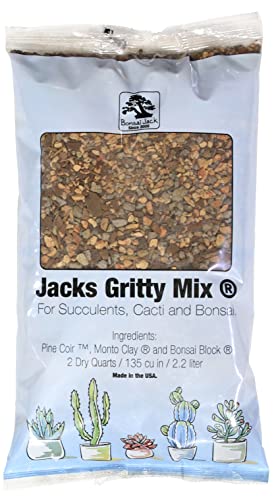
Bonsai Jack is known for precise, low-dust, gritty soil that drains fast and fights rot. The signature blend targets an optimized pH and uses high-quality components that resist breaking down. I have used it for jade, ficus, and black pine training, all with strong root response. It is premium Good Potting Soil For Bonsai for growers who value control and consistency.
The mix is lean and airy, so you water a bit more but enjoy safer roots. Fine feeder roots fill in fast because oxygen stays high. For people in humid regions, this can be a game changer. It pairs well with regular feeding, and the clean particles make repot days smooth and mess-free.
Pros
- Ultra-fast drainage lowers risk of root rot and fungus
- Low fines and dust for a very clean work area
- Optimized pH helps steady nutrient uptake
- Hard, durable particles that hold shape season after season
- Great for species that hate wet feet, like pines and junipers
- Excellent for succulents and tropical bonsai crossover
- Good Potting Soil For Bonsai for humid climates and frequent rain
- Encourages fine root growth and back-budding support
- Trusted brand among advanced hobbyists
Cons
- Pricier than many mixes per quart
- May require more frequent watering in hot, dry zones
- Some species might want a touch more bark for moisture
My Recommendation
If you want precision and the cleanest substrate possible, this is your Good Potting Soil For Bonsai. Buy it if you live in a wet climate, grow conifers, or need a mix that fights rot by design. It is also great if you run a heavy feeding routine and want no sludge. Save it for your best trees and show projects.
| Best for | Why |
|---|---|
| Conifers and pines | Free-draining, air-rich structure suits their roots |
| Humid regions | Prevents waterlogging, even in long rainy spells |
| Advanced growers | Consistent particle control and premium quality |
Professional Bonsai Soil, 8.2 Quarts
This extra-large, ready-to-use professional mix mirrors the 2.2-quart version’s components: lava, limestone, pea rock, calcined clay, and pine bark. The bigger bag is perfect for repot season or larger trees. You get the same fast-draining, structure-first performance, now at a better per-quart value. For Good Potting Soil For Bonsai that can handle a whole bench, this is a smart buy.
I like this size for nursery stock upgrades and forest plantings. The grit stays open, even under thicker root mats, and holds up to heavy watering. It is robust for spring growth pushes with fertilizer. If you run multiple species and want one mix that performs, this bag simplifies your prep.
Pros
- Great value per quart for larger collections
- Same fast-draining, pro-grade structure as the smaller bag
- Limestone buffering can aid pH stability
- Durable particles withstand seasonal stresses
- Good Potting Soil For Bonsai for forest and clump plantings
- Supports heavy feeding and frequent watering
- Reduces repot stress with strong oxygen flow
- Consistent particle sizing for uniform results
- Ideal for workshop days or club repots
Cons
- Bag is bulkier to store in tight spaces
- Very small indoor trees may need extra bark mixed in
- Not the cheapest upfront, though value is strong
My Recommendation
Grab this Good Potting Soil For Bonsai if you repot many trees or run a shared bench. It suits outdoor collections, mixed species, and growers who want one reliable blend all season. The bigger bag saves money and stress. Keep one sealed for your spring rush and one open for mid-season touch-ups.
| Best for | Why |
|---|---|
| Large collections | Better value and enough volume for many pots |
| Outdoor growers | Fast drainage under rain or frequent watering |
| Forest plantings | Stable structure supports uniform root spread |
FAQs Of Good Potting Soil For Bonsai
What makes bonsai soil different from regular potting soil?
It drains fast, stays airy, and resists compaction. Regular soil holds too much water and suffocates roots.
How often should I repot when using Good Potting Soil For Bonsai?
Most trees need repotting every 1–3 years. Fast growers and conifers with heavy watering may need it sooner.
Do I need to add fertilizer to these mixes?
Yes. These mixes are low in nutrients. Feed on a schedule using organic cakes or balanced liquid feed.
Which mix is best for indoor tropicals like ficus?
Choose a blend with a touch more bark for moisture, like the all-purpose or Perfect Plants mix.
Which mix is best for pines and junipers?
Go for very free-draining, gritty blends, like Bonsai Jack or the professional mixes.
Final Verdict: Which Should You Buy?
For most people, Bonsai Supply All-Purpose Mix is the easiest Good Potting Soil For Bonsai to start with. It is clean, balanced, and ready to use.
If you want top performance, pick Bonsai Jack for conifers or wet climates. Need more volume and value? The 8.2-quart professional mix delivers.
