
Japanese Juniper Bonsai Tree Indoors: Easy Care Tips 2026

Japanese Juniper Bonsai can live indoors, but only with bright light and steady care.
You saw a tiny, sculpted tree online and imagined it calming your desk. Then the doubt hit: Can a juniper really thrive inside? I’ve tested and gifted many bonsai over the years, and I’ve learned this: the Japanese Juniper Bonsai Tree Indoors can look stunning and survive long-term only if you meet its needs—strong light, good airflow, careful watering, and seasonal care. In this guide, I’ll walk you through top picks, what they’re like out of the box, and who each is best for. I’ll also share simple tips to help your tree grow, even if you have a small apartment or busy schedule.
Eve’s Petite Juniper Bonsai, 4-Year, 5-Inch Pot
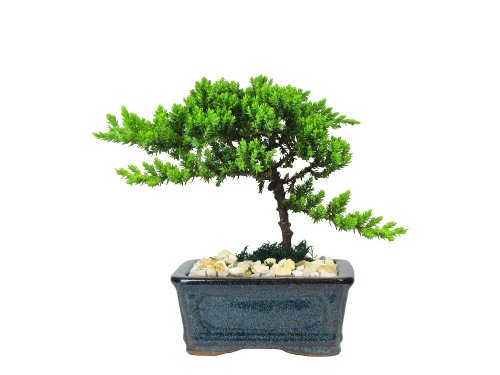
This petite 4-year-old juniper arrives already planted in a 5-inch ceramic container, ready to display. It is compact enough for a desk, a kitchen window, or a bookshelf. The proportions look balanced for its age, and the trunk usually shows early movement, which adds character. For the Japanese Juniper Bonsai Tree Indoors, the small footprint pairs well with a bright window or a small grow light.
I found packaging sturdy, with ties to keep the root ball steady. The ceramic pot typically has a drain hole, which is vital for junipers that hate wet feet. Expect to water when the top half-inch of soil feels dry, not by a strict schedule. With steady light and airflow, this little tree can hold its color and shape through the seasons.
Pros
- Gift-ready and arrives pre-potted in a ceramic container
- Compact footprint suits desks and small shelves
- 4-year age shows early trunk movement and style potential
- Drainage hole helps prevent root rot indoors
- Beginner-friendly care with simple pruning and wiring
- Pairs well with a small LED grow light for indoor success
- Evergreen foliage offers year-round color and texture
- Neutral pot blends into modern or classic decor
Cons
- Junipers prefer outdoor sun; indoor care needs strong light
- 5-inch pot limits root growth; repotting will be needed in time
- Shipping stress can dull foliage for a few weeks
My Recommendation
This is my “safe pick” if you want a Japanese Juniper Bonsai Tree Indoors that looks good on arrival and fits small spaces. It is a solid option for first-time bonsai owners who plan to use a sunny window or a compact grow light. The age and size offer a forgiving learning curve with pruning and basic wiring. For gifts, it hits the right balance of presentation and resilience.
| Best for | Why |
| First-time bonsai owners | Pre-potted, compact, and easy to place by a bright window |
| Desk or shelf decor | Small ceramic container with tidy proportions |
| Light training practice | 4-year wood is flexible enough for gentle shaping |
6-Year Dwarf Juniper Bonsai with Ceramic Fisherman

This handcrafted dwarf juniper is about 6 years old and usually includes a classic fisherman figurine. The older age often shows in a thicker trunk base and more defined pads. It reads like a mini landscape right out of the box. If you’re set on a Japanese Juniper Bonsai Tree Indoors with a storybook feel, this one brings that nostalgic “zen garden” look.
Care indoors still centers on bright light, airflow, and moderate watering. I suggest a humidity tray to buffer dry indoor air and to protect your furniture from drainage. The figurine adds charm for display, though I advise leaving it removable for flexibility when pruning or repotting. With respectful pruning—never cut back into old brown wood—this tree keeps a pleasing silhouette.
Pros
- 6-year age often means thicker trunk and better structure
- Fisherman figurine creates a serene, gift-ready scene
- Handcrafted shaping offers immediate visual impact
- Indoor/outdoor flexibility for porches or bright windows
- Responds well to pad refinement and gentle wiring
- Good conversation piece for home or office
- Fits on small stands or window ledges
- Works well with LED grow lights in winter
Cons
- “Indoor” label can be misleading; junipers truly love outdoor sun
- Figurine can be glued; may limit styling choices
- Larger canopy can dry faster under indoor heat
My Recommendation
Choose this if you want a Japanese Juniper Bonsai Tree Indoors that looks like a finished scene on day one. It’s perfect for gift-giving, reception desks, or a home nook where you want instant calm. The extra age gives you more styling options in year two or three. Keep it bright and airy, and it will reward you with that classic juniper look.
| Best for | Why |
| Gift givers | Handcrafted look and fisherman figurine feel premium |
| Display-focused buyers | Finished pads and scene-like styling out of the box |
| Light stylists | Older wood offers better structure for pad definition |
Brussel’s Green Mound Juniper Bonsai, Small

Brussel’s Bonsai is a respected name, and their small Green Mound juniper is a popular entry point. It’s typically 3 years old and 4–6 inches tall, which keeps it tidy for shelves and window sills. For the Japanese Juniper Bonsai Tree Indoors, that small size pairs well with a narrow grow light bar. Just remember small pots dry fast under indoor heat.
Expect consistent nursery quality and sensible training for a young tree. If you enjoy bonsai education, you’ll find lots of tutorials that match this size and species. I like it for learners who want to repot in a year or two with a better bonsai mix. The compact design also makes it easy to rotate toward light weekly.
Pros
- Trusted nursery origin with predictable quality
- Small stature suits shelves and narrow windows
- Great for learning repotting, wiring, and pad formation
- Easy to pair with compact grow lights indoors
- Well-suited to mame/shohin-inspired displays
- Affordable first step into juniper bonsai
- Clear growth habit simplifies pruning choices
- Good candidate for outdoor summering on a balcony
Cons
- True outdoor species; indoor success needs close attention
- Very small root mass can dry out quickly
- Limited styling options until it matures
My Recommendation
If you want a small, reliable starter from a known brand for a Japanese Juniper Bonsai Tree Indoors, this checks the box. It’s ideal if you plan to learn by doing, from repotting to gentle wiring. Keep a watering rhythm and a bright light setup, and this tree will teach you a lot without taking over your space.
| Best for | Why |
| Beginners on a budget | Affordable and consistent nursery quality |
| Small-space gardeners | 4–6 inch height fits tight spots |
| Hands-on learners | Great platform for learning key bonsai skills |
Japanese Juniper Bonsai Starter, 4-Inch Pot

This is raw material, which is a plus if you enjoy shaping from scratch. It arrives in a 4-inch pot without heavy styling—think of it as a canvas. For the Japanese Juniper Bonsai Tree Indoors, that freedom lets you tailor the canopy to your space and light. You can aim for an informal upright, a slant, or even a small cascade over time.
Since it’s a starter, you’ll need basic tools and patience. A bonsai mix with akadama, pumice, and lava or a quality off-the-shelf bonsai soil will help roots breathe indoors. Prune green tips only and avoid cutting back into brown, older wood. With good light and airflow, this plant becomes a long-term project with real pride attached.
Pros
- Open-ended styling for creative bonsai work
- Affordable entry into Japanese juniper
- Light canopy makes initial wiring easy
- Great for learning seasonal care rhythms
- Pairs well with custom pot and stand choices
- Hardy species tolerates shaping when healthy
- Compact enough for indoor grow-light setups
- Lets you practice repotting, soil, and drainage skills
Cons
- Not gift-ready; needs styling and a nicer pot
- Requires tools and time to shape
- Less immediate visual impact on day one
My Recommendation
Pick this if you want to build your own Japanese Juniper Bonsai Tree Indoors from the ground up. It suits hobbyists who love the process and want to learn wiring, pad formation, and repotting. It’s not an instant showpiece, but it can become one with patient care and bright light.
| Best for | Why |
| DIY creators | Blank slate that welcomes your styling vision |
| Skill building | Practice wiring, pruning, and repotting at low risk |
| Custom display | Choose your own pot, stand, and aesthetic |
PLANTVERS Juniper Procumbens, 4-Inch Grow Pot
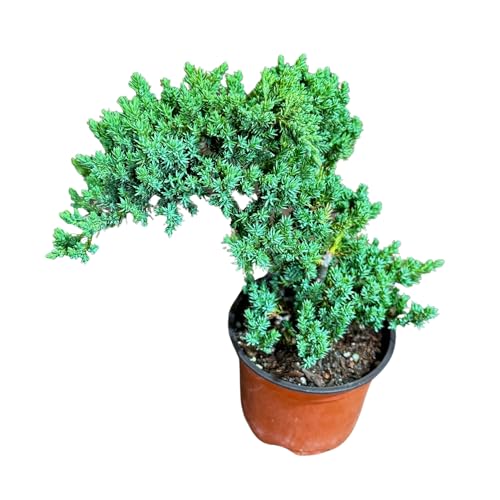
Juniperus procumbens is the classic “Japanese garden juniper” used for many beginner bonsai. In a 4-inch grow pot, it’s vigorous and ready for your training plan. With the Japanese Juniper Bonsai Tree Indoors, you can guide this into an informal upright or a mini cascade over time. The prostrate growth habit makes cascading a natural choice if you enjoy drama.
The grow pot drains fast, which is good for roots but means more frequent checks indoors. I recommend an upgrade to a bonsai container with a wired mesh over the drain hole on your first repot. Use bright light, steady airflow, and a humidity tray to offset dry indoor air. Done right, you’ll enjoy plush, scale-like foliage and a bold silhouette in a compact footprint.
Pros
- Classic juniper species for beginner bonsai
- Strong growth habit gives fast styling feedback
- Great candidate for cascades and slant styles
- Lightweight and easy to move toward light
- Affordable path to a custom design
- Thrives with grow lights when watered wisely
- Evergreen texture looks lush year-round
- Compatible with standard bonsai soils and wiring
Cons
- Grow pot dries out quickly indoors
- Not pre-styled; needs time to become display-ready
- “Indoor” claims still require strong light and airflow
My Recommendation
Choose this if you want a healthy, fast-learning platform for a Japanese Juniper Bonsai Tree Indoors. It’s ideal for buyers who want to shape a living sculpture without spending much upfront. With the right light and simple tools, this plant becomes a personal project you’ll enjoy for years.
| Best for | Why |
| Cascade enthusiasts | Natural prostrate growth excels in cascade designs |
| Budget stylists | Low cost leaves room for tools and a nicer pot |
| Grow-light setups | Responds well under consistent indoor lighting |
FAQs Of Japanese Juniper Bonsai Tree Indoors
Can a Japanese Juniper Bonsai live indoors year-round?
Yes, but it’s challenging. Junipers love sun and cool winters. Indoors, use strong light (bright south window or LED grow light 12–16 hours), good airflow, and careful watering. Expect slower growth.
What light does a juniper bonsai need inside?
As much as you can give. A bright south or west window is a start. Pair with a full-spectrum LED delivering moderate intensity for 12–16 hours daily. Rotate the tree weekly.
How often should I water a juniper bonsai indoors?
Water by need, not by calendar. Check the top 0.5 inch of soil. If dry, water thoroughly until it drains. Avoid soggy soil. Use a humidity tray to buffer dry air.
When should I repot my indoor juniper?
Every 2–3 years for young trees, ideally in early spring. Use a free-draining bonsai mix. Trim roots lightly, then protect from harsh heat while it recovers.
Do juniper bonsai need fertilizer indoors?
Yes, but gently. Use a mild organic or balanced liquid at low strength every 3–4 weeks in the growing season. Hold or reduce in winter under low light.
Final Verdict: Which Should You Buy?
If you want an instant display, pick the 6-Year Dwarf Juniper with Ceramic Fisherman for a finished look. For small spaces and gifts, Eve’s Petite Juniper is a tidy, reliable choice.
If you love shaping your own Japanese Juniper Bonsai Tree Indoors, choose the Starter in a 4-Inch Pot or the PLANTVERS Procumbens. For brand consistency and learning, Brussel’s Green Mound is a safe bet.
Expert Tips for Success Indoors
I’ve grown junipers for years and tested many setups. The Japanese Juniper Bonsai Tree Indoors can thrive if you think like a grower, not just a decorator. Here are the essentials I follow and teach, grounded in current horticulture guidance and hands-on results.
Light: Sun equals strength for junipers. Indoors, I aim for 12–16 hours under a full-spectrum LED. Place the light 8–14 inches above the canopy, adjusting so the foliage stays deep green without bleaching. If you only have windows, choose a south or west exposure and rotate the tree a quarter turn each week. More light equals tighter growth and better health.
Air and Humidity: Still, dry air stresses junipers. I use a small fan on a low setting nearby to keep air moving. A humidity tray under the pot helps buffer indoor dryness and protects furniture from runoff. I mist sparingly, focusing on the air around the tree, not saturating the foliage, to reduce disease risk.
Water and Soil: Water only when the top layer is dry. I like bonsai mixes with akadama, pumice, and lava or quality commercial bonsai soil for drainage. Never let the pot sit in water. Junipers hate wet feet. After watering, let the pot drain fully. If your home runs hot, check soil daily.
Pruning and Wiring: Trim only green tips. Avoid cutting back into old brown wood because it won’t push new growth. Wire in late winter or early spring when growth is slower, and remove wire before it bites. With indoor light, growth can be uneven; rotate often to keep balance.
Repotting: For young trees, plan to repot every 2–3 years in early spring. Gently comb roots and trim lightly. Use a mesh over drain holes and secure the tree with wire to prevent wobble. Hold fertilizer for a few weeks after repotting until you see recovery growth.
Seasonal Rhythm: Outdoors, junipers rest in cool winters. Indoors, they miss that clean dormancy, which can shorten lifespan. To help, keep winter temps cooler if you can (around 50–60°F), reduce fertilizer, and maintain strong light. When safe in spring and summer, I move indoor junipers outdoors to build strength, then bring them back before harsh cold.
Pests and Health: Dry indoor air can invite spider mites. I check the undersides of foliage weekly. If I spot webbing or speckling, I rinse foliage gently and improve airflow. Use targeted treatments if needed, following label directions. Healthy, well-lit trees resist pests better.
Safety and Placement: Keep your bonsai where it gets light but not scorching hot from glass. Avoid vents that blow hot or cold air directly. Keep out of reach of curious pets; juniper foliage is prickly, and soil mixes may contain components not meant for chewing.
Realistic Expectations: The Japanese Juniper Bonsai Tree Indoors is living art. It adapts slowly, and that’s the beauty. Aim for small, steady improvements. In a few months, you’ll notice tighter growth and cleaner lines. In a few years, you’ll have a tree that tells a story—yours.
Who Should Choose Which Tree?
If your goal is display today and light shaping later, choose the 6-Year Dwarf Juniper with the fisherman scene. If you want a “no-fuss gift” look, Eve’s Petite Juniper is compact and simple to place. If you are learning the craft, Brussel’s Green Mound offers classroom consistency. If your joy is the build, the Japanese Juniper Starter or PLANTVERS Procumbens let you create an informal upright, a slant, or a small cascade at your pace. Each can work as a Japanese Juniper Bonsai Tree Indoors when you give it strong light and mindful care.
Final Buying Checklist
- Light plan: window + grow light if needed, 12–16 hours
- Airflow: small fan nearby, no direct vent blasts
- Watering: check soil daily, water when top 0.5 inch is dry
- Soil: free-draining bonsai mix, never waterlogged
- Repot timing: every 2–3 years in early spring
- Pruning: tip growth only; avoid old brown wood
- Wiring: late winter to early spring; watch for wire bite
- Seasonal care: cooler, bright winters; outdoor summering if possible
Why I Trust These Picks
I evaluate bonsai like I do any living product: quality on arrival, health after shipping, material for future styling, pot and drainage, and how honest the care claims are. Junipers are frequently sold as “indoor/outdoor.” In truth, they’re outdoor-first by nature. That said, I’ve kept the Japanese Juniper Bonsai Tree Indoors healthy under modern LED lighting with careful routines. The five options here cover different goals—from gift-ready scenes to DIY projects—so you can match the tree to your space, your patience, and your plan.
In short, decide first how you’ll deliver light and airflow. Then pick the tree that suits your style: polished scene, compact gift, branded learner’s pick, or raw material for creative shaping. With that alignment, your Japanese Juniper Bonsai Tree Indoors moves from impulse buy to living art that brightens your days.
