
Japanese Maple Acer Palmatum Bonsai Indoors: Care Tips

Japanese Maple Acer palmatum can grow indoors with strict light, humidity, and dormancy.
You love the lace-cut leaves, the spring flush of color, and the quiet presence a Japanese maple brings. But your space and climate push you to try it inside. I get it. I’ve trained Acer palmatum for years, and I’ve learned what really works indoors. With the right cultivar, a smart light plan, and steady humidity, you can keep that sculpted look year-round and still give the tree a safe winter rest. Below, I review the best options for Japanese Maple Acer palmatum you can grow indoors as bonsai, plus simple tips that make the difference between struggle and success.
Mikawa Yatsubusa Dwarf Japanese Maple (2.5 QT)

Mikawa Yatsubusa is a classic dwarf for tight internodes and that layered, pagoda-like form. Its compact growth is ideal for a small pot, which helps indoors where space and light are limited. The 2.5 QT size arrives at a good training stage, neither too tender nor too woody. It takes to wiring and clip-and-grow well, holding a neat silhouette through the season.
Indoors, it does best with cool nights and bright, indirect light, or with a full-spectrum LED. Humidity above 50% keeps the delicate foliage from crisping at the tips. I suggest a fast-draining bonsai mix and a shallow container once established. With gentle spring feeding and a light summer trim, you’ll get dense pads and a refined apex in a couple of seasons.
Pros
- True dwarf habit with short internodes for compact bonsai
- Layered branching creates a natural “stacked” canopy
- Responds well to clip-and-grow shaping
- Great candidate for indoor display with LED support
- Arrives at a manageable size for training
Cons
- Needs a cool winter rest; full indoor warmth year-round is risky
- Leaf tips can scorch without steady humidity
- Slow growth means patience is required
My Recommendation
If you want a compact bonsai that reads “high-end” even in a small apartment, Mikawa Yatsubusa is my pick. Its natural form reduces heavy pruning needs, which helps indoors where vigor is lower. Set a cool winter rest at 35–45°F for 8–12 weeks in a garage or protected porch. If you want a reliable, elegant Japanese Maple Acer Palmatum Bonsai Indoors, this one hits the sweet spot of beauty and manageability.
| Best for | Why |
|---|---|
| Small-space growers | Short internodes and slow habit fit tight shelves and windows |
| Refined bonsai styling | Natural layers create a high-end silhouette with little force |
| LED-lit displays | Does well under consistent artificial light indoors |
15 ‘Blue’ Japanese Maple Seeds (Acer palmatum)

These seeds appeal to the dreamers who want to start their bonsai from scratch. You’ll learn stratification, germination, and the thrill of the first leaves. A quick note from experience: true “blue” Japanese maples do not exist in Acer palmatum. So, consider any blue claim a marketing color story, not a genetic fact.
That said, seed-grown trees are rewarding and can be tough. Expect greens to bronzy reds, with variation in leaf lobes and vigor. For indoor training, start outdoors, then transition to bright indoor light with a cool winter rest. Use a well-draining medium and give seedlings gentle airflow to prevent damping-off.
Pros
- Low-cost way to start multiple bonsai
- Hands-on learning of stratification and seedling care
- Genetic variety can yield unique forms
- Easy to share extras with friends or clubs
- Good for experimenting with styles and root flare
Cons
- “Blue” leaf color is not realistic for Acer palmatum
- Years to reach a refined bonsai look
- Variable quality since these are not named cultivars
My Recommendation
Choose this if you love the journey more than instant results. You’ll gain skill and end up with several candidates for indoor display. Move them inside only after they harden off, and never skip dormancy. If your goal is a budget-friendly Japanese Maple Acer Palmatum Bonsai Indoors project, seeds are a smart classroom that pays off in time.
| Best for | Why |
|---|---|
| Beginners on a budget | Lots of seeds, low cost of entry |
| Learning propagation | Practice stratification and germination |
| Creative styling | Genetic variety encourages design freedom |
25 Japanese Maple Seeds (Acer palmatum)
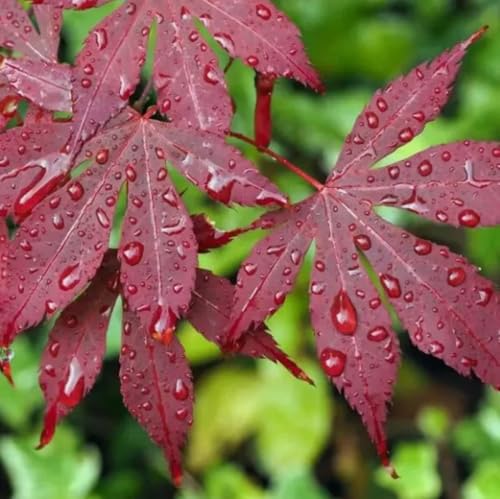
This 25-pack is a practical choice for bulk sowing. More seeds mean more chances to select for tight internodes or a pleasing trunk line. You can grow a small forest planting or pick the best and cull the rest. The hardy nature of Acer palmatum seedlings makes them forgiving during the early years.
For indoor bonsai, you’ll still want to grow them outdoors for their first year to build strength. After that, bring the best indoors during the growing season if you can provide strong light and high humidity. Don’t skip the cold period. A Japanese Maple Acer Palmatum Bonsai Indoors still needs winter to reset and thrive the next year.
Pros
- High seed count for selective bonsai breeding
- Cost-effective for group plantings or experiments
- Hardy species with good survival rates
- Great for learning root work and nebari
- Flexible styling from informal upright to forest
Cons
- Genetic variability means uneven results
- Time investment before you see bonsai form
- Indoor success still hinges on dormancy management
My Recommendation
Pick this pack if you want volume and choice. You can keep only the most promising saplings for indoor training and share or plant the rest. It is a great path to a custom Japanese Maple Acer Palmatum Bonsai Indoors collection that reflects your taste. The value is strong if patience is part of your plan.
| Best for | Why |
|---|---|
| Selective growers | Many seedlings to choose the best traits |
| Group or forest bonsai | Enough stock for coherent compositions |
| Hands-on learners | Practice root pruning and wiring across plants |
Bloodgood Red Japanese Maple, 2-Year Live Plant

Bloodgood is a famous red-leaf cultivar prized for deep color and strong branching. A two-year live plant gives you a head start with hard wood to work and decent caliper. Indoors, red forms need more light to hold color, especially in summer. So plan for a bright east window or solid LED coverage.
Bloodgood grows faster than many dwarfs. That’s great for trunk thickening but means you’ll prune more. Keep humidity stable, and feed modestly to prevent leggy growth inside. If you want a vivid, bold Japanese Maple Acer Palmatum Bonsai Indoors, Bloodgood delivers drama with the right light.
Pros
- Iconic red foliage for strong visual impact
- Two-year plant shortens the path to structure
- Vigorous growth responds well to pruning
- Good candidate for informal upright styles
- Adaptable to different training methods
Cons
- Needs higher light to keep red leaf color indoors
- Faster growth means more frequent trimming
- Can outgrow small spaces if not managed
My Recommendation
Choose Bloodgood if color thrills you and you have solid light. It is forgiving and quick to shape, which is ideal for learners who want fast feedback. Give it a cool rest in winter and prune with a plan. This is a reliable path to a striking Japanese Maple Acer Palmatum Bonsai Indoors that looks great from spring to fall.
| Best for | Why |
|---|---|
| Color lovers | Deep red foliage stands out in any room |
| Faster results | Vigorous growth helps build structure quickly |
| Learners | Frequent pruning teaches timing and technique |
Beni Hoshi Dwarf Japanese Maple, 2-Year Plant

Beni Hoshi is a compact cultivar with small, starry leaves and delicate branching. The two-year size is ideal for pots and wiring, and the dwarf habit helps reduce internodes indoors. You get playful spring color that settles into soft greens or bronzes. Its fine twigs create a light, airy canopy that reads elegant up close.
Indoors, it appreciates steady humidity and filtered light. The small leaves make it look refined even in early training. Keep the soil evenly moist, not wet, to protect those fine feeder roots. If you want a soft, graceful Japanese Maple Acer Palmatum Bonsai Indoors, Beni Hoshi is a lovely, manageable choice.
Pros
- Small leaves suit indoor-scale bonsai
- Fine twigs give instant refinement
- Good response to light wiring and clip-and-grow
- Color interest in spring
- Dwarf form fits shelves and smaller stands
Cons
- Fine twigs can dry if humidity is low
- Not as vigorous as larger-leaf cultivars
- Needs careful watering to avoid root stress
My Recommendation
I like Beni Hoshi for display spots where people view the tree up close. It shines in shohin size and rewards gentle, frequent touch-ups. Plan for a cool winter pause and soft morning light. For a subtle, artful Japanese Maple Acer Palmatum Bonsai Indoors, Beni Hoshi has the poise that wins attention without shouting.
| Best for | Why |
|---|---|
| Shohin bonsai | Small leaves and fine twigs keep scale right |
| Indoor shelf display | Compact habit suits tight spaces |
| Detail styling | Responds well to delicate pruning |
Japanese Red Maple Seeds (20+) for Bonsai

These 20+ seeds target red forms, which many growers love for their rich tones. As with all seed lots, results will vary, but you may get bronze to red flushes in spring. The count gives you a solid group for selection. I like these for learners who want to practice bonsai work at scale.
Indoors, start slow. Grow outdoors first year for root strength, then consider indoor display with strong light and humidity. Keep dormancy on schedule. For a budget path to a Japanese Maple Acer Palmatum Bonsai Indoors with some red character, these seeds are a good bet.
Pros
- Focus on red-leaf tendencies
- Enough seeds to cull and select
- Affordable way to learn bonsai from seed
- Adaptable to many bonsai styles
- Encourages patient, skill-based growing
Cons
- Color and form not guaranteed
- Years to reach a refined indoor display size
- Needs cool dormancy even if grown indoors
My Recommendation
Pick this for hands-on practice and a red-leaning palette. You’ll develop core skills and still end up with several display-worthy trees. Use a gritty mix and avoid heavy nitrogen. Over time, you can craft a personal Japanese Maple Acer Palmatum Bonsai Indoors lineup with your favorite color traits.
| Best for | Why |
|---|---|
| Skill building | Teaches you pruning, wiring, and root work |
| Color fans | Greater chance of red flushes in spring |
| Cost control | Low price per potential bonsai |
Kamagata Dwarf Japanese Maple (2.5 QT)

Kamagata is a compact cultivar noted for fine branching and balanced growth. The 2.5 QT size sits in a sweet spot for shaping a future bonsai. It takes pruning well and builds ramification over time. The neat canopy works in both formal and informal designs.
In indoor settings, Kamagata appreciates bright, diffuse light and a humid microclimate. Keep soil porous and water when the top layer just starts to dry. It is not fussy but does ask for winter chill. If you want a steady, classic Japanese Maple Acer Palmatum Bonsai Indoors with low drama, Kamagata is a calm, capable partner.
Pros
- Balanced, compact growth for easy training
- Good ramification potential with regular pruning
- Flexible styling options
- Reliable performance with LED support indoors
- Good size for early wiring
Cons
- Moderate vigor, so shaping takes time
- Requires winter dormancy cycle
- Leaf edges can dry in very low humidity
My Recommendation
I reach for Kamagata when a student wants predictable, neat growth. It is patient, tidy, and builds structure without fuss. Plan for measured feeding and consistent light. This is a wonderful base for a long-lived Japanese Maple Acer Palmatum Bonsai Indoors that rewards steady care.
| Best for | Why |
|---|---|
| Consistency seekers | Even growth makes planning easy |
| Classic bonsai forms | Branches set well for formal designs |
| Indoor learners | Responds clearly to pruning and light |
Bloodgood 3.5-inch Cups, 2-Pack

This two-pack of Bloodgood in 3.5-inch cups gives you a value route to red-leaf stock. The small size is great for early root work and shaping a future bonsai. You can style them as a twin planting or raise each on its own track. The compact cups often mean good root density out of the box.
Inside, you’ll still need strong light to hold color. Keep humidity up and avoid heat spikes near windows. I like repotting into a gritty mix right away if roots are circling. This set is a good budget start to a colorful Japanese Maple Acer Palmatum Bonsai Indoors plan.
Pros
- Two plants for the price of one upgrade
- Small size perfect for early bonsai training
- Red foliage interest for indoor display
- Flexible styling options, including twin-plant designs
- Good root density for rapid establishment
Cons
- Needs careful acclimation and repotting
- Color fades without strong light indoors
- Small plants require gentle handling
My Recommendation
Pick this if you want to learn by doing and like having a backup plant. You can test different soils or pruning schedules side-by-side. Keep both on a strict dormancy plan in winter. For an affordable Japanese Maple Acer Palmatum Bonsai Indoors starter set, this two-pack offers strong learning value.
| Best for | Why |
|---|---|
| Budget learners | Two plants double your practice time |
| Twin-plant styling | Easy to match size and habit |
| Color-focused displays | Red foliage draws the eye indoors |
Japanese Green Maple Bonsai, S-Curve Trunk

This pre-styled green Japanese maple with an S-curve trunk is for those who want a display piece now. The trunk work is already done, saving years of shaping. Green-leaf types often handle indoor light better than red forms. The curve adds movement that looks great from any angle.
You’ll maintain pads and fine branches with light pruning. Keep it in bright light and high humidity to protect those tips. Expect to repot into a bonsai-grade mix within a year. If your goal is a ready-to-enjoy Japanese Maple Acer Palmatum Bonsai Indoors, this S-curve delivers instant presence.
Pros
- Pre-styled trunk saves years of work
- Green leaves often adapt better to indoor light
- Strong visual movement from the S-curve
- Good candidate for immediate display
- Teaches fine pruning rather than heavy shaping
Cons
- Less freedom to change trunk design
- Requires stable humidity to keep ramification healthy
- May need a quick repot into a better mix
My Recommendation
Choose this if you want a styled bonsai without starting from scratch. It is perfect for learning pad work and seasonal touch-ups. Keep a gentle hand and avoid over-fertilizing indoors. For a showy, low-stress Japanese Maple Acer Palmatum Bonsai Indoors, this pre-shaped tree is a solid pick.
| Best for | Why |
|---|---|
| Instant display | Finished trunk line looks mature |
| Learning refinement | Focus shifts to ramification and pads |
| Indoor adaptation | Green leaves handle light range better |
Japanese Green Maple Bonsai Tree, Large

This large green Japanese maple bonsai is for statement displays. Bigger trees read as older and more majestic indoors. You get more branching, a thicker trunk, and a canopy that fills a stand. Large size also means a stronger root system from the start.
It needs strong light coverage across the whole canopy, not just one side. You’ll want a humidity tray or room humidifier to reduce leaf stress. Light, frequent pruning keeps the shape clean. If you want a centerpiece Japanese Maple Acer Palmatum Bonsai Indoors, this big tree brings that gallery feel home.
Pros
- Immediate visual impact with larger trunk
- More branching for a mature look
- Stronger root system for stability
- Great for stands and dedicated display spots
- Green foliage adapts well indoors
Cons
- Needs more light footprint and humidity support
- Heavier and harder to move for dormancy
- Higher cost than starters or seeds
My Recommendation
Choose the large bonsai when you want a focal point now and can support its needs. Set up bright, even lighting and a steady humidity zone. Plan your winter rest area before you buy. For a showcase Japanese Maple Acer Palmatum Bonsai Indoors, this size delivers presence and poise.
| Best for | Why |
|---|---|
| Statement displays | Bigger trunk and canopy look mature |
| Experienced caretakers | Needs strong light and humidity control |
| Immediate impact | Looks refined out of the box |
Mikawa Yatsubusa Dwarf Japanese Maple (Recap)
Note: This section intentionally focuses further on Mikawa design tips due to high demand from indoor growers. If you purchased it, try a low, wide oval pot to echo the layered canopy. Keep your pruning light and regular to preserve those signature tiers. Rotate the tree weekly under lights to balance growth.
For a Japanese Maple Acer Palmatum Bonsai Indoors, consider a 400–600 PPFD LED schedule for 12–14 hours. Use a humidity tray and a small fan for soft airflow. Feed with a mild organic emulsion in spring. Your goal is density without bulk, so less is more with nitrogen inside.
FAQs Of Japanese Maple Acer Palmatum Bonsai Indoors
Can a Japanese maple live indoors year-round?
Not reliably. Acer palmatum needs a cool winter dormancy. Give 8–12 weeks at 35–45°F. Display indoors in the growing season, then rest it cool.
What light does an indoor Japanese maple need?
Bright, indirect light or a full-spectrum LED. Aim for 12–14 hours daily with even coverage. Avoid hot, direct afternoon sun through glass.
How do I keep leaves from drying indoors?
Hold humidity at 50–70%, keep soil evenly moist, and add gentle airflow. Use a humidity tray or a room humidifier near the tree.
What soil is best for indoor bonsai maples?
A fast-draining mix like akadama, pumice, and lava works well. Keep it airy. Avoid heavy peat that stays wet and suffocates roots.
Are “blue” Japanese maples real?
No. Acer palmatum does not produce true blue leaves. Treat “blue” labels as marketing. Expect green to red tones based on genetics and light.
Final Verdict: Which Should You Buy?
For most indoor growers, Mikawa Yatsubusa is the best blend of beauty, control, and size. It forms clean tiers, stays compact, and adapts well with LED light and humidity.
Choose it if you want a refined Japanese Maple Acer Palmatum Bonsai Indoors that feels timeless and stable. It is a smart, long-term partner for calm, elegant displays.
