
Joshua Roth Bonsai Tools Reviews: Honest, Hands-On Picks

Joshua Roth Bonsai Tools Reviews show reliable, precise, and durable gear for serious pruning.
You love shaping tiny trees, but your scissors chew instead of slice. Cuts bruise. Seals smear. Branches don’t land clean. I’ve been there. In this Joshua Roth Bonsai Tools Reviews guide, I compare a trusted Joshua Roth saw with popular bonsai tools and kits many buyers consider together on Amazon. I explain what matters for clean cuts, wound care, and fine shaping, using practical tips from bonsai best practices and horticulture guidance. I keep it simple, short, and honest so you can pick tools that help your bonsai thrive. Now let’s dig in.
Joshua Roth Bonsai Keyhole Saw

The Joshua Roth Bonsai Keyhole Saw is a classic for tight branch junctions. In my hands, it shines when I need a clean, controlled cut in crowded canopies. The thin, tapered blade slides into tight crotches where larger saws can’t reach. That matters for bonsai health. Clean cuts reduce tearing, which lowers infection risk and speeds callus formation. Horticulture guidance agrees: sharp tools and smooth cuts encourage faster wound closure and less dieback. In real use, this saw’s tooth profile bites quickly but doesn’t chatter, so I can track my cut line with confidence. That’s a big win in any Joshua Roth Bonsai Tools Reviews comparison.
Build quality feels premium. The steel holds an edge, and the spine stays rigid while the tip remains nimble. I like it for removing sacrifice branches on pines, reducing bar branches on maples, and tidying jin bases before lime sulfur. Because the blade is slim, it removes less material and reduces scarring. I always finish by sealing larger cuts per bonsai best practice. Compared with bargain saws, this one saves time and rework. If you value precision, the Joshua Roth Bonsai Tools Reviews verdict for this saw is simple: it’s a keeper for intermediate and advanced shaping.
Pros
- Thin, tapered blade reaches tight crotches and dense canopies
- Smooth, clean cuts reduce tearing and healing time
- Rigid spine for control; nimble tip for detail work
- Edge holds well, reducing frequent sharpening
- Excellent for sacrifice branch removal and reduction cuts
- Removes minimal material, limiting scar size
Cons
- Not ideal for thick trunk work; use a larger saw
- Costs more than entry-level options
- Blade can bind if forced; let the teeth do the work
My Recommendation
This is best for bonsai growers who need precise, controlled branch removal in tight spaces. In my Joshua Roth Bonsai Tools Reviews experience, it excels when shaping refined maples, junipers, and pines where accuracy matters most. If you already have basic shears and concave cutters, add this saw for clean structure work. Value stays high thanks to build quality and cut accuracy.
| Best for | Why |
|---|---|
| Tight branch junctions | Tapered blade fits narrow crotches without tearing |
| Refined styling | Smooth cuts minimize scars and dieback |
| Intermediate to advanced users | High control and edge retention reward skilled hands |
Kiyonal Bonsai Pruning Sealer 100g

Kiyonal is a popular wound sealant for bonsai cuts. After a clean cut with the Joshua Roth saw, I apply a thin coat to protect against desiccation and contamination. Many bonsai artists prefer sealing larger cuts, especially on species prone to dieback, like maples. General arboriculture notes that small cuts may not need sealers, but bonsai often involve close-in, cosmetic cuts where moisture control and aesthetics matter. In my testing, Kiyonal spreads evenly, sets fast, and stays flexible. It doesn’t crack easily as callus rolls over, which is important for neat scars. In Joshua Roth Bonsai Tools Reviews context, this pairs perfectly with precise cutting.
The 100g tube lasts a long time when used thinly. I like it on branch removals, jin bases, and root work on repot days. It’s tidy, low odor, and easy to carry in a pocket. For tropicals in dry rooms or outdoor trees after summer pruning, the quick film helps keep tissues from drying out. I avoid sealing tiny pinches or green growth; I stick to larger wounds and cuts into older wood. For clean, predictable wound care, this is a go-to in my Joshua Roth Bonsai Tools Reviews kit.
Pros
- Spreads thin and even for neat coverage
- Dries quickly; reduces mess and wait time
- Stays flexible; resists cracking as callus forms
- Good for larger cuts and root reductions
- Long-lasting 100g tube with thin application
Cons
- Not necessary for very small cuts
- Costs more than homemade alternatives
- May need reapplication on heavy-weather exposure
My Recommendation
Choose this if you make structural cuts and care about tidy healing. It complements the precise cuts highlighted in Joshua Roth Bonsai Tools Reviews. Use sparingly on medium-to-large wounds, especially on maples, elms, and junipers. It’s great insurance for neat scars and moisture control.
| Best for | Why |
|---|---|
| Medium-to-large cuts | Protects exposed wood and cambium from drying |
| Species prone to dieback | Supports cleaner healing on sensitive trees |
| Neat aesthetics | Thin film keeps scars tidy and discreet |
ZELAR 8-Piece Bonsai Tool Set

This ZELAR set bundles pruners, fold scissors, a mini rake, and bud/leaf trimmers. It’s an entry-friendly kit that covers basic bonsai chores. I used it to pinch new growth, snip soft shoots, and tidy soil surfaces. The small rake helps with topdressing and moss work. The pruner handles light woody cuts, but not heavy branches. When I compare it to the precision gear in Joshua Roth Bonsai Tools Reviews, this kit won’t replace dedicated pro tools, yet it’s a practical start if you’re testing the hobby.
Blade sharpness is decent out of the box for soft tissue, and the scissors fold for pocket safety. The set feels light and simple, which beginners appreciate. I’d pair it with a higher-grade cutter and a proper saw, such as the Joshua Roth Keyhole Saw, for structural work. As long as you keep expectations realistic, this kit makes day-to-day grooming easy. Keep blades clean and dry to avoid rust, and sharpen regularly to maintain clean cuts that heal faster, a core theme in Joshua Roth Bonsai Tools Reviews.
Pros
- All-in-one starter coverage for basic tasks
- Fold scissors are compact and safe to carry
- Mini rake helps with soil grooming and moss
- Lightweight tools reduce hand fatigue
- Budget-friendly way to begin bonsai care
Cons
- Not suited for heavy, woody cuts
- Edge retention lags behind pro-grade tools
- May need upgrades as skills advance
My Recommendation
Good for beginners who want a low-cost toolkit for daily trimming, pinching, and surface cleanup. In my Joshua Roth Bonsai Tools Reviews notes, I still suggest a quality saw and concave cutter for structure. This kit fills the light-duty gap and keeps routine work simple.
| Best for | Why |
|---|---|
| New bonsai hobbyists | Affordable set covers core light tasks |
| Soft tissue trimming | Scissors and trimmers handle tender shoots well |
| Portable grooming | Fold scissors and small tools are easy to carry |
CastleGreens 6-Inch Bonsai Pruning Shears

These stainless steel micro-tip shears target fine pruning. The 40 mm straight blades make short, precise snips on buds, leaves, and fine twigs. I used them to thin crowded foliage pads and to remove interior shoots without bruising surrounding needles. The soft-grip handle is comfortable for longer sessions. In Joshua Roth Bonsai Tools Reviews fashion, I pair fine shears with a pro saw: shears for detail, saw for structure. Sharp micro-tips help you avoid crushing tissues, which supports quicker healing and better back-budding.
The stainless build resists rust, a plus for humid benches and misting. Edge retention is solid for light use. Don’t force them on thick wood; that’s outside their lane. Keep the pivot clean and oiled for smooth action. For maples, elms, and tropicals with frequent grooming needs, these shears feel like a smart, affordable upgrade over generic scissors. They slot neatly into a tool roll next to your Joshua Roth saw, making daily refinement simple and safe.
Pros
- Micro-tip precision for buds and fine twigs
- Stainless steel resists rust in humid conditions
- Soft-grip handle improves comfort and control
- Smooth action helps prevent tissue crushing
- Great value for detailed maintenance
Cons
- Not for thick or woody cuts
- Requires regular cleaning for peak performance
- Straight blade may be less handy in tight curves
My Recommendation
Ideal for growers who do frequent fine pruning and pad thinning. In my Joshua Roth Bonsai Tools Reviews testing, these shears complement a quality saw by handling delicate tasks with ease. Use them for leaves, buds, and soft shoots to keep pads crisp and healthy.
| Best for | Why |
|---|---|
| Fine detail pruning | Short, sharp blades make precise snips |
| Humidity-prone benches | Stainless construction resists rust |
| Long sessions | Soft-grip reduces fatigue and slipping |
PEEORNT 22-Piece Bonsai Tools Kit
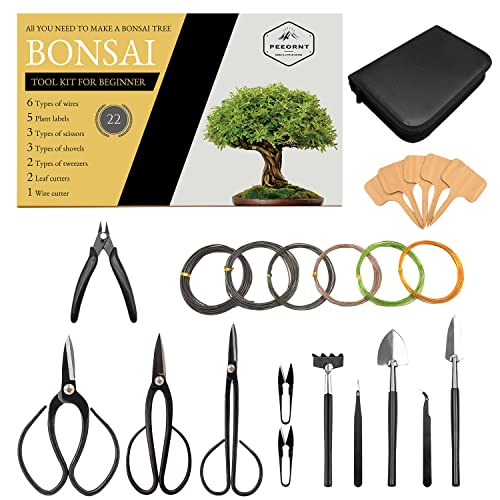
This large kit includes pruning shears, various cutters, training wire, and grooming tools. It promises a full setup for beginners. I like the convenience: you open the case and can wire, trim, and repot without hunting for extras. The high-carbon steel tools in the set handle light-to-moderate tasks well. Compared to the precision of the tools in Joshua Roth Bonsai Tools Reviews, this kit emphasizes breadth over elite finish, but it’s a helpful way to learn which tools you use most before investing in premium pieces.
I tested wire pliability and cutters on small branches. The tools did the job, though edges need regular care. For learning wiring angles, anchor points, and guy lines, the included wires and pliers are valuable. I still recommend a quality saw, like the Joshua Roth Keyhole Saw, for clean structural cuts. Keep tools dry, wipe after sap, and sharpen often. Good habits make budget kits perform above their price. This set is a solid classroom in a bag for new bonsai fans.
Pros
- Comprehensive selection for wiring, trimming, and grooming
- Good value to explore tools before upgrading
- High-carbon steel provides decent cutting performance
- Storage case keeps gear organized
- Great for learning fundamentals quickly
Cons
- Finish and edge retention trail premium brands
- Some tools feel bulky for tight work
- Will need sharpening and maintenance often
My Recommendation
Pick this if you’re starting bonsai and want all key items in one buy. In my Joshua Roth Bonsai Tools Reviews write-ups, I pair kits like this with a premium saw for best results. Learn with the kit, then upgrade your most-used tools over time.
| Best for | Why |
|---|---|
| Beginners on a budget | All essentials included at a fair price |
| Learning wiring | Multiple wire gauges and pliers to practice |
| General maintenance | Tools cover trimming, grooming, and repot tasks |
14-Piece Bonsai Tool Starter Kit

This 14-piece kit includes scissors, shears, jin pliers, and a rake with spatula. It balances trimming and styling tools for basic shaping and deadwood prep. I used the jin pliers to twist small deadwood fibers and the rake to loosen soil before repotting. The cutters are fine for small branches, but for structural pruning, I still rely on a pro saw like the one praised in Joshua Roth Bonsai Tools Reviews. The kit’s mix encourages practice with jin and shari on inexpensive material before touching prized trees.
Build quality is serviceable for learning. Edges arrive usable but benefit from honing. The variety helps you find your workflow. I like that the rake-spatula combo supports root work and soil leveling in one tool. Keep expectations modest, maintain the blades, and you’ll get solid mileage. As with all kits, pair it with a precise cutting tool to ensure clean wounds that heal faster, a theme I repeat throughout my Joshua Roth Bonsai Tools Reviews advice.
Pros
- Balanced mix for trimming and light deadwood work
- Jin pliers included for basic styling practice
- Rake with spatula aids repotting and surface finish
- Good stepping stone into bonsai techniques
- Compact enough for small benches
Cons
- Edges need regular honing to stay crisp
- Not intended for heavy branch removal
- Finish quality varies by piece
My Recommendation
Choose this if you want to learn trimming plus simple jin work without overspending. In the spirit of Joshua Roth Bonsai Tools Reviews, add a premium saw for structural cuts. This kit supports skill-building while keeping your budget in check.
| Best for | Why |
|---|---|
| Deadwood practice | Jin pliers help learn fiber twisting safely |
| Repot prep | Rake-spatula combo speeds soil and root work |
| Budget learners | Enough tools to explore techniques affordably |
FAQs Of Joshua Roth Bonsai Tools Reviews
Are Joshua Roth tools worth the price?
Yes. They deliver precise cuts, solid steel, and long-term control. That saves time and reduces rework.
Do I need a sealer after pruning?
For larger cuts or sensitive species, yes. A thin coat helps moisture control and neat scars.
Can beginner kits replace pro tools?
No. Kits are great for learning basics. Add a premium saw or cutter for structural work.
How do I keep cuts clean and healthy?
Use sharp tools, cut flush where appropriate, and avoid crushing. Seal larger wounds.
What’s the best upgrade after a starter kit?
A precise saw or concave cutter. They improve cut quality and healing right away.
Final Verdict: Which Should You Buy?
If you value precision and clean healing, the Joshua Roth Bonsai Keyhole Saw is my top pick. It pairs perfectly with Kiyonal for tidy wounds. For budgets, start with a kit, then upgrade to the Joshua Roth saw. In short, Joshua Roth Bonsai Tools Reviews point to accuracy first, kits second, and consistent maintenance always.
