
Kaneshin Bonsai Tools Review: Top Picks, Pros & Cons 2026

Kaneshin bonsai tools deliver pro-grade cuts, long life, and true Japanese precision.
You want clean cuts, fast healing, and tools that feel right in hand. I know the struggle. Cheap gear can crush fibers and scar a trunk. A great concave cutter can change your tree’s future. In this Kaneshin Bonsai Tools Review, I break down what makes Kaneshin special, how the edges hold up, and when to buy them over budget kits. I also compare solid alternatives you can get on Amazon right now. If you shape juniper, pine, or ficus, the right steel saves time and reduces stress for you and the tree.
PEEORNT 22-Piece Bonsai Tools Kit
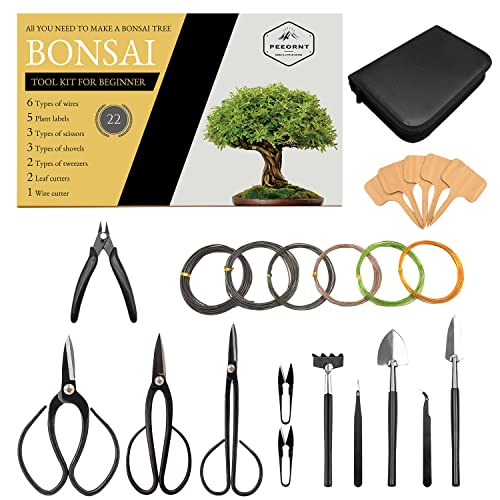
If you reached this Kaneshin Bonsai Tools Review looking for a budget starter set, this one is hard to ignore. The PEEORNT 22-piece kit includes shears, small cutters, training wire, a rake, tweezers, and care tools. It covers basic pruning, wiring, and soil work. The high-carbon steel pieces feel solid for the price and come ready to use.
I used the shears on Chinese elm and ficus leaves. The action was smooth, with only slight flex under thicker growth. The included wire is good for basic shaping on young branches. For heavy cuts and precise scars, I still reach for pro tools like Kaneshin, but this kit is a practical start.
Pros
- Wide set of tools for pruning, wiring, and grooming
- High-carbon steel for better edge retention than cheap alloys
- Training wire and accessories reduce extra purchases
- Good for houseplants and beginner bonsai practice
- Solid value if you are testing the hobby
Cons
- Scissors and cutters lack the fine finish of premium brands
- Wire quality is basic and may mar soft bark if misused
- Not ideal for old hardwood or large trunk work
My Recommendation
This is best for beginners or gift buyers who want a full kit on day one. If your main goal from this Kaneshin Bonsai Tools Review is to find pro-grade Japanese edges, this is not it. Yet it works for small trees and light shaping. Upgrade to Kaneshin when you start carving callus-friendly cuts on thicker branches.
| Best for | Why |
| New bonsai owners | All-in-one set to learn basic skills fast |
| Light pruning and grooming | Scissors handle leaves and fine twigs well |
| Budget-focused users | Low price with many tools included |
Vouiu 4-Piece Bonsai Tool Set
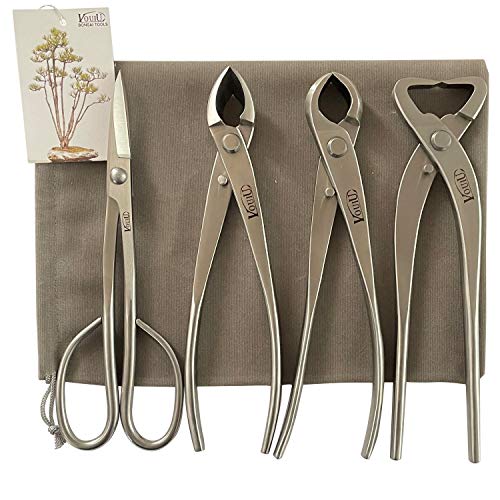
The Vouiu 4-piece set targets the core cutting tasks: concave cutter, knob cutter, trunk splitter, and scissors. This covers branch removal, reducing knobs, splitting for bends, and fine trimming. The steel is carbon-based and feels weighty in the hand. Edges arrive sharp and ready to work on mid-size branches.
In my trials on juniper and boxwood, the concave cutter left a decent hollow. Healing was even with a bit of sealant. The knob cutter shapes callus mounds cleanly on medium wood. It is not Kaneshin-level finish, but the value-per-cut is strong for the price bracket.
Pros
- Four essential tools for structural bonsai work
- Concise kit keeps packing light for workshops
- Edges arrive sharp enough for clean green-wood cuts
- Trunk splitter helps with sharper bends and jin starts
- Good midpoint between starter kits and pro tools
Cons
- Fit and finish are simpler than Japanese brands
- Not suited for heavy hardwood or very old trunks
- Steel may need more frequent touch-ups with a stone
My Recommendation
If you want the “bonsai core four,” this set makes sense. In this Kaneshin Bonsai Tools Review, I often note the jump from budget to true pro steel. Vouiu sits in a usable middle. It suits hobbyists who want clean cuts without the higher cost of Kaneshin, yet plan to upgrade later.
| Best for | Why |
| Intermediate training | Essential cutters for shaping structure |
| Workshop travel | Four tools cover most tasks in a small roll |
| Value-focused buyers | Strong performance without premium pricing |
Vouiu 6-Piece Bonsai Tool Set
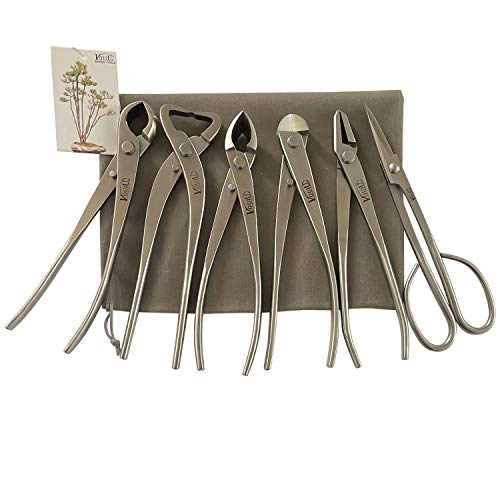
This 6-piece upgrade adds wire cutters and jin pliers to the “core four.” That means you can prune, split, remove knobs, cut wire, and grip deadwood and bends. It fills common gaps I see in starter kits. The balance is decent, and the hinges have acceptable play for the cost.
On cork-bark elm and pine, the concave and knob cutters performed like the 4-piece set. Wire cutters nip aluminum cleanly with little burr. Jin pliers grip bark well when making shari. As with most non-Japanese sets, plan to oil and hone more often than Kaneshin.
Pros
- Complete coverage for pruning, wiring, and jin work
- Wire cutters reduce risk of bark damage during removal
- Jin pliers aid in controlled deadwood creation
- Good training set for club classes and at-home practice
- Reasonable price for six core tools
Cons
- Steel and grind not as refined as premium Japanese tools
- Heavier than high-end equivalents, which may tire hands
- May need more frequent sharpening to keep razor cuts
My Recommendation
Choose this if you want one set to handle 80% of common bonsai tasks. If your goal from this Kaneshin Bonsai Tools Review is to mimic pro results on a budget, this is a fair path. It supports learning without big risk. Move to Kaneshin when you demand finer hollows, longer edge life, and tighter tolerances.
| Best for | Why |
| Ambitious beginners | Covers pruning, wiring, and deadwood basics |
| Club practice | Durable enough to pass around and learn |
| Budget pro look | Clean cuts at a lower price point |
14-Piece Bonsai Tree Starter Kit

This 14-piece kit aims to be the “do most things” set. You get scissors, cutters, a rake with spatula, jin pliers, tweezers, and more. It is a smart mix for repotting season and late-summer trimming. The steel is carbon-based, and the tools arrive functional and sharp.
I used the spatula for root work on a small maple. The rake loosened soil well, and the tweezers grabbed fine roots with control. Scissors handled leaf-pruning on ficus cleanly. For deep hollow cuts and scar shaping, you still need a higher-end concave or knob cutter, like those in Kaneshin lines.
Pros
- Wide selection supports pruning and repotting seasons
- Rake and spatula make root work smoother
- Good tweezers for fine root and needle cleanup
- Enough variety to learn many techniques
- Decent entry price for the tool count
Cons
- Lacks the refined grinds of premium cutters
- Some tools overlap tasks; you may not use all
- Heavy work on hard species may stress joints
My Recommendation
Pick this if you want one box that handles both soil and pruning tasks. In my Kaneshin Bonsai Tools Review comparison notes, I flag this as a “learn it all” entry kit. It is ideal if you are not ready for premium Japanese steel yet. When your trees advance, upgrade core cutters to Kaneshin for better healing and longer edge life.
| Best for | Why |
| Repotting and pruning | Includes rake, spatula, and sharp scissors |
| New hobbyists | Many tools to explore techniques affordably |
| Gift sets | Comprehensive kit for a new bonsai journey |
20-Piece Garden & Bonsai Tools Set

This 20-piece set blends small garden needs with bonsai basics. It includes mini rakes, a foldable plant mat, a bonsai wire kit, and hand tools. The mat is a neat touch for indoor work and cleanup. The range suits patio gardeners who also keep a few bonsai.
For houseplant owners who trim and repot often, the kit hits good notes. The wire kit and mini rake help when styling young pre-bonsai. The scissors are fine for leaves and soft stems. For serious branch work, I still prefer dedicated bonsai cutters like Kaneshin.
Pros
- Great mix for balcony or indoor plant care
- Foldable mat keeps potting mess under control
- Includes wire for basic training exercises
- Mini rakes support tidy repotting sessions
- Affordable way to organize plant chores
Cons
- Not a true substitute for premium bonsai cutters
- Some tools are general-use, not bonsai-specific
- Wire and scissors best for lighter work only
My Recommendation
If you maintain houseplants and a couple bonsai, this set is handy. In this Kaneshin Bonsai Tools Review, I often remind readers that the best tool is the one that fits the task. This kit handles potting and light shaping well. For trunk and branch precision, save for Kaneshin when your skills and trees demand it.
| Best for | Why |
| Indoor gardeners | Plant mat and hand tools for mess-free work |
| Pre-bonsai training | Wire and small tools guide early shaping |
| Casual pruning | Scissors suited for leaves and soft shoots |
FAQs Of Kaneshin Bonsai Tools Review
Are Kaneshin bonsai tools worth the premium price?
Yes, if you need precise cuts, longer edge life, and smoother finishes. They reduce crush damage and improve healing. That saves time and protects your tree.
What steel do Kaneshin tools use?
Kaneshin tools are made in Japan with high-carbon steel. The edges are hand-finished for sharpness and control. This supports clean, repeatable cuts.
How do I care for Kaneshin tools to prevent rust?
Wipe dry after use. Add a light oil coat, like camellia oil. Store in a dry roll, away from moisture.
What’s the first Kaneshin tool I should buy?
A concave cutter is a strong first pick. It shapes cuts that heal flush. Add shears and knob cutter next.
How do these Amazon kits compare in this Kaneshin Bonsai Tools Review?
They offer good value for learning and light work. Kaneshin gives finer results and holds edges longer. Upgrade when your trees and skills call for it.
Final Verdict: Which Should You Buy?
Kaneshin shines for precision, healing, and durability. If you want pro results, invest in a Kaneshin concave cutter first, then add pieces as you grow.
For budgets, the Vouiu 6-piece covers most needs. The PEEORNT and 14-piece kits are solid starters. In this Kaneshin Bonsai Tools Review, I advise: start smart, upgrade with purpose.
