
10 Best Low-Maintenance Bonsai Trees for 2026

A bonsai tree brings a sense of calm to a room, but the real thing asks for consistent light, precise watering, and years of patient pruning. Many of us love the look without the time commitment, which is why artificial bonsai decor has become such a popular shortcut to that same zen aesthetic. The best low maintenance bonsai trees deliver the sculptural silhouette and pot styling of a real specimen without any watering schedule, sunlight requirements, or risk of the tree dying on your desk.
Faux bonsai trees range widely in quality. Some use thin, shiny plastic leaves that look convincing from across a room but flatten under close inspection, while others use textured foliage and weighted ceramic pots that hold up to a closer look. Trunk detail, branch flexibility, and pot material all affect how believable a piece looks once it’s sitting on a shelf or credenza.
For the rare reader who wants to grow something living, a bonsai starter kit is worth considering, though it comes with a genuinely different commitment: months of germination, years of shaping, and daily attention. We compared nine artificial options against one live-growing kit to help match each style, size, and upkeep level to the right space.
Best for gifting: Briful Juniper Bonsai With Ceramic Pot
Best for tight budgets: Yoerm Faux Bonsai Tree
Best statement piece: Berdkaba 20-Inch Faux Juniper Bonsai
Best for a pop of color: Nearly Natural Cherry Blossom Bonsai
Best realistic trunk detail: Permaplants 16″ Cypress Bonsai
Best for compact desks: KOET 11-Inch Cedar Bonsai
Best for bathrooms and windowless rooms: DILATATA Zen Juniper Bonsai
Best for masculine or minimalist decor: Cabilock 14.17-Inch Bonsai
Best for feng shui-inspired decor: WOHSEROM Money Tree Bonsai
Best for hands-on hobbyists: Inbloom 8-Pack Bonsai Starter Kit
Briful Juniper Bonsai With Ceramic Pot

This compact juniper bonsai is a smart pick for anyone who wants an attractive, gift-ready faux plant without spending much thought on placement.
Pros
- Sturdy ceramic pot with a finished, gift-worthy look
- Small footprint fits shelves, desks, and bathrooms
- Bendable branch adds a touch of natural asymmetry
Cons
- Leaves read as slightly plastic up close
- Small scale limits it as a standalone focal point
The 9-inch height keeps this one flexible for tight surfaces like a bookshelf or bathroom counter. Reviewers mention the pot feels more substantial than expected, which helps sell the illusion from a few feet away. Up close, the foliage shows its synthetic texture, so this suits casual glances more than close inspection. As a hostess or housewarming gift, it consistently lands well thanks to the tidy presentation.
Yoerm Faux Bonsai Tree

This budget-friendly bonsai works best as an entry-level piece for anyone testing whether faux greenery suits their space before spending more.
Pros
- Wider 12-inch spread gives it visual presence
- Bendable branches allow easy reshaping after unboxing
- Affordable option for filling empty shelf space
Cons
- Foliage looks noticeably artificial at close range
- Pot can feel light and top-heavy on its stand
At 9.5 inches tall with a 12-inch width, this bonsai has a fuller silhouette than its height suggests. The bendable branches make it easy to correct any compression from shipping. Some buyers note the oval pot feels flimsy relative to the foliage weight, so it’s worth centering it on a stable surface. For anyone dipping a toe into faux greenery without a big investment, it does the job.
Berdkaba 20-Inch Faux Juniper Bonsai

Anyone wanting a bonsai that reads as a genuine focal point rather than a small accent should look at this larger 20-inch option.
Pros
- Substantial 20-inch scale suits floor stands or large tables
- Weighted base with stone and cement keeps it stable
- Adjustable branches let you customize the silhouette
Cons
- Pot is plastic despite a ceramic-style finish
- Takes up considerably more space than desk bonsai options
This is the tallest tree in the lineup, and the added scale changes how it functions in a room. It works well as an anchor piece near a window or entryway rather than a small desk accent. The weighted pot base keeps it upright, though one buyer notes the “ceramic” pot description is misleading since the material is plastic. Full, well-shaped branches make it look fuller than most trees in this size range.
Nearly Natural Cherry Blossom Bonsai
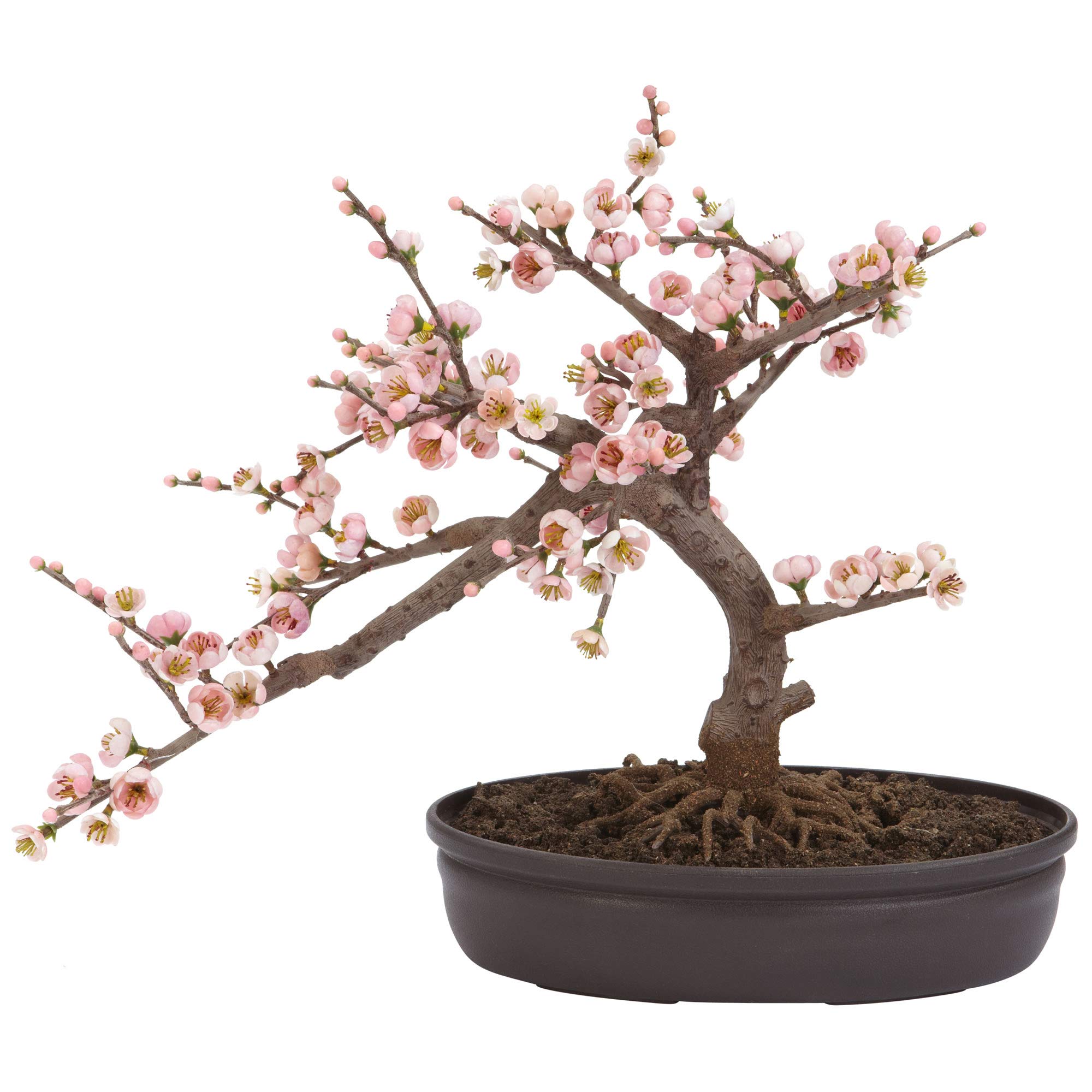
This pink-blossomed bonsai suits shoppers who want color and softness instead of the traditional green juniper look.
Pros
- Soft pastel blossoms add a distinctive design element
- Realistic trunk and branch structure
- Compact 15-inch profile works on tables or counters
Cons
- Premium pricing relative to size
- Base and roots can look slightly staged up close
Cherry blossom bonsai styling brings a different mood than evergreen versions, leaning delicate and springlike rather than grounded and sculptural. The trunk carries convincing texture, and several buyers mention adding moss or stones to dress up the base further. It reads best in bathrooms, bedrooms, or Asian-inspired living rooms where the pink tone complements the palette. Its price sits higher than comparable trees, which some reviewers feel outpaces the materials.
Permaplants 16″ Cypress Bonsai
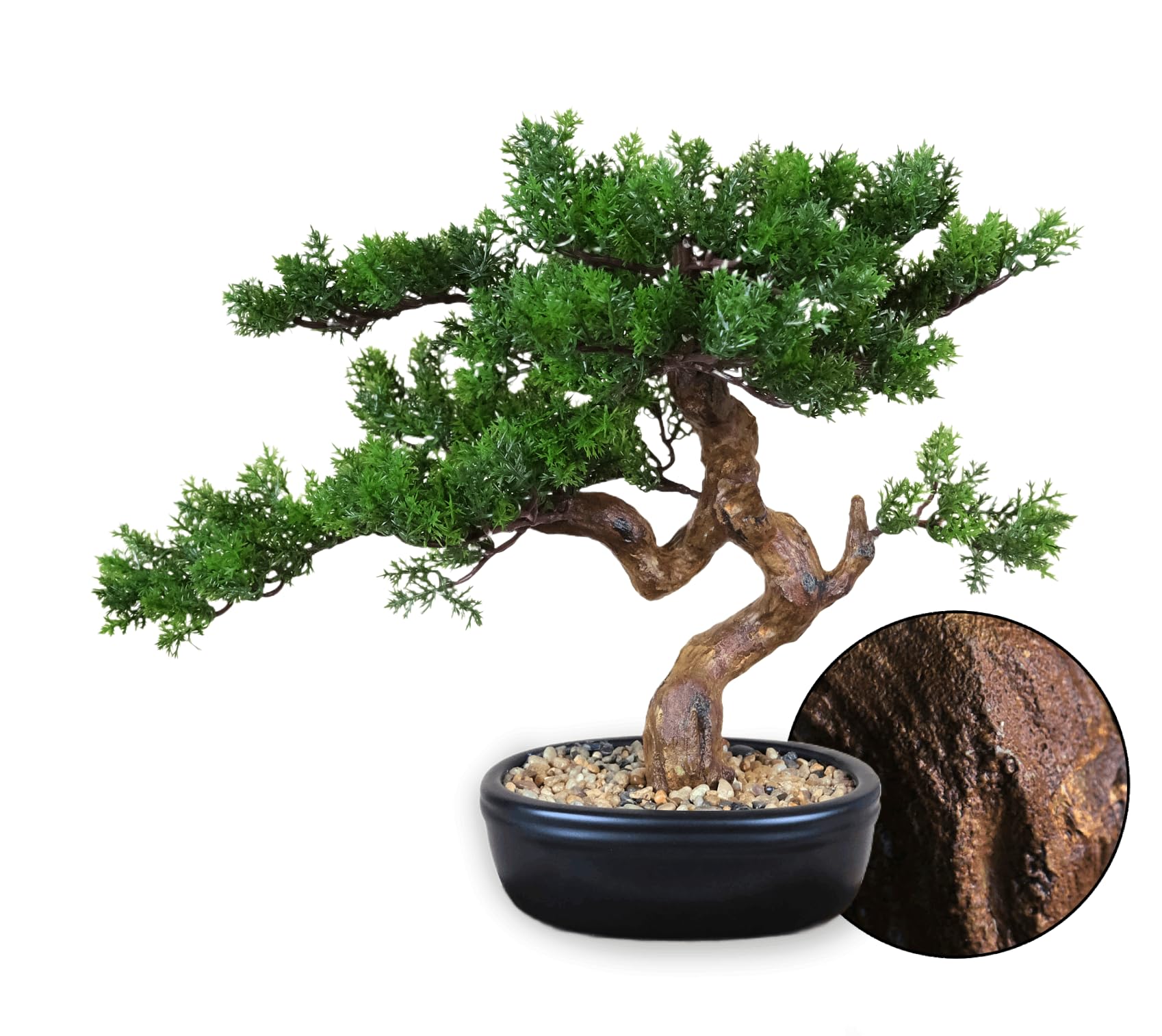
Shoppers prioritizing trunk realism above all else will find this cypress bonsai to be the most convincing option in this roundup.
Pros
- Detailed, substantial trunk with authentic wood texture
- Genuine ceramic pot adds weight and stability
- Soft, pine-like foliage that photographs well
Cons
- Priced higher than most trees of similar size
- Some assembly-style branch shaping needed after unboxing
At 16 inches tall, this cypress bonsai strikes a balance between desk-friendly and statement-worthy. The trunk detail stands out, with reviewers repeatedly praising how substantial and lifelike it feels in hand. Its ceramic pot adds real heft, which keeps the piece grounded on furniture. The higher price reflects the build quality, making it a strong pick for a living room centerpiece rather than a passing accent.
KOET 11-Inch Cedar Bonsai

This modular cedar bonsai suits anyone who wants to customize the tree’s shape themselves rather than buy it pre-arranged.
Pros
- Comes in parts, allowing custom branch arrangement
- Compact and lightweight for easy repositioning
- Vibrant color that holds up well in photos
Cons
- Several buyers report a chemical odor on arrival
- Feels lightweight and less substantial than pricier options
The build-it-yourself branch system is the standout feature, letting buyers arrange the foliage to their own taste instead of accepting a fixed shape. That flexibility comes with a common complaint: a strong plastic smell that several reviewers say takes days of airing out to dissipate. Once settled, it looks bright and tidy on a windowsill or narrow shelf. It’s an affordable option for anyone comfortable with a short break-in period.
DILATATA Zen Juniper Bonsai

This petite white-potted bonsai works well in low-light rooms like bathrooms where a live plant would struggle to survive.
Pros
- Clean white ceramic pot with decorative pebbles
- Small 10-inch size fits narrow shelves and vanities
- Good option for rooms without natural light
Cons
- Foliage looks convincing only from a short distance
- Not substantial enough to serve as a room’s focal point
The white pot and pebble topping give this bonsai a spa-like polish that suits bathrooms and powder rooms particularly well. Several reviewers specifically mention using it in windowless spaces where nothing green would otherwise survive. Up close, the plastic foliage loses some of its illusion, so it functions best as a supporting accent rather than a centerpiece. Its small scale makes it easy to tuck into tight corners.
Cabilock 14.17-Inch Bonsai
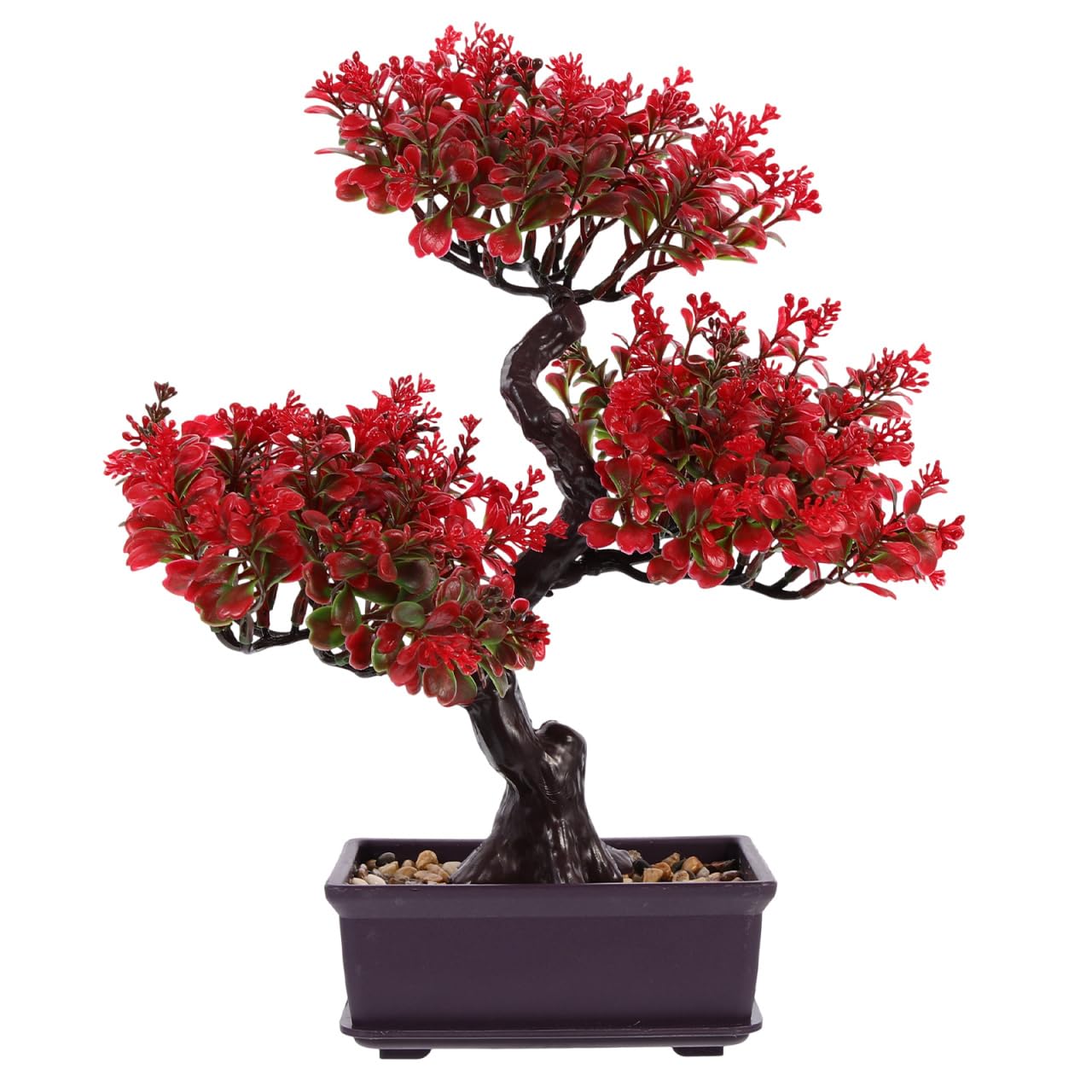
This streamlined bonsai suits minimalist or masculine interiors where a simple silhouette matters more than intricate detail.
Pros
- Lightweight, shatter-resistant pot is safe around kids and pets
- Sleek design fits modern and minimalist decor
- Compact footprint for narrow surfaces
Cons
- Plastic pot and branches feel toy-like to some buyers
- Branches don’t flex much for reshaping
The lightweight plastic pot is a practical choice for households with pets or children who might knock over a heavier ceramic base. Its simple, structured shape leans into modern and masculine styling rather than a traditional bonsai look. Some reviewers wish the branches offered more flexibility for customizing the silhouette. It works best as a low-fuss accent for a home office or bedroom shelf.
WOHSEROM Money Tree Bonsai
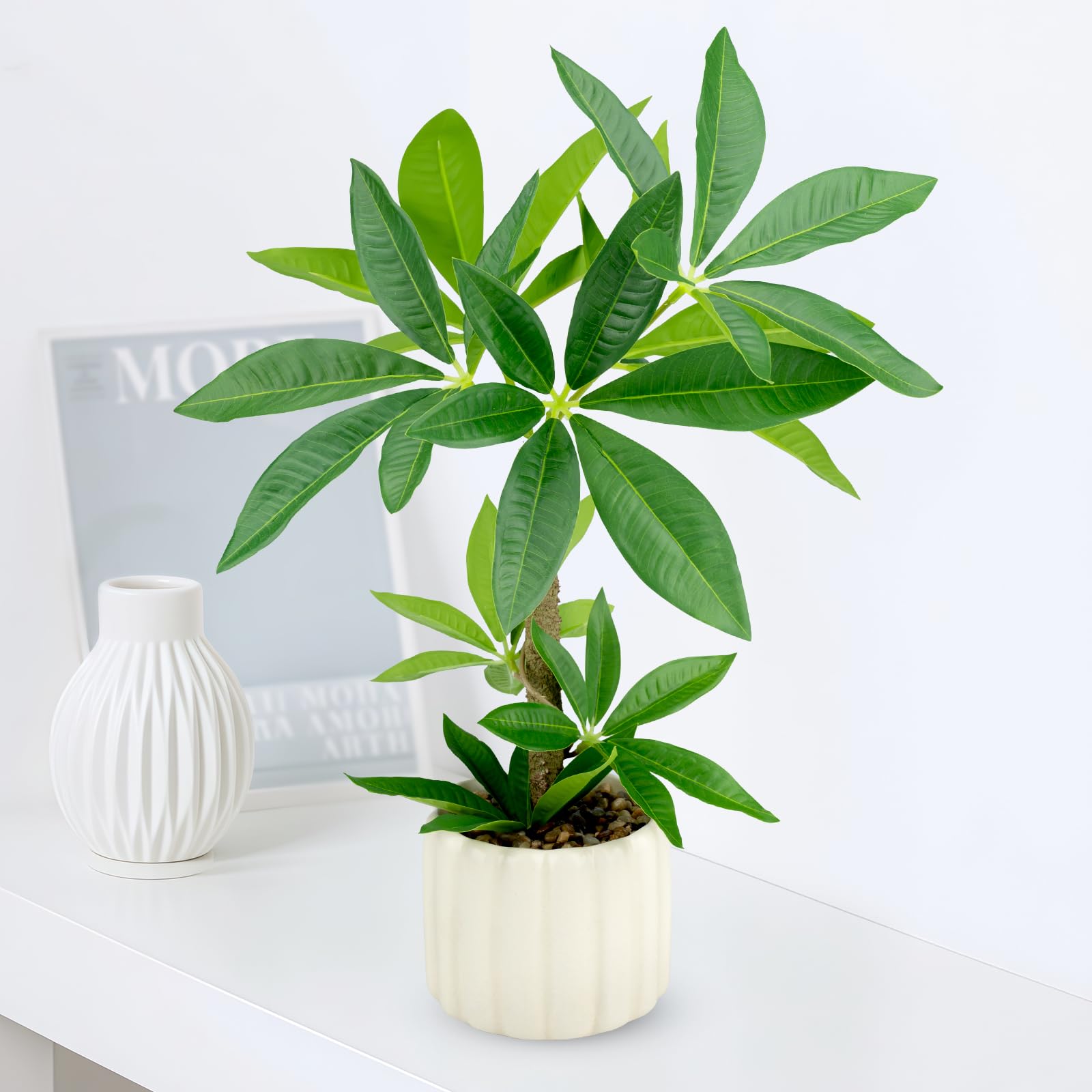
This braided-look money tree suits shoppers drawn to feng shui symbolism and a lusher, tropical leaf shape rather than a classic juniper form.
Pros
- Distinctive hand-shaped leaves for a tropical look
- Clean white ceramic pot pairs with most color schemes
- Compact size fits desks and side tables
Cons
- Leaf size can look slightly oversized for the trunk
- Some reshaping required right out of the box
Money trees carry a different symbolic weight than juniper bonsai, often chosen specifically for feng shui-minded gift giving. The leaf shape and glossy texture add a tropical note that separates it visually from the more austere pine and cedar styles in this list. A few reviewers feel the leaves run large relative to the trunk, throwing off the proportions slightly. Its ceramic pot and neutral color make it easy to match with existing furniture.
Inbloom 8-Pack Bonsai Starter Kit
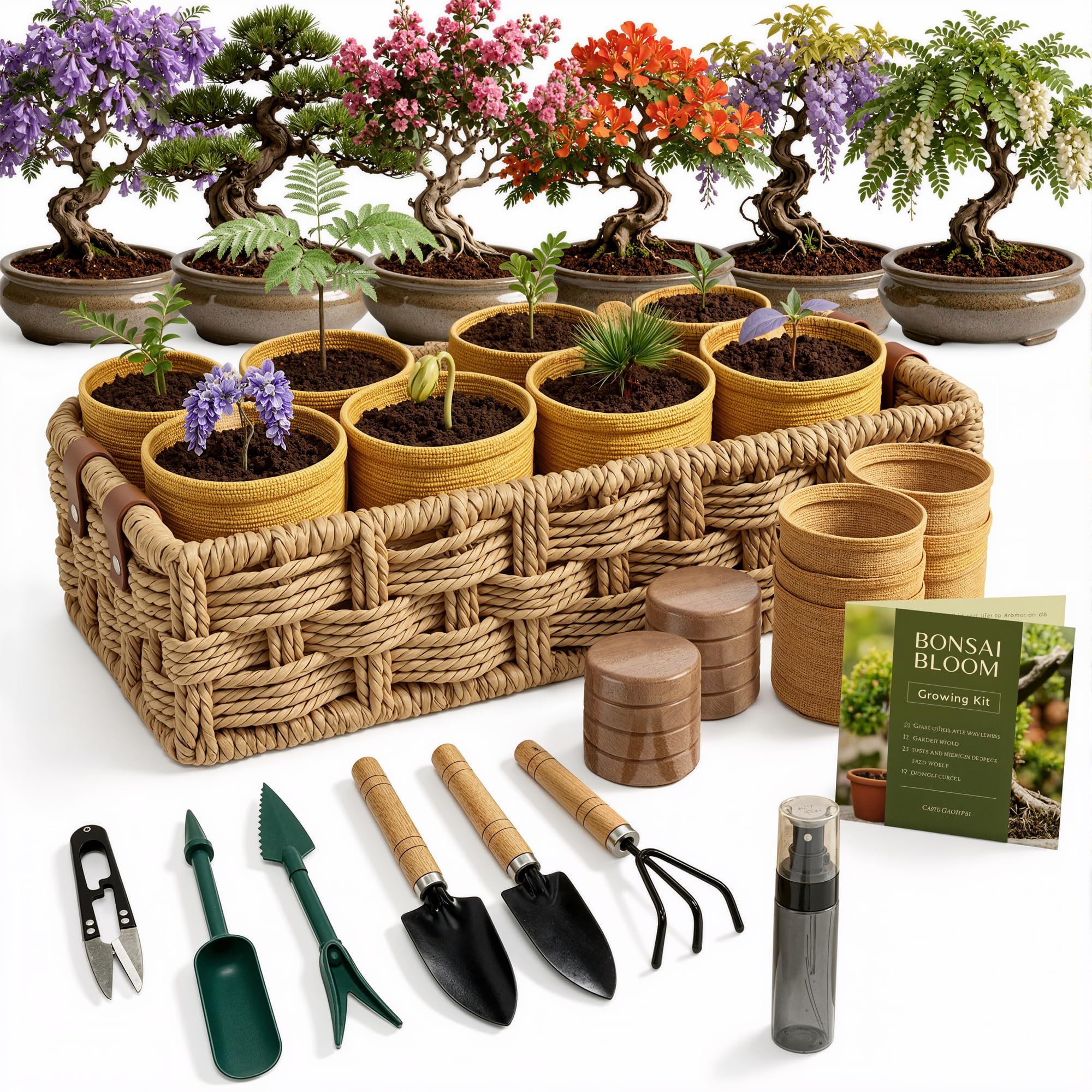
This is the only living option in the lineup, ideal for readers who want to grow and shape a real bonsai over years rather than buy one ready-made.
Pros
- Eight seed varieties give plenty of room to experiment
- Comes with tools, pots, soil discs, and a growing guide
- Rewarding long-term hobby for patient plant lovers
Cons
- Germination can be inconsistent between seed types
- Years away from resembling a mature bonsai
Growing bonsai from seed is a genuinely different commitment than displaying a faux tree. This kit includes jute pots, coco coir discs, hand tools, and an instruction booklet that walks through soaking, sowing, and seedling care. Some buyers report uneven sprouting rates across the eight varieties, which is normal for seed-based kits. For someone who wants the meditative process of shaping a tree over years, not just the finished look, this is the only real option here.
Buying Guide
Choosing between artificial bonsai styles comes down to matching realism, scale, and upkeep to where the piece will live.
Pot Material and Weight
Ceramic pots add authentic weight and a more premium look, while plastic pots keep the piece lightweight and safer around pets or children.
| Pot Type | Best For | Trade-off |
|---|---|---|
| Ceramic | Living rooms, gifting, formal decor | Heavier, can chip if dropped |
| Plastic | Kids’ rooms, high-traffic areas | Lighter feel, less premium look |
Foliage Realism
Textured, multi-toned leaves photograph and read better in person than flat, glossy plastic foliage. Check close-up product photos for leaf texture before buying, since realism varies significantly between brands even at similar sizes.
Size and Placement
Match the tree’s footprint to its intended surface. A 9 to 11-inch bonsai suits desks, narrow shelves, and bathroom counters, while anything over 16 inches works better as a floor-adjacent or entry table centerpiece.
Branch Flexibility
Bendable wire-core branches let you reshape the silhouette after unboxing, correcting any compression from shipping and letting you personalize the tree’s asymmetry, a hallmark of authentic bonsai styling.
Maintenance Expectations
Artificial bonsai need only occasional dusting or a quick rinse. Living bonsai starter kits demand daily attention during germination and years of pruning, wiring, and light management to mature properly.
Editor’s Choice
The Permaplants 16″ Cypress Bonsai stands out as the most convincing all-around pick, thanks to its detailed trunk texture and genuine ceramic pot. For anyone furnishing a small desk or shelf on a budget, the Briful Juniper Bonsai offers reliable styling without a large investment. Readers drawn to the process of growing rather than decorating should start with the Inbloom 8-Pack Bonsai Starter Kit, understanding it delivers a hobby, not an instant centerpiece.
Conclusion
Artificial bonsai trees solve a real design problem: bringing the calm, sculptural look of bonsai into a space without watering schedules or the risk of a dead plant on display. Pot quality, foliage texture, and scale determine how convincing each piece looks once it’s placed in a room. Choose ceramic pots and textured foliage for spaces viewed up close, and reserve larger trees for entryways or floor-adjacent tables where their scale can shine. For readers ready to grow something living, the starter kit offers a genuinely different, longer-term reward.
FAQS
Do artificial bonsai trees need any care at all? Occasional dusting or a light rinse under water keeps the foliage looking fresh. No watering, sunlight, or pruning is required.
Which pot material looks the most realistic? Ceramic pots generally photograph and feel more authentic than plastic, especially in living rooms or formal spaces where the piece sits close to eye level.
Can artificial bonsai trees go outdoors? Most are designed for indoor display. Sun exposure can fade the foliage color over time, so keep them away from direct outdoor weather.
How long does it take to grow a bonsai from the starter kit? Seedlings typically emerge within one to two weeks, but shaping a tree into a recognizable bonsai form takes several years of consistent pruning and wiring.
Are these artificial trees safe around pets and children? Most use non-toxic plastic materials, though ceramic pots can chip or break if knocked over. Lightweight plastic-potted options reduce that risk in busy households.