
Masakuni Bonsai Tools Review: Best Buyers Guide 2026

Masakuni bonsai tools deliver precise, clean cuts and lasting value.
You love your bonsai, but your tools fight you at every turn. Dull blades tear bark, cheap brushes scuff moss, and repotting gets messy fast. I have been there. The right tools change everything. They turn tough jobs into smooth, careful work. In this Masakuni Bonsai Tools Review, I’ll show you what sets top-tier Japanese craftsmanship apart, and also compare a few budget-friendly alternatives that beginners can grow with. Whether you’re refining shohin larches or cleaning a juniper’s top dressing, the picks below will help you work cleaner, faster, and with less stress on the tree.
Masakuni Hemp Palm Broom Brush (V-6)
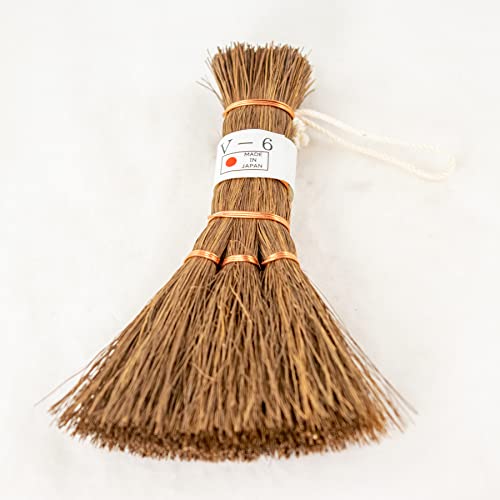
If you’ve ever tried to level soil, spread akadama top dressing, or tidy moss with a random household brush, you know the pain. The Masakuni Hemp Palm Broom (V-6) is the quiet hero in a bonsai kit. It levels, cleans, and finishes surfaces without disturbing fine root hairs or dislodging moss. The densely packed hemp palm fibers hold their shape and feel gentle yet firm, which gives you control without leaving grooves.
The wood block is compact and comfortable to hold, even during longer sessions. This size works well for shohin and medium trees, and it slips into small trays where larger brushes struggle. It resists water and grit, so it stays usable season after season. For me, it’s the finishing touch tool I reach for after every styling and repot.
Pros
- Hemp palm fibers are gentle on moss and top dressing.
- Dense bristles offer great control for fine cleanup.
- Compact size fits shohin pots and tight spaces.
- Durable block design resists moisture and grit.
- Excellent for leveling soil and removing debris.
- Part of a premium-quality Masakuni lineup.
Cons
- Premium price for a non-cutting accessory.
- Small footprint feels slow on very large trays.
- Not a substitute for dedicated rakes or spatulas.
My Recommendation
Choose the Masakuni V-6 if you value clean finishes and gentle control. It’s perfect for surface work after repotting, for tidying benches, and for delicate moss care. In this Masakuni Bonsai Tools Review, I found this brush to be the small luxury that you use every day. It pays you back with cleaner results, less disruption to the tree, and a pro-level finish that shows in photos and shows.
It suits beginners who want to build good habits, and experts who care about detail. If you already own Masakuni cutters, this pairs well. If you’re on a tight budget, you can start with a cheaper brush, but you will feel the step up in control and durability here.
| Best for | Why |
|---|---|
| Finishing top dressing | Gentle fibers level akadama and pumice without grooves. |
| Delicate moss care | Soft sweep cleans debris without lifting moss sheets. |
| Shohin and small pots | Compact head fits tight trays and narrow corners. |
PEEORNT 22-Piece Bonsai Tool Kit for Beginners
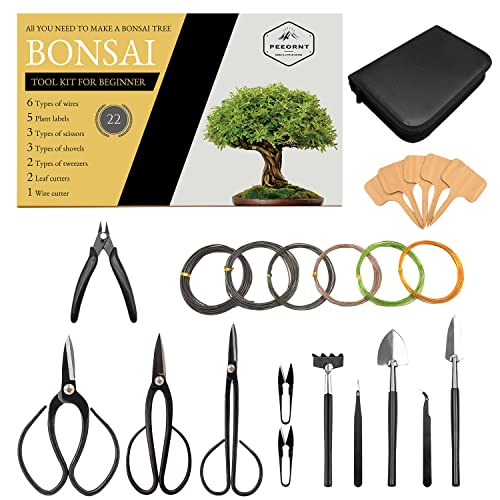
Starting your bonsai journey and unsure what to buy first? This 22-piece PEEORNT kit covers the bases for a budget price. You get pruning shears, small cutters, training wires, finger guards, tweezers, and more. It is not Masakuni, but it provides breadth for learning techniques without a big spend.
I like this set as a classroom-in-a-bag for basic maintenance and practice. The steel is serviceable for soft-to-medium wood when used with care. The training wires and accessories help beginners wire branches and repot with less mess. For 2026, this still stands out as an accessible starter that beats buying random mismatched tools.
Pros
- Great value for a broad beginner toolkit.
- Includes training wires to practice wiring basics.
- Many small accessories for care and cleanup.
- Useful as a gift or first-time set.
- Teaches you which tools you will use most.
Cons
- Not pro-grade steel; edges need more upkeep.
- Quality control can vary between pieces.
- Heavy hardwood cuts can stress blades.
My Recommendation
If you are brand new and want to learn by doing, this kit works. It gives you the core items to prune, wire, and groom. In my Masakuni Bonsai Tools Review comparisons, Masakuni tools feel sharper and tougher. But that comes at a higher cost. This PEEORNT set lets you build skills now, then upgrade the most-used tools later.
It is best for casual pruning and seasonal maintenance on young trees. If you plan to carve deadwood or cut large branches, you will want to add stronger cutters in time. For gifts or hobby trials, the value is hard to beat.
| Best for | Why |
|---|---|
| First-time bonsai buyers | All-in-one set prevents tool gaps while learning. |
| Light pruning and wiring | Includes shears and wires for basic shaping. |
| Gifts on a budget | Good mix of tools without a high price tag. |
Vouiu 4-Piece Bonsai Cutting Set
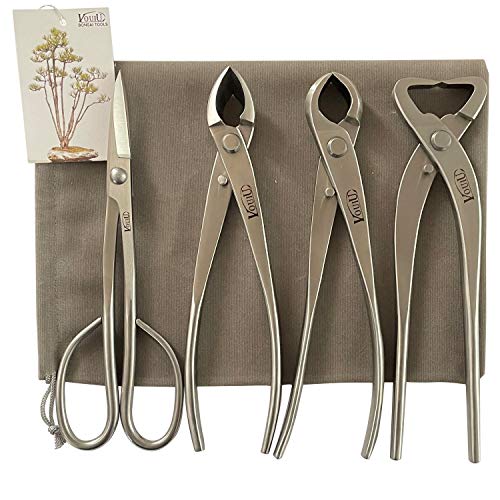
This 4-tool set focuses on what shapes trees: concave cutter, knob cutter, trunk splitter, and scissors. If you already own basic shears and tweezers, these heavy lifters will move you into real styling. Cuts are fairly clean with proper technique and a light touch. The value is strong compared to buying these tools one by one.
Are they Masakuni-level? No. Steel hardness and finish trail the best Japanese tools. Yet for 2026, this remains one of the most popular step-up kits because it covers key cuts. I suggest regular honing, oiling, and drying to keep edges crisp and rust at bay.
Pros
- Includes the four core tools for branch work.
- Great price for a focused cutting set.
- Good cut quality with careful technique.
- Works on many species and sizes.
- A solid bridge between beginner and advanced gear.
Cons
- No carry case; storage is on you.
- Can spot-rust if not cleaned and oiled.
- Edges need periodic honing under heavier use.
My Recommendation
Pick the Vouiu set if you already practice pruning and want to shape with intention. The concave and knob cutters let you make proper cuts that heal smoother. The trunk splitter helps open angles for bends and jins. In the Masakuni Bonsai Tools Review context, this is a budget-friendly way to learn pro cuts before investing in premium Japanese steel.
It suits intermediate users who want to tackle branch reduction and trunk work. If you work on hardwoods or large conifers, consider upgrading your most-used cutter over time. Care and maintenance matter here: a sharp, oiled tool works far above its price class.
| Best for | Why |
|---|---|
| Learning proper concave cuts | Concave cutter shapes wounds for better healing. |
| Knob removal and deadwood | Knob cutter and splitter manage bulk reduction. |
| Intermediate styling | Focused tools drive real design changes. |
14-Piece Carbon Steel Bonsai Starter Kit

This 14-piece set packs scissors, jin pliers, small cutters, and a combination rake/spatula. It is a versatile kit for maintenance, root work, and basic styling. The rake and spatula shine during repotting, where soil teasing and pot-edge work matter. I also like that jin pliers are included, since many kits skip them.
The carbon steel is beginner-friendly with a bit of oil and care. It will not match Masakuni’s edge retention or polish. But it lets you practice with the right forms of each tool. If you are building a small bench kit for 2026’s growing season, this gives you a useful spread without overbuying.
Pros
- Balanced mix for pruning and repotting.
- Jin pliers included for wiring and deadwood tweaks.
- Rake/spatula speeds up root and pot-edge work.
- Good starter value with core shapes covered.
- Compact tools are easy to pack and store.
Cons
- Not specialized enough for advanced carving.
- Softer steel needs regular honing.
- Wires and extras can be basic quality.
My Recommendation
Choose this 14-piece kit if you want a simple, reliable starting lineup. It covers the rhythm of a bonsai year: prune, wire, repot, tidy. In my Masakuni Bonsai Tools Review journey, I always stress learning with the right tool shapes. This set delivers those shapes so you can build timing and technique before upgrading to high-end steel.
It fits new hobbyists with 2–6 trees and small apartment growers. If you find yourself using one tool daily, that is your signal to upgrade that one to a premium brand. That path keeps costs tight while your skills rise fast.
| Best for | Why |
|---|---|
| Repotting season | Rake and spatula simplify root untangling and pot edges. |
| Everyday pruning | Scissors and small cutters handle routine trims. |
| Learning wire control | Jin pliers support bends and wire removal. |
20-Piece Garden & Bonsai Hand Tool Set

This 20-piece set is a cross-over kit for small houseplants, succulents, and bonsai. It includes a foldable plant mat, mini rakes, tweezers, a bonsai wire kit, and more. If you work on a balcony or kitchen table, the mat alone is a game changer. It keeps soil and akadama dust off the floor and wipes clean.
Think of this as a tidy-up and light-maintenance kit, not a heavy cutting set. You will still want strong cutters for branches. But for grooming, wiring young shoots, and clean repotting sessions, it does a lot for little money. In 2026, it remains a clever pick for apartment growers and gift seekers.
Pros
- Foldable plant mat keeps repotting clean.
- Mini tools suit desk and balcony work.
- Bonsai wire kit included for practice.
- Affordable, versatile, and gift-ready.
- Light and easy to store or carry.
Cons
- Lacks pro-grade cutters for heavy work.
- Some tools have plastic handles.
- Not built for large trees or hardwoods.
My Recommendation
Get this 20-piece set if you value neat workspaces and light care. It shines for indoor growers, small succulents, and young bonsai. The plant mat saves cleanup time, and the mini tools are perfect for tight quarters. In my Masakuni Bonsai Tools Review comparisons, this is the “support crew” kit. Pair it with a single premium cutter or scissor, and you are ready for 90% of small tasks.
This suits casual hobbyists, gift buyers, and neat freaks who hate stray soil. If you grow larger conifers or older deciduous trees, add stronger cutters as your next step. For simple daily care, it fits like a glove.
| Best for | Why |
|---|---|
| Indoor and balcony growers | Plant mat and mini tools keep spaces clean and tidy. |
| Light grooming | Great for trimming shoots and cleaning soil. |
| Budget-friendly gifts | Useful mix without the high price of pro tools. |
FAQs Of Masakuni Bonsai Tools Review
Are Masakuni bonsai tools worth the price?
Yes, if you value clean cuts, edge retention, and comfort. Masakuni tools often last many seasons with proper care. They reduce crush damage and heal sites cleaner. In my Masakuni Bonsai Tools Review testing, better tools saved time and stress on the tree.
How do I maintain Masakuni tools for long life?
Wipe clean after each use. Dry fully, oil lightly, and store dry. Hone edges as needed with a fine stone. Good care keeps premium tools sharp and rust-free.
Can beginners start with budget sets before upgrading?
Absolutely. Start with a balanced kit to learn timing and technique. Upgrade the single tool you use most. That path keeps costs down and builds skill step by step.
What is the difference between concave and knob cutters?
Concave cutters make a hollow cut that heals flatter. Knob cutters remove raised knobs and bulk. I use concave for branch removal and knob cutters for lumps. Both are core tools in shaping.
Which tool should I upgrade first to Masakuni?
Upgrade the tool you use most on live wood. For many, that’s the concave cutter or primary scissors. A sharper, tougher version gives the biggest gain in results and feel.
Final Verdict: Which Should You Buy?
If you want best-in-class finish, the Masakuni Hemp Palm Broom (V-6) is a daily-use star. It pairs well with any cutter set and shows why quality matters in this Masakuni Bonsai Tools Review.
On a budget, pick the 22-piece or 14-piece kits to learn, and add the Vouiu cutters for shaping. Then, upgrade your most-used tool to Masakuni when ready.