
The Most Essential Bonsai Carving Tool should be sharp, precise, safe, and easy to control.
I remember staring at deadwood and rough bark, not sure where to start. If you want clean jin, smooth shari, or tidy knobs, the right carving tool changes everything. I tested kits and single tools that help beginners and hobbyists shape like pros. In this guide, I’ll show you the Most Essential Bonsai Carving Tool options that make carving safer, faster, and more accurate. I focus on edge quality, steel type, grip comfort, and control because those matter most for beautiful bonsai work.
Wazakura 3PCS Bonsai Chisel Kit (Mini Size)

This mini Wazakura set gives me the control I want for detailed deadwood. It includes a round gouge, a single-bevel skew, and a V-parting tool. Together, they cover hollowing, slicing, and crisp line work for jin and shari. The compact size helps me work tight curves without overcutting. I get cleaner fibers and fewer tear-outs, which is key for realistic textures. For the Most Essential Bonsai Carving Tool category, this trio hits a sweet spot of precision and safety for small to medium trees.
I like the edge retention and the balanced handles. They reduce hand fatigue when I carve for longer sessions. The V-parting tool shines for vein lines and aging effects. The skew chisel lets me “feather” fibers to mimic sun-worn wood. I always use light passes and keep edges honed; sharp tools are safer and more accurate. Based on current bonsai carving best practices in 2025, smaller controlled cuts beat deep aggressive cuts for natural results. This set fits that method well.
Pros
- Three profiles cover most jin and shari tasks
- Mini size offers excellent control in tight spaces
- Sharp edges reduce tear-out on drywood
- Balanced feel lowers hand strain
- Great for realistic vein and grain effects
Cons
- Not ideal for heavy stock removal
- Mini handles may feel small for large hands
My Recommendation
If you want the Most Essential Bonsai Carving Tool for fine detail, choose this Wazakura mini trio. It’s best for precision carving on shohin to medium trees, subtle textures, and controlled deadwood work without power tools. I’d keep it sharpened and pair it with a larger gouge for big cuts.
| Best for | Why |
|---|---|
| Fine jin tips | V-parting tool makes crisp lines safely |
| Tight curves | Mini size gives better maneuverability |
| Natural shari textures | Skew chisel feathers fibers cleanly |
9 Piece Pro Manganese Steel Bonsai Tools Set

This 9-piece pro kit focuses on shaping, pruning, and carving with manganese steel tools. I like manganese steel for its hardness and toughness balance, which helps edges last during deadwood work. The anti-slip handles give me confidence when I carve dry veins or peel bark for shari. For anyone building a toolbox, this set can cover more than carving: pruning shears, cutters, and carving pieces let you move from branch removal to surface texturing in one session.
As a Most Essential Bonsai Carving Tool option, the value is the blend of cutting types. I can remove material, refine edges, and finish textures. The included storage bag keeps everything organized and reduces edge damage during transport. In 2025, more bonsai enthusiasts ask for versatile starter sets. This kit fits that need well, especially if you don’t want to pick each tool separately. I still suggest a dedicated concave cutter and a fine chisel set for best results on advanced deadwood.
Pros
- Versatile kit for carving and pruning
- Manganese steel offers solid edge retention
- Anti-slip handles improve control
- Good starter value with storage bag
- Covers roughing to light finishing
Cons
- Not as specialized as premium chisel sets
- May need extra sharpening for ultra-fine work
My Recommendation
If you want one bag to do most tasks, this is the Most Essential Bonsai Carving Tool bundle for budget-minded growers. It suits beginners to intermediates who need carving plus pruning in one kit. Add a higher-end chisel or knob cutter later to level up detail.
| Best for | Why |
|---|---|
| All-in-one starters | Multiple tools cover core bonsai tasks |
| On-the-go work | Storage bag protects edges and organizes |
| Budget builds | Strong value without piecing a kit together |
9 Piece Basic Bonsai Tools Set

This basic 9-piece set includes pruning shears, fold scissors, a mini rake, and more. It targets general bonsai care with light carving and shaping. I recommend it to new hobbyists who want to learn tool handling before buying premium carving steel. You can clean bark, start shallow shari, and prepare areas for more detailed work later. For the Most Essential Bonsai Carving Tool list, this kit is more “supporting cast” than a lead star, but it helps you build core skills.
The fold scissors and rake make routine work easier, like surface cleaning and soil grooming. That prep matters before any carving. I advise starting with gentle cuts and practicing on scrap wood to learn grain direction and fiber behavior. In 2025, simple kits still shine for beginners because they reduce overwhelm. Use this set to learn control, then add a sharp chisel trio or a concave cutter for serious deadwood and scar shaping.
Pros
- Good, affordable entry into bonsai tools
- Covers daily maintenance and prep
- Light carving and bark cleaning possible
- Fold scissors excel at fine trimming
- Great for practice and learning grip control
Cons
- Not specialized for deep carving
- Steel quality varies versus pro kits
My Recommendation
Choose this if you’re just starting and want a simple kit before buying the Most Essential Bonsai Carving Tool pieces. It’s best for maintenance, prep work, and light shaping. Upgrade to dedicated carving chisels as your skills grow.
| Best for | Why |
|---|---|
| Beginners | Easy to use and budget friendly |
| Routine care | Includes shears, scissors, and rake |
| Skill building | Practice tool control before premium buys |
Wazakura 3PCS Bonsai Chisel Kit (Standard)
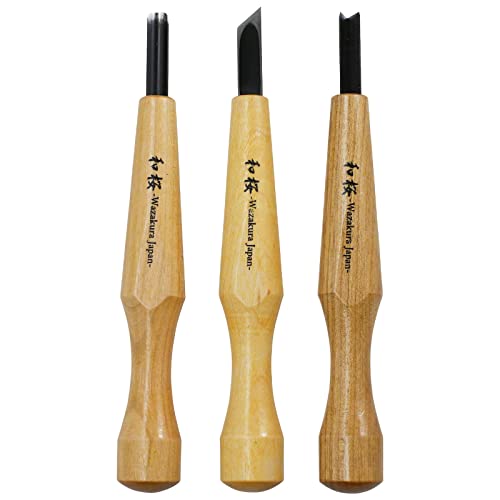
This Wazakura standard-size trio mirrors the mini set but with larger profiles for more reach and bite. I use it when I need to open wider shari paths, carve broader channels, or hollow larger sections before refining. The round gouge, skew, and V-parting combo remains the backbone for realistic deadwood. If I had to pick a single Most Essential Bonsai Carving Tool set for medium to large trees, this would be on my short list.
The larger handles give me leverage, so I can control pressure better. That reduces slips, which protects living tissue. I always carve dry or aged wood to avoid sap bleed and infections, following 2025 care guidance for bonsai wound management. Keep edges honed with a fine stone; a sharp edge makes smaller, safer cuts. This set pairs perfectly with a concave cutter to blend scars and transition from cut to natural wood texture.
Pros
- Standard size adds power and reach
- Three essential profiles for all deadwood stages
- Excellent control with balanced handles
- Great for medium to large bonsai
- Produces natural, realistic textures
Cons
- Can feel large for shohin details
- Requires regular honing to stay razor sharp
My Recommendation
Pick this if your Most Essential Bonsai Carving Tool needs to handle bigger jobs without power tools. It’s best for medium/large trees, deeper hollows, and broad shari. Add a mini set for ultra-fine detailing and a knob cutter for blending.
| Best for | Why |
|---|---|
| Broad shari | Larger blades remove material efficiently |
| Medium–large trees | More leverage and reach |
| Realistic deadwood | Three profiles cover rough to fine work |
Haofy Bonsai Carving Knife Scraper

The Haofy carving knife is a scraper-style tool I use to clean bark, lift fibers, and smooth edges after chisel work. It’s simple, but very useful. I rely on this kind of blade to finish shari lines, remove soft cambium, and create sun-worn textures. In the hunt for the Most Essential Bonsai Carving Tool, a scraper is easy to overlook, yet it’s key for realistic finishing.
I keep the bevel keen and use light pressure. That avoids gouging live wood. This tool is also nice for refreshing old deadwood without overcutting. In 2025, many hobbyists prefer hand finishing over power sanding for authenticity; this scraper supports that approach. Pair it with protective gloves and eye care. Clean and dry after use to prevent rust and keep the edge smooth.
Pros
- Excellent for cleanup and finishing
- Removes cambium cleanly for fresh shari
- Easy to control with light pressure
- Helps achieve natural aged textures
- Affordable addition to any kit
Cons
- Not for heavy material removal
- Edge needs frequent touch-ups
My Recommendation
If your Most Essential Bonsai Carving Tool list lacks a finisher, add this scraper. It’s best for cleaning, smoothing, and renewing deadwood. I use it after chisels to refine lines and make textures look real.
| Best for | Why |
|---|---|
| Finishing shari | Smooths edges without deep cuts |
| Cambium removal | Scrapes cleanly with control |
| Texture refresh | Improves aged look on old deadwood |
Haosie 8.4″ Bonsai Concave Cutter
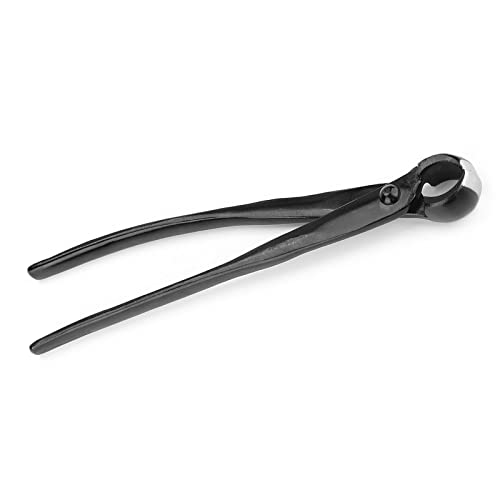
This 8.4-inch concave cutter uses a manganese steel alloy with a round edge. It’s designed to remove branches and knobs with a hollowed cut that heals flatter and blends better. While not a chisel, I still consider a concave cutter part of the Most Essential Bonsai Carving Tool lineup because it prepares the wood for later carving and finishing. Clean cuts reduce scarring and make deadwood transitions look natural.
I use it to take down knobs, then switch to chisels and a scraper to blend and texturize. The long handles give leverage for thicker branches. Keep the pivot clean and oiled for smooth action. In 2025, best practice still favors concave cutters for surgical removals before creative carving. Remember to seal live cuts as needed to protect the tree’s health.
Pros
- Makes hollow cuts that heal more smoothly
- Strong manganese steel alloy blades
- Great leverage with longer handles
- Essential for knob and branch removal
- Preps surfaces for natural carving
Cons
- Not a texturing tool by itself
- Requires maintenance of pivot and edge
My Recommendation
If you shape branches and then carve, this is a Most Essential Bonsai Carving Tool partner. It’s best for branch removal, knob cutting, and setting up clean surfaces for later chiseling and scraping.
| Best for | Why |
|---|---|
| Knob removal | Concave cut heals flatter and cleaner |
| Branch surgery | Leverage and sharpness reduce crush |
| Carving prep | Creates smooth starts for chisels |
FAQs Of Most Essential Bonsai Carving Tool
What should I look for in the Most Essential Bonsai Carving Tool?
Pick sharp steel, secure grip, and profiles you’ll actually use: gouge, skew, and V-parting. Control and safety matter most.
Do I need both a chisel set and a concave cutter?
Yes, for best results. Cut and shape with the concave cutter, then texture and finish with chisels and a scraper.
How do I avoid damaging live tissue while carving?
Work on dry/aged wood, use light passes, keep tools razor sharp, and stop before live veins. Protect live edges.
Is mini or standard size better for detail work?
Mini chisels offer tighter control on small trees and fine textures. Standard size suits broader shari and larger trees.
How often should I sharpen carving tools?
Touch up edges lightly after each session. Hone more when you feel drag or see tear-out in fibers.
Final Verdict: Which Should You Buy?
The Wazakura 3PCS Bonsai Chisel Kit (Standard) is my top pick for the Most Essential Bonsai Carving Tool thanks to its control, profiles, and power. Pair it with the Haosie Concave Cutter for branch/knob prep and the Wazakura Mini set for micro details. Beginners can start with the 9 Piece Pro kit, then add chisels for advanced deadwood.