
Organic Vs Inorganic Bonsai Soil: Best Mix Guide 2026

Both work, but inorganic optimizes drainage; organic boosts biology and moisture retention.
When I started juggling travel days and hot windowsills, choosing Organic Vs Inorganic Bonsai Soil felt like a real puzzle. Organic soil cushioned my watering mistakes. Inorganic mix gave me crisp drainage and fine root growth. I’ve tested both across ficus, juniper, and maple. Below, I share what worked, what didn’t, and how to pick the right fit for your bench when comparing Organic Vs Inorganic Bonsai Soil for real-world use.
Is Espoma Organic & Natural Bonsai Soil Good?
Yes—for beginners, indoor growers, and anyone who forgets a watering now and then, this organic mix is a forgiving choice. It cushions roots, holds moisture well, and brings a mild nutrient bump that helps new transplants settle in. If you’re managing a small indoor collection or a thirsty tropical, organic soil reduces stress and smooths your schedule.
I first used it on a gift ficus I kept on a bright desk. I could skip a day of watering without droop, and the tree pushed steady growth. Later, I repotted a recovering juniper into an organic-heavy blend to baby weak roots. The extra moisture and organic matter eased it back to health—so long as I watched for overwatering.

What Makes It Stand Out / Key Features
- All-natural, organic components for moisture buffering and root comfort
- Balanced particle sizes to improve aeration compared with basic potting soil
- Mild, steady nutrient support to help new transplants settle
- Good water retention for indoor setups and warm rooms
- Beginner-friendly performance with a wider watering margin
What I Like
- Forgiving moisture hold—great for busy weeks or warm, dry air
- Plants rebound fast after repotting due to gentler root environment
- Helps maintain a living soil food web for long-term vigor
- Easy to use right out of the bag—minimal prep
- Affordable and easy to find for quick repots
What Could Be Better
- Can compact over time, reducing airflow to roots
- Higher risk of fungus gnats if consistently overwatered
- Drainage can lag for conifers and pines in humid climates
My Recommendation
Choose it if you grow indoors, forget a watering, or want a forgiving, nutrient-friendly base—especially for tropicals and recovery cases.
| Best For | Why |
|---|---|
| Indoor tropicals (ficus, schefflera) | Moisture hold reduces stress and leaf drop |
| Beginners | Wider margin on watering and feeding |
| Recovery and post-repot care | Gentler environment helps weak roots rebound |
Is Inorganic Soil Mix 10 Cups for Bonsai Soil Good?
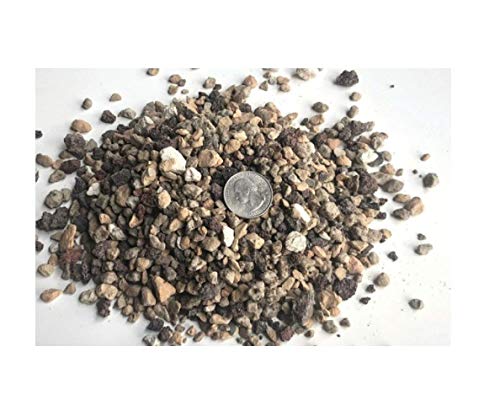
It depends—but for growers who want precision, excellent drainage, and fine root ramification, yes. This inorganic blend of large-particle pumice, Turface, and lava is consistent and fast-draining. It excels outdoors, for conifers, and anywhere you need maximum airflow. You will water and fertilize more, but results are sharp and predictable.
I moved a black pine into this inorganic mix and saw tighter needles and dense feeder roots by the next season. On a travel-heavy month, my ficus in the same mix needed daily checks, but it never suffered root rot—just clear, fast-drying soil that told me exactly when to water. For me, the control is worth the routine.
What Makes It Stand Out / Key Features
- Mineral mix: pumice, Turface, and lava for structure and airflow
- Large, hard particles that resist breakdown
- Excellent drainage to prevent waterlogging and root rot
- Consistent, predictable performance across seasons
- Reusable after sifting and cleaning
What I Like
- Top-tier aeration that drives fine root ramification
- Low compaction over time; pots stay open and breathable
- Clear watering feedback; dries evenly and quickly
- Cleaner bench with fewer pests and less sour smell
- Great control over feeding—your fertilizer, your schedule
What Could Be Better
- Needs more frequent watering, especially in heat or wind
- Requires regular fertilizing; no built-in nutrition
- Costs more up front; some dust rinsing before use
My Recommendation
Pick it if you prize precision, grow conifers or outdoor bonsai, and want top drainage with long-term stability.
| Best For | Why |
|---|---|
| Conifers and pines | Fast drainage prevents root rot and elongation |
| Outdoor benches | Handles rain and heat without turning soggy |
| Experienced growers | Offers precise control over water and nutrients |
Organic Vs Inorganic Bonsai Soil: Side-by-Side Test
I ran both soils across similar trees and seasons to compare drainage, watering rhythm, root growth, and maintenance. Below is how Organic Vs Inorganic Bonsai Soil performs where it matters most.
Drainage & Aeration: Which Keeps Roots Safer?
Fast, even drainage reduces rot and drives oxygen to roots.
| Aspect | Espoma Organic | Inorganic Mix |
|---|---|---|
| Particle size | Mixed; some fines | Large, uniform particles |
| Drainage speed | Moderate | Fast |
| Airflow to roots | Good at first; declines if compacted | Excellent and stable |
| Rot prevention | Fair with careful watering | Strong |
Rating: Espoma – 7/10 | Inorganic Mix – 9.5/10
Inorganic wins for superior, lasting aeration and rapid drainage.
Water Retention & Watering Rhythm: Which Buys You Time?
Moisture hold shapes how often you must water.
| Aspect | Espoma Organic | Inorganic Mix |
|---|---|---|
| Moisture holding | High | Low–moderate |
| Watering frequency | Less frequent | More frequent |
| Heatwave buffer | Better cushion | Needs close monitoring |
| Beginner forgiveness | High | Moderate |
Rating: Espoma – 9/10 | Inorganic Mix – 7/10
Organic edges ahead for convenience and a wider margin on watering.
Nutrient Delivery & Stability: Built-In vs. Add-On
Consistency and control affect growth quality.
| Aspect | Espoma Organic | Inorganic Mix |
|---|---|---|
| Built-in nutrition | Mild, ongoing | None; add fertilizer |
| Nutrient control | Lower precision | High precision |
| pH stability | Good, can drift over time | Very stable |
| Salt buildup risk | Moderate | Low with proper flushing |
Rating: Espoma – 7.5/10 | Inorganic Mix – 9/10
Inorganic wins for precision feeding and long-term stability.
Root Development & Repotting Interval
Healthy root systems drive compact growth.
| Aspect | Espoma Organic | Inorganic Mix |
|---|---|---|
| Fine root ramification | Good | Excellent |
| Compaction over time | Likely | Minimal |
| Repotting frequency | Sooner | Later |
| Root pruning ease | Moderate | Easy, clean |
Rating: Espoma – 7/10 | Inorganic Mix – 9.5/10
Inorganic leads for structure that promotes dense, fine roots and longer intervals.
Cleanliness & Pest Risk
Clean benches and fewer gnats make indoor life easier.
| Aspect | Espoma Organic | Inorganic Mix |
|---|---|---|
| Fungus gnat risk | Higher if overwatered | Low |
| Mold/sour smell | Possible in shade | Rare |
| Dust/debris | Low dust | Some dust; rinse first |
| Indoor suitability | Good with care | Excellent |
Rating: Espoma – 7.5/10 | Inorganic Mix – 9/10
Inorganic has the edge for cleaner, pest-resistant setups.
Seasonal Performance & Species Fit
Match soil to tree and climate.
| Use Case | Espoma Organic | Inorganic Mix |
|---|---|---|
| Tropicals/indoor | Excellent | Good with vigilant watering |
| Conifers/pines | Fair | Excellent |
| Humid climates | Can stay wet | Stays open and airy |
| Arid climates | Helps retain moisture | May dry too fast |
Rating: Espoma – 8/10 | Inorganic Mix – 8.5/10
Inorganic for conifers/humid areas; organic for tropicals and dry rooms.
Ease of Use & Learning Curve
Daily rhythm matters as much as theory.
| Aspect | Espoma Organic | Inorganic Mix |
|---|---|---|
| Beginner-friendly | Very forgiving | Moderate; learn watering |
| Watering feedback | Less obvious | Very clear |
| Prep time | Minimal | Rinse/sift first |
| Fertilizer routine | Lighter | Essential and regular |
Rating: Espoma – 8.5/10 | Inorganic Mix – 7.5/10
Organic is easier for newcomers; inorganic rewards habit and precision.
Value for Money
Consider upfront cost and longevity.
| Aspect | Espoma Organic | Inorganic Mix |
|---|---|---|
| Upfront price | Lower | Higher |
| Longevity | Breaks down sooner | Lasts longer; reusable |
| Repot frequency | More frequent | Less frequent |
| Overall value | Great for small indoor sets | Great for long-term training |
Rating: Espoma – 8/10 | Inorganic Mix – 8.5/10
Inorganic costs more but pays back with longevity and stability.
Final Verdict: Which Should You Buy?
If your bonsai are indoors, tropical, or you want a forgiving setup, choose Espoma Organic. It holds moisture, softens mistakes, and keeps care simple. In the Organic Vs Inorganic Bonsai Soil debate for beginners, organic is the stress-free start.
If you train conifers, grow outdoors, or want precision and top drainage, pick the inorganic mix. It builds fine roots, resists breakdown, and gives you consistent control in the Organic Vs Inorganic Bonsai Soil choice.
FAQs Of Organic Vs Inorganic Bonsai Soil
What is the main difference in Organic Vs Inorganic Bonsai Soil?
Organic holds more moisture and adds mild nutrition. Inorganic drains faster, stays airy longer, and needs regular fertilizing.
Which is better for beginners in Organic Vs Inorganic Bonsai Soil?
Organic is easier. It’s more forgiving on watering and helps new trees settle after repotting.
Which should I use for pines and junipers in Organic Vs Inorganic Bonsai Soil?
Inorganic. Pines and junipers prefer fast drainage and high aeration to prevent root rot.
Can I mix both in Organic Vs Inorganic Bonsai Soil?
Yes. Many growers blend 20–40% organic with inorganic to fine-tune moisture for species and climate.
Does inorganic soil mean I water more in Organic Vs Inorganic Bonsai Soil?
Often yes. It dries faster, so expect more frequent watering, especially in heat or wind.
