Top 10 Best Potting Soil For Bonsai Trees: Pro Picks 2026

The best bonsai soils drain fast, hold air, and keep roots stable.
You water your tiny tree and the pot stays soggy for days. Leaves yellow, tips brown, and roots struggle to breathe. I have been there. The right mix changes everything. It speeds drying, feeds gently, and keeps structure after many waterings. In this guide, I break down the Top 10 Best Potting Soil For Bonsai Trees so you can match a mix to your species, your climate, and your watering style. I focus on drainage, particle size, pH stability, and long-term structure, with clear pros and cons from real use.
Perfect Plants Bonsai Soil, 2 qts All-Purpose Mix

This mix is a solid starter choice for new bonsai owners. It aims for quick drainage and steady oxygen at the roots, which lowers the risk of rot. I found it easy to use out of the bag, with a clean, screened texture. It pairs well with common indoor trees like ficus, jade, and serissa.
The structure holds up well over several watering cycles. That helps keep pore space open, which is key for fine root growth. If you live in a humid area, this blend dries at a friendly pace. If you live in a very dry place, plan to monitor moisture and top-water more often.
Pros
- Ready-to-use mix for fast setup
- Good drainage reduces root rot risk
- Screened particles help airflow around roots
- Works well for indoor bonsai species
- Steady performance across different climates
Cons
- Bag size is small for larger repots
- Very thirsty species may need extra pumice
- Not a specialty blend for conifers
My Recommendation
If you are new to bonsai and want a mix that works for many trees, start here. It fits ficus, jade, and many tropical species in small to medium pots. The texture supports air exchange and steady drying. It earns a spot in the Top 10 Best Potting Soil For Bonsai Trees for its reliability and ease.
| Best for | Why |
|---|---|
| Beginners | Simple, ready-to-use, low risk of overwatering |
| Indoor tropicals | Balanced drainage and moisture for ficus and jade |
| Small repots | Clean, screened particles suit small training pots |
Agra Life Premium Bonsai Soil Mix, 4 qts

Agra Life’s blend targets indoor bonsai with a focus on organic health. The mix balances drainage and mild water retention so roots do not sit wet. I noticed even wetting, which helps avoid dry pockets that can stress fine feeders. It works well for Chinese elm, dwarf schefflera, and fukien tea.
The 4-quart bag size suits one or two small trees or one medium repot. It is a good step-up if you want a more “living” substrate feel without going full akadama. For people who water once a day or every other day, the rhythm feels comfortable. It sits firmly as one of the Top 10 Best Potting Soil For Bonsai Trees for indoor growers.
Pros
- Balanced drainage for indoor species
- Even wetting helps reduce dry pockets
- Gentle organic profile supports root health
- Good for growers who water less often
- Bag size covers common repot jobs
Cons
- Not as gritty as conifers may prefer
- May compact over time in very small pots
- Heavy waterers may want more pumice or lava
My Recommendation
Pick Agra Life if your bonsai live inside and you prefer a softer, organic-leaning mix. It supports steady moisture without going soggy and is friendly to daily life. It fits the Top 10 Best Potting Soil For Bonsai Trees list for its indoor focus and predictable performance.
| Best for | Why |
|---|---|
| Indoor growers | Stable moisture with safe drainage |
| Chinese elm, schefflera | Roots thrive in aired, gentle substrate |
| Busy owners | Supports every-other-day watering style |
Premium All-Purpose Bonsai Blend, 2.2 qts (USA)

This blend lists lava, limestone pearock, calcined clay, and pine bark. Those ingredients build a classic bonsai base with fast drainage, strong aeration, and stable structure. Calcined clay holds water and nutrients in micro-pores, while bark adds a mild organic cushion. I saw a nice balance in medium training pots for junipers and elms.
Because the mix is gritty, it suits conifers that hate wet feet. It dries on a reliable pattern which makes watering easy to learn. If your tree sits outdoors, this texture fights compaction through heavy rain. It earns a place in the Top 10 Best Potting Soil For Bonsai Trees by hitting core bonsai best practices.
Pros
- Gritty, fast-draining structure
- Calcined clay adds steady moisture control
- Lava rock boosts airflow and root vigor
- Great choice for junipers and pines
- Holds up well under frequent watering
Cons
- May dry too fast for some tropicals
- Bag is small for multiple large trees
- Limestone pearock may raise pH slightly
My Recommendation
Use this for outdoor conifers and hardy species that like quick drainage. It keeps root tips healthy and reduces fungal pressure. If you prefer to water daily in summer, this mix shines. It stands firm in my Top 10 Best Potting Soil For Bonsai Trees for gritty, conifer-friendly structure.
| Best for | Why |
|---|---|
| Junipers, pines | Fast drainage and steady oxygen flow |
| Outdoor training | Resists compaction from heavy rain |
| Daily waterers | Dries in a predictable pattern |
Omitgoter Bonsai Soil Mix, 1 qt

Omitgoter’s blend lists akadama, lava rock, pumice, and bark. That line-up mirrors classic Japanese-style bonsai soil. Akadama gives gentle water holding and steady cation exchange, while pumice and lava keep air moving. Fine pine bark supports microbes and mild nutrient buffering.
The 1-quart bag suits small pots or top-offs. I like it for shohin trees and tight root balls where particle quality matters most. It drains fast yet keeps a small reserve, so roots do not swing from wet to bone dry. It sits among the Top 10 Best Potting Soil For Bonsai Trees for premium composition at a try-me size.
Pros
- Akadama-based, bonsai-standard profile
- Great for shohin and small training pots
- Even moisture release reduces stress
- Clean, consistent particle sizing
- Excellent aeration for fine roots
Cons
- Small bag; not for big repots
- Akadama can break down over long cycles
- May dry fast in hot, windy spots
My Recommendation
Pick this if you want a true bonsai-style blend in a small bag. It is perfect for small trees, detail work, and top dressing after wire removal. It is one of the Top 10 Best Potting Soil For Bonsai Trees thanks to its authentic ingredients and tidy screen.
| Best for | Why |
|---|---|
| Shohin sizes | Fine, screened particles support tiny roots |
| Detail repots | Great control around nebari and trunk base |
| Indoor/outdoor use | Balanced mix adapts to many species |
Miracle-Gro Cactus, Palm & Citrus Mix, 2-Pack
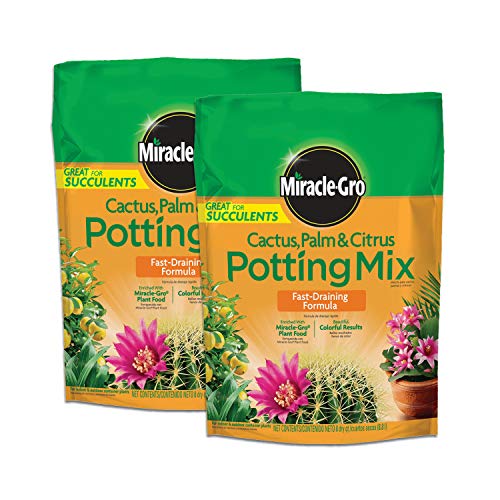
This is not a bonsai-only mix, but it helps in a pinch. It drains faster than standard potting soil and suits thick-rooted species. I have used it as a base and then added pumice or lava to boost airflow. It is budget friendly and easy to find, which helps if you repot many trees.
Use caution with moisture. For bonsai, do not water like a houseplant mix. Let the top layer dry and watch root response. With added grit, it becomes a fair training soil for ficus, jade, and portulacaria. It makes the Top 10 Best Potting Soil For Bonsai Trees as a value, mod-friendly option.
Pros
- Affordable and widely available
- Better drainage than regular potting soil
- Easy to amend with pumice or lava
- Good for thick-rooted tropicals
- Comes in a generous two-pack
Cons
- Not a specialized bonsai blend
- Can hold too much water unless amended
- Fertilizer charge may be strong for some trees
My Recommendation
Choose this if you need lots of soil at a low cost and you are ready to amend it. Add 30–50% pumice or lava rock to sharpen drainage. It belongs in the Top 10 Best Potting Soil For Bonsai Trees for value hunters and training-phase work.
| Best for | Why |
|---|---|
| Budget growers | Low price and wide availability |
| Tropical training | Easy to tweak with added grit |
| Large batches | Two-pack covers many repots |
Tinyroots All-Purpose Bonsai Soil, 2.25 qts

Tinyroots has a long history in bonsai supplies. This all-purpose mix aims for balance: enough grit to prevent soggy roots, enough fines to hold moisture. I like it for indoor ficus and outdoor elms. It screens well, with fewer dust fines than some budget mixes.
It is a smart middle ground if you want one bag for several species. It handles daily summer watering and paces dry-downs in cooler months. If you lean heavy with water, consider adding extra pumice. It stands in the Top 10 Best Potting Soil For Bonsai Trees for its consistent, all-around performance.
Pros
- Trusted bonsai brand
- Balanced for many species
- Screened to reduce dust
- Good base for indoor trees
- Stable structure through seasons
Cons
- Not ultra-gritty for conifers
- Small bag for large projects
- Price per quart can be higher
My Recommendation
Get Tinyroots if you want a one-bag solution for mixed collections. It is very friendly to ficus, elms, and many tropicals. It makes my Top 10 Best Potting Soil For Bonsai Trees because it reduces guesswork without sacrificing airflow.
| Best for | Why |
|---|---|
| Mixed species | All-purpose balance works across trees |
| Indoor growers | Moisture control without sogginess |
| Beginners | Less need for custom amendments |
Bonsai Jack Gritty Mix, 2 qts
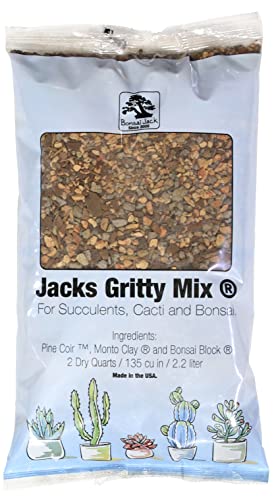
Bonsai Jack is famous for fast-draining, pH-optimized blends. The mix is gritty with near-zero peat, which means roots get air first, then water. It is a strong defense against root rot in humid regions or for heavy-handed watering. Many advanced hobbyists use it straight for succulents and bonsai alike.
Because it dries quickly, you must monitor moisture and adjust watering. That control is a plus for active growers who want fast response. For cypress, juniper, and olive, I see sharp root vigor and tight internodes. It belongs in the Top 10 Best Potting Soil For Bonsai Trees for precision, speed, and root health.
Pros
- Ultra fast drainage fights rot
- Optimized pH improves nutrient uptake
- Clean, uniform particle sizing
- Great for conifers and olives
- Outstanding for humid climates
Cons
- Can dry too fast for small indoor pots
- May require more frequent watering
- Premium price per quart
My Recommendation
Choose Bonsai Jack if you tend to overwater or live where humidity runs high. It keeps roots safe and reactive, which helps refinement. It is one of the Top 10 Best Potting Soil For Bonsai Trees for advanced control and clean growth.
| Best for | Why |
|---|---|
| Overwaterers | Fast drainage reduces rot risk |
| Conifers, olives | Grit supports tight growth and vigor |
| Humid zones | Prevents waterlogging after rain |
The Soil Sage Premium Bonsai Mix, 2.5 qts

This U.S.-made mix lists akadama, pumice, lava rock, and fine pine bark. It is a premium, ready-to-use option that tracks closely with high-end bonsai recipes. The particles are even and clean, which makes packing and chopsticking easy. It handles frequent watering while protecting pore space.
I like The Soil Sage for maples, elms, and refined conifers. It supports stable moisture without mud or sludge. The 2.5-quart bag is generous enough for one medium tree. It fits the Top 10 Best Potting Soil For Bonsai Trees for premium screening and classic ingredients.
Pros
- Premium akadama-based blend
- Great particle screening, low dust
- Strong drainage with micro water holding
- Ideal for refined trees and show pots
- U.S.A. made quality control
Cons
- Pricier than training mixes
- Akadama can break down over years
- Not ideal for very dry, windy patios unless monitored
My Recommendation
Use this if you want a traditional, high-quality bonsai substrate right out of the bag. It rewards careful watering with strong, dense roots and clean growth. It ranks in the Top 10 Best Potting Soil For Bonsai Trees for refined trees and mid-size repots.
| Best for | Why |
|---|---|
| Refined bonsai | Clean structure supports detailed work |
| Maples, elms | Balanced moisture and air for fine feeders |
| Show pots | Low dust keeps nebari tidy |
Doter Premium Bonsai Soil Mix, 1 qt

Doter’s blend is a pro-grade mix with enhanced aeration and drainage. It aims for a consistent, screened particle size to keep roots happy. I found it easy to settle around the rootball without crushing fine feeders. The 1-quart bag is best for small trees or touch-up work.
This is an excellent choice for shohin and mame sizes or for filling gaps after root pruning. It dries fast but not too fast if you watch the top layer. If you want precise control in small pots, it is a solid pick. It earns a spot in the Top 10 Best Potting Soil For Bonsai Trees for small-format excellence.
Pros
- Pro-grade aeration and drainage
- Consistent screening for tiny roots
- Easy to chopstick without compaction
- Good moisture control in small pots
- Ideal for touch-ups and top-offs
Cons
- Small volume for larger jobs
- May dry quickly in hot rooms
- Premium price for the size
My Recommendation
Pick Doter if you focus on shohin or need a reliable, precise mix for detail work. It gives you control and protects fine roots during recovery. It stands in my Top 10 Best Potting Soil For Bonsai Trees for small pots and careful growers.
| Best for | Why |
|---|---|
| Shohin, mame | Fine particles and strong airflow |
| Root work recovery | Protects delicate feeders |
| Indoor setups | Clean, low-dust handling |
Omitgoter Bonsai Soil Mix, 10 qts
This is the larger format of Omitgoter’s akadama-based blend. You get the same classic ingredients—akadama, lava, pumice, bark—at a scale that fits bigger projects. I like having a large bag for major root reductions and multiple trees. Consistency is strong across the batch which keeps watering predictable.
If your collection is growing, this size makes sense. The mix transitions well from training to refinement with only minor tweaks. In hot summers, you can top dress with sphagnum to extend moisture. It rightly belongs in the Top 10 Best Potting Soil For Bonsai Trees for value at volume.
Pros
- Premium ingredients in a large bag
- Good for multiple trees and big repots
- Even texture supports consistent care
- Works for training and refinement
- Easy to adjust with added grit or bark
Cons
- Heavier to store and handle
- May be more than needed for one small tree
- Akadama cost affects price
My Recommendation
Choose the 10-quart Omitgoter if you have several bonsai or plan a big repot day. It keeps your mix consistent across trees, which simplifies care. It is a lock in the Top 10 Best Potting Soil For Bonsai Trees for serious hobbyists scaling up.
| Best for | Why |
|---|---|
| Large projects | Enough volume for multiple repots |
| Mixed species | Classic ingredients suit many trees |
| Collection growth | Consistency across pots and seasons |
FAQs Of Top 10 Best Potting Soil For Bonsai Trees
What makes a bonsai soil “good” for roots?
Three things: fast drainage, strong airflow, and stable particles. These keep oxygen at roots and prevent rot.
Can I use regular potting soil for bonsai?
Not by itself. It holds too much water. Mix in pumice, lava, or grit to improve drainage.
How often should I water with gritty mixes?
Water when the top layer is nearly dry. In summer that may be daily. In winter, much less.
Is akadama worth it?
Often yes. It holds water and nutrients in micro-pores and breaks down slowly, aiding fine roots.
Which mix is best for juniper bonsai?
A gritty blend with lava and pumice. Bonsai Jack or the Premium All-Purpose Bonsai Blend work well.
Final Verdict: Which Should You Buy?
If you want a premium, classic recipe, pick The Soil Sage or Omitgoter’s akadama mixes. For ultra-fast drainage, Bonsai Jack leads. For a budget base you can amend, Miracle-Gro’s cactus mix works.
New to bonsai? Perfect Plants and Tinyroots are safe, easy choices. Each entry in the Top 10 Best Potting Soil For Bonsai Trees helps roots breathe, stay dry between waterings, and grow strong year-round.
