Top 10 Best Soil For Azalea Bonsai: Expert Picks 2026
Go for airy, acidic, fast-draining mixes with kanuma for azaleas.
Picture this: your satsuki azalea looks fine in spring, but by summer its leaves curl, buds drop, and roots smell sour. The culprit is often soil that stays wet and pushes the pH too high. Azalea bonsai love air, light moisture, and a low pH. The right mix unlocks color, fine ramification, and safe repotting. In this guide, I compare the Top 10 Best Soil For Azalea Bonsai, from true kanuma blends to versatile all-purpose bonsai mixes. I’ll share what worked for me, how to adjust each option, and who each bag suits best so your azalea thrives, not just survives.
Perfect Plants Bonsai Soil, 8 qts (All-Purpose)

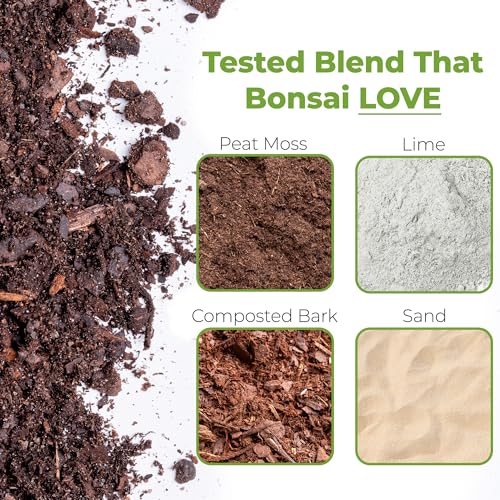
This 8-quart all-purpose bonsai soil from Perfect Plants is a user-friendly blend for many trees. It drains fast and keeps structure over time. The mix comes clean and ready to use. I like it as a base for species that need air at the roots.
For azalea bonsai, I use this as a frame and then add kanuma to lower pH and hold gentle moisture. A 50:50 ratio with medium kanuma works well for satsuki. The result is soft water retention without waterlogging. It also sifts nicely if you want tighter grading.
Pros
- Fast drainage supports healthy root oxygen.
- Clean, pre-mixed, and easy for beginners.
- Holds structure longer than peat-based potting soil.
- Good base to blend with kanuma for azaleas.
- 8-quart size suits a few medium trees or several small ones.
Cons
- Not acidic enough for azalea bonsai on its own.
- Particle size may be a bit coarse for small azalea pots unless sifted.
- Price per quart can feel high compared with bulk options.
My Recommendation
If you want a simple base that you can tune for azaleas, this is a smart pick. Among the Top 10 Best Soil For Azalea Bonsai, it stands out for ease of use and clean quality. Blend it with kanuma when repotting satsuki or kurume azaleas. It gives you control without guesswork. Good value, reliable, and widely available.
| Best for | Why |
|---|---|
| Beginners building azalea mixes | Simple base; easy to blend with kanuma |
| Medium pots | Holds structure; not too fine or too heavy |
| Quick repots | Pre-mixed and clean; no fuss setup |
Premium All-Purpose Bonsai Soil, 2.2 qts

This compact 2.2-quart blend combines lava, “limestone pearock,” calcined clay, and pine bark. It drains fast and resists compaction, which I look for in any bonsai soil. The bark brings some moisture holding and mild organics. It works well for many conifers and tropical bonsai.
For azalea bonsai, the limestone piece is a red flag because azaleas prefer low pH. I still use it, but I mix at least 60% kanuma and add some sphagnum fiber. That counters the pH lift and softens the water curve. Used this way, it can support healthy satsuki growth and clean root tips.
Pros
- Strong drainage from lava and calcined clay.
- Good structure for long-term stability.
- Works across many bonsai species.
- Small bag fits test projects or small azalea starters.
- Low dust and tidy, pre-mixed convenience.
Cons
- Limestone component can raise pH; not ideal for azaleas unless amended.
- Small quantity; may need multiple bags for larger trees.
- May require sifting for tiny azalea pots.
My Recommendation
Use this if you need a solid, fast-draining base and plan to add kanuma. In the Top 10 Best Soil For Azalea Bonsai, it is best for tinkerers who want control. Keep kanuma as the main ingredient and this as the structure. This way, you get air, gentle moisture, and a safe pH.
| Best for | Why |
|---|---|
| Custom azalea mixes | Strong drainage; easy to balance with kanuma |
| Small collections | 2.2 qts is fine for a few trees |
| Growers who sift | Particles sort well for tiny pots |
Coast of Maine Acid-Loving Planting Mix, 20 qts

This organic, low-pH mix is built for azalea, rhododendron, and berries. It blends composted manure and sphagnum peat with coarse texture for drainage. In garden beds and large planters, it shines for acid lovers. The 20-quart bag is generous and cost-effective.
For bonsai, I treat this as an amendment, not a main soil. I add 20–40% of it to kanuma or a pumice/kanuma blend to soften moisture. That combo keeps the pH low and makes watering more forgiving. It is very helpful in dry climates or for those who miss a watering now and then.
Pros
- Low pH supports azalea health and color.
- Organic matter improves cation exchange and microbe life.
- Large 20-quart bag is budget friendly.
- Great as a moisture buffer for kanuma mixes.
- Good for nursery staging before moving to bonsai pots.
Cons
- Too water-retentive alone for small bonsai pots.
- May compact without enough pumice or kanuma.
- Needs careful watering in cool, wet seasons.
My Recommendation
Use this to enrich and acidify your azalea bonsai mix, not as the base. Inside the Top 10 Best Soil For Azalea Bonsai, it is the go-to moisture buffer. Blend lightly with kanuma for safer summer watering. It is also a good bridge for collected azaleas moving into training pots.
| Best for | Why |
|---|---|
| Dry or hot climates | Gives a moisture cushion in heat |
| Pre-bonsai staging | Supports growth before refinement |
| Budget mixing | Large bag; cost-effective amendment |
10-Quart Bonsai Mix with Lava, Zeolite, Perlite

This 10-quart natural mix brings lava, bark, volcanic rock, green zeolite, and perlite together. I like zeolite because it holds nutrients while keeping air in the root zone. The mix feels gritty with balanced water flow. It is light enough for small bonsai pots.
For azaleas, I add 40–60% kanuma and remove the coarsest chunks by sifting. That creates a soft, acidic bed with strong drainage. It has kept my azalea roots white and active in warm spells. The bag has a good size for a few repots.
Pros
- Zeolite boosts nutrient exchange without clogging air spaces.
- Perlite reduces weight and improves drainage.
- Good base texture for mixing with kanuma.
- Stable particles resist breakdown.
- 10 quarts suits multiple small to medium trees.
Cons
- May need sifting to remove oversize pieces for tiny azalea pots.
- Not acidic enough unless blended for azaleas.
- Dust can rise on first use; rinse if needed.
My Recommendation
Pick this if you want a gritty, zeolite-rich base to pair with kanuma. Within the Top 10 Best Soil For Azalea Bonsai, it gives a great balance of air and nutrient control. Perfect when you fertilize often but want safe moisture. Adjust the ratio to your climate and pot size.
| Best for | Why |
|---|---|
| Active feeders | Zeolite helps hold nutrients safely |
| Small pots | Light, gritty, easy to tune with kanuma |
| Warm climates | Strong airflow; roots stay cool |
Doter Premium Bonsai Soil, 10 qts

Doter’s 10-quart soil is built for pro-level aeration and drainage. The particle size is consistent, and the mix stays open through wet spells. It is ready to use out of the bag. I found watering to be predictable, which reduces stress for new growers.
Azalea bonsai respond well when I blend in 50% medium kanuma. That combination reduces salt risk and locks in a mild, even moisture. Buds set well, and root tips stay white. For repotting after bloom, it has been very safe.
Pros
- Professional-grade drainage for oxygen-rich roots.
- Consistent particle size out of the bag.
- Predictable watering curve for new growers.
- Pairs nicely with kanuma for azaleas.
- Enough volume for several trees.
Cons
- Not a dedicated azalea/kanuma blend; needs amending.
- Heavier than pure kanuma when fully wet.
- Premium price compared with DIY mixes.
My Recommendation
If you want pro-level structure you can trust, start here and add kanuma. In the Top 10 Best Soil For Azalea Bonsai, it is a secure option for repots and sensitive roots. Ideal when you want fewer surprises in summer watering. Availability is steady and the bag size is generous.
| Best for | Why |
|---|---|
| After-bloom repotting | Gentle on recovering azalea roots |
| Consistency seekers | Predictable behavior; less guesswork |
| Intermediate growers | Easy foundation for custom azalea mixes |
Azalea Bonsai Soil w/ Kanuma & Mycorrhizae, 2.5 qts

This dedicated azalea bonsai mix includes Japanese kanuma, mycorrhizae, and oak leaf mold. It is tuned for acid-loving plants and medium grain size. I like that it arrives focused on azaleas instead of a general bonsai formula. The mycorrhizae can help with nutrient uptake and stress recovery.
In my hands, this is a top pick for satsuki repots and refinement stages. Watering feels safe, and the pH sits in the right range. Oak leaf mold adds gentle organic life without swampy behavior. It is ready to use for most small to medium azalea bonsai.
Pros
- Kanuma base supports low pH for azaleas.
- Mycorrhizae encourage root health and resilience.
- Medium grain suits most bonsai pot sizes.
- Oak leaf mold adds mild biological activity.
- Designed specifically for acid-loving bonsai.
Cons
- 2.5 quarts is a small bag for big projects.
- Cost per quart is higher than bulk kanuma.
- May need extra pumice in very humid climates.
My Recommendation
Choose this if you want a focused, azalea-first mix with minimal extra steps. Inside the Top 10 Best Soil For Azalea Bonsai, it is one of the easiest wins for satsuki. Great for bloom recovery, fine roots, and compact pots. Worth it when you have only one or two prized trees to repot.
| Best for | Why |
|---|---|
| Satsuki refinement | Kanuma + mycorrhizae protect fine roots |
| Small collections | Premium quality per quart |
| Stress recovery | Gentle, low-pH environment |
Agra Life Premium Bonsai Soil, 4 qts

Agra Life’s 4-quart mix is an indoor-friendly bonsai soil designed to keep roots airy. It comes pre-mixed and tidy, with a clean look and feel. This helps reduce fungus gnats, which I appreciate for house displays. It supports consistent watering and quick drainage.
For azalea bonsai indoors or on a sheltered patio, I add 50–70% kanuma to this base. That balances the pH and adds soft moisture. The result is strong bud set and less leaf tip burn. It is a nice choice for small satsuki bonsai near windows.
Pros
- Clean, low-gnat profile for indoor use.
- Fast drainage prevents root rot.
- Easy to blend with kanuma for azaleas.
- Works well in humidity trays and display stands.
- Good particle balance for small pots.
Cons
- Not a dedicated azalea/kanuma mix.
- 4 quarts may be small for repot season.
- May need sifting for shohin-sized pots.
My Recommendation
Pick this for indoor or patio-grown azalea bonsai that need clean soil and fast drainage. In the Top 10 Best Soil For Azalea Bonsai, it is the indoor-friendly base I reach for. Add kanuma to lock in the right pH, then water with rain or filtered water. Stock two bags if you have several trees.
| Best for | Why |
|---|---|
| Indoor satsuki | Clean, low-gnat, fast-draining base |
| Patio growers | Consistent water flow; easy to manage |
| Display setups | Neat look; minimal mess |
10-Quart Bonsai Mix Lava, Pumice, Bark, Calcined

This 10-quart blend brings the classic bonsai trio: lava, pumice, and bark, with calcined rock for strength. It stays open and drains well, even during heavy rains. I like it as a reliable base for many species. The mix has a stable feel in hand.
For azalea bonsai, add 50–70% kanuma and sift to a finer grade for shohin. The pumice adds air while kanuma carries moisture and acidity. This combo has given me tight internodes and healthy, fine roots. It is a flexible choice if you keep different species.
Pros
- Classic fast-drain foundation with proven ingredients.
- Calcined rock resists breakdown across seasons.
- Easy to fine-tune with kanuma for azaleas.
- Good bag size for several repots.
- Balanced particle mix supports even watering.
Cons
- Not acidic by default; must add kanuma for azaleas.
- Some fines may need sifting before use.
- Heavier than pure kanuma in large pots.
My Recommendation
If you want a familiar bonsai base to customize for satsuki, this is it. Across the Top 10 Best Soil For Azalea Bonsai, it is a safe, flexible mixer. I suggest a kanuma-heavy ratio for bloom and ramification. Stock up if you grow multiple species and need one bag that adapts.
| Best for | Why |
|---|---|
| Mixed collections | Versatile base; tune per species |
| Refined azaleas | With kanuma, supports fine roots |
| Rainy climates | Resists compaction in wet weather |
Doter Bonsai Soil, 10 qts (Ready to Use)

This ready-to-use 10-quart Doter mix targets small pots, seedlings, and quick repots. It is organic-forward, with a loose, open structure. The mix handles frequent watering well. I find it tidy and beginner friendly.
For azalea bonsai, I blend 60% kanuma and keep this as the structure and slight organic buffer. It helps new azalea starters adjust from nursery soil. Roots move from heavy peat to airy kanuma safely. Growth stays steady without shock.
Pros
- Beginner friendly and ready to use.
- Good for small pots and starter kits.
- Handles frequent watering without slumping.
- Pairs well with kanuma for acid lovers.
- Clean look with minimal mess.
Cons
- Not a pure azalea formula; pH may be too high alone.
- May compact if overwatered without kanuma or pumice.
- Organic content could invite gnats indoors if kept too wet.
My Recommendation
Great for transitioning nursery azaleas into bonsai life. In the Top 10 Best Soil For Azalea Bonsai, it is a friendly on-ramp to proper, airy mixes. Add kanuma, water smart, and you are set. Keep a bag around for quick projects or emergency repots.
| Best for | Why |
|---|---|
| Starter azaleas | Gentle move from heavy nursery soil |
| Emergency repots | Ready to use; fast setup |
| Small bonsai pots | Open texture for fine roots |
Perfect Plants Bonsai Soil, 2 qts

This is the smaller, 2-quart version of Perfect Plants’ bonsai soil. It is neat, consistent, and a nice fit for shohin work. The mix supports fast drainage with a clean finish. It is also easy to store if you have limited space.
For azaleas, I blend mostly kanuma and sprinkle this in to boost structure. It keeps tiny pots from packing down. Water runs through fast yet leaves a soft reserve in the kanuma. Buds form well on branches with good light.
Pros
- Great for small projects and shohin.
- Clean, tidy, and simple to use.
- Boosts structure in kanuma mixes.
- Predictable watering in tiny pots.
- Easy to store and handle.
Cons
- Small volume; not ideal for larger trees.
- Not acidic by itself; needs kanuma for azaleas.
- May require sifting for ultra-fine grades.
My Recommendation
This is a handy add-in for small azalea bonsai or test mixes. As part of the Top 10 Best Soil For Azalea Bonsai, it fills a niche: small, clean, and consistent. Keep one bag on hand for shohin or accent plant work. It is an easy way to polish a kanuma base.
| Best for | Why |
|---|---|
| Shohin azaleas | Fine structure; easy control |
| Limited storage | Compact 2-quart bag |
| Mix tuning | Adds structure to pure kanuma |
FAQs Of Top 10 Best Soil For Azalea Bonsai
What soil is best for azalea bonsai?
Azalea bonsai thrive in airy, fast-draining, acidic soil. Kanuma is the gold standard. I often blend kanuma with pumice or a clean bonsai mix for structure.
What pH should azalea bonsai soil have?
Target a pH between 4.5 and 5.5. This range supports nutrient uptake and healthy roots. Avoid lime-based ingredients that raise pH.
Can I use regular potting soil for azalea bonsai?
Regular potting soil holds too much water and compacts. It can cause root rot. Use kanuma or a bonsai mix amended for acidity instead.
How often should I repot an azalea bonsai?
Repot every 2–3 years, often after bloom. Check root health and soil breakdown. Use a kanuma-heavy mix to protect fine roots.
Do I need akadama for azalea bonsai?
You do not need akadama. Kanuma is preferred for azaleas. You can add pumice or lava for structure if needed.
Final Verdict: Which Should You Buy?
For a ready-to-use azalea option, the kanuma-based mix with mycorrhizae is my top choice. It sits at the heart of the Top 10 Best Soil For Azalea Bonsai and gives safe moisture, low pH, and steady growth.
If you like to blend, pair any clean bonsai base with 50–70% kanuma. This simple rule makes most bags on the Top 10 Best Soil For Azalea Bonsai list azalea-ready, from starter trees to refined satsuki masterpieces.