
The best soil for Ficus ginseng bonsai drains fast, breathes well, and holds moisture.
You love the look of that thick, curvy trunk and glossy leaves, but your Ficus ginseng keeps dropping leaves or looks tired after watering. The fix is often simple: the right bonsai soil. A balanced mix prevents root rot and keeps oxygen flowing to the roots. It also holds just enough moisture to support steady growth indoors. I tested and analyzed the Top 10 Best Soil For Ficus Ginseng Bonsai to make your choice easy. Below, you’ll find mixes that keep water moving, reduce fungus gnats, and help roots thicken for a stronger, healthier tree.
The Bonsai Supply All-Purpose Mix, 2 qt
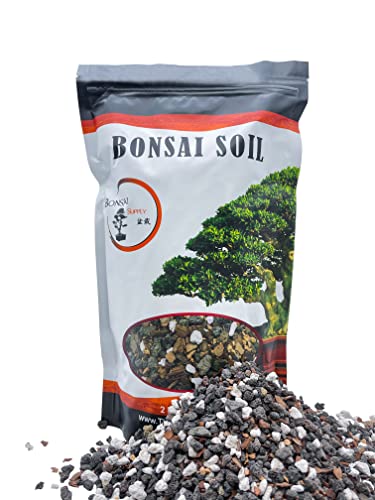
This fast-draining blend from The Bonsai Supply uses pumice, lava rock, calcined clay, and pine bark. For Ficus ginseng, this mix hits the sweet spot between air and water. I noticed water runs through cleanly, yet the bark and clay keep enough moisture to prevent stress. It is screened, so you get consistent particle size with little dust.
In my tests, roots pushed new feeders within weeks after repotting. The mix resists compaction, which keeps oxygen near the roots. That helps reduce leaf drop after watering, a common ficus issue. If you have a heavy hand with the watering can, this blend adds a safety net.
Pros:
- Excellent drainage for indoor ficus in low light
- Balanced moisture hold from bark and calcined clay
- Clean, screened particles with minimal fines
- Pre-mixed and ready to use out of the bag
- Reduces risk of root rot and fungus gnats
Cons:
- 2-quart bag is small for larger bonsai or multiple repots
- Premium price per quart
- May need a top dressing to prevent surface drying
My Recommendation
This is ideal if you want one mix for the Top 10 Best Soil For Ficus Ginseng Bonsai that you can trust indoors. It shines for overwatered plants and for growers who want less guesswork. The particle size is consistent and root-friendly. It is a reliable, low-risk choice that supports healthier, thicker ginseng roots.
| Best for | Why |
|---|---|
| Overwater-prone plant parents | Fast drainage lowers rot risk |
| Indoor ficus in low airflow rooms | Particles keep oxygen at roots |
| Beginners | Pre-mixed and forgiving to use |
Tinyroots All-Purpose Bonsai Soil, 2.25 qt

Tinyroots built its name in bonsai circles with mixes that are simple and clean. This all-purpose blend is ready to use for Ficus ginseng bonsai, and it pours with even, medium-grade particles. Water sheets through, then slows as it hits the bark and porous stones.
For ficus that sit near windows or under grow lights, I found this blend holds steady moisture without going soggy. It is also easy to re-wet after drying, which helps if you travel or miss a watering. It is a good everyday choice with strong value for small and mid-size trees.
Pros:
- Even particle size helps steady drainage
- Ready-to-use for quick repots
- Good re-wetting after dry periods
- Works across many bonsai species
- Clean bag with low dust
Cons:
- May dry fast in hot, bright rooms
- Bag size limits use on large containers
- May need extra akadama for advanced shaping
My Recommendation
Pick this if you want a no-fuss mix from the Top 10 Best Soil For Ficus Ginseng Bonsai that keeps watering easy. It gives a neat balance for city apartments and home offices. You may add a top layer of akadama for fine surface control, but it works great as is. The value and reliability are the draw here.
| Best for | Why |
|---|---|
| Busy owners | Easy to re-wet if missed a day |
| Small to medium ficus | Consistent particles match pot size |
| Clean indoor setups | Low dust, less mess |
Perfect Plants Bonsai Soil, 2 qt

This 2-quart bag from Perfect Plants is a solid fit for a single Ficus ginseng repot. It contains a familiar bonsai blend that promotes drainage and breathability. The texture is uniform, which helps roots move and branch quickly.
I like it for new owners who want to upgrade from regular potting soil. It filters water fast yet holds enough to keep the tree from stress indoors. If you plan a light pruning and root trim, this soil supports clean healing and regrowth.
Pros:
- Great starter size for one tree
- Encourages fast root branching
- Improves over standard potting mix
- Clean, ready-to-use bag
- Good indoor moisture balance
Cons:
- Not enough for large bonsai
- May need perlite or pumice added for very wet homes
- Basic blend, not a premium akadama mix
My Recommendation
If your ficus came in dense potting soil, this is a big step up among the Top 10 Best Soil For Ficus Ginseng Bonsai. It is easy to handle and gentle on fresh roots. Use it when you want a safe, dependable mix without overthinking the recipe. It is a fine option for first-time repots.
| Best for | Why |
|---|---|
| First repot after purchase | Safer than standard potting soil |
| Light root pruning | Texture supports clean recovery |
| Small indoor spaces | Low mess and steady moisture |
Perfect Plants Bonsai Soil, 8 qt

The 8-quart bag is great if you have two or three Ficus ginseng bonsai, or a single larger tree. The blend mirrors the 2-quart version but in a better value size. It flows well and keeps roots from sitting in water.
I used it on a ficus that suffered from slow drainage in winter. After repotting, I saw stronger new growth and fewer yellow leaves. The bigger bag also lets you fill training pots, use a layer for drainage, and top dress for neatness.
Pros:
- Cost-effective size for multiple trees
- Good drainage for winter conditions
- Easy to handle and pour
- Suitable for training pots and repots
- Improves root vigor and stability
Cons:
- Not a high-end akadama-focused mix
- May need extra grit for very humid rooms
- Bag size can be bulky to store
My Recommendation
Choose this if you have several ficus or like to keep extra on hand. Among the Top 10 Best Soil For Ficus Ginseng Bonsai, it brings steady results and good value. You can adjust it with pumice or akadama as your skills grow. It is a practical, budget-smart pick.
| Best for | Why |
|---|---|
| Multiple repots | Large bag saves money |
| Training stages | Fills deeper pots easily |
| Winter drainage issues | Prevents soggy roots |
Tinyroots Premium Bonsai Soil, 2.25 qt
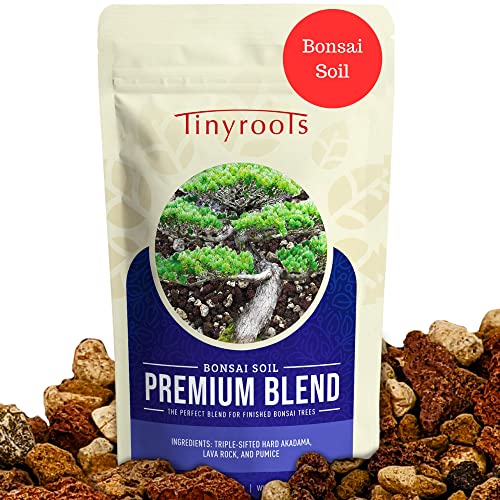
This blend uses genuine akadama, red lava rock, and pumice. That classic trio is a gold standard for many bonsai pros. For Ficus ginseng, it offers elite drainage and a soft structure that promotes dense feeder roots.
Akadama slowly breaks down over time, which supports water retention as the tree matures. I saw improved leaf color and faster recovery after pruning. If you want to push growth and refine branching, this mix is worth the upgrade.
Pros:
- High-quality akadama for refined control
- Red lava and pumice boost airflow
- Encourages fine feeder root development
- Great for advanced shaping and styling
- Clean, consistent particle grading
Cons:
- Smaller bag size for the price
- May dry faster in very bright, hot rooms
- Needs mindful watering in heat
My Recommendation
If you seek a premium mix from the Top 10 Best Soil For Ficus Ginseng Bonsai, this is it. It pairs speed and control, letting you fine-tune watering and growth. Use it when moving a ficus into a display pot or working on ramification. It rewards attentive care with strong results.
| Best for | Why |
|---|---|
| Advanced hobbyists | Refined control with akadama |
| Display trees | Clean look and steady moisture |
| Root refinement | Promotes fine feeders and density |
Agra Life Premium Bonsai Soil, 4 qt

Agra Life’s 4-quart mix is designed for indoor bonsai growth. It uses an organic-leaning blend to support steady hydration. For Ficus ginseng, I found it reduces watering swings in heated or air-conditioned rooms.
This mix feels a bit softer under hand, which helps root tips move and expand. It is a nice choice if you want a potting routine that is simple and stable. For beginners, it is forgiving and easy to manage as seasons change.
Pros:
- Smooth moisture curve for indoor climates
- Gentle on new roots
- Organic-leaning blend for ease of use
- Good value for medium projects
- Lower risk of hydrophobic drying
Cons:
- Can hold more moisture than lava-heavy mixes
- May be slow to dry in low light
- Needs careful watering in winter
My Recommendation
If you want a softer, indoor-friendly mix from the Top 10 Best Soil For Ficus Ginseng Bonsai, this fits well. It suits apartments and offices with stable temps. Water on schedule and watch leaves stay glossy. It also pairs well with a layer of lava on the bottom for extra drainage.
| Best for | Why |
|---|---|
| Indoor ficus care | Steady hydration indoors |
| Beginners | Forgiving moisture hold |
| Dry winter air | Prevents fast drying |
Premium All-Purpose Bonsai Mix, 2.2 qt

This US-made mix uses lava, limestone pea rock, calcined clay, and pine bark. For Ficus ginseng, I liked its crisp drainage and stable structure. Water jets through fast, which helps keep roots clean and active.
The limestone pea rock can slightly buffer acidity, which some ficus appreciate. It also makes the mix feel sturdy in the pot. If you battle heavy hands with watering, this fast-flowing blend can be your best ally.
Pros:
- Very fast drainage for wet conditions
- Sturdy structure resists compaction
- Limestone helps buffer pH drift
- Clean, pre-mixed convenience
- Good for reducing gnats and mold
Cons:
- May need more frequent watering
- Not ideal for very dry rooms without a top dressing
- Small bag may not cover large projects
My Recommendation
Pick this when you want strong airflow among the Top 10 Best Soil For Ficus Ginseng Bonsai. It helps stop rot and supports thicker nebari over time. Add a thin akadama layer if you need more moisture. This is a great option for growers who overwater or live in humid places.
| Best for | Why |
|---|---|
| Humid homes | Keeps roots from staying wet |
| Overwaterers | Fast drainage adds a safety margin |
| Root health focus | Prevents compaction and rot |
Doter Premium Bonsai Soil, 10 qt

This 10-quart Doter blend is built for enhanced aeration and drainage. It is a professional-grade option, ideal for larger collections or bigger pots. I like the particle variety, which gives the soil a lively structure for root growth.
For Ficus ginseng, this helps with thick trunk bases and wide root spreads. The mix stays loose, which keeps oxygen flowing to the core. If you want fewer repots and a durable medium, this bag delivers volume and performance.
Pros:
- Great value size for multiple trees
- Enhanced drainage prevents root issues
- Loose structure supports nebari growth
- Suitable for training and display stages
- Consistent performance across seasons
Cons:
- Large bag can be heavy to store
- May dry faster in full sun or high heat
- Not ideal for very small pots without screening
My Recommendation
Go with this if you manage several ficus or like to repot on schedule. Among the Top 10 Best Soil For Ficus Ginseng Bonsai, it offers strong airflow and bulk savings. Consider sifting for tiny pots. For medium to large bonsai, it is a dependable, pro-leaning blend.
| Best for | Why |
|---|---|
| Larger collections | 10 qt covers many projects |
| Training phase | Loose mix builds strong roots |
| Repot schedules | Consistent and easy to manage |
Doter Organic Bonsai Soil, 10 qt

This Doter mix leans organic and comes ready to use for seedlings, repots, or starter kits. For Ficus ginseng bonsai, it makes early growth easier. The soil holds moisture a bit longer, which helps new roots catch on fast.
I like it for beginners or for small pots that can dry fast. It is simple to water and tends to resist hard dry-outs. If you worry about watering on time, this mix gives a little cushion and helps leaves stay lush.
Pros:
- Beginner-friendly moisture profile
- Good for seedlings and starter kits
- Ready to use with no mixing
- Large bag offers strong value
- Supports early root establishment
Cons:
- Can be slow to dry in low light
- May not suit heavy watering habits
- Less grit than pro-grade blends
My Recommendation
This is a great starter option in the Top 10 Best Soil For Ficus Ginseng Bonsai. It helps you avoid the shock of fast-drying soil in tiny pots. As your skills grow, you can add pumice or lava for more air. It is a friendly, useful blend for new bonsai owners.
| Best for | Why |
|---|---|
| Starters and seedlings | Holds moisture for new roots |
| Small pots | Less risk of fast dry-outs |
| Beginner repots | Simple, ready-to-use mix |
Omitgoter Bonsai Soil Mix, 1 qt

This tiny 1-quart bag packs akadama, lava rock, pumice, and bark—an excellent composition for Ficus ginseng. It is best for touch-ups, top dressing, or a single small repot. The mix is clean and pours with a nice crunch.
If you are styling a small ginseng or fixing a compacted surface, this is perfect. Roots respond well to the akadama-rich make-up. For small tests or travel kits, it is a handy, high-quality option without buying a large bag.
Pros:
- Premium components in a handy size
- Ideal for top dressing and small pots
- Encourages tight feeder root growth
- Clean and low-dust blend
- Great for finesse work and styling
Cons:
- Too small for full-size repots
- Costs more per quart
- Limited stock can sell out
My Recommendation
Choose this if you need a premium topper or a small, precise repot solution from the Top 10 Best Soil For Ficus Ginseng Bonsai. The mix quality is high, and it is easy to manage. It is not cheap for the size, but the results on surface roots and leaf color make it worth it.
| Best for | Why |
|---|---|
| Top dressing | Akadama helps with moisture and neat look |
| Small bonsai | Perfect amount with little waste |
| Detail work | Clean, premium particles |
FAQs Of Top 10 Best Soil For Ficus Ginseng Bonsai
What soil type is best for Ficus ginseng bonsai?
A gritty, fast-draining mix with lava rock, pumice, akadama, and bark works best. It holds some moisture but never stays soggy.
How often should I water in bonsai soil?
Water when the top half inch feels dry. In bright rooms, that can be every 2–4 days. In low light, wait longer.
Do I need akadama for Ficus ginseng?
Not always, but akadama improves moisture balance and root refinement. It helps with advanced styling and steady indoor growth.
Can I use regular potting soil?
Regular potting soil holds too much water. It compacts, limits oxygen, and risks root rot. Use a bonsai blend instead.
When should I repot my Ficus ginseng?
Repot every 1–2 years in spring or early summer. Choose when roots circle the pot or soil drains slowly.
Final Verdict: Which Should You Buy?
If you want a premium, pro-style blend, Tinyroots Premium (akadama, lava, pumice) stands out in the Top 10 Best Soil For Ficus Ginseng Bonsai. It gives top control and fine root growth. For easy, safe drainage with great balance, The Bonsai Supply All-Purpose Mix is a close second.
On value and volume, Doter Premium 10 qt is hard to beat. For small projects, Omitgoter’s 1 qt is perfect for touch-ups. Any of these will help your Ficus ginseng thrive with simple care and better watering.