
Top 10 Best Soil For Weeping Willow Bonsai: 2026 Picks

Choose fast-draining, airy mixes that still hold steady moisture for willows.
Your weeping willow bonsai drinks like a marathon runner but fears wet feet. That balance is tricky. The wrong soil means droop, leaf drop, and root rot. The right mix keeps oxygen moving, moisture steady, and nutrients accessible. I’ve tested many blends to find what helps willows grow strong, flexible, and fast while resisting disease. Below, I review the Top 10 Best Soil For Weeping Willow Bonsai, focusing on drainage, moisture balance, and real-world performance in shallow bonsai pots.
Bonsai Supply All-Purpose Fast-Drain Mix (2 qt)
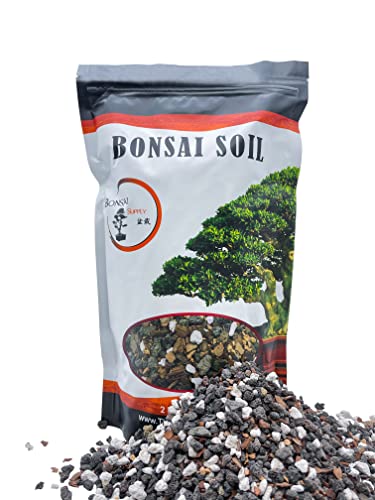
This pre-mixed blend from The Bonsai Supply hits the classic bonsai balance. It blends pumice, lava rock, calcined clay, and pine bark for quick drainage with stable moisture. For willow bonsai, that’s key. The roots get air even after a deep watering, so you avoid the dreaded soggy core.
I like the particle size for medium trees. It sifts well and stays loose, even in wider pots. The bark gives mild nutrient buffering, so feed uptake stays steady. It is a safe, reliable pick if you repot often or water daily in hot weather.
Pros
- Excellent drainage that protects against root rot
- Airy structure supports fast willow root growth
- Pine bark adds gentle moisture and nutrient hold
- Clean mix with consistent particle size
- Works for indoor or outdoor bonsai
Cons
- Bag size is small for larger projects
- May dry a bit fast in arid climates
- Not labeled with exact pH range
My Recommendation
Choose this if you want a proven, no-fuss mix that fits most willow care styles. It is best for growers who water often and want fast oxygen to the roots. It earns a spot in the Top 10 Best Soil For Weeping Willow Bonsai because it prevents compaction and balances moisture without sludge.
| Best for | Why |
| Fast growers | Great aeration supports rapid root expansion |
| Daily waterers | Drains well and resists waterlogging |
| Repotting yearly | Stable particles hold up through seasons |
Perfect Plants Bonsai Soil Premium Mix (2 qt)

This small-batch blend comes ready to pour. It’s well-suited to beginner and intermediate bonsai owners who want consistency. The mix stays loose, which I like for willow species that need air at all times. It holds moisture better than plain grit due to bark and porous minerals.
I find it easy to wet and re-wet. That matters for willows, which often dry quicker in summer. The light weight also makes handling simple during repotting. It is a handy choice if you own a few small to medium trees.
Pros
- Balanced drainage with moderate moisture hold
- Arrives clean and ready to use
- Good for training pots and nursery cans
- Easy to wet and rehydrate
- Trusted brand with consistent batches
Cons
- Two quarts may not fill larger containers
- Not ideal for very large willows
- May need added grit for extreme humidity
My Recommendation
If you’re learning willow care or want a plug-and-play blend, this is solid. It belongs in the Top 10 Best Soil For Weeping Willow Bonsai because it removes guesswork while meeting the species’ air and moisture needs. Use it for younger trees or smaller displays.
| Best for | Why |
| Beginners | Simple, reliable results without mixing |
| Small bonsai | Particle size suits compact root balls |
| Frequent repotters | Lightweight, easy handling |
Perfect Plants Bonsai Soil Premium Mix (8 qt)

Same trusted formula as the 2-qt option but in a larger bag. If you own multiple trees or a bigger willow, you’ll appreciate the volume. It drains fast but keeps a soft, breathable structure. For thirsty willows, that mix keeps roots active and avoids rot.
I’ve used it for heavy summer watering on training trees. It held up well and did not compact. Top dressing bonds to it nicely, which helps with moisture moderation. It is a good stock mix for a home bonsai bench.
Pros
- Bulk size fits medium collections
- Good moisture retention for willows
- Stable structure resists compaction
- Consistent particle sizing
- Easy to blend with extra pumice if needed
Cons
- Bag may feel heavy to store
- Price scales with volume
- Exact mineral ratios not listed
My Recommendation
Want enough soil on hand for a full repot season? Go with this size. It earns its place in the Top 10 Best Soil For Weeping Willow Bonsai for those managing a few larger specimens or training projects. Add a little more grit if you live in a rainy climate.
| Best for | Why |
| Medium collections | Volume and value for multiple repots |
| Training phases | Loose structure aids root development |
| Hot summers | Holds moisture, still drains fast |
Agra Life Premium Bonsai Soil Mix (4 qt)

Agra Life’s blend is geared toward indoor bonsai yet works well outdoors too. The organic-forward design helps retain gentle moisture, which is useful for willows. It includes porous components for airflow, so your roots can breathe. I’ve found it forgiving if you sometimes overwater.
The mix wets easily and supports steady growth. For indoor growers, that’s helpful since dry indoor air can pull water fast. It also supports microbial life, which helps nutrient cycling. For willows, that means steady vigor and lush leaves.
Pros
- Indoor-friendly moisture hold
- Good airflow for healthy roots
- Forgiving if you overwater
- Supports beneficial microbes
- Clean, ready-to-use blend
Cons
- May hold too much water for very humid zones
- Less gritty than hardcore “akadama” blends
- Needs careful watering in winter
My Recommendation
If your willow lives indoors part of the year, consider this mix. It stands out in the Top 10 Best Soil For Weeping Willow Bonsai for indoor stability and smooth watering. It is great for anyone who wants a moisture-friendly blend without swampy results.
| Best for | Why |
| Indoor bonsai | Moisture balance suits dry rooms |
| New growers | Forgiving mix with air and hold |
| Seasonal shifts | Performs in varied environments |
Premium All-Purpose Bonsai Blend (2.2 qt, USA)

This USA-made blend mixes lava rock, limestone pea rock, calcined clay, and pine bark. I like it for trees that need strong drainage with enough hold for daily drinks. Willows push roots fast in this medium. It resists compaction and supports even wetting.
The limestone pebble adds buffering for pH stability. Willows tend to like slightly acidic to neutral soil, so steady pH is useful. Bark adds soft hold to offset the gritty mineral mix. This is a nice hybrid for hot summers and active watering routines.
Pros
- Fast-draining and airy
- pH buffering from limestone
- Holds moisture without sludge
- Durable through heavy watering
- Ready to use, clean particles
Cons
- Limestone not ideal if your water is very hard
- Bag size small for multiple trees
- May need extra bark for extreme heat
My Recommendation
Use this if your willow gets lots of sun and water. It deserves a spot among the Top 10 Best Soil For Weeping Willow Bonsai due to its tidy balance of minerals and bark. Great for steady hands who water on schedule.
| Best for | Why |
| Sunny patios | Fast draining under heavy watering |
| pH-sensitive care | Limestone helps buffer swings |
| Training pots | Strong structure resists compaction |
Tinyroots All-Purpose Bonsai Soil Mix (2.25 qt)

Tinyroots has long been a trusted name in hobby bonsai. This mix offers a good starting point for a range of species, including willow. It drains fast and supports healthy root pruning cycles. I find it resists breakdown over the season.
Water absorbs and moves through evenly. That makes it easy to water deeply without pooling. For willows that drink a lot, that even flow is a big plus. It’s a reliable, ready-to-use choice.
Pros
- Consistent quality brand
- Even water movement through the root zone
- Good for seasonal repot schedules
- Minimal fines and dust
- Works with most fertilizers
Cons
- Not the cheapest per quart
- 2.25 qt may not cover larger pots
- May need extra bark for very dry climates
My Recommendation
Pick this if you want a classic, dependable bonsai soil from a known brand. It secures its place in the Top 10 Best Soil For Weeping Willow Bonsai with easy watering and strong drainage. Use it for small to mid-size trees in training or show pots.
| Best for | Why |
| Trusted quality | Brand known for bonsai supplies |
| Even watering | Uniform flow avoids pooling |
| Routine care | Stable, low-fuss structure |
Doter Premium Bonsai Soil Mix (10 qt)

Doter’s 10-qt pro blend is designed for aeration and drainage. It is a smart fit for larger pots or multiple willows. The structure stays open, which lets roots stay active after heavy watering. I like it for outdoor benches with full sun.
The particles are durable and don’t mush with time. That gives you more consistent care across seasons. If you grow willows hard, this soil can keep up. It is a great value for volume.
Pros
- Large bag for collections
- High aeration supports fast growth
- Holds form over time
- Good for outdoor conditions
- Repots multiple trees per bag
Cons
- May be too fast-draining for very dry zones
- Requires regular watering schedule
- Bag storage space needed
My Recommendation
Own more than one willow? This is a strong, bulk option. It ranks in the Top 10 Best Soil For Weeping Willow Bonsai for collections and training setups. Add a touch of bark if your climate is bone-dry.
| Best for | Why |
| Collections | Big volume covers many repots |
| Outdoor sun | Aeration under high heat stress |
| Active growers | Keeps roots energized and healthy |
Large Premium All-Purpose Bonsai Blend (8.2 qt)
This is the larger sibling to the 2.2-qt USA-made blend. The recipe centers on lava, limestone pea rock, calcined clay, and pine bark. It gives you air, strength, and moisture balance. Willow roots run fast in this, and repots feel clean.
Use it if you need more than a small bag. The structure works in wide, shallow pots and deep training pots. It drains hard but hangs on to just enough moisture between waterings. It’s a steady performer for growers who value consistency.
Pros
- Great for larger pots and projects
- Consistent texture across bags
- pH-buffering minerals included
- Resists compaction and slumping
- Easy to top dress and wire
Cons
- Heavy for shipping and storage
- Limestone may raise pH with hard water
- May need extra bark for extreme heat
My Recommendation
If your willow is sizing up, grab this bag. It earns its place in the Top 10 Best Soil For Weeping Willow Bonsai by offering stable performance at a larger scale. Add a bit of organic matter if your climate is ultra dry.
| Best for | Why |
| Larger trees | Volume and structure suit big roots |
| Shallow pots | Even flow prevents wet pockets |
| Consistent care | Predictable watering response |
The Soil Sage Premium Bonsai Mix (5 qt)

This mix features akadama, pumice, lava rock, and fine pine bark. That’s a classic, high-performance combo for bonsai. For weeping willow, akadama gives excellent water management, while pumice and lava keep air moving. I like the “ready to use” feel right out of the bag.
The particle size is bonsai-appropriate and reduces fines. Water penetrates evenly and drains well. I’ve seen reliable root ramification with this blend. If you want a near-traditional recipe, this is a great pick.
Pros
- Akadama-based for premium water control
- Airy, fast-draining structure
- Good for root ramification and health
- Clean, low dust
- USA-made, consistent batch quality
Cons
- Akadama can soften over time
- Not the cheapest option
- Needs careful winter watering
My Recommendation
Want that classic bonsai feel? Choose The Soil Sage for refined willow work. It sits firmly in the Top 10 Best Soil For Weeping Willow Bonsai thanks to its pro-grade balance of hold and air. Ideal if you love fine root structure and responsive watering.
| Best for | Why |
| Refined styling | Akadama supports fine roots |
| Show pots | Clean look, even wetting |
| Mindful waterers | Responsive to technique |
Bonsai Jack Gritty Mix (2 qt)
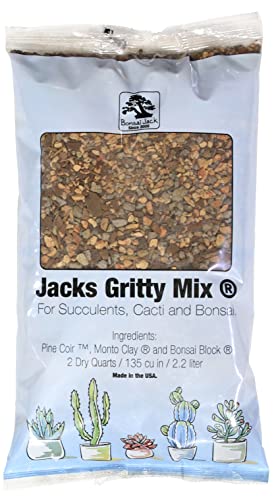
Bonsai Jack’s gritty mix is famous for fast drainage and root rot defense. It is pumice-forward with hard, clean particles that don’t collapse. For willow bonsai, this is ideal if you overwater or live in constant humidity. It keeps oxygen flowing no matter what.
I often recommend it to growers who have struggled with root health. It’s sharp, clean, and resists compaction better than many mixes. You may need to water more in dry heat, but that is much safer than soggy roots. It is a pro-level choice for tricky climates.
Pros
- Ultra fast drainage to fight root rot
- Hard particles that hold structure
- Great in humid climates
- Optimized pH for plant health
- Low dust, clean bag
Cons
- May require more frequent watering
- On the higher end price-wise
- Less organic hold compared to barky mixes
My Recommendation
If rot has ever taken a tree from you, start here. This earns a premium spot in the Top 10 Best Soil For Weeping Willow Bonsai due to its bulletproof drainage and pH tuning. It’s perfect for humid regions or heavy-handed watering styles.
| Best for | Why |
| Humidity | Stays airy and fast-draining |
| Rot-prone trees | Prevents waterlogged cores |
| Advanced care | Responsive, pro-grade structure |
Important Willow Bonsai Soil Tips (Expert Notes)
I’ve grown and repotted many willow bonsai over the years. They are thirsty trees that love frequent watering, yet they crumble if the root zone stays soggy. Your soil must drain fast, hold some moisture, and keep air moving in shallow pots. That is why most mixes above blend porous rock (pumice, lava, calcined clay) with a touch of bark for buffering.
Target a slightly acidic to neutral pH, around 6.0–6.8. Watch water quality if you have very hard tap water, especially with limestone-heavy mixes. Repot yearly or when roots circle hard. Use a particle size suited to your tree size; 4–6 mm for medium trees often works well for willow vigor and health.
FAQs Of Top 10 Best Soil For Weeping Willow Bonsai
What soil pH is best for a weeping willow bonsai?
Aim for slightly acidic to neutral, about 6.0–6.8. This range supports nutrient uptake and root health.
How often should I repot a willow bonsai?
Usually every 1–2 years. Willows grow fast and fill pots quickly. Repot sooner if drainage slows.
Should I add organic matter to my willow soil?
Yes, a small amount helps hold moisture. Pine bark is great. Avoid heavy peat that compacts.
What particle size works best for willow bonsai?
Use medium particles, roughly 4–6 mm for most trees. Go finer for smaller trees and finer roots.
How do I prevent root rot in willow bonsai?
Use fast-draining soil, water deeply but avoid standing water, and ensure the pot has ample drainage holes.
Final Verdict: Which Should You Buy?
The Top 10 Best Soil For Weeping Willow Bonsai all focus on fast drainage with steady moisture. Pick by climate and watering style. In humid zones or if you overwater, Bonsai Jack Gritty Mix is a safe bet.
For balanced, ready-to-use performance, The Bonsai Supply and Perfect Plants mixes shine. If you want a classic akadama blend, choose The Soil Sage. Any of these can keep your willow vigorous and rot-free.
