
Top 5 Most Expensive Bonsai Scissors: Elite Picks 2026

These five premium bonsai scissors deliver elite sharpness, balance, and control.
Picture this: You lean in to nip a single bud and the blade glides like silk. No tear. No bruise. Your tree looks cleaner, heals faster, and you feel in control. That is what great bonsai scissors do. The Top 5 Most Expensive Bonsai Scissors stand out for their steel, grind, and ergonomics. They cut clean lines on tender tips and woody twigs. They hold an edge and feel steady in hand. If you want a tool that rewards your care and time, these are the five I trust.
gonicc GPPS-1012 7.3″ Bonsai Scissors
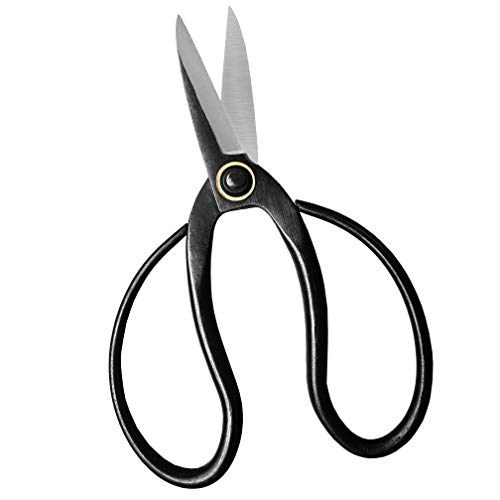
The gonicc GPPS-1012 feels solid in hand and moves with ease. The 7.3-inch size hits a sweet spot for reach and control. The blades open wide for small branches yet close with fine touch on buds. I like the way the handles guide your grip and support steady cuts.
Edge retention is the star here. The grind is even, so tips meet clean and true. That means fewer crushed fibers and cleaner healing. For beginners and pros alike, these scissors help you make precise, repeatable cuts in tight spots.
Pros
- Strong, balanced feel with smooth action
- Fine tip control for buds and leaf pruning
- Wide opening for thin twigs and small shoots
- Edge holds up well with regular use
- Comfortable handles reduce hand fatigue
Cons
- Not ideal for very hard, old wood
- May require frequent cleaning to prevent sap stick
- Finish can scuff with rough storage
My Recommendation
If you want a strong starter in the Top 5 Most Expensive Bonsai Scissors, this is a smart pick. It suits hobbyists who need one main scissor for most tasks. It also fits pros who want a dependable backup. The reach and tip shape make detail work simple and safe.
| Best for | Why |
|---|---|
| Everyday pruning | Balanced length and sharp tips handle most cuts |
| Beginners moving to premium tools | Easy control and steady action build skill fast |
| Precision leaf and bud work | Fine points nip soft tissue without tearing |
SenkichiKin 7″ Bonsai Scissors, Made in Japan

The SenkichiKin 7-inch scissors are made in Japan and it shows. The carbon steel blades take a keen edge. They deliver crisp cuts on soft growth and small woody shoots. The body is light, so your hands move fast and precise.
I find the grind even across the edge, with points that meet clean. This helps when you reach into dense pads. The handle feel is simple and classic. If you prefer a nimble tool with a razor bite, this one sits near the top of the Top 5 Most Expensive Bonsai Scissors for value and craft.
Pros
- Made in Japan with sharp carbon steel
- Lightweight for long pruning sessions
- Precise tip alignment for tight spaces
- Clean, bruise-free cuts on tender growth
- Classic handle shape suits many hand sizes
Cons
- Carbon steel needs regular drying to prevent rust
- Not designed for thick hardwood cuts
- Plain finish can mark with heavy use
My Recommendation
This is ideal for artists who live in detail. If your work centers on tip pruning, candle work, or leaf cuts, choose this. It rewards steady hands and a light touch. In the Top 5 Most Expensive Bonsai Scissors, it is a go-to for speed, finesse, and sharpness.
| Best for | Why |
|---|---|
| Fine pad work | Razor edge trims needles and leaves cleanly |
| Fast detail passes | Lightweight build reduces hand strain |
| Indoor plant grooming | Control and reach fit small houseplants too |
Wazakura Satsuki 7″ Bonsai Scissors (Japan)

Wazakura’s Satsuki style scissors are built for accuracy. The blades meet with a crisp snap and hold their line. The black finish gives a traditional look and a touch of grip. In my hands, these feel tuned for Satsuki azalea work, candle trimming, and shoot selection.
The Japanese build inspires trust. The geometry lets you cut flush without digging into bark. I like the firm hinge tension, which keeps the tips steady under pressure. In the Top 5 Most Expensive Bonsai Scissors, this pair shines for repeatable precision and classic style.
Pros
- Japanese craftsmanship with Satsuki-focused design
- Steady hinge tension for clean, straight cuts
- Black finish adds grip and reduces glare
- Sharp points fit dense pads and tight nodes
- Excellent for azaleas, maples, and conifers
Cons
- Finish can show sap more than polished steel
- Requires careful drying to protect the edge
- Not a substitute for heavy branch tools
My Recommendation
Pick these if your trees demand finesse. They are perfect for azalea fans, maple lovers, and anyone who lives in the pad. If you want one of the Top 5 Most Expensive Bonsai Scissors that balances tradition and control, this is a fine choice. It rewards patient, careful cuts with clean, fast healing.
| Best for | Why |
|---|---|
| Satsuki azalea detail | Blade shape and tension suit fine azalea work |
| Dense pad thinning | Sharp points reach tight nodes without damage |
| Clean flush cuts | Edge and geometry reduce bark scuffing |
VISEMAN Japanese Bonsai Pruning Scissors

VISEMAN’s pruning scissors aim for firm control and clean cuts. The blades feel sturdy, with a grind that stays true under light torque. The weight is moderate. That helps your hand stay steady when you make careful tip cuts.
I like these for shaping indoor bonsai and small outdoor species. The tips reach into tight fans and branch forks. With good care, the edge lasts and gives you smooth cuts. Within the Top 5 Most Expensive Bonsai Scissors, this is a reliable tool for precise shape work.
Pros
- Solid feel offers confidence on small twigs
- Tip control supports selective pruning
- Comfortable handle for small and medium hands
- Good for indoor and outdoor bonsai
- Edge holds with simple maintenance
Cons
- Not designed for thick or dry hardwood
- Hinge needs light oil to stay smooth
- Finish may discolor with sap buildup
My Recommendation
Choose VISEMAN if you want a steady cutter for daily shaping. It suits hobbyists who work on ficus, elm, maple, and juniper pads. This pair belongs in the Top 5 Most Expensive Bonsai Scissors for control and comfort. It is a simple, well-tuned tool that does the basics very well.
| Best for | Why |
|---|---|
| Daily indoor pruning | Comfortable grip and smooth action reduce strain |
| Selective tip work | Fine control for buds and soft shoots |
| New bonsai owners | Easy to handle and maintain with basic care |
3-Piece Bonsai Tools Set with Scissors
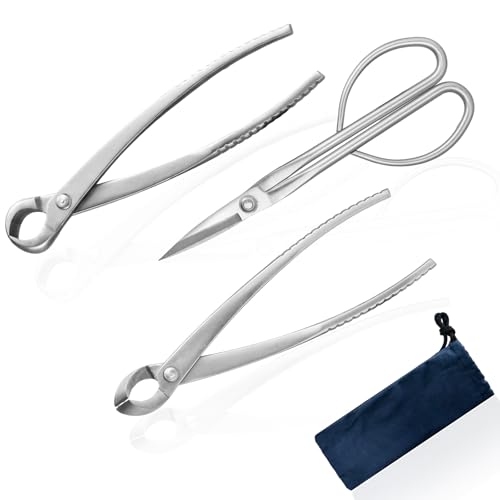
This set includes bonsai scissors, a concave cutter, and a knob cutter. It gives you the core tools you need to shape, reduce, and refine. The scissors handle buds and small shoots. The other tools let you remove branches and heal clean.
For a kit, the value lies in range. You can do detail work, create proper hollows, and manage taper. The scissors in this kit are accurate for pad care. In the Top 5 Most Expensive Bonsai Scissors, this bundle stands out for complete coverage in one purchase.
Pros
- Includes scissors, concave cutter, and knob cutter
- Scissors are well-shaped for precise pruning
- Concave cutter helps wounds heal flush
- Knob cutter removes stubs and knobs cleanly
- Good starter kit for full tree work
Cons
- Tool steel and finish may vary by batch
- Requires care to keep three tools sharp and rust-free
- Case or sheath may not be included
My Recommendation
Pick this if you want more than scissors. It is great for new artists who plan full projects. You can prune, remove branches, and finish cuts the right way. As part of the Top 5 Most Expensive Bonsai Scissors, this set offers reach and range that a single tool cannot match.
| Best for | Why |
|---|---|
| Complete bonsai care | Three tools cover pruning and branch removal |
| Beginners building a kit | One buy adds core tools you will use often |
| Project work on young trees | Shape pads and manage structure with the right cuts |
FAQs Of Top 5 Most Expensive Bonsai Scissors
Are expensive bonsai scissors worth it?
Yes, if you value clean cuts and control. Better steel holds a sharper edge. Good geometry reduces bruising. Healing is faster and looks cleaner.
How often should I sharpen bonsai scissors?
Light touch-ups every few sessions help. Full sharpening depends on use. If cuts start to crush, sharpen. Always clean sap first.
What steel is best for bonsai scissors?
High-carbon steel takes a very sharp edge. Stainless resists rust better. Many pros choose carbon and wipe dry after use. Your care makes the difference.
Can bonsai scissors cut thick branches?
No. Use a concave cutter or branch cutter. Scissors are for soft growth and thin shoots. Save them for detail work.
How do I prevent rust on carbon steel scissors?
Wipe blades dry after each use. Clean sap with alcohol. Add a thin oil film. Store in a dry place.
Final Verdict: Which Should You Buy?
The Top 5 Most Expensive Bonsai Scissors here all earn their place. For classic Japanese finesse, the Wazakura Satsuki and SenkichiKin shine. For a balanced, do-most scissor, the gonicc GPPS-1012 is strong.
Need a full kit? The 3-Piece Set adds cutters for structure work. Want steady, simple control? The VISEMAN pair fits. Pick the tool that matches your trees and your hands.
