
10 Best Bonsai Trees for Beginners in 2026
Bonsai looks like a finished art form, but every gnarled, wind-swept tree started as an ordinary seedling in an ordinary pot. That gap between what bonsai looks like and how it actually begins trips up a lot of first-time growers who expect instant results from what is, at its core, a patient hobby involving live plants, careful pruning, and years of shaping.
The good news is that starting doesn’t require guesswork. A solid beginner setup usually includes a few core pieces: something to grow in (a live kit or seedling), something to shape it with (wire and cutters), something to hold it (a properly drained pot), and something to teach you the fundamentals (a reliable book). Buying these as a thoughtfully chosen bundle, rather than piecing together random supplies, saves beginners from the most common early mistakes, like overwatering in the wrong pot or using wire that’s too thick for young branches.
We looked at live starter kits, reference books, training pots, wiring kits, and pruning tools to figure out which ones genuinely help someone start this hobby, and which ones are better as gifts or décor than as a real first bonsai setup.
Best for a complete first setup: Leaves & Soul Bonsai Starter Kit
Best for growing from seed as a gift: 8 Pack Bonsai Tree Kit with Woven Basket
Best beginner reference book: The Little Book of Bonsai
Best in-depth species guide: The Bonsai Beginner’s Bible
Best pots for young trees: Shallow Bonsai Training Pots, 3-Pack
Best all-in-one tool set: SOLIGT 12-Piece Bonsai Tools Set
Best dedicated wiring kit: WZAEROUU 6 Roll Bonsai Wire Kit
Best compact pruning trio: CONFUTURY 3-Piece Bonsai Tools Set
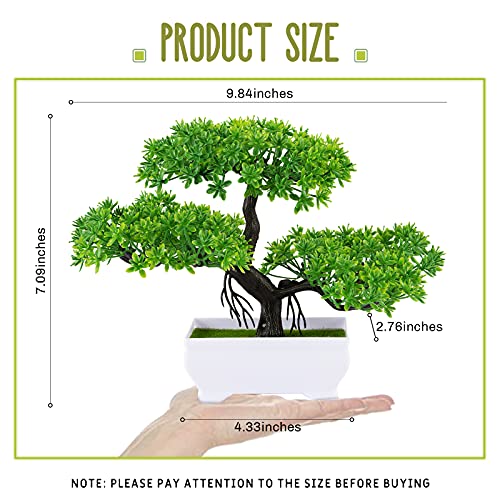
Best for zero-maintenance décor: Briful Artificial Juniper Bonsai
Best coffee-table reference: Bonsai by DK
Leaves & Soul Bonsai Starter Kit

This kit is the closest thing on this list to a true grab-and-go bonsai setup, minus the actual tree.
Pros
- Ceramic pot, soil, fertilizer, wire, and cutter all included
- Five wire gauges cover thin shoots through thicker trunks
- Storage pouch keeps tools organized between sessions
Cons
- No drainage tray included with the pot
- Some buyers reported color or fertilizer mismatches from the listing
The soil blend (lava rock, pearock, calcined clay, pine bark) is a legitimate bonsai mix, not generic potting soil, which matters because bonsai roots need aggressive drainage. The wire selection is genuinely useful for a beginner working on multiple branch thicknesses at once. Buyers should track down a compatible tray separately, since the pot doesn’t include one, and double-check the color and contents on arrival given a few reported mismatches.
8 Pack Bonsai Tree Kit with Woven Basket
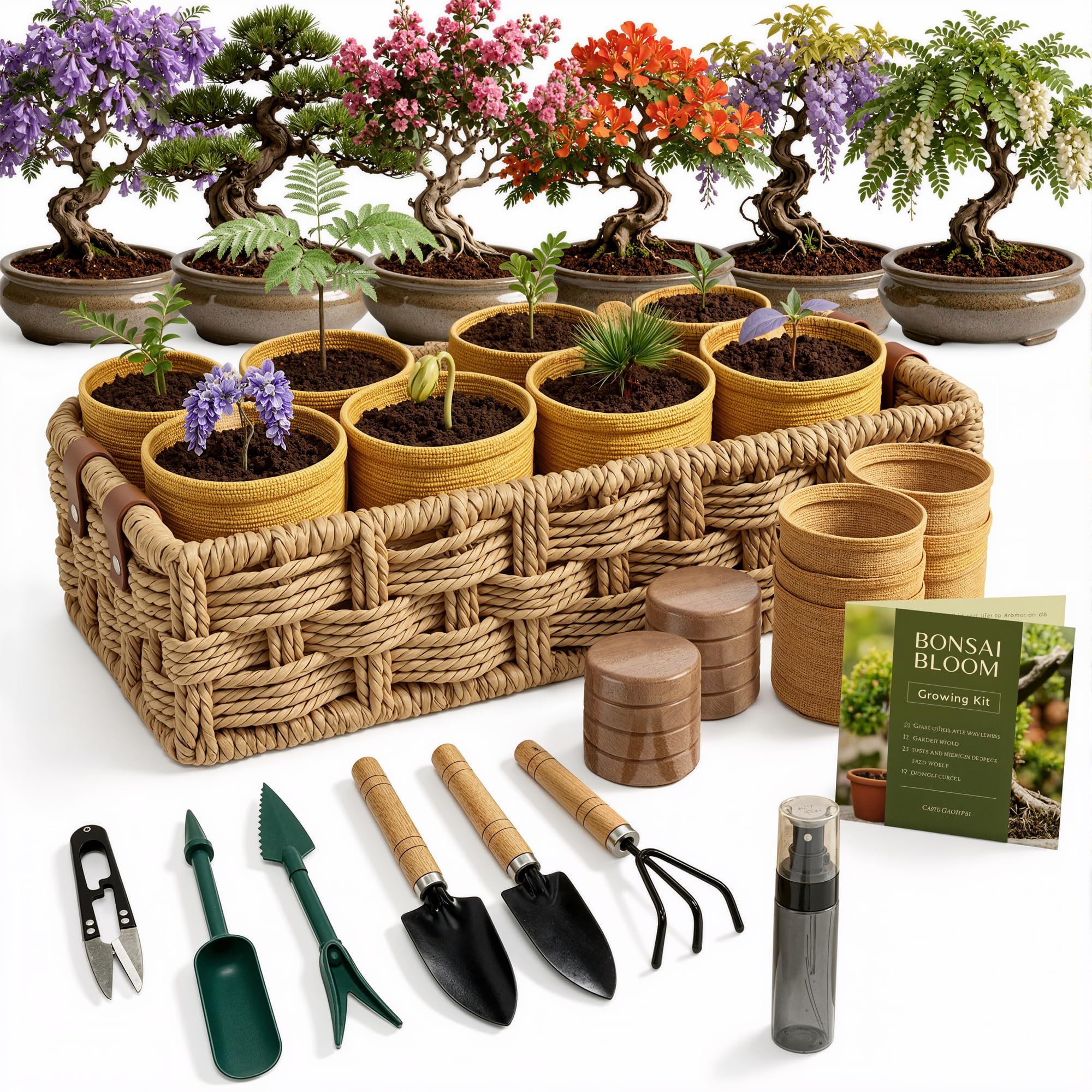
Buy this if you want to grow bonsai from seed and don’t mind waiting months, not days, to see a seedling.
Pros
- Eight tree species to experiment with, from Black Pine to Wisteria
- Jute pots and coco coir discs are beginner-friendly for germination
- Presents nicely as a gift with the woven basket and guidebook
Cons
- Germination is not guaranteed and can take one to two weeks or longer
- Some seeds may not sprout at all, per buyer reports
- Years away from resembling a shaped bonsai tree
This is a seed-starting kit first and a bonsai kit second. That’s an important distinction: you’re planting seeds, not a tree, and the included guide is honest that mature bonsai shaping happens over years, not weeks. It’s a thoughtful gift for someone who enjoys the process of growing something from scratch, but it’s the wrong choice for anyone who wants a bonsai to shape this season.
The Little Book of Bonsai

This compact guide is the easiest entry point for someone who wants clear bonsai basics without wading through a dense reference text.
Pros
- Concise, well-organized layout with bulleted information
- Strong visual guide to different bonsai styles
- Compact enough to keep near your growing space
Cons
- Lighter on step-by-step “how-to” instruction than some readers expect
- Not a substitute for species-specific care guides
At 112 pages, it condenses core concepts (pruning, wiring, styling terminology) into a fast read rather than an exhaustive manual. Readers looking for encyclopedic species detail may want a deeper book alongside it. As a first bonsai book, or a gift paired with a starter tree, it sets realistic expectations without overwhelming a beginner.
The Bonsai Beginner’s Bible

This is the book to buy if you want species-by-species care instructions rather than general bonsai theory.
Pros
- Written by respected bonsai teacher Peter Chan
- Covers over 100 tree species with care specifics
- Doubles as an ongoing reference, not just a one-time read
Cons
- Some readers find the depth closer to an encyclopedia than a tutorial
- Limited coverage of overwintering specifics for some species
This one earns its “bible” name honestly. It functions less like a linear how-to and more like a reference you return to each time you acquire a new species or hit a specific care question. Pair it with a starter kit and you have both the plant and the reason behind each instruction, which matters when a kit’s included guide runs thin.
Shallow Bonsai Training Pots, 3-Pack

These are built specifically for young trees and seedlings, not mature bonsai with an established root ball.
Pros
- Built-in mesh drainage screens, no extra cutting required
- Wire holes in the base for anchoring a young tree while roots set
- Includes three matching humidity trays
Cons
- Sized for seedlings only; too small for established root balls
- A few buyers found them thinner and smaller than expected
The molded-in mesh is a small detail that saves real time; most cheap training pots make you cut and fit your own screen. The wire anchor holes matter more than they sound: a top-heavy young tree in loose soil needs to be tied down while its roots establish, and these pots are built for exactly that step. Measure your seedling’s root ball before ordering, since these run genuinely shallow and small.
SOLIGT 12-Piece Bonsai Tools Set

This is the set to buy if you want pruning, wiring, and root care tools in one wooden box instead of buying each piece separately.
Pros
- Covers trimming, cutting, and wiring in a single kit
- Carbon steel blades with a hand-forged edge
- Wooden storage box keeps everything organized
Cons
- A few buyers received a defective blade before replacement
- Wire storage isn’t dedicated within the box
Twelve pieces sounds like overkill until you’re mid-repot and realize you need a root rake, a concave cutter, and wire all within reach. The carbon steel tools hold an edge well for the price point, and the wooden box makes this a legitimate gift, not just a functional purchase. Inspect the blades on arrival; a small number of buyers needed a replacement for a dull or damaged piece.
WZAEROUU 6 Roll Bonsai Wire Kit
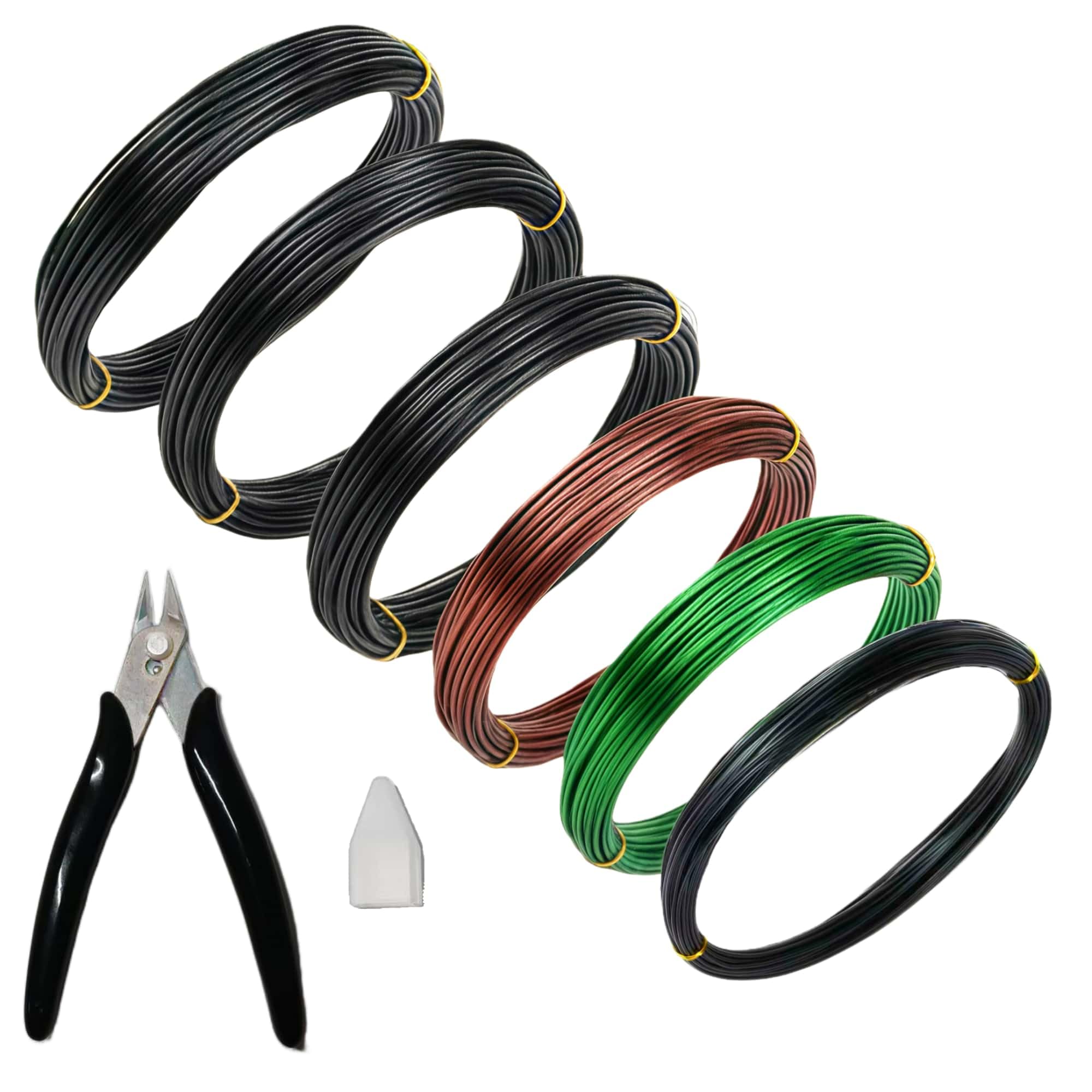
Buy this if your only gap is wire and a cutter, not a full tool set.
Pros
- Four gauges (1.0mm to 2.5mm) cover most young to mid-size branches
- Anodized colors blend against bark instead of standing out
- Cutter included, so no separate purchase needed
Cons
- Tops out at 2.5mm, so thicker trunks need heavier-gauge wire elsewhere
- No storage pouch included
Wire training is how you guide a branch into its future shape, gently bending it into position and letting it set over weeks or months. The anodized black, brown, and green finishes matter more than they seem: bright aluminum wire distracts the eye from the tree itself. This kit is a smart add-on purchase for anyone whose starter kit wire ran short or whose gauge selection didn’t go fine enough for delicate new growth.
CONFUTURY 3-Piece Bonsai Tools Set
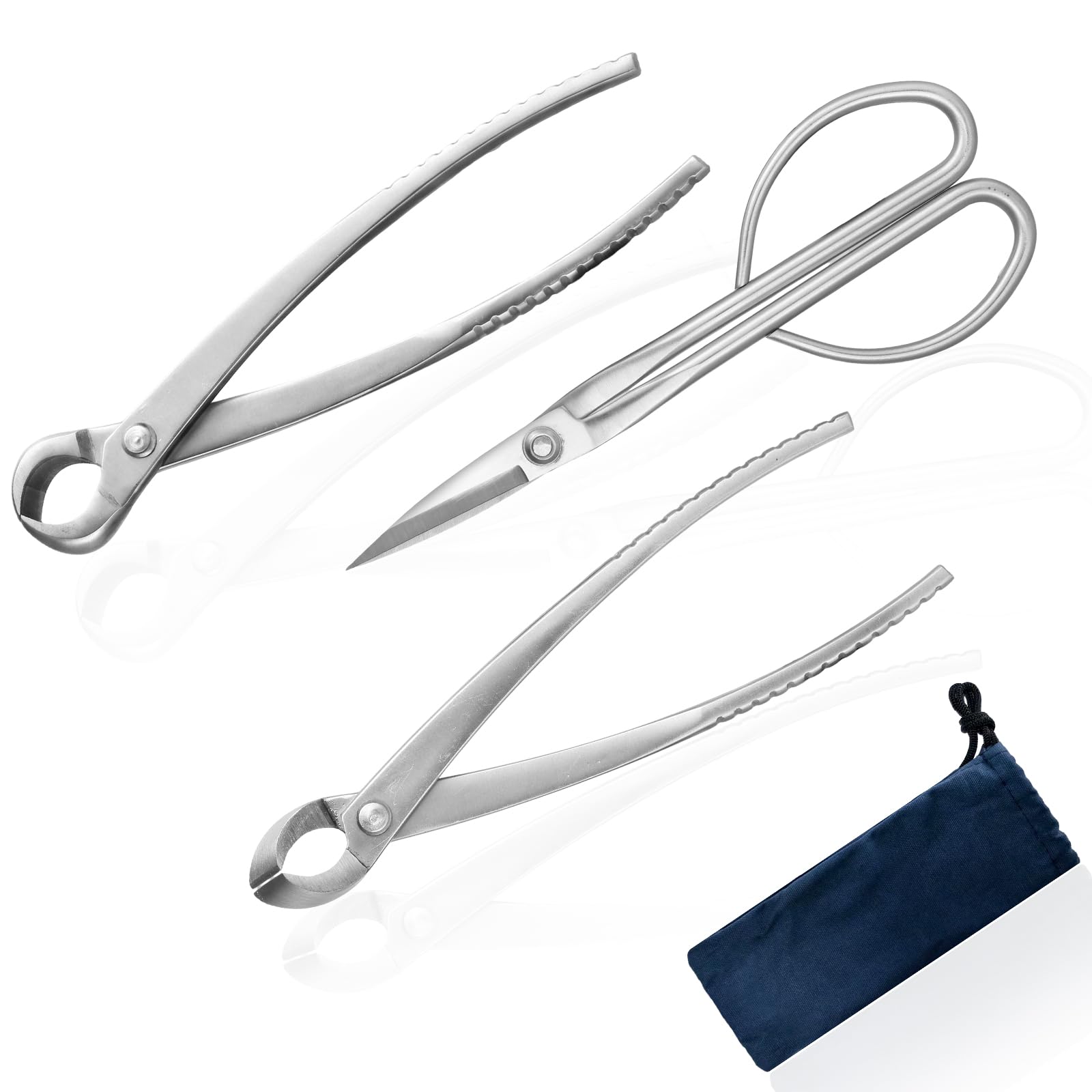
This compact trio covers the three cuts a beginner makes most often, without the bulk of a full 12-piece set.
Pros
- Knob cutter, concave cutter, and shear cover most routine pruning
- High-carbon steel construction with a protective coating
- Lightweight and portable with an included storage bag
Cons
- No wire or root tools included
- Smaller tool count means less versatility for advanced techniques
A concave cutter matters for a specific reason: it removes a branch in a dish-shaped cut that heals flush with the trunk instead of leaving a visible stub scar. That’s a detail most generic pruning shears can’t replicate. This set suits a beginner who already owns wire and a pot and just needs quality cutting tools, or someone buying a lighter gift than a full boxed set.
Briful Artificial Juniper Bonsai

Choose this if you want the look of bonsai without any live-plant responsibility at all.
Pros
- No watering, pruning, or light requirements
- Realistic juniper styling with a ceramic pot included
- Consistent appearance year-round
Cons
- Not a living plant, so no growing, shaping, or bonsai skill-building involved
- A few buyers noted the foliage looks less realistic up close
This is décor, not a bonsai starter project, and it’s worth being upfront about that. If the goal is learning to grow and shape a tree, skip this one entirely. If the goal is a low-maintenance piece for a desk or shelf that evokes the look of bonsai, it does that job well, with a pot realistic enough to pass at a glance.
Bonsai by DK

This illustrated reference works well as a visual companion to a starter kit, though full details on its contents beyond reader feedback are limited.
Pros
- Heavily illustrated with photos covering styles and species
- Includes historical background on the art form
- Well-regarded as a reference for both beginners and experienced growers
Cons
- Specific chapter-by-chapter breakdown isn’t published in detail
- Better suited as a supplement than a sole how-to guide
Reader feedback points to strong coverage of wiring, repotting, and seasonal care, organized with an emphasis on photography. We can’t confirm every technical detail of its internal structure beyond what’s described by readers and the publisher, so treat it as a strong visual supplement rather than your only bonsai reference.
Buying Guide
Choosing bonsai supplies comes down to matching the purchase to your actual starting point, whether that’s a live tree, a seed kit, or just replacement tools.
Live Tree vs. Seeds vs. Décor
A live starter kit with an existing pot and soil gets you shaping wire onto real branches within weeks. Seed kits require patience measured in months before you have anything resembling a tree, and germination isn’t guaranteed even with quality seeds. Artificial bonsai skip plant care completely and suit décor needs, not skill-building.
Pot Size and Drainage
Bonsai pots need real drainage holes, not decorative ones. Look for:
| Feature | Why It Matters |
|---|---|
| Drainage holes | Prevents root rot in shallow soil |
| Wire anchor holes | Secures young or top-heavy trees |
| Matching tray | Protects surfaces and catches runoff |
| Shallow depth | Trains compact root systems |
Match pot size to the tree’s current root ball, not its eventual mature size.
Tool Quality
Carbon steel tools hold an edge longer than basic stainless blades and make cleaner cuts that heal faster. A concave cutter matters specifically for removing branches without leaving a stub scar.
Wire Gauge Range
Beginners need at least three gauges: thin (1.0-1.5mm) for delicate new growth, medium (2.0mm) for established branches, and thicker (2.5-3.0mm) for trunks. Anodized wire in muted colors blends against bark better than bright aluminum.
Books vs. Kit Instructions
Kit-included guides tend to be brief. A dedicated book fills the gap with species-specific watering, light, and seasonal care that generic kit instructions rarely cover in depth.
Editor’s Choice
The Leaves & Soul Bonsai Starter Kit earns the top recommendation for most beginners because it bundles the pot, soil, fertilizer, and wire that a first bonsai project actually needs in one purchase. It won’t hand you an instant finished tree, and you’ll want to source your own tray, but it removes the guesswork of matching separate supplies.
For anyone drawn to the growing process itself, the 8 Pack Bonsai Tree Kit is worth the wait if starting from seed sounds rewarding rather than tedious. Pair either living option with The Bonsai Beginner’s Bible for care depth that most starter kits don’t include, and add the SOLIGT 12-Piece Tool Set once your tree is established enough to need real shaping and pruning.
Conclusion
Bonsai rewards patience more than any single purchase. A living starter kit gets you growing sooner than seeds, a good book fills the care gaps that kit instructions leave out, and quality wire and cutters make shaping safer for both you and the tree. Decide first whether you want to grow a tree or simply display one that looks like bonsai, since that single choice shapes everything else you buy. From there, building a setup piece by piece, pot, soil, tools, and reference book, gives you a far steadier start than hoping one all-in-one box covers everything.
FAQS
Do bonsai starter kits come with a real tree?
Most do not. Kits like the Leaves & Soul set include the pot, soil, and tools, but you supply or separately buy the tree. Seed-based kits, like the 8 Pack Bonsai Tree Kit, include seeds you germinate yourself, which takes weeks to months.
How long does it take to grow a bonsai from seed?
Germination alone can take one to two weeks under good conditions, and reaching a seedling stage that resembles a young tree takes months. A shaped, mature-looking bonsai typically takes years of ongoing training.
What wire gauge should a beginner start with?
Start with 1.0mm to 1.5mm wire for thin, flexible new growth. Move to 2.0mm and above only once branches thicken enough to need firmer support.
Can I use a regular plant pot instead of a bonsai pot?
Regular pots usually hold too much soil depth and moisture for a bonsai’s compact root system. A shallow pot with real drainage holes and, ideally, wire anchor holes suits training young trees far better.
Is an artificial bonsai a good way to start learning the hobby?
No. Artificial bonsai like the Briful Juniper look convincing as décor, but they involve no live-plant care, pruning, or shaping, so they teach nothing about growing an actual bonsai.