
Best Bonsai Repotting Mix: 2026 Formula For Healthy Roots

The Best Bonsai Repotting Mix drains fast, breathes well, and resists breakdown.
You trim branches with care, yet your bonsai still looks tired or overwatered. The problem is often the soil, not your pruning. Roots need air as much as water. A dense mix suffocates them. A gritty, stable blend keeps them healthy and compact. In this guide, I review the Best Bonsai Repotting Mix options available in 2026. I share what works for conifers, tropicals, and indoor favorites. I also explain how particle size, lava, pumice, akadama, and bark work together. By the end, you will know which bag to buy, when to tweak it, and how to repot with confidence.
Bonsai Supply All-Purpose Mix, Fast-Draining (2 Qt)
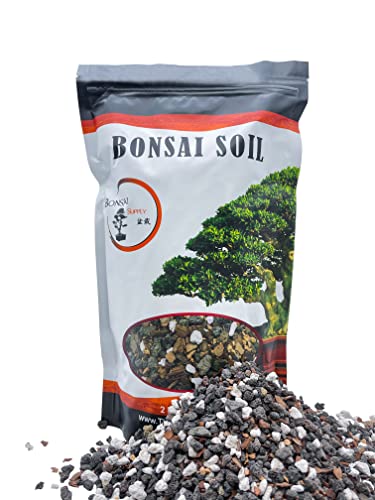
This ready-to-use blend from The Bonsai Supply balances drainage, aeration, and light moisture hold. It combines pumice, lava rock, calcined clay, and pine bark to suit many species. I like it for junipers, maples, elms, and indoor ficus. The particles feel even and clean, which helps roots spread without compaction.
Water moves through fast, so you reduce the risk of root rot. At the same time, the bark and calcined clay buffer moisture, which helps during hot weeks. The bag size is modest but great for a first repot or a small collection. For many growers, this could be the Best Bonsai Repotting Mix to start with.
Pros
- Fast-draining blend that prevents soggy roots
- Balanced particle mix for breathing room and stability
- Clean, screened components reduce dust and sludge
- Works across indoor and outdoor bonsai types
- Easy to top-dress or amend for seasonal needs
Cons
- 2-quart bag may be small for large trees
- Might need extra organics for very thirsty tropicals
- Price per quart can add up for multiple repots
My Recommendation
This is a strong pick if you want one bag that fits many trees. It suits beginners and busy growers who want less guesswork. If you water often and live in a humid area, the drainage is a relief. If you want the Best Bonsai Repotting Mix for all-around use, this one earns a top spot for balance and ease.
| Best for | Why |
|---|---|
| All-purpose repotting | Balanced lava, pumice, clay, and bark for most species |
| Fast drainage needs | Gritty texture keeps water moving and roots aerated |
| Beginners | Ready to use with low learning curve |
Professional Bonsai Soil Mix, Ready to Use (2.2 Qt)

This U.S.-made formula uses lava, limestone, pea rock, calcined clay, and pine bark. The result is a firm, open structure that keeps roots from compacting. I find it steady under tight wiring and frequent styling. The limestone can buffer pH slightly, which some species tolerate well.
Drainage is quick, yet there is enough hold for daily watering. I like it for junipers, pines, olives, and olives grown in hot, bright spots. It holds shape under freeze-thaw cycles, which helps in cold regions. For raw stock and pre-bonsai, this can be the Best Bonsai Repotting Mix for training years.
Pros
- Gritty, stable backbone for strong anchoring
- Fast flow reduces risk of rot after heavy rain
- USA-made with consistent particles
- Good for conifers and hardy outdoor trees
- pH buffering from limestone can suit some species
Cons
- Limestone may not suit acid-loving trees without tweaks
- Particle size may be coarse for tiny mame bonsai
- Not the cheapest per quart
My Recommendation
Pick this if you train conifers or need a rugged mix for wind and weather. It works for growers who prefer strong drainage and solid root anchoring. Add a bit more bark for tropicals that like extra moisture. If your goal is the Best Bonsai Repotting Mix for durable, outdoor training, this formula is a smart buy.
| Best for | Why |
|---|---|
| Conifers and olives | Grit and structure support tough, woody roots |
| Cold or windy sites | Stable particles resist breakdown and heaving |
| Training stages | Anchoring helps wiring, styling, and growth control |
Perfect Plants Bonsai Soil, Premium Mix (2 Qt)

Perfect Plants offers a user-friendly all-purpose bonsai mix that I often suggest to beginners. It gives a good blend of coarse materials and organic bark. Water passes through at a safe rate for indoor care. The bag size is handy for one small to medium repot.
I like it for ficus, elms, schefflera, and jade when grown inside. It supports healthy roots with fewer wet spots. If your house runs dry, this has enough moisture hold to help. For many new growers, it could be the Best Bonsai Repotting Mix to learn consistent watering.
Pros
- Beginner-friendly, ready to use
- Balanced for indoor species like ficus and elm
- Clean particles reduce mess and dust
- Good moisture hold without turning soggy
- Easy to refresh as a top layer during the year
Cons
- May drain too fast for very thirsty tropicals without amendments
- Small bag; not ideal for large collections
- Advanced growers may want more control over ratios
My Recommendation
If you grow indoor bonsai under windows or LEDs, start here. This mix helps you find a steady watering rhythm. It strikes a sweet spot between air and moisture, which builds confidence. For anyone asking me for the Best Bonsai Repotting Mix for a first repot, this is always on my short list.
| Best for | Why |
|---|---|
| Beginners indoors | Balanced moisture and drainage cut watering errors |
| Small to medium trees | Bag size suits 1–2 repots |
| Ficus and elms | Stable roots and easy growth response |
Agra Life Premium Bonsai Soil Mix (4 Qt)

Agra Life’s 4-quart bag stands out for value and an organic-leaning blend. It targets indoor bonsai across many varieties, with a focus on healthy, steady growth. The mix drains fast yet has components that keep roots cushioned. I like it for growers who water daily and want a larger bag.
The structure stays open after many waterings, which helps avoid compaction. It plays well with fertilizers, both liquid and slow-release. You can add more pumice or lava if you need a sharper drain. If you want the Best Bonsai Repotting Mix with a larger volume for repot season, this is a practical pick.
Pros
- Value-friendly 4-quart size for multiple pots
- Indoor-focused performance with steady growth
- Open structure that resists compaction
- Easy to tweak with extra pumice or bark
- Pairs well with liquid or slow-release feed
Cons
- May need added grit for conifers in wet climates
- Organic content can break down faster over years
- Particle size may vary slightly across bags
My Recommendation
Choose Agra Life if you want a larger bag that treats many indoor bonsai. It is great for ficus, jade, schefflera, and Chinese elm. Add extra lava or pumice for junipers or pines. For home growers planning a spring repot marathon, this feels like the Best Bonsai Repotting Mix for scale and ease.
| Best for | Why |
|---|---|
| Multiple repots | 4 quarts cover several small to medium trees |
| Indoor growers | Good moisture hold with clean drainage |
| Custom tweaks | Add lava or pumice for sharper flow |
The Soil Sage Premium Bonsai Mix (2.5 Qt)

The Soil Sage blend includes akadama, pumice, lava rock, and fine pine bark. This mix mirrors classic bonsai recipes many pros use. Akadama helps water balance and encourages fine feeder roots. Pumice and lava provide the backbone for air and stability.
It feels consistent and well-screened, which makes watering predictable. I see strong results on maples, junipers, and azaleas when adjusted as needed. Akadama can break down over time, but that also signals when it is time to repot. For many, this is the Best Bonsai Repotting Mix if you want a pro-style blend out of the bag.
Pros
- Includes akadama for fine root development
- Classic ratio feel with lava and pumice
- Fine pine bark adds gentle moisture hold
- Well-screened for even particle size
- Ready to use for a wide range of species
Cons
- Akadama can soften with time and heavy watering
- Cost per quart is higher than basic blends
- May drain fast in arid homes without added bark
My Recommendation
Pick Soil Sage if you want a traditional, high-performance mix with akadama. It is ideal if you chase refinement, tight internodes, and fine ramification. Adjust bark for tropicals and screen finer for shohin sizes. If a pro-style approach matches your goals, this feels like the Best Bonsai Repotting Mix to grow into advanced techniques.
| Best for | Why |
|---|---|
| Refinement stages | Akadama supports fine feeder root webs |
| Maples and junipers | Classic mix balances moisture and air |
| Experienced growers | Predictable results with traditional components |
How to Choose the Best Bonsai Repotting Mix
Great bonsai soil is not “dirt.” It is a custom medium with air gaps and grit. The Best Bonsai Repotting Mix will keep water moving yet hold a thin film for roots. It will not turn to mud. It will not compact after many waterings.
Look for particles about 1/8–1/4 inch for most trees. Tiny shohin use smaller. Big trees can use larger. Screen out dust before use. Dust clogs pores and chokes roots.
Key ingredients include pumice, lava rock, akadama, calcined clay, and fine pine bark. Pumice holds water yet stays light. Lava rock is rough and stable. Akadama buffers moisture and breaks down slowly. Calcined clay adds structure. Pine bark softens the blend and feeds microbes.
Match the mix to your climate and species. Conifers and olives like sharper drainage. Tropicals like ficus enjoy a bit more bark. In humid areas, go grittier. In dry homes, add bark or a touch of calcined clay. Your Best Bonsai Repotting Mix depends on this balance.
When Your Bonsai Needs Repotting
Watch for water running off the top. That means roots are packed. Look for slow growth or leaves that wilt fast after watering. Roots circling at the drain holes are another signal.
Most trees like repotting every 1–3 years. Young trees in training may need it sooner. Older, refined bonsai can go longer. Spring is prime for many species, just as buds swell. Tropicals repot well in warm months.
Step-by-Step: Repot Like a Pro
Water the day before. Gather chopsticks, scissors, mesh, wire, and your Best Bonsai Repotting Mix. Remove the tree. Tease out roots from the bottom and edges. Trim long, circling roots with clean scissors.
Secure mesh over pot holes. Wire the pot if needed. Add a thin layer of larger particles for drainage. Mound fresh mix. Set the tree. Work soil in with chopsticks to remove air pockets. Water until it runs clear. Keep out of harsh sun for 2–3 weeks.
Species Tweaks at a Glance
- Juniper, Pine, Olive: Extra lava and pumice for sharp drainage.
- Maple, Elm, Beech: Add akadama for moisture balance and fine roots.
- Azalea: Use kanuma or a more acidic component if possible.
- Ficus, Jade, Schefflera: Add pine bark or a bit more calcined clay.
- Indoor in Dry Homes: Slightly more bark to slow evaporation.
How I Test a Bonsai Mix
I check particle uniformity, dust levels, and how water moves through. I test in several pots with different species. I watch for salt buildup and compaction over weeks. I also note how roots respond when I slip-pot or repot again.
A Best Bonsai Repotting Mix should pass three tests: clean flow, even wetting, and no sludge at the bottom. If I can water deep without puddling and roots look white and fine later, it is a winner. If the surface crusts or turns mushy, I adjust or pass.
Care Tips After Repotting
Reduce direct sun for 1–3 weeks. Keep soil evenly moist but never soaked. Do not fertilize right away. Wait 3–4 weeks for new root tips to form. Watch for leaf curl or stress and adjust water and light.
Turn the pot weekly for even light. Mist foliage if your air is very dry. Resume gentle feeding once growth resumes. The Best Bonsai Repotting Mix will make recovery smoother. Good soil gives you a margin for small mistakes.
FAQs Of Best Bonsai Repotting Mix
What makes a bonsai mix “the best” for repotting?
It drains fast, stays airy, and resists compaction. The Best Bonsai Repotting Mix blends pumice, lava, akadama or calcined clay, and fine bark. It keeps roots oxygenated while holding a thin moisture film.
Can I use regular potting soil for bonsai?
No, it holds too much water and compacts. Bonsai need a gritty, open mix. Choose the Best Bonsai Repotting Mix with mineral grit and limited organics.
How often should I repot?
Every 1–3 years for most trees. Young, fast growers need sooner. Older refined trees can wait longer. Use your Best Bonsai Repotting Mix each time for healthy roots.
Do I need akadama?
It helps, but it is not required. Pumice, lava, and calcined clay can also work. The Best Bonsai Repotting Mix is the one that matches your tree and climate.
How do I adjust a mix for indoor trees?
Add a bit more fine bark or calcined clay to hold moisture. Keep particles even. The Best Bonsai Repotting Mix for indoors balances water and air under dry, heated air.
Final Verdict: Which Should You Buy?
If you want a proven all-rounder, pick Bonsai Supply All-Purpose Mix. It is balanced, clean, and easy to use. For a classic pro-style blend with akadama, choose The Soil Sage Premium Bonsai Mix.
Training conifers outdoors? The Professional Bonsai Soil Mix brings grit and stability. Need volume for indoor trees? Agra Life’s 4-quart bag is practical. For new growers, the Perfect Plants mix makes the Best Bonsai Repotting Mix simple and stress-free.
