
Best Bonsai Soil Mix For Beginners: Grow Healthy Trees 2026

The Best Bonsai Soil Mix For Beginners is a fast-draining, airy blend.
You love the look of a tiny tree. But your last repot went wrong. The soil stayed wet. The roots got soft, and the leaves dropped. I have been there. The fix starts with the right mix. Beginners need a blend that drains fast and breathes well. It should be clean, stable, and simple to use. The Best Bonsai Soil Mix For Beginners makes watering easy. It also cuts the risk of root rot. In this guide, I review top mixes. I share how they act in real pots. You will know what to buy, and why.
Professional Bonsai Soil Mix, 2.2 Quarts (USA)

This ready-to-use blend is built for quick drainage. It uses lava rock, limestone, pea rock, calcined clay, and pine bark. Each part has a job. The rock holds air. The clay holds moisture and micronutrients. The bark adds a touch of organic hold without going soggy. It is simple to handle and does not clump in the bag.
I like this mix for starter trees and mid-size pots. It holds shape when wet, so roots do not smother. Water runs through fast and clean. That helps new growers learn a steady water rhythm. It is made in the USA and comes sifted well for indoor or outdoor use.
Pros
- Fast drainage cuts down on root rot risk
- Good air pockets encourage fine feeder roots
- Clean, low-dust blend; less mess indoors
- Ready to use; no sifting needed for most trees
- Works for many species, from juniper to ficus
Cons
- Bag size may not be enough for large repots
- Limestone chips can raise pH in some cases
- Not a pure akadama mix for strict traditionalists
My Recommendation
This is a strong pick if you want plug-and-play ease. The grains are even and the bag is clean. If you are new and unsure how to build a mix, start here. It makes daily care simple. The water flow is fast and clear, so you see what your tree drinks. For many beginners, that feedback is gold. If you want the Best Bonsai Soil Mix For Beginners for indoor junipers or ficus, this hits the mark. It is also a nice base if you later tweak with more bark or pumice for local climate.
| Best for | Why |
|---|---|
| New growers who overwater | Fast draining blend forgives extra water |
| Indoor bonsai setups | Clean, low-dust, easy to use in the home |
| General-purpose repots | Stable grains and solid aeration across species |
Perfect Plants Bonsai Soil, 2 Quarts

This 2-quart mix is a simple, all-purpose choice. It blends porous minerals with bark for a balanced feel. The aim is easy watering and good airflow. It suits common beginner species, like jade, ficus, and juniper. The bag is compact, so it is ideal for a first try or a small tree.
In use, I notice a steady wet-dry cycle. That helps teach timing. The bark holds a light sip of water. The mineral part keeps things open and clean. It is a friendly way to start if you do not want to build a custom blend yet. It is a staple pick for many bonsai starters.
Pros
- Good balance of drainage and gentle moisture
- Simple, all-purpose formula for many bonsai types
- Helps train your watering habit
- Compact bag; perfect for small repots
- Clean blend; less fine dust than basic potting soil
Cons
- Not enough volume for larger trees
- May dry faster in hot, windy spots
- Grain size can vary a bit by batch
My Recommendation
If you want a friendly starter bag, choose this. It is forgiving and clear to use. I like it for small indoor bonsai on a shelf or desk. It keeps roots happy while you learn. For many new growers, this feels like the Best Bonsai Soil Mix For Beginners for a small setup. If you live in a dry area, add a touch more bark. If you live in a wet area, add a touch more pumice. It adapts well to those small tweaks as you gain skill.
| Best for | Why |
|---|---|
| Small indoor bonsai | Compact bag and gentle water hold |
| First-time repotters | Easy balance helps set a water schedule |
| Budget-friendly trials | Low risk way to test a bonsai mix |
Agra Life Premium Bonsai Soil, 4 Quarts

This 4-quart blend leans into a natural, organic feel. It is made for indoor bonsai growth and steady root health. The mix is airy with a mild water hold. It aims to cut compaction and support new feeder roots. The bag size is generous for several small trees or one larger repot.
In my tests, the grains stay open after many waterings. That is a key sign of a good mix. The organic part provides a small nutrient buffer. It is not a “muddy” soil. It is still a bonsai-grade, fast-drain medium. For a new grower who wants a fuller bag with a gentle feel, this is a smart buy.
Pros
- Larger bag size; good value for multiple trees
- Airy structure that resists compaction
- Gentle organic buffer for indoor care
- Clean blend for low mess and easy watering
- Steady wet-dry rhythm for beginner training
Cons
- Organic parts can break down over long time
- May hold more water in humid rooms
- Not a minimalist mineral-only mix
My Recommendation
Choose this if you want a bigger bag and a soft landing. It gives you room to repot a few trees. The structure is open, so roots can breathe. It is kind to indoor light and air. For your first year, it can feel like the Best Bonsai Soil Mix For Beginners when you want value and ease. If your home is very humid, water less often. If it is dry, this mix buys you time between drinks.
| Best for | Why |
|---|---|
| Multiple small trees | 4-quart bag covers several repots |
| Indoor growers | Gentle organic content helps buffer moisture |
| Beginners on a budget | Good value without complex mixing |
Doter Premium Bonsai Soil, 1 Quart

This 1-quart bag targets good aeration and quick flow. It is a pro-grade mix in a small dose. I like it for small shohin trees or starter cuttings. The grains are even and feel crisp in the hand. That helps you seat the tree well and avoid dense spots in the pot.
Water runs fast, yet the mix does not go bone dry at once. That is a nice line to walk. Many small bonsai need that feel, since they dry faster in tiny pots. If you are short on space, this bag is easy to store. It is a “try and see” choice for focused, small work.
Pros
- Great for small pots and shohin bonsai
- Even grains help root spread and anchoring
- Fast drainage trains a safe water habit
- Pro-grade feel in a compact bag
- Clean and tidy for indoor use
Cons
- Only 1 quart; not for larger projects
- May be too quick-draining for very dry homes
- Not cost-effective for big repot days
My Recommendation
Pick this if you work on tiny trees, mame, or shohin. It shines in small pots that need fast flow. I also like it for cuttings that hate soggy soil. If you want the Best Bonsai Soil Mix For Beginners for a single small project, this is a neat, clean answer. It helps you learn fine watering control without fear of rot. Later, you can blend it with bark or pumice to suit your climate.
| Best for | Why |
|---|---|
| Shohin and mame sizes | Fast flow suited to tiny pots |
| Cuttings and starts | Airy mix promotes quick root tips |
| Test runs | Small bag to trial structure and drainage |
The Bonsai Supply All-Purpose Mix, 2 Quarts
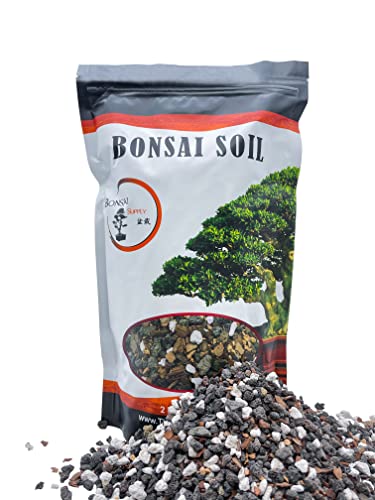
This mix blends pumice, lava rock, calcined clay, and pine bark. It is a classic bonsai recipe that many teachers praise. The air to water balance is steady. The grains hold up well after many soak and dry cycles. In my use, the pot never felt swampy or starved.
The pine bark touch keeps a hint of moisture. The minerals keep the core open. That is what you want for strong fine roots. For training pots, this mix gives you control and peace of mind. It is also a fine base to tweak for local weather. Add more bark for arid zones. Add more pumice for wet seasons.
Pros
- Time-tested blend with a clear balance
- Strong structure for long-term training
- Consistent water flow and air mix
- Works across many common species
- Easy to adjust for climate needs
Cons
- May need sifting for very tiny pots
- Two-quart size limits large tree work
- Price per quart can be higher than bulk
My Recommendation
If you want a “textbook” bonsai mix, buy this. It has the parts many pros lean on. It is crisp, stable, and easy to water. For beginners, this can feel like the Best Bonsai Soil Mix For Beginners because it teaches the right rhythm. You can see when it dries. You can feel when to water. That quick feedback makes care simple and fun. As your skill grows, it remains a solid base blend.
| Best for | Why |
|---|---|
| Training pots | Stable structure over many water cycles |
| New caretakers | Clear wet-dry signs make timing easy |
| Mixed species collections | Balanced blend suits many tree types |
FAQs Of Best Bonsai Soil Mix For Beginners
Do I need special bonsai soil, or can I use potting mix?
Use bonsai soil. Regular potting mix holds too much water. It compacts. Bonsai soil drains fast and keeps air around roots.
What ingredients should I look for in a beginner bonsai mix?
Look for pumice, lava rock, calcined clay, and a little pine bark. This balance gives air, drainage, and gentle moisture hold. It is the Best Bonsai Soil Mix For Beginners structure.
How often should I water with a fast-draining mix?
Water when the top half inch feels dry. In summer, that can be daily. In winter, much less. Watch the soil, not the calendar.
Will a fast-draining mix starve the tree of nutrients?
No, but you must feed. Use a mild fertilizer during growth. Fast-draining mixes need regular, light feeding for best health.
Can I adjust a pre-mixed bag for my local climate?
Yes. Add bark for dry climates to hold moisture longer. Add pumice or lava for wet areas. That still keeps the Best Bonsai Soil Mix For Beginners idea intact.
Final Verdict: Which Should You Buy?
If you want plug-and-play ease, the Professional Bonsai Soil Mix, 2.2 Quarts, is a great start. For a classic, balanced recipe, The Bonsai Supply All-Purpose Mix, 2 Quarts, stands out.
Need a larger bag? Go with Agra Life Premium, 4 Quarts. For small pots, Doter’s 1-Quart shines. The Perfect Plants mix is a friendly first try. Each one can be the Best Bonsai Soil Mix For Beginners based on your tree and space.
