Best Fertilizer For Japanese Maple Bonsai: 2026 Picks

The best fertilizer for Japanese maple bonsai is a gentle, low-salt, balanced feed.
You love the fiery reds and soft greens of a Japanese maple bonsai. But when growth stalls or leaves scorch, it’s often a fertilizer issue. I’ve tested liquids, pellets, and species-specific blends to find what really works. The right feed keeps color vivid, roots strong, and growth compact. In this guide, I compare top options and share real, simple advice for timing and dosing. If you want the Best Fertilizer For Japanese Maple Bonsai without guesswork, you’re in the right place.
Liquid Japanese Maple Fertilizer, 8 oz

This liquid Japanese maple fertilizer focuses on color, root strength, and steady new growth. It suits containers and bonsai that need quick uptake and a clean feed. The formula is usually balanced and mild, so it won’t push weak, leggy shoots. If your tree shows pale leaves or slow spring start, a liquid like this helps fast.
I like liquids for precise control. I mix at half strength for bonsai and apply every one to two weeks in spring and early summer. I stop feeding when heat spikes or about eight weeks before dormancy. For me, this type has been one of the Best Fertilizer For Japanese Maple Bonsai choices when I want vivid color without burn.
Pros
- Fast uptake for quick response
- Gentle, low-salt formula reduces leaf burn risk
- Good for correcting minor nutrient gaps
- Easy to dose for small bonsai pots
- Keeps foliage color bright and even
Cons
- Smaller bottle; frequent users may run out fast
- Needs regular applications to maintain results
- Not fully organic in most cases
My Recommendation
Pick this if you want control and fast results. It is great for refined Japanese maples where you shape growth and color. If you only keep one tree, this is convenient and tidy. When someone asks me for the Best Fertilizer For Japanese Maple Bonsai to keep color sharp in spring, I often point to a mild liquid like this.
| Best for | Why |
|---|---|
| Quick color boost | Fast absorption and gentle balance |
| Small collections | Easy measuring and low waste |
| Fine ramification | Prevents coarse, fast shoots |
Perfect Plants Bonsai Fertilizer Pellets, 5-Year

These slow-release bonsai pellets stretch a long way. The five-year supply claim reflects how little you need per tree. Pellets feed with every watering, so growth stays steady and calm. I like how they fit in feed baskets and keep the surface tidy.
For Japanese maple bonsai, gentle and steady is the goal. These pellets deliver that without spikes in nitrogen. They are also a time saver if you travel. If you want a set-and-forget option, this can be the Best Fertilizer For Japanese Maple Bonsai for a busy grower.
Pros
- Very long-lasting supply
- Low risk of fertilizer burn
- Consistent feeding supports compact growth
- Works well in feed baskets
- Simple routine for beginners
Cons
- Slower to show visible results
- Earthy scent may attract pets if left exposed
- Less precise than liquids for quick corrections
My Recommendation
Ideal for set-and-forget care, small trees, and anyone who waters on schedule. It suits Japanese maples that need even nutrition without surge. If your lifestyle is busy, this may be the Best Fertilizer For Japanese Maple Bonsai that you can trust to work in the background.
| Best for | Why |
|---|---|
| Busy owners | Hands-off feeding for months |
| Refined maples | Gentle release avoids coarse growth |
| Feed baskets | Pellet form fits neatly and lasts |
Liquid Bonsai Fertilizer for Growth, 8 oz

This general liquid bonsai fertilizer supports healthy shoots, root growth, and leaf color. It is not maple-specific, but it is gentle enough for Acer palmatum when diluted. I reach for liquids like this in spring to wake trees without stress. The bottle size makes sense for a few bonsai.
Use at half strength weekly as buds extend. Skip feeds in extreme heat or right after repotting. For me, liquids like this are a safe part of the Best Fertilizer For Japanese Maple Bonsai plan if you watch your dosing and timing.
Pros
- Fast-acting formula
- Easy to tailor dose to tree size
- Good for mixed bonsai collections
- Encourages fine root growth
- Budget-friendly bottle for starters
Cons
- Requires more frequent feeding than pellets
- Can cause tip burn if overused
- No species-specific tweaks for maples
My Recommendation
Choose this if you keep several types of bonsai and want one mild liquid. It fits Japanese maples in development or recovery after light pruning. Dosed right, it can be the Best Fertilizer For Japanese Maple Bonsai for new hobbyists who want quick wins.
| Best for | Why |
|---|---|
| Mixed species | One feed covers many trees |
| Spring push | Fast absorption at bud break |
| Budget buyers | Low cost for a small collection |
Liquid Japanese Maple Fertilizer, 1 Gallon

This gallon-size liquid is the same style as the 8 oz, but built for big use. Keep it if you own many maples or share with a club. The formula is aimed at color, roots, and gentle growth. It is easy to dilute in a watering can or injector.
Shake well before each use to keep nutrients even. I store large jugs in a cool, dark spot to preserve quality. For serious collectors, this is often the Best Fertilizer For Japanese Maple Bonsai due to value per ounce and consistent results.
Pros
- Great value for large collections
- Gentle, balanced feeding
- Ideal for frequent, light applications
- Supports color and root vigor
- Works with hose-end or injector setups
Cons
- Bulky container needs storage space
- Can settle; must be shaken often
- Overkill for a single tiny bonsai
My Recommendation
If you manage a bench of maples, pick the gallon. It saves money and time. The mild profile fits refined show trees too. For volume users, this is my Best Fertilizer For Japanese Maple Bonsai because it delivers steady, repeatable results across many pots.
| Best for | Why |
|---|---|
| Large collections | Lower cost per use |
| Routine feeding | Easy to mix in batches |
| Show prep | Gentle growth, clean foliage |
Gentle Slow-Release Bonsai Pellets, 5 oz

These gentle pellets target indoor and outdoor bonsai in small pots. The jar size is friendly for a first bonsai or two. The slow release approach avoids flushes of soft growth. That is key for maples that burn in heat or wind.
I use pellets like this from mid-spring to mid-summer. I remove them before late summer to help wood harden. For small setups, this can be the Best Fertilizer For Japanese Maple Bonsai because it’s easy and forgiving.
Pros
- Beginner-friendly dosing
- Low burn risk even in small pots
- Keeps soil surface tidy with baskets
- Good for indoor spots with regular watering
- Helps maintain tight internodes
Cons
- Small 5 oz pack runs out faster
- Higher cost per ounce than bulk
- Slow to fix acute deficiencies
My Recommendation
If you own one or two bonsai and want simple care, choose this. It keeps growth calm and clean. It is a nice step toward the Best Fertilizer For Japanese Maple Bonsai without heavy math or gear.
| Best for | Why |
|---|---|
| First-time owners | Easy pellet dosing |
| Small pots | Low burn, gentle release |
| Indoor use | Cleaner and less odor |
TreeHelp Premium Japanese Maple Fertilizer
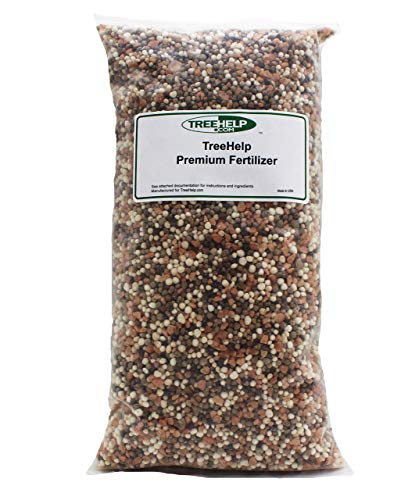
This maple-specific fertilizer targets the unique needs of Japanese maples. It supports leaf color, fine branching, and steady root growth. The blend usually includes key micros like iron, manganese, and zinc. Those aid red pigments and prevent pale, weak leaves.
It is designed for maples in beds and containers, but I use it in bonsai with care. I apply small amounts during active growth, never on dry soil. If you want a species-tuned formula, this can be the Best Fertilizer For Japanese Maple Bonsai for color and structure.
Pros
- Made for Japanese maples
- Micronutrients support leaf color
- Gentle N for compact growth
- Helps reduce stress after pruning
- Clear instructions and dosing
Cons
- Granular form can be messy in tiny pots
- Mild earthy scent
- Must avoid over-application in bonsai
My Recommendation
Pick this if leaf color and species-specific care matter to you. It suits outdoor maples with room to feed. Used with restraint, it ranks as a Best Fertilizer For Japanese Maple Bonsai when you want reliable, maple-focused nutrition.
| Best for | Why |
|---|---|
| Maple purists | Species-focused nutrient profile |
| Color maintenance | Micros support pigments |
| Outdoor use | Good for patio and garden pots |
FoxFarm Happy Frog Japanese Maple 4-3-4, 4 lb

This 4-3-4 blend is made for low pH feeders like Japanese maples. It includes soil microbes and mycorrhizae that support root health and nutrient uptake. I find it great for maples in larger containers or training boxes. It improves soil life while feeding over time.
I sprinkle a small amount on moist soil and water in. The microbe boost helps during recovery after repotting, once roots settle. For larger bonsai or patio maples, this can be the Best Fertilizer For Japanese Maple Bonsai thanks to the biology and balanced NPK.
Pros
- Balanced 4-3-4 for maples
- Microbes and mycorrhizae support roots
- Works well in acidic media
- Great for bigger pots and boxes
- Encourages steady, strong branching
Cons
- Bulk bag is more than some bonsai need
- Not as precise as liquids for tiny pots
- Light earthy smell after watering
My Recommendation
Use this for mid to large bonsai or young maples in development. It feeds and builds roots at once. The biology is a plus. For builders and trainers, this is a Best Fertilizer For Japanese Maple Bonsai that supports vigor without spikes.
| Best for | Why |
|---|---|
| Development phase | Steady feed plus microbes |
| Larger containers | Easier spreading and watering in |
| Acidic mixes | Designed for low pH feeders |
Biogold Original Organic Bonsai Fertilizer, 900 g

Biogold is a classic Japanese bonsai fertilizer. It is organic, slow release, and designed for feed baskets. Japanese maples respond well to its gentle, even nutrition. The white fuzz that may grow on pellets is beneficial mycelium, not mold to fear.
I space pellets across the soil surface in spring and refresh every four to six weeks. The 900 g bag suits multiple trees for a season or more. If you prefer organic and proven methods, this is often the Best Fertilizer For Japanese Maple Bonsai you can buy.
Pros
- Trusted by bonsai growers worldwide
- Organic slow release fits maple needs
- Works great with feed baskets
- Promotes steady, compact growth
- Large bag for many trees
Cons
- Higher price than generic pellets
- Can attract insects if left uncovered outdoors
- Slow to fix acute issues
My Recommendation
Choose Biogold if you want a time-tested, organic route. It shines for refined maples where you prize subtle control. For many purists, Biogold is the Best Fertilizer For Japanese Maple Bonsai due to its consistency and safety.
| Best for | Why |
|---|---|
| Organic care | Natural, slow release pellets |
| Refined specimens | Gentle feeding preserves ramification |
| Basket users | Pellets fit and last well |
Biogold Original Bonsai Fertilizer, 240 g

This smaller Biogold pack offers the same trusted pellets in a trial size. It is perfect if you keep one bonsai or want to test before buying big. The results mirror the 900 g version: calm growth, good color, and low risk. It is also easier to store.
Use as you would any Biogold—space pellets, water, and refresh. If you move between homes or have tight shelf space, the 240 g size is handy. For a first organic pick, it can be the Best Fertilizer For Japanese Maple Bonsai on a budget.
Pros
- Trusted organic formula in small size
- Fits feed baskets and small pots
- Great for testing before a larger buy
- Easy to store and keep fresh
- Predictable, steady results
Cons
- Higher cost per gram than larger bag
- May run out mid-season for multiple trees
- Slow release limits rapid correction
My Recommendation
Get this if you want to try Biogold on one Japanese maple. It offers classic performance in a small, friendly pack. If you are exploring the Best Fertilizer For Japanese Maple Bonsai in organic form, start here.
| Best for | Why |
|---|---|
| Trial users | Small pack to test results |
| Single tree owners | Right-sized amount |
| Limited storage | Compact, tidy package |
Ho Yoku Pellets for Flowering Bonsai
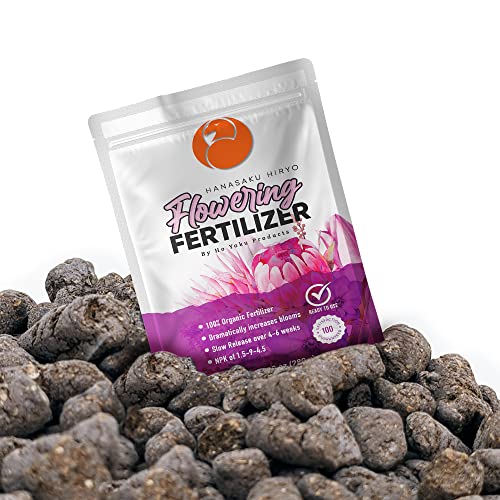
This pellet is tuned for flowering trees like azalea, wisteria, and bougainvillea. It leans on bloom support, often with a bit more phosphorus. Japanese maples are not grown for flowers, but you can still use this if you keep a mixed collection. It remains gentle, which maples like.
I would not choose this as my only feed for maples. But if you want one pellet for many bonsai, it can work. Used lightly, it will not push coarse growth. For multi-species owners, it may be part of the Best Fertilizer For Japanese Maple Bonsai plan when you want one jar on the bench.
Pros
- Slow release and gentle profile
- Fits a mixed bonsai lineup
- Easy to apply and manage
- Low salt buildup
- Good value for multi-tree owners
Cons
- Not maple-specific; more bloom-focused
- May not optimize foliage color in maples
- Slower effect on leaf tone vs. maple formulas
My Recommendation
Use this if you keep flowering bonsai and a few maples and want one product. It is safe and slow. For pure maple goals, I prefer maple-focused feeds. Still, as a one-jar solution, it can support a Best Fertilizer For Japanese Maple Bonsai routine if you dose with care.
| Best for | Why |
|---|---|
| Mixed species owners | One pellet suits many trees |
| Low maintenance | Slow release, simple routine |
| Budget care | Works across the collection |
How to Choose the Best Fertilizer For Japanese Maple Bonsai
I look at four things: release speed, nitrogen level, micronutrients, and salt load. For Japanese maples, slow and steady wins. Too much nitrogen makes long, weak shoots and larger leaves. A low, balanced NPK with micros like iron and manganese protects color and health.
Consider your schedule. If you like control, use liquid at half strength every one to two weeks in spring and early summer. If you want simple, use slow-release pellets in baskets and refresh monthly. Avoid feeding right after repotting; wait three to four weeks. Do not feed in late summer to fall, so growth hardens before frost.
Look at your water and soil. Maples prefer slightly acidic conditions. If your tap water is hard, lean into micro-rich formulas and organic pellets. Rinse pots well when you water to reduce salt buildup. A gentle, low-salt feed is the Best Fertilizer For Japanese Maple Bonsai in most homes.
Timing, Dosing, and Practical Tips
Start feeding as buds swell and open. Stop about eight weeks before first frost. In very hot weeks, pause feeding. This helps prevent scorch and floppy growth.
For liquids, I use half label strength for bonsai. I water the pot first, then apply fertilizer solution, then a small water rinse. For pellets, I place them in baskets to avoid mess and pests. Replace pellets every four to six weeks in peak season.
After heavy pruning or wiring, I feed lightly for two weeks. After repotting, I wait until new roots form. These small habits help me get the most from the Best Fertilizer For Japanese Maple Bonsai without stress on the tree.
FAQs Of Best Fertilizer For Japanese Maple Bonsai
What NPK is best for Japanese maple bonsai?
A low, balanced NPK like 3-3-3 to 5-5-5 works well. It keeps growth compact and color rich.
How often should I fertilize my Japanese maple bonsai?
Use liquids every one to two weeks at half strength in spring and early summer. Use pellets and refresh monthly. Pause in extreme heat and late season.
Should I fertilize after repotting?
Wait three to four weeks, until you see new growth. Then start with a gentle dose.
Can fertilizer cause leaf burn on maples?
Yes, if it is too strong or salts build up. Use low-salt feeds, water well, and avoid dosing on dry soil.
Is organic better for Japanese maple bonsai?
Organic pellets give steady, safe feeding and support soil life. They are great for maples, but liquids help with quick fixes. I use both.
Final Verdict: Which Should You Buy?
Want simple and safe? Choose Biogold Original or Perfect Plants pellets for slow, steady feeding. Need quick control? Pick a gentle liquid like the 8 oz Japanese Maple Fertilizer for fast, precise dosing.
For bigger setups, the 1-gallon liquid or FoxFarm Happy Frog shines on value and root health. The Best Fertilizer For Japanese Maple Bonsai is the one that fits your routine and keeps growth calm, color vivid, and roots strong.
