Best Japanese Maple Bonsai Tree Live Plant: Care Guide 2026
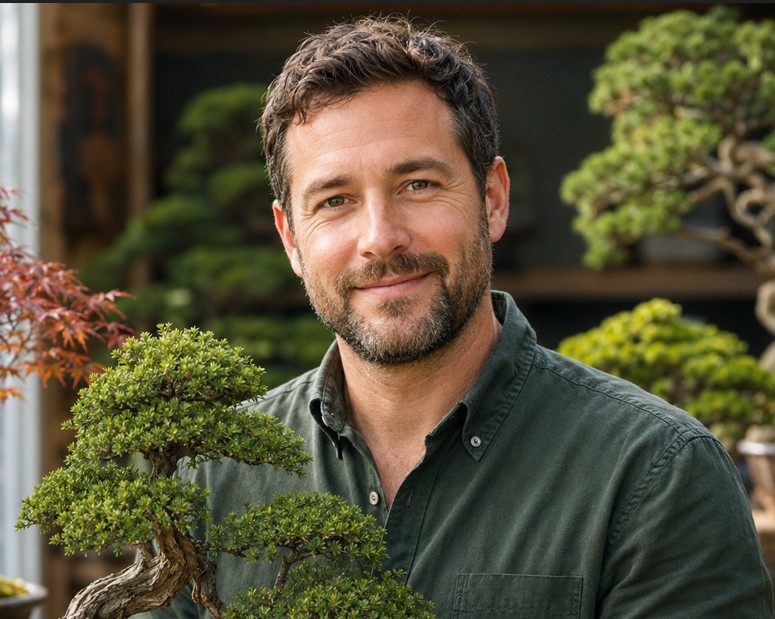
The best Japanese maple bonsai pairs strong roots with vivid, changing color.
Picture a small tree that shifts from tender spring greens to glowing red-orange in fall, all in a pot on your patio or desk. That is the promise of the Best Japanese Maple Bonsai Tree Live Plant. Maybe you want a calm hobby after work. Maybe you crave a living accent for your porch or office. A bonsai maple can meet both needs. It grows slow. It forgives mistakes. It rewards care with color, texture, and shape. In this guide, I compare top live plants and seedlings you can buy today, and share real care tips that help them thrive.
Geisha Girl Japanese Maple (12–18 in)

The “Geisha Girl” Japanese maple stands out for lush, finely cut foliage that glows in spring and shifts again in fall. At 12–18 inches tall on arrival, it is a perfect size to start training as a bonsai. Growth is slow and compact, which helps beginners keep shape and scale under control. You can also plant it outdoors in a container or small garden bed.
I like how this cultivar responds to light pruning with dense branching. With morning sun and afternoon shade, the leaves keep their color and do not scorch. A slightly acidic, well-draining mix makes roots happy and reduces risk of rot. With winter protection for containers in cold zones, it overwinters well.
Pros
- Ideal starter height for bonsai shaping
- Slow, compact growth eases maintenance
- Striking spring and fall color changes
- Adapts to containers and small gardens
- Responds well to light pruning
Cons
- Needs afternoon shade in hot climates
- Color can fade with poor light or soil
- Container plants need winter protection in zone 5 or colder
My Recommendation
This is a great choice if you want the Best Japanese Maple Bonsai Tree Live Plant that stays compact and colorful with minimal fuss. If you prefer clean lines, quick shape, and steady growth, this cultivar gives that in a modest footprint. It makes a striking patio accent or a calm desk companion.
| Best for | Why |
|---|---|
| Beginners | Slow growth and dense branching are easy to manage. |
| Color lovers | Seasonal leaf shifts pop in small spaces. |
| Container gardens | Compact roots adapt well to pots. |
Green Japanese Maple Seedling (12–18 in)

This rooted green Japanese maple seedling arrives ready to train, without a pot. The 12–18 inch height gives you instant room to wire a gentle S-curve, set a leader, or start a broom form. The green leaf type is classic, with a soft spring flush and warm fall tones. It is a good canvas for learning pruning timing and branch selection.
Because it is a seedling, you get natural variation in leaf cut and color. I like that for bonsai, since variation adds character as the trunk thickens. Use a free-draining bonsai mix and keep it evenly moist, not wet. Give bright light with some afternoon shade to prevent leaf scorch.
Pros
- Budget-friendly way to start a bonsai
- Rooted seedling adapts fast to training
- Natural variation creates unique trees
- Classic green foliage suits many styles
- Solid vigor in containers with good care
Cons
- No pot included, so you must supply one
- Seed-grown variation may differ from photos
- Needs patient wiring and seasonal pruning
My Recommendation
Pick this if you want the Best Japanese Maple Bonsai Tree Live Plant for hands-on learning. You can shape it your way and watch it mature into a one-of-a-kind tree. It fits tight budgets and builds real bonsai skills fast.
| Best for | Why |
|---|---|
| DIY bonsai training | Rooted seedling responds well to wiring. |
| Budget buyers | Lower cost with high growth potential. |
| Naturalistic styles | Seedling variation adds charm and realism. |
Bloodgood Red Japanese Maple – 2-Year Live Plant

‘Bloodgood’ is a famous red-leaf Japanese maple that holds deep burgundy color through the season. As a 2-year live plant, it has a head start on branching and trunk caliper. It makes a bold bonsai, patio tree, or landscape focal point. The foliage sparks with bright red in spring, settles into maroon, then flares again in fall.
I have found ‘Bloodgood’ to be tough for a laceleaf-type look without the fragility. Give morning sun and light midday shade to protect color. Keep soil evenly moist in hot months. In pots, feed lightly during the growing season to support color and growth without causing lanky shoots.
Pros
- Iconic red foliage with strong seasonal interest
- Arrives with 2 years of growth for faster results
- Great contrast against green gardens or white walls
- Suitable for bonsai or containers
- Reliable, well-known cultivar with predictable traits
Cons
- Color can dull with too little light
- Leaves may scorch in harsh afternoon sun
- Needs careful pruning to avoid coarse internodes
My Recommendation
If you want the Best Japanese Maple Bonsai Tree Live Plant that shows rich red color and dependable vigor, choose ‘Bloodgood’. It suits beginners and collectors who want color that lasts and a classic shape. The 2-year start saves time and gets you closer to a showy silhouette.
| Best for | Why |
|---|---|
| Color-focused buyers | Deep red foliage holds most of the season. |
| Fast results | Two years of growth sets a stronger base. |
| Patio display | Bold leaves pop in containers and small spaces. |
Goshiki Kotohime Dwarf Variegated Japanese Maple
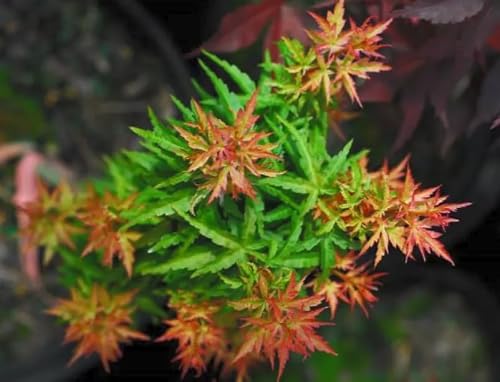
‘Goshiki Kotohime’ is a dwarf variegated maple with curled, textured leaves that look stunning up close. It comes as a 2-year live plant in a small pot, which is nice for balcony growers. The compact habit packs dense ramification into a tiny frame. The variegation adds cream and soft green tones that shift with light and season.
I like this cultivar for shohin and mame bonsai sizes because the leaf size and internodes stay tight. It needs bright light for crisp color, but avoid the harshest sun to keep variegation clean. Use a free-draining mix and water with care, as variegated types can be a bit more sensitive. Gentle pruning often is better than hard cuts.
Pros
- True dwarf habit ideal for small bonsai
- Unique curled leaves with fine texture
- Attractive variegation that brightens displays
- Dense branching supports refined silhouettes
- Great for limited space and indoor display areas
Cons
- Variegated leaves can burn in strong afternoon sun
- Requires precise watering to avoid stress
- Slower growth may test impatient growers
My Recommendation
If you need the Best Japanese Maple Bonsai Tree Live Plant for very small displays, pick ‘Goshiki Kotohime’. It stands out on a shelf or desk where texture and detail shine. It rewards careful hands and bright, gentle light.
| Best for | Why |
|---|---|
| Shohin bonsai | Dwarf size and tight internodes suit small trees. |
| Collectors | Curled variegated leaves add rare visual interest. |
| Balcony gardens | Compact habit thrives in small containers. |
Red Japanese Maple Live Plant (2–3 ft)

This 2–3 foot red Japanese maple arrives at a sizable height, which is great for outdoor containers or landscape planting. The deep red leaves bring instant curb appeal and strong contrast. You can also air-layer or chop and regrow to create bonsai material with a thicker base. For new homeowners or garden refreshes, it delivers a fast upgrade.
I suggest a sturdy, wide pot with good drainage if you keep it in a container. Place it in morning sun and bright shade in hot regions to protect color and health. Keep soil moist during summer, but do not let it sit in water. Prune in late winter to set shape and promote light into the canopy.
Pros
- Arrives tall for instant impact
- Deep red foliage for bold color
- Can be reduced or air-layered for bonsai bases
- Versatile for landscape or container use
- Strong seasonal interest
Cons
- Large size may be too big for small indoor spaces
- More pruning needed to convert to bonsai form
- Heavier pot required to prevent tipping
My Recommendation
If you want the Best Japanese Maple Bonsai Tree Live Plant that can double as a landscape accent, this tall red maple is smart. It is also a good source tree for bonsai trunks through reduction or layering. Expect quick visual results and flexible options.
| Best for | Why |
|---|---|
| Instant garden color | Tall plant with deep red leaves adds drama fast. |
| Bonsai bases | Height allows trunk chop and air-layering. |
| Large containers | Fills patio corners with a bold presence. |
Brighter Blooms Bloodgood Japanese Maple (3–4 ft)

This ‘Bloodgood’ from Brighter Blooms ships at 3–4 feet tall, so it makes a statement the day it arrives. It has classic burgundy leaves and a shape that works in entryways and patios. No shipping to AK, AZ, or HI, so plan your delivery region. As a bonsai source, the height lets you build trunk taper and create layers with technique over time.
Set it where it gets bright morning sun and dappled afternoon light. A sturdy container with drainage holes is key to avoid soggy roots. Water when the top inch of soil feels dry. Prune in late winter or after the first spring flush for best wound healing.
Pros
- Large size for instant landscape presence
- Rich red foliage from a proven cultivar
- Good candidate for trunk development
- Quality nursery stock presentation
- Strong seasonal display
Cons
- No shipping to AK, AZ, or HI
- Big footprint for small patios
- Will need careful reduction to become bonsai-sized
My Recommendation
Choose this if you want the Best Japanese Maple Bonsai Tree Live Plant to anchor a patio or entry now, and also give you long-term bonsai options. It is ideal for buyers who want height and color on day one. Expect to shape it with patience if bonsai is your end goal.
| Best for | Why |
|---|---|
| Immediate curb appeal | 3–4 foot height delivers instant impact. |
| Future bonsai projects | Tall stock supports trunk taper work. |
| Patio focal points | Bold color frames doors and seating areas. |
15 “Blue” Japanese Maple Seeds for Planting

Seed packs offer a low-cost path to many future bonsai. This set includes 15 Japanese maple seeds. Seed-grown trees deliver unique traits and natural variation. You can stratify the seeds, sprout them, and raise a group to pick the best bonsai prospects.
A quick note from years of growing: true “blue” Japanese maple leaves are not a natural color. Expect green to red tones, not blue. Use cold stratification for 60–90 days to boost germination. Start in a sterile, well-draining mix and give bright, indirect light to promote short internodes.
Pros
- Very budget-friendly per plant
- Grow a collection and select the best
- Great way to learn from seed to bonsai
- Unique seedlings with one-of-a-kind traits
- Perfect for group plantings or forests
Cons
- “Blue” leaf color claims are not realistic
- Germination rates can vary
- Long wait before trees are bonsai-ready
My Recommendation
If you want the Best Japanese Maple Bonsai Tree Live Plant experience from seed, this pack is a classroom and a nursery in one. It suits patient growers who love the process and want many candidates to style. Expect to select and cull to find keepers.
| Best for | Why |
|---|---|
| Learning growers | Hands-on from stratification to styling. |
| Forest plantings | Multiple seedlings support group designs. |
| Budget collectors | Very low cost per future tree. |
Two Red Japanese Maple Seedlings (approx. 12 in)

These two red Japanese maple seedlings arrive at about 12 inches tall. That is a sweet spot for early wiring, shaping, and forest or twin-trunk experiments. The red leaf type gives you a pop of color even in small containers. You get two trees, which is helpful for cross-training or as a backup.
I suggest planting them in separate training pots first. Let each build roots and a basic structure. You can always combine them later into a group planting or a twin-trunk design. Give them dappled light and water as the top layer dries to keep roots healthy.
Pros
- Two seedlings increase styling options
- Red foliage for high visual impact
- Great size for early wiring and shaping
- Works for pairs or small forests
- Affordable way to start a red maple collection
Cons
- Seedling variation means color may not match exactly
- Patience needed for trunk thickening
- Requires pruning through the season to keep internodes short
My Recommendation
Choose this pair if you want the Best Japanese Maple Bonsai Tree Live Plant starter set with built-in design options. Two trees mean you can try two styles at once or build a twin feature. It is a flexible, creative way to begin.
| Best for | Why |
|---|---|
| Twin-trunk designs | Matched size supports paired styling. |
| Forest bonsai | Two trees start a small grove. |
| Beginners | Early wiring and pruning practice. |
FAQs Of Best Japanese Maple Bonsai Tree Live Plant
What light does a Japanese maple bonsai need?
Give bright morning sun and afternoon shade. In cool areas, it can take more sun. Avoid harsh late-day sun to prevent leaf burn.
How often should I water a maple bonsai?
Water when the top half-inch of soil feels dry. In heat, this may be daily. Use a free-draining mix and never let it sit in water.
What soil mix works best?
A fast-draining blend is key. I use akadama, pumice, and lava or similar. Add pine bark for moisture and microbes.
Can I grow it indoors year-round?
Japanese maples are outdoor trees. They need seasons. You can display indoors for short periods, but keep it outside most of the year.
How do I protect it in winter?
For pots in cold zones, move to a sheltered spot. Keep the root ball just moist. Avoid freeze-thaw cycles with wind exposure.
Final Verdict: Which Should You Buy?
For most buyers, the ‘Bloodgood’ Red Japanese Maple 2-year plant is the standout. It gives strong color, dependable growth, and a faster path to a refined shape.
Each pick can be the Best Japanese Maple Bonsai Tree Live Plant for a different goal. Choose based on size, color, and how hands-on you want to be.
