
Bonsai Repotting Wire: Expert Tips, Sizes & Uses 2026

Bonsai repotting wire anchors roots and shapes branches safely and fast.
If your tree wobbles after a fresh repot or leans as it grows, the right wire can make all the difference. I have watched new soil settle and roots shift at the worst time. A stable tie-down saves fine feeder roots and protects fresh cuts. Good Bonsai Repotting Wire also guides new lines as the tree heals. It helps set movement, hold angles, and prevent wind rock. The result is a secure plant that recovers faster and looks better. Below, I compare popular kits and sizes so you can pick the wire that fits your tree, pot, and style.
Mudder 5-Roll Aluminum Bonsai Wire + Cutter

This Mudder kit brings three practical gauges—1.0mm, 1.5mm, and 2.0mm—across five rolls with a compact cutter. The aluminum is anodized, so it resists rust and keeps a neutral look on the bark. I like these sizes for young branches, fine ramification, and root tie-downs in mid-size pots. Total length hits around 160 feet, which covers a good season of shaping and repotting work.
As a Bonsai Repotting Wire option, it shines for steady tie-ins where gentle pressure matters. The included cutter is handy and sharp enough for aluminum. The 2.0mm roll helps with firmer bends on sapling trunks and light guy-wires. If you train maples, junipers, or olives in the early stages, this range will feel familiar and forgiving.
Pros
- Useful gauges for fine to medium work (1.0/1.5/2.0mm)
- Anodized aluminum is light, clean, and bark friendly
- Includes a compact cutter for quick snips
- Good total length for seasonal projects
- Ideal for root tie-downs during repots and gentle shaping
Cons
- Does not include heavier gauges for thick branches
- Cutter is basic and best for aluminum only
- Black color would blend better on some species
My Recommendation
Choose this if you need an easy Bonsai Repotting Wire setup for small to mid trees. It covers repot tie-downs and basic structure without fighting the bark. The wire wraps clean and holds a curve well for beginner and intermediate users. It is a reliable first kit and a solid backup for fast jobs.
| Best for | Why |
|---|---|
| Repot tie-downs in mid pots | 1.5–2.0mm holds roots and prevents wobble |
| Fine branch styling | 1.0mm is gentle on ramification and buds |
| Beginner training kits | Forgiving aluminum with a ready-to-use cutter |
WZAEROUU 6-Roll Bonsai Wire Kit + Cutter

This WZAEROUU kit steps up with six rolls and four sizes: 1.0, 1.5, 2.0, and 2.5mm. It totals about 160 feet and includes a cutter, so you are covered for most early and mid-stage bends. I value the 2.5mm for young conifer leaders and thicker secondary branches. The rolls feel dense, and the aluminum bends smooth without springing back much.
For Bonsai Repotting Wire that can anchor heavier roots, the 2.0–2.5mm sizes are strong. You can set cross tie-downs and add a guy-wire to brace a leaning trunk. The finish holds up outdoors through watering and sun. If you like a single kit that handles both repot days and follow-up styling, this checks many boxes.
Pros
- Four sizes reach up to 2.5mm for stronger holds
- Good value across six rolls and a cutter
- Soft aluminum is easy on bark and cambium
- Works well for guy-wires and heavier anchors
- Simple, tidy packaging for storage
Cons
- No 3.0mm option for very thick branches
- Aluminum can mark soft bark if over-tightened
- Cutter may struggle on thicker, doubled wire
My Recommendation
Pick this if you want Bonsai Repotting Wire that covers more strength without going heavy. It pairs well with medium junipers, olives, and elms that need firmer control. The extra 2.5mm roll reduces the need to double-wire. It is a smart, all-around kit for ongoing work after you repot and reset the structure.
| Best for | Why |
|---|---|
| Post-repot stability | 2.0–2.5mm gauges hold roots and light trunks |
| Medium branch bends | Extra thickness reduces spring-back |
| Value seekers | Six rolls across four sizes at 160 feet total |
RASKOO 189ft Bonsai Wire Set (5 Sizes)

RASKOO pushes reach with five sizes: 1.0, 1.5, 2.0, 2.5, and 3.0mm, plus a cutter. The total length is about 189 feet, which is generous for training and anchoring. The 3.0mm wire is the standout for heavy branches and pot tie-in grooves. It makes this a strong Bonsai Repotting Wire set for larger material.
I like this for pines and junipers where stiffer wood needs support. It also helps when you need to strap a tree in a deep pot with confidence. The aluminum is easy to shape by hand and reduces hand fatigue. If you own mixed sizes of trees, this set keeps you ready for almost any job.
Pros
- Full range up to 3.0mm for strong bends and anchors
- Long 189ft total for bigger projects
- Includes cutter for field use
- Good for both wiring and repot tie-downs
- Ideal for conifers and thicker hardwoods
Cons
- Heavier gauges need care to avoid bark bite
- Bulk rolls take more storage room
- 3.0mm aluminum still less strong than copper
My Recommendation
Go with this if you need Bonsai Repotting Wire that tackles thick branches and deep pots. The 3.0mm roll saves time and avoids stacking too many wraps. It is great for windy balconies and yards where extra stability is key. Serious hobbyists and pros will use every size here.
| Best for | Why |
|---|---|
| Large or heavy trees | 3.0mm wire holds solid angles and anchors |
| Wind-exposed sites | Stronger tie-downs prevent post-repot sway |
| Mixed species collections | Five sizes cover fine to thick branches |
PATIKIL 6mm Bonsai Training Wire (10.5ft)

This PATIKIL 6mm roll is a specialty choice for thick bends and trunk bracing. At 10.5 feet, it is short but strong, and the brown finish blends with bark. I see it as a problem-solver for one or two big moves. It can also serve as a firm pot tie-down for deep containers or heavy root balls.
As a Bonsai Repotting Wire, 6mm is overkill for small trees but a gift for big ones. You can anchor a stubborn root base or set a bold trunk curve with fewer wraps. Use padded contact points to avoid bark damage, and check often. I keep one like this in my bin for those rare but crucial jobs.
Pros
- Very strong 6mm for major bends and anchors
- Brown color hides well against bark
- Fewer wraps needed compared to thinner wire
- Great for deep-pot tie-downs on big trees
- Handy emergency roll for problem branches
Cons
- Short length limits how many tasks you can do
- High risk of bark bite if not padded well
- Too heavy for most small to medium trees
My Recommendation
Buy this if you need a heavy-duty Bonsai Repotting Wire for large, stubborn branches or super secure pot tie-downs. It is a niche tool with real muscle. Keep it for moments when 3.0mm will not hold. It adds peace of mind when you move or repot big stock.
| Best for | Why |
|---|---|
| Major trunk bends | 6mm strength sets big curves with fewer wraps |
| Large pot tie-downs | Locks heavy root balls during transport or storms |
| Emergency fixes | Strong wire stops sudden lean or split fast |
Black 1.5mm Bonsai Wire, 2 Rolls (65ft)
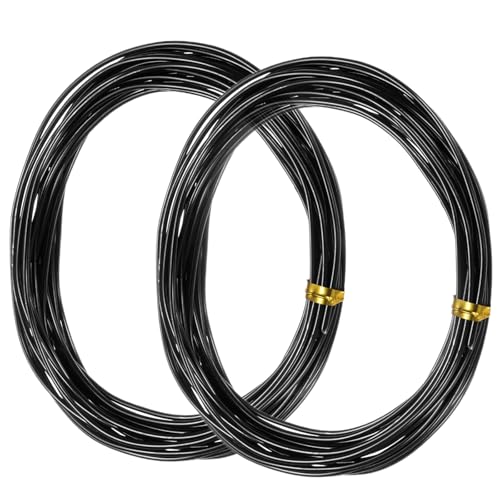
These two black 1.5mm rolls total about 65 feet and blend in well on many species. The gauge is a sweet spot for mid twigs and light secondaries. I use 1.5mm often for repot tie-downs on small pots because it holds without crushing edges. The dark color makes your lines less visible in photos and on display benches.
This is a focused Bonsai Repotting Wire option for detail work and subtle holds. The aluminum is easy to cut and rewind. It is not meant for thick branches, but it shines on finesse tasks. If you want a clean look while you set shape and secure roots, this is a strong pick.
Pros
- Low-visibility black finish for a neat look
- Ideal 1.5mm gauge for many daily tasks
- Great for small pot tie-downs and fine shaping
- Light, soft aluminum protects young bark
- Compact rolls fit a small tool kit
Cons
- Not suitable for thick branches or trunk work
- Limited total length compared to larger kits
- May need frequent replacement on vigorous growth
My Recommendation
Choose this if you need subtle Bonsai Repotting Wire for small trees and clean displays. It is great when you want control without visual clutter. The 1.5mm size handles a lot of routine work with ease. Keep it near your bench for fast, neat tie-downs and gentle bends.
| Best for | Why |
|---|---|
| Small bonsai and shohin | 1.5mm holds without bulk or scars |
| Show prep and photos | Black wire stays discreet in frames |
| Fine branch adjustments | Soft aluminum responds to precise bends |
How to choose the right Bonsai Repotting Wire
Picking the right Bonsai Repotting Wire starts with tree size and wood hardness. Aluminum is best for beginners and most broadleaf species. It bends easy and is kinder to bark. Copper is stronger but harder to set and can bite faster if you are not careful.
Gauge matters just as much. Thin wire, like 1.0–1.5mm, is for twigs and ramification. Mid sizes, like 2.0–2.5mm, suit young branches and basic anchors. Heavy sizes, like 3.0–6.0mm, handle trunks, guy-wires, and deep-pot tie-downs on large trees.
Color and coating help with display. Black or brown finishes hide the wire and cut glare. Anodized wire resists corrosion and looks cleaner. For repot tie-downs, use wire that fits pot holes well and avoids sharp edges.
Buy enough length for your season. A 160–200 foot stock covers several trees. Add one heavy roll for tough jobs. Keep a cutter made for soft metals. It saves time and keeps edges neat.
Aluminum vs. copper: which wire should you use?
Aluminum is the standard for most hobby work. It is lighter, cheaper, and easy to adjust. It is perfect when you learn angles and pressure. It also reduces the risk of crushing green wood.
Copper is stronger per gauge and holds sharp bends in conifers. It needs annealing and firm hands. I use copper when I train old pines with hard bark. It bites fast if you miss checks, so timing is key.
For Bonsai Repotting Wire, aluminum wins for pot tie-downs and general anchors. It threads holes without scraping glaze. It also releases clean when you repot again. Copper shines for structural bends, not daily anchoring.
Gauge guide: match wire to branch thickness
Use the one-third rule for a start. Pick a wire about one-third the thickness of the branch. For a 6mm branch, try 2.0mm wire. If it springs back, add a second wire or step up a size.
When wiring roots or pot tie-downs, think in pairs. Two lines at angles beat one tight line. They spread force and protect tender roots. In deep pots, a heavier gauge stops wobble better.
Test as you go. Bend a small section and release. If the branch returns too far, increase the gauge. If the bark creases, downshift and pad the contact points.
How to use Bonsai Repotting Wire during a repot
Prepare the pot with mesh over drain holes. Thread your Bonsai Repotting Wire through tie-down holes before the soil goes in. Set a mound of soil, place the tree, and spread roots over it. Add soil while you gently shake and chopstick to settle fines.
Cross the wire over the root base and twist until snug, not tight. The tree should not rock when you nudge it. Add guy-wires if the trunk leans or has a heavy top. Trim ends clean and tuck them away from roots.
Check tension after the first good watering. Soil settles and slack appears. Twist a bit more only if the tree moves. Over-tightening cuts into fresh roots. Patience beats pressure during recovery.
Common mistakes and how to avoid them
Do not over-tighten tie-downs. This crushes new roots and slows rebound. Aim for firm but gentle. If the tree still moves, add a second line at a new angle.
Do not leave wire on too long. Check every two to four weeks in the growing season. Bark can swell and mark fast. Cut off wire at first sign of bite.
Do not wire when wood is brittle. In deep cold or heat waves, wood snaps easier. Plan big bends in mild weather. Support the branch with your free hand at all times.
Care, storage, and safety tips
Keep Bonsai Repotting Wire dry and coiled. Humid sheds can dull cutters and corrode tools. Use a small strap or tape to tame loose ends. Label gauges so you can grab the right roll fast.
Wear eye protection for heavy gauges. Ends can spring when cut. Use palm pads or raffia on old bark. This spreads pressure and stops scars.
Recycle offcuts. Short bits tie mesh and secure moss. Keep a magnet tray for cut ends. A tidy bench prevents scratches and lost pieces in soil.
Real-world use: how I test wire on the bench
I test Bonsai Repotting Wire by task, not just by brand. I start with pot prep, tie-downs, and a shake test. Then I add a few bends on mid branches. I watch spring-back and how clean the wrap sits on bark.
On conifers, I test a guy-wire under light load for a week. I check if the set holds after removing it. For heavy wire, I try a mock trunk bend on scrap wood. It shows me how far I can push without crimping.
I also time my work. If a kit saves cuts and rewinds, I keep it close. Good wire speeds the day and makes the result look tidy. That is what I look for when I call a wire “bench ready.”
Budget planning: how much wire do you need?
Plan by project count and tree size. Small collections do well with 100–160 feet and three gauges. If you style and repot many trees, 180–220 feet with five gauges is smarter. Add one heavy roll for big moves each season.
Track what you use. If 1.5mm runs out first, buy extra rolls. If 3.0mm sits untouched, skip it next time. A tight kit matched to your trees saves money and space.
Remember that Bonsai Repotting Wire is a consumable. You cut it off when the set is done. Buying well the first time avoids mid-project runs to the store. It also keeps your wiring consistent in look and hold.
Environmental notes and responsible use
Aluminum wire is recyclable. Keep a dedicated bin for offcuts. Avoid losing scraps in garden beds. They can harm pets and wildlife if ingested.
Use only what you need. Excess wraps do not add strength, they add risk. A clean, minimal wrap respects the tree. It also reduces waste over time.
When repotting, choose tie-down routes that miss main roots. I study the root pad first. A little planning prevents damage and makes later removal easy.
FAQs Of Bonsai Repotting Wire
What size Bonsai Repotting Wire should I use for tie-downs?
Most small to medium trees do well with 1.5–2.5mm. Large trees may need 3.0mm or more. Test tension and avoid crushing roots.
How long should I leave wire on after a repot?
Leave tie-downs until the tree is stable, often 4–8 weeks. Check weekly and remove when roots hold firm on their own.
Is aluminum or copper better for Bonsai Repotting Wire?
Aluminum is best for tie-downs and general use. Copper is stronger for structural bends but is harder to work safely.
How do I prevent wire bite on soft bark?
Use the right gauge, add padding, and check often. Loosen or remove wire at the first sign of swelling.
Can I reuse Bonsai Repotting Wire?
You can, but it is not ideal. Kinks weaken wire and mark bark. New wire holds cleaner and safer.
Final Verdict: Which Should You Buy?
For most, the RASKOO set offers the best range, including 3.0mm for secure Bonsai Repotting Wire tie-downs and stronger bends. It is the most future-proof choice.
On a tighter budget, the WZAEROUU kit balances sizes and value. Need finesse only? The black 1.5mm rolls keep work clean and discreet.
