
Green Dream Bonsai Fertiliser Review: A balanced feed that boosts growth and color.
If your bonsai’s leaves look dull, growth has stalled, or roots seem weak, feeding is likely the missing link. A smart fertilizer plan is like a gentle tide that lifts all boats. It adds steady energy, clearer color, and denser roots. In this Green Dream Bonsai Fertiliser Review, I break down how a balanced bonsai feed works, what to expect in different forms (liquid, pellets, and sprays), and which options fit indoor and outdoor trees. I also compare popular choices that deliver Green Dream–style results, so you can pick the right product with less guesswork and more confidence.
Liquid Bonsai Plant Food, 8 oz

This liquid bonsai plant food speaks to growers who want fast, visible growth. Liquids shine when your tree is in active growth and needs a quick boost. You can dilute it in water and feed on your normal watering day. The result is even coverage and predictable results with less hassle.
Use a light dose and keep a steady schedule. Most bonsai respond well to small, regular feedings. This type of liquid food is helpful for indoor trees that dry out fast under heat or AC. It also supports outdoor trees in spring and early summer when shoots are most active.
Pros:
- Quick uptake for faster response during growth spurts
- Easy to mix and apply with routine watering
- Great for indoor trees with frequent watering cycles
- Helps support leaf color and shoot density
- Simple to fine-tune dose across different species
Cons:
- Needs frequent application to keep results steady
- Risk of overfeeding if measuring is not careful
- Less ideal for vacation periods without a caretaker
My Recommendation
Choose this liquid plant food if you want a clean, simple routine and quick feedback from your trees. It is a strong fit for ficus, serissa, or Chinese elm on windowsills. It also suits outdoor junipers and maples in spring when they push new growth. If you arrived for a Green Dream Bonsai Fertiliser Review, note how this liquid feed mirrors that balanced, steady-growth promise. Liquids are the path for control and speed without extra setup.
| Best for | Why |
|---|---|
| Indoor bonsai | Easy to add to regular watering; quick results |
| Active spring growth | Fast nutrient access when shoots expand |
| Careful dosing | Fine control over strength for sensitive trees |
Slow-Release Bonsai Pellets, 5 oz

These slow-release pellets trade speed for ease. You place them on the soil, then water as normal. The pellets break down over time and feed the tree in small doses. This helps reduce peaks and dips in nutrition and is handy when you travel.
Pellets also suit outdoor benches where a steady trickle is safer than a strong flush. They can help maples, junipers, and pines that prefer a consistent baseline. Be mindful not to cover the whole soil surface. Keep pellets spread out so water and air still flow well.
Pros:
- Hands-off feeding once placed on the soil
- Gentle, steady release lowers burn risk
- Great for busy schedules or short trips
- Useful for outdoor bonsai in full sun
- Supports root and shoot balance through the season
Cons:
- Not ideal for fast, targeted corrections
- Harder to fine-tune species-specific needs
- Overloading the surface can block airflow
My Recommendation
Reach for these pellets if you want a low-effort plan and fewer mixing steps. They fit large collections where time is tight. They also help trees that dislike strong pulses of feed, like many conifers. If you are reading this Green Dream Bonsai Fertiliser Review to find slow and steady options, pellets feel closest to that classic “set and support” method that many masters trust.
| Best for | Why |
|---|---|
| Outdoor benches | Steady supply under sun and wind |
| Busy growers | Minimal mixing and fewer steps |
| Conifers and pines | Gentle release suits slower feeders |
Gardenera Bonsai Spray Mist 3-1-2, 8 oz

This foliar spray with a 3-1-2 blend offers a targeted boost to leaves. Foliar feeding works best in the morning or late day. It can help during stress, repotting recovery, or light deficiency signs on foliage. Mists give a fast nudge without soaking the potting mix.
The 3-1-2 ratio is a classic leaf-forward balance. It supports green color and steady shoot development. Use it to complement, not replace, your soil feed plan. Keep sprays gentle and regular for smoother progress.
Pros:
- Fast leaf support with a 3-1-2 balance
- Great for recovery after repotting or pruning
- Easy to aim at problem leaves or zones
- Pairs well with pellets or a light liquid feed
- Short learning curve; simple spray routine
Cons:
- Not a full replacement for soil feeding
- May cause spotting if sprayed in hot sun
- Needs frequent, light use for best results
My Recommendation
Use this foliar mist as a helper tool. It is ideal when you spot pale leaves, or after a styling session. It can also bridge gaps if a tree pauses root uptake due to cooler nights. For readers seeking a Green Dream Bonsai Fertiliser Review that covers every angle, think of this spray as the quick dial you reach for when you want gentle, leaf-first support.
| Best for | Why |
|---|---|
| Foliar rescue | Targets leaves fast with gentle nutrients |
| After repotting | Helps during short-term root stress |
| Combo feeding | Pairs with liquids or pellets for balance |
The Bonsai Supply All-Purpose, 1.8 lbs
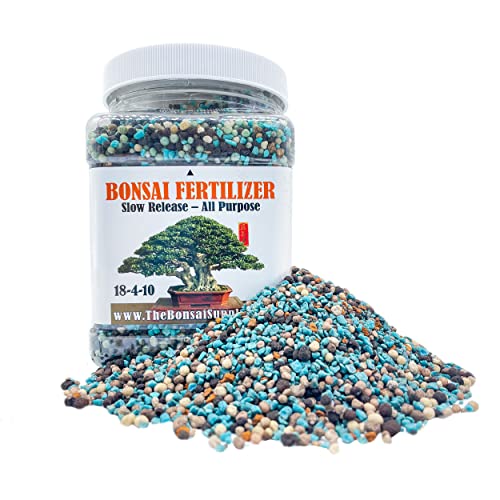
This all-purpose fertilizer suits a wide range of bonsai. You can blend it into a routine that fits your climate and species. The larger size makes sense for larger collections or outdoor racks. Many growers like a single, dependable feed they can scale up or down.
Use a light hand and track how each tree reacts. Subtle shifts in dose can protect fine feeder roots. Consider pairing it with a foliar spray in peak growth weeks. That two-step plan supports color, shoots, and roots with less risk.
Pros:
- Value size works for bigger collections
- All-purpose profile helps many species
- Supports both leaf and root vigor
- Simple to use through spring and summer
- Pairs with foliar mists for extra finesse
Cons:
- Needs careful measuring to avoid buildup
- Granular use may be harder indoors
- Not a quick fix like a liquid dose
My Recommendation
Pick this if you manage several trees and want one core fertilizer. It is a solid base plan for elms, junipers, and maples. Mix in a spray or light liquid when you want a gentle push. In the context of a Green Dream Bonsai Fertiliser Review, this all-purpose choice offers the broad utility many people expect from a trusted, balanced feed.
| Best for | Why |
|---|---|
| Large collections | Economical size; consistent routine |
| Mixed species | Flexible enough for many bonsai |
| Seasonal cycles | Easy to scale dose by season |
Perfect Plants Bonsai Spray, 8 fl oz

This spray is a light, balanced mist made for bonsai leaves. Think of it as a touch-up tool between soil feeds. It is handy when trees slow down due to heat or cool nights. It is also nice for small bonsai that get regular handling and styling.
Use it early or late in the day and keep the coat light. You can focus on areas that look pale. Do not forget to keep your soil plan in place. Sprays help, but roots still drive the show.
Pros:
- Gentle foliar top-up between soil feedings
- Quick routine with a simple spray action
- Targets weak areas without soaking the soil
- Good for small indoor bonsai near bright windows
- Pairs well with pellets or granular feeds
Cons:
- Not a stand-alone fertilizer plan
- Needs consistent, light use for best gains
- Can spot leaves if used under harsh sun
My Recommendation
Use this if you like to fine-tune leaf health with a fast, gentle touch. It is perfect for indoor setups or small shohin trees. Keep it on the shelf for weeks when trees look tired. If your goal in reading a Green Dream Bonsai Fertiliser Review is to find well-rounded care, this mist is the easy add-on that keeps leaves smiling.
| Best for | Why |
|---|---|
| Indoor bonsai tune-ups | Quick, targeted foliar support |
| Shohin and mame sizes | Low-dose care for tiny canopies |
| Between feed cycles | Smooths dips without overfeeding roots |
How to choose the right bonsai fertilizer for your setup
Think about your goals, climate, and time. Liquids give quick gains and strong control. Pellets give calm, steady feeding with low effort. Sprays help when leaves need a soft nudge.
Most guides suggest light, regular feeding during active growth. That means spring through late summer for many temperate trees. Indoor tropicals may need a lighter winter plan if they keep growing. Always feed less when light is low or after heavy pruning.
Watch your tree’s signals. Dark, lush leaves and even shoot length are good signs. Soft, leggy growth can mean too much nitrogen or low light. Yellow halos may signal a micronutrient gap, which foliar sprays can help fix.
Consider your potting mix too. Open, fast-drain mixes may need more frequent, lighter feed. Denser mixes hold nutrients longer but raise salt risks. Flush with plain water now and then to prevent buildup.
Test and log your results. I keep a simple notebook with dates, doses, and notes. That makes it easy to adjust and learn your trees over time. Good feeding is a patient craft, not a single trick.
Common bonsai feeding mistakes to avoid
Overfeeding is the big one. Bonsai live in small pots with tight root zones. Heavy doses can burn roots or push weak, soft growth. Keep doses low and steady, and never feed a dry tree.
Feeding at the wrong time is another trap. Do not feed right after repotting unless your tree has recovered and shows fresh tips. Skip feeding right before a heat wave or freeze. Stress and strong feed do not mix well.
Mixing too many products at once can cause trouble. Pair a base plan with one helper tool, like a foliar mist. Keep it simple. That gives you clear cause and effect.
Finally, not adjusting by season hurts results. Feed more in growth and less when trees slow down. Adjust by species, too. Pines and junipers tend to like calmer feeding than fast tropicals.
FAQs Of Green Dream Bonsai Fertiliser Review
How often should I feed my bonsai?
Feed lightly and often during active growth. Many growers use every 2–3 weeks for liquids, every 4–6 weeks for pellets. Reduce in late fall and winter unless your tree is still growing.
What NPK ratio works best for bonsai?
Balanced ranges often work well, such as near 3-1-2 for leaf support or similar balanced mixes. Match the ratio to your goal: foliage, roots, or flowers. Keep doses light.
Can I use foliar sprays as my only fertilizer?
No. Foliar sprays help, but roots still need nutrition. Use sprays to support leaves and quick fixes. Keep a basic soil feed in place.
Is slow-release better than liquid?
It depends on your schedule and goals. Liquids give fast control. Pellets give steady ease. Many growers combine both for balance.
What’s special about the Green Dream Bonsai Fertiliser Review approach?
It stresses steady, balanced feeding with simple steps. It shows how to blend liquids, pellets, and sprays for smooth growth and color.
Pro tips from years of bonsai feeding
Start low and build up. It is easier to add than to undo. A light feed over time beats a heavy hit once in a while. Your trees will thank you with tight internodes and rich color.
Water first, then feed. Moist soil spreads nutrients more evenly. Avoid feeding in the heat of the day. Early morning is a safe window for roots and leaves alike.
Rotate your tools. Use pellets as a base, liquids for tune-ups, and sprays for leaves. That gives you three levers. You can nudge growth in clean, small steps.
Track light and temperature. Growth follows both. You may feed more on bright weeks and pause during storms or heat spikes. Listen to the weather as much as the calendar.
Real-world scenarios to match with a fertilizer plan
New indoor ficus with weak leaves: Start with a small liquid dose every two weeks and a weekly foliar mist. Watch for deeper green in two to three weeks.
Outdoor juniper after structural pruning: Give it time to recover before feeding. Then place a few pellets for gentle support. Add a light liquid feed after you see fresh tips.
Maple with pale spring leaves: A 3-1-2 foliar mist can help while roots wake up. Keep soil feeding gentle. Protect tender leaves from hot midday sun.
Busy grower with 20+ trees: Use pellets across the bench for a baseline. Add liquid only to trees that lag behind. Keep notes to refine the mix by species.
How I test bonsai fertilizers for fair results
I run side-by-side trials on trees of the same species and size. I use matched soil, pots, and light. I feed on the same day and record the mix and dose.
I log color, leaf size, internode length, and root tips during repots. I also note response time and any burn signs. I test over full seasons to see long-term effects.
This method helps me judge products on what trees do, not just what labels say. It is slow work, but bonsai is slow art. Clear notes make for clear choices.
Putting it all together: build your smooth, simple feeding plan
Pick one base product. Choose pellets if you want ease. Choose a liquid if you want speed and control. Add a foliar spray as your helper for leaves.
Set a calendar reminder. Many people do well with Sunday routines. Feed lightly, observe, and adjust after two to four weeks. Do not rush.
Bundle feeding with checks. Look at soil moisture, pests, and wire marks. Healthy trees use nutrients better. Good care beats any label claim.
If you came here for a clear Green Dream Bonsai Fertiliser Review, the heart of the message is this: balanced, steady, and simple wins. The best plan is the one you will keep.
Final Verdict: Which Should You Buy?
The liquid plant food is best for quick gains and tight control. The slow-release pellets shine for low-effort, steady feeding. The spray mists add gentle leaf support between soil feeds.
In short, match your time and goals. For a Green Dream Bonsai Fertiliser Review style result, build a base with pellets or a solid all-purpose feed, then fine-tune with a liquid and a light foliar mist.