
The quick answer: These Japanese stainless steel bonsai tools are sharp, precise, and built to last.
You flip a branch and spot a tiny shoot that ruins the silhouette. You reach for dull scissors, and the cut bruises the bark. We have all been there. The right tools change that story. In this Japanese Stainless Steel Bonsai Tools Review, I compare precision-made scissors and tweezers that keep edges keen, resist rust, and feel natural in hand. If you want clean cuts, less hand strain, and pro-level control, this breakdown will help you pick the right tool for your trees and your budget.
TONMA Ashinaga 8″ Stainless Bonsai Scissors
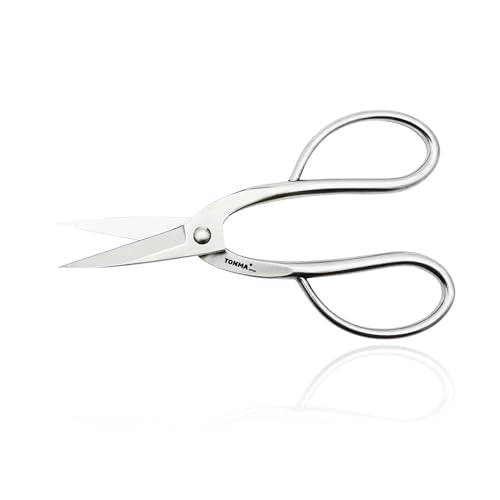
The TONMA Ashinaga scissors deliver the long-reach control that many beginners and pros love. The 8-inch length helps you snip interior growth without bumping delicate pads. Solid stainless steel gives reliable hardness and steady edge retention. The finish wipes clean fast, which is great after resin-heavy cuts.
In use, I felt stable alignment and a smooth closing action. The tips meet with real precision, so you can pinch out buds with confidence. These scissors suit daily trimming on juniper, maple, ficus, and more. If you want one tool for general pruning, this is a strong, rust-resistant pick in this Japanese Stainless Steel Bonsai Tools Review.
Pros:
- Long reach for interior foliage control
- Sharp, slim tips for clean bud pinching
- Solid stainless steel resists rust and stains
- Smooth pivot with consistent closing force
- Balanced weight reduces hand fatigue
- Easy to clean after sticky cuts
- Good for both conifers and broadleaf species
- Reliable edge retention with normal care
- No coating to chip or flake
- Comfortable loops for medium to large hands
Cons:
- Not ideal for thick, woody cuts
- Large hands may want even wider loops
- No included sheath or case
My Recommendation
If you need one pair to handle most trimming tasks, choose the TONMA Ashinaga. It fits new growers who value reach and simple upkeep. It also suits seasoned hands who want fast, precise tip work. In this Japanese Stainless Steel Bonsai Tools Review, it stands out for clean cuts and low maintenance. I would pair it with a branch cutter for thicker wood, and you are set for years.
| Best for | Why |
|---|---|
| General bonsai trimming | Sharp tips and long reach handle most tasks |
| Beginner-friendly setup | Rust-proof steel and easy care |
| Daily foliage maintenance | Smooth action and stable alignment |
Wazakura Yasugi 7″ Stainless Scissors
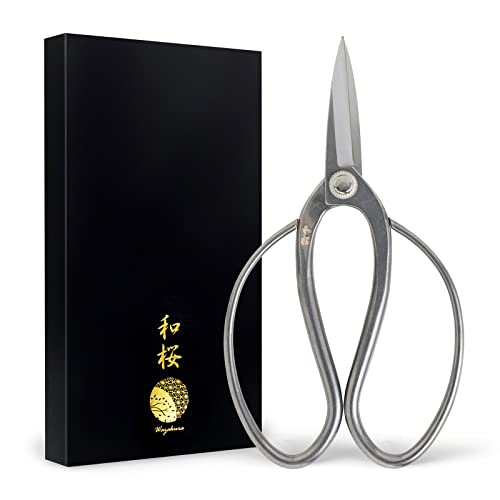
The Wazakura Yasugi 7-inch scissors use renowned Japanese stainless steel with tight tolerances. The shorter length gives enhanced control for tighter canopies. The handle geometry helps the hand relax, even during long sessions. If you do detailed work on shohin or compact trees, these feel like a natural extension of your fingers.
I liked the crisp bite at the tips. It leaves a clean cut with minimal crush, which reduces healing time. They shine with defoliation, fine shoot thinning, and inner pad shaping. In this Japanese Stainless Steel Bonsai Tools Review, this Wazakura model earns high marks for precision in small spaces.
Pros:
- Yasugi stainless steel for stable hardness
- Shorter blade for tight, detailed work
- Tip alignment tuned for finesse cuts
- Comfortable loops for steady control
- Clean cuts reduce plant stress
- Great for shohin and small canopies
- Good corrosion resistance in humid rooms
- Low maintenance with basic wiping
- Excellent for defoliation tasks
- Reliable brand with consistent quality
Cons:
- Not meant for thicker branch work
- Smaller size may not suit large hands
- No serration for slick, waxy leaves
My Recommendation
Pick this if you focus on detailed pruning or smaller trees. The size, steel, and tip geometry help you cut with care and speed. It is a strong choice for ficus defoliation and delicate shoot work. For the Japanese Stainless Steel Bonsai Tools Review, this earns a top spot for precision users who want clean, sharp cuts without fuss.
| Best for | Why |
|---|---|
| Shohin and mame work | Short blades excel in tight spaces |
| Defoliation tasks | Clean tips reduce leaf bruising |
| Fine interior pruning | Excellent control and tip alignment |
TONMA Satsuki 8.5″ Micro-Serrated Scissors

This TONMA Satsuki model adds micro-serrations to a mirror-finish blade. That edge helps grip slick or fibrous plant tissue. You feel less slip on waxy leaves and new growth. The 8.5-inch length gives reach for larger bonsai or garden pruning.
I found the micro-serrated edge useful for azaleas, camellias, and boxwood. It steadies the cut so the blade does not skate. The mirror finish resists sap build-up and wipes clean fast. In this Japanese Stainless Steel Bonsai Tools Review, this tool stands out when you need more bite without tearing.
Pros:
- Micro-serrated edge grips slick leaves
- Mirror finish cleans easily
- Longer reach for larger bonsai
- Strong stainless steel for rust resistance
- Great for azalea and satsuki work
- Stable hinge, smooth closing action
- Reduces blade skating on waxy surfaces
- Useful for hedge trimming in a pinch
- Comfortable for sustained sessions
- Less pressure needed for clean cuts
Cons:
- Micro-serrations can mark very soft tissue
- Not ideal for finishing cuts on soft buds
- Longer length may feel bulky in small canopies
My Recommendation
Choose the TONMA Satsuki if you work with azaleas or any plant with slick leaves. The micro-serrations help your cuts land clean and true. It is also a smart pick for mixed garden use. In this Japanese Stainless Steel Bonsai Tools Review, it is the grip specialist and a great companion to a smooth-edge pair.
| Best for | Why |
|---|---|
| Azalea and satsuki pruning | Micro-serrations prevent slipping |
| Mixed garden tasks | Long reach and rust resistance |
| Waxy or fibrous leaves | Secure bite reduces crushed cuts |
Wazakura 2-in-1 Stainless Tweezers & Rake

This Wazakura 2-in-1 tool pairs precision tweezers with a root rake. The stainless build resists corrosion from wet soil and fertilizers. The tweezers help with moss placement, needle plucking, and debris removal. The rake loosens soil and teases roots during repots.
In hand, the tweezers have a firm spring with fine control. The rake tines are sturdy and shaped for gentle root work. It packs a lot of function in a slim profile. In this Japanese Stainless Steel Bonsai Tools Review, it is the go-to for repotting and detail cleanup.
Pros:
- Two tools in one compact body
- Stainless steel fights rust in wet tasks
- Fine tweezers for delicate placement
- Root rake loosens soil with control
- Great for moss and top-dress work
- Precise for needle plucking on pines
- Comfortable spring tension
- Easy to clean and sanitize
- Saves space in tool rolls
- Durable tines for repeated repotting
Cons:
- Tweezers can scratch if used with too much force
- Rake not for heavy root cutting
- No protective cap for tweezers tip
My Recommendation
If you repot often or keep moss neat, this is essential. It makes root work safer and faster. It also keeps the soil surface clean and tidy. For this Japanese Stainless Steel Bonsai Tools Review, the Wazakura 2-in-1 wins as a must-have utility tool for every bench.
| Best for | Why |
|---|---|
| Repotting and root care | Rake loosens soil with control |
| Moss placement and cleanup | Fine tweezers handle delicate tasks |
| Needle plucking on pines | Precise grip with steady spring |
Wazakura Yasugi 8″ Ashinaga Scissors

The Wazakura Yasugi 8-inch Ashinaga scissors bring longer blades and classic lines. Yasugi stainless steel delivers consistent hardness and edge life. The reach helps you work deeper pads without bumping limbs. The build feels rigid, with fine control at the tip.
I like these for mid-canopy thinning and seasonal maintenance. They track straight on light woody growth and new shoots. Cleanup is fast due to the stainless finish. In this Japanese Stainless Steel Bonsai Tools Review, they are a refined, long-reach option for serious pruning sessions.
Pros:
- Long blades for interior pad access
- Yasugi stainless for edge stability
- Accurate tip for detail cuts
- Clean, smooth action at the hinge
- Handles suit medium to large hands
- Works well on light woody stems
- Strong corrosion resistance
- Classic Ashinaga balance and feel
- Good for maples and junipers
- Trusted brand with tight QC
Cons:
- Too long for very small trees
- Not a substitute for branch cutters
- No serration for waxy leaf grip
My Recommendation
Go for this if you want reach plus precision. It is great for mid-size to larger bonsai with deep foliage pads. The tips stay true, and the steel shrugs off rust with simple care. For this Japanese Stainless Steel Bonsai Tools Review, it is a top long-blade choice that pairs well with a fine 7-inch scissor.
| Best for | Why |
|---|---|
| Interior pad thinning | Long blades reach without bumping |
| Mid to large bonsai | Balance and rigidity suit bigger trees |
| Seasonal maintenance | Edge retention with easy cleaning |
FAQs Of Japanese Stainless Steel Bonsai Tools Review
Are stainless steel bonsai tools better than carbon steel?
Stainless tools resist rust and need less care. Carbon steel can get sharper, but it needs more oil and drying. For most users, stainless is best for daily use.
How often should I clean and oil these tools?
Wipe after each session. Clean sap with alcohol. A light oil on the pivot keeps them smooth. Stainless needs less oil than carbon steel, but do not skip it.
Can I cut thick branches with bonsai scissors?
No. Use a branch cutter or concave cutter for thick wood. Scissors are for leaves, shoots, and light stems. This prevents damage to the blades.
What is Yasugi stainless steel?
It is a high-grade Japanese stainless known for stable hardness and clean grain. It holds an edge and resists rust. Brands like Wazakura use it for balanced performance.
How do micro-serrated blades help?
They grip slick or fibrous leaves so the cut does not slip. They are great for azaleas and waxy plants. For soft buds, a smooth edge is better.
Final Verdict: Which Should You Buy?
The TONMA Ashinaga is the best all-rounder for most users. The Wazakura 7-inch wins for fine detail. The TONMA Satsuki shines on waxy leaves. Add the Wazakura 2-in-1 for repotting and cleanup. The Wazakura 8-inch Ashinaga is ideal for deeper pads.
This Japanese Stainless Steel Bonsai Tools Review shows each tool has a clear role. Pick based on tree size, task, and your hand feel. You will get cleaner cuts and less stress on your trees.