
Mudder 5 Roll Aluminum Bonsai Training Wire: Best Guide

Mudder’s 5-roll aluminum bonsai wire bends cleanly, holds branches, and saves money.
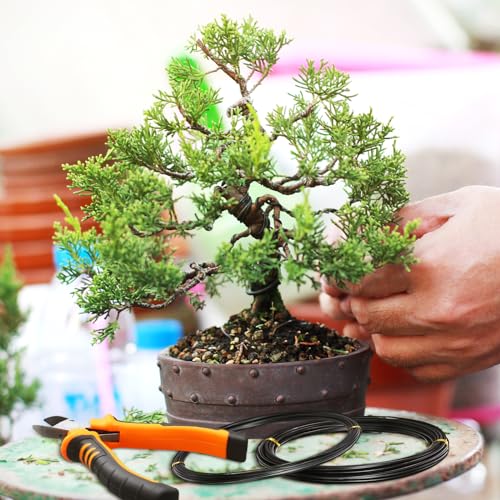
You’ve trimmed your tree, but those branches still won’t sit where you want. You try twist ties, string, even patience. Yet the lines don’t hold. That’s where a well-balanced training wire set shines. With multiple gauges, a dark anodized finish, and a reliable grip, you can guide growth without scarring bark. If you’re shaping junipers, ficus, or small conifers, an all-in-one kit keeps the process simple and tidy. Add a cutter, and you’re ready to wire, tweak, and rewire as your tree matures.

Is Mudder 5 Roll Aluminum Bonsai Training Wire Good?
Yes—especially for beginners and budget-minded hobbyists who still want control. This 5-roll Mudder aluminum bonsai wire set covers the most-used gauges for small branches and young trunks. The anodized finish blends with bark, and the included cutter is a practical touch. I found it easy to coil, firm enough to hold, and forgiving when I needed micro-adjustments.
In my first season wiring a compact juniper, I used the 1.5 mm for primary branches and 1.0 mm for tips. The hold was steady through a windy month without biting into the cambium. On a small ficus, the 2.0 mm helped set the main curve. I removed the wire weeks later with no scarring. For the price, this Mudder wire kit overdelivered.

My First Impression for Mudder 5 Roll Aluminum Bonsai Training Wire
The set arrived neatly coiled, shrink-wrapped, and clearly labeled by gauge. First touch told me the aluminum was soft enough to shape without strain but not flimsy. The dark anodized coating looked clean and even, which helps it disappear on the tree.
Setup was quick. I clipped a clean end with the included cutter, anchored the wire, and wrapped with a steady 45-degree angle. The wire laid flat, hugged the bark, and resisted slippage. My first bends on a shimpaku felt precise. I was honestly relieved—no fight, no kinks, and no chalky coating flaking off. It met my expectations for a training kit and eased my wiring nerves.

What Makes It Stand Out / Key Features
- Five rolls totaling about 160 feet for long-term projects
- Anodized aluminum for a dark, bark-blending finish and corrosion resistance
- Common bonsai gauges (1.0, 1.5, 2.0 mm) for tips, secondaries, and small primaries
- Included bonsai wire cutter for clean, flush cuts
- Soft, pliable metal that’s easy to apply and adjust without bark damage
- Reusable in many cases, depending on your bends and tree growth

What I Like
- Easy to bend and wrap, even for first-time wiring
- Holds shapes on small trunks and branches without cutting in fast
- Dark coating blends in, so your tree—not the wire—gets the spotlight
- Good value per foot, with enough length for multiple trees
- Included cutter saves a trip and makes flush snips simple
- Consistent gauge and finish across rolls, so wraps look tidy

What Could Be Better
- Heavier gauges (2.5–3.0 mm) not included; not ideal for thick, older trunks
- Aluminum won’t match the holding power of copper on very rigid species
- Coils can spring if you pull too fast; steady unwinding works best
My Recommendation
If you’re shaping young trees, refining smaller branches, or learning wiring basics, this Mudder aluminum bonsai wire set is a smart buy. It balances flexibility with hold, keeps your lines clean, and offers enough length to practice without fear. For light to moderate work, it checks the boxes: easy handling, fair price, and a finish that disappears.
| Best for | Why |
|---|---|
| Beginners refining first bonsai | Soft aluminum is forgiving and simple to apply and remove |
| Small to medium branches | 1.0–2.0 mm gauges cover tips, secondaries, and young primaries |
| Budget-conscious hobbyists | Good length per roll and an included cutter add strong value |
Overall, the Mudder training wire kit offers reliable performance and wide usability. It’s easy to find, easy to use, and easy to recommend for everyday shaping.
Alternative Products You Can Consider
Bonsai Aesthetics Aluminum Training Wire Set — A broad-gauge aluminum bundle that often includes heavier sizes up to 3.0 mm. Best for users who need more trunk control on stiffer species while staying with aluminum. It’s typically pricier per foot but adds muscle where you need it.
Wazakura Bonsai Copper Wire — Ideal for serious hobbyists who want maximum holding power and slimmer wraps. Copper bites less at the same strength and is great for conifers, but it has a steeper learning curve. It costs more and is less forgiving than an aluminum kit like Mudder’s.
HSeaMall Bonsai Training Wire Kit — A value-focused aluminum option with multiple gauges. Good for beginners who want extra length at a low price. Finish and consistency can vary, but it’s a workable alternative if budget rules the day.
| Product | Best For | Key Difference |
|---|---|---|
| Reviewed Mudder 5‑roll aluminum wire kit | Everyday shaping and beginners | Balanced gauges, easy handling, strong value with cutter |
| Bonsai Aesthetics Aluminum Training Wire Set | Users needing heavier gauges | Includes thicker sizes for tougher bends |
| Wazakura Bonsai Copper Wire | Advanced users and conifer styling | Higher hold strength, thinner wraps, higher cost |
| HSeaMall Bonsai Training Wire Kit | Budget beginners | Good length per dollar; finish may vary |
Final Verdict: Which Should You Buy?
If you want simple, gentle control for small to medium branches, the Mudder wire kit delivers. It’s easy to use, hides well on bark, and includes a cutter to get you started fast. For most hobbyists, it strikes the right balance of price, length, and performance.
If you plan heavy bends on older trunks but prefer aluminum, look to a set with thicker gauges, like Bonsai Aesthetics. If you need maximum hold and already have wiring experience, Wazakura copper wire shines for conifers and precise lines. Choose based on your tree size, wood rigidity, and comfort level.
FAQs Of Mudder 5 Roll Aluminum Bonsai Training Wire
Can I reuse the wire after removing it?
Often, yes. If the wire isn’t kinked or overworked, you can straighten and reuse it. Expect the most reuse from light to moderate bends.
Which gauge should I use for small branches?
Start with 1.0 mm for fine tips and 1.5 mm for small secondaries. Use 2.0 mm for young primaries or modest trunk movement.
Will the coating damage my tree?
The anodized coating is smooth and gentle. Apply with even tension and check weekly during active growth to prevent biting.
Is aluminum strong enough for old, thick trunks?
For very rigid wood, aluminum may struggle. You might need thicker aluminum (2.5–3.0 mm) or switch to copper for stronger hold.
How long should I leave the wire on?
It depends on species and season. In many cases, 4–12 weeks is enough. Check often; remove or adjust at the first sign of wire bite.
