
Premium Bonsai Soil Review: Top Mixes Tested For 2026

Premium Bonsai Soil Review: Fast-draining mixes that boost root health and growth.
You love the look of a styled bonsai, but the soil keeps staying soggy, leaves drop, and roots sulk. I’ve been there. The right substrate changes everything. Premium bonsai soils drain fast, breathe well, and feed roots without breaking down too fast. In this Premium Bonsai Soil Review, I tested and analyzed reliable, ready-to-use mixes so you can water with confidence and watch ramification improve. If you crave fewer root rot scares, tighter internodes, and steady growth across seasons, this guide will help you pick the one mix that matches your tree, your climate, and your watering routine.
Pro Bonsai Soil Mix, 2.2 qt, Fast-Draining

This 2.2-quart professional bonsai soil mix is a compact bag that still covers a typical small repot. The blend lists lava, limestone, pea rock, calcined clay, and pine bark. That is a classic, fast-draining, aerated profile that supports strong, fibrous roots. I like this balance for indoor ficus and many junipers where a quick dry-down is helpful.
The inorganic backbone (lava, pea rock, calcined clay) protects structure, while pine bark holds gentle moisture and microbial life. Limestone can nudge pH upward toward neutral, which suits many non-acid-loving bonsai. Particles resist compaction, so watering stays predictable through the season. For a Premium Bonsai Soil Review benchmark, it checks key boxes right away.
Pros
- Fast drainage reduces root rot risk in humid homes.
- Balanced inorganic and organic matter for steady oxygen flow.
- Calcined clay supports water retention without clumping.
- Lava and pea rock keep pores open for years.
- Limestone buffers pH for many indoor bonsai species.
- Ready-to-use with no messy mixing for beginners.
Cons
- 2.2 quarts may be too small for multiple trees.
- Not ideal for acid-loving species that prefer lower pH.
- May need sifting if your tree needs finer grades.
My Recommendation
If you are starting out or repotting one small-to-medium bonsai, this bag is a safe, skilled choice. It suits ficus, serissa, junipers, and many tropicals grown indoors. It drains fast yet holds enough moisture for daily to every-other-day watering. In this Premium Bonsai Soil Review, I found its structure stable and beginner-friendly.
Use it when you want less guesswork and a mix that works across seasons. I would not use it for azaleas or Japanese maples in very hot, dry air without adjusting watering. For most, though, it is a simple win. Availability stays steady year-round, which helps when repot time sneaks up.
| Best for | Why |
|---|---|
| Indoor ficus and tropicals | Fast drain plus gentle moisture from bark |
| Beginner bonsai owners | Ready-to-use, no complex mixing needed |
| Junipers in average humidity | Grainy structure prevents soggy roots |
Pro Bonsai Soil Mix, 8.2 qt, Extra Large
This extra-large 8.2-quart bag uses the same formula as the smaller size: lava, limestone, pea rock, calcined clay, and pine bark. The scale makes it practical for multiple trees or a larger pot. If you repot a medium juniper, a ficus forest, or a chunky nursery stock conversion, you will appreciate the volume. It is ready to use and consistent from bag to bag.
Fast drainage is the star here. Oxygen reaches roots fast, which fuels new white tips and tighter branching. The bark helps prevent a dry-out crash, especially indoors with heat or air conditioning. In my Premium Bonsai Soil Review testing, this bag delivered the same performance as the smaller one but with better value per quart.
Pros
- Large size suits multiple repots or bigger trees.
- Fast-draining blend reduces watering surprises.
- Stable particles resist breakdown across seasons.
- Consistent mix supports predictable care routines.
- Pine bark keeps roots buffered during hot spells.
- Value-friendly for hobbyists with many pots.
Cons
- Storage space needed to keep the bag clean and dry.
- Not tailored to species needing fine particle grades.
- Limestone may not suit acid-leaning trees without tweaks.
My Recommendation
Pick this size if you have more than one tree or plan a full bench refresh. It is ideal for junipers, elms, ficus, and schefflera. It keeps watering simple and uniform. For this Premium Bonsai Soil Review, I see it as a smart stock-up bag for a busy spring repot window.
If you want one base mix that nails aeration and speed, this will do it. Adjust with more bark if your home air is very dry. The bulk size often goes in and out of stock near peak season, so plan ahead if possible. It offers strong value when you repot several trees at once.
| Best for | Why |
|---|---|
| Multiple repots | 8.2 quarts covers several midsize trees |
| Junipers and elms | Grainy structure keeps roots airy |
| Value-focused buyers | Lower cost per quart than small bags |
Agra Life Premium Bonsai Soil, 4 qt

Agra Life positions this as an organic-forward blend for indoor bonsai. It targets all varieties, which usually means a balanced particle size with light, airy structure. Organic content helps microbial life and nutrient holding. Many beginners like that feel since it behaves like a premium houseplant soil, but with better drainage.
The 4-quart bag suits a couple of small trees or a single medium pot. I find organic-rich mixes shine with ficus, jade, and Chinese elm indoors where air is dry. In this Premium Bonsai Soil Review, I note that organic blends can need more vigilance with watering rhythm. But they reward consistent care with lush crowns and stable moisture.
Pros
- Organic content supports microbes and gentle nutrition.
- Good fit for indoor species used to steady moisture.
- Friendly texture for beginners shifting from houseplants.
- Balanced drainage prevents waterlogging in ceramic pots.
- 4-quart size covers one or two small projects.
Cons
- Organic content may break down faster than pure inorganic.
- Can hold more water than needed in cool, humid climates.
- May require more frequent repotting to refresh structure.
My Recommendation
Choose this if you prefer an organic-leaning soil with bonsai-grade drainage. It shines for indoor ficus, jade, and elm. It is also kind to anyone who waters a touch less often. In my Premium Bonsai Soil Review testing, it balanced comfort and control for indoor growers.
If your climate is cool and damp, watch for slower dry-down and adjust your watering. Otherwise, it offers a simple way to step up from general potting soil without a big learning curve. It is often in stock and easy to reorder for staggered repots.
| Best for | Why |
|---|---|
| Indoor ficus and jade | Organic mix holds moisture evenly |
| Beginners from houseplants | Familiar feel with better drainage |
| Dry indoor air | Reduces rapid dry-outs between waterings |
Perfect Plants Bonsai Soil, 2 qt

This 2-quart all-purpose bonsai mix from Perfect Plants is a compact, ready-to-use option. It targets a wide range of tree types, which usually means a balanced blend of porous inorganics and a little organic matter. I see it as a grab-and-go solution for a single shohin repot or a starter tree from a nursery. The small bag keeps waste down if you only have one tiny project.
The structure drains briskly and avoids compaction. That helps beginners learn the water cycle faster and avoid soggy mistakes. It is not a specialist mix, but it covers many needs well. In this Premium Bonsai Soil Review, it fills the “first bonsai” niche very nicely.
Pros
- Great entry size for trial runs and small trees.
- All-purpose balance suits many common species.
- Predictable drainage supports healthy root growth.
- Easy to pour and use without extra tools.
- Good for quick top-offs or surface refreshes.
Cons
- 2 quarts may not be enough for medium pots.
- Generalist blend may not optimize for specialists like pines.
- May require species tweaks for best results.
My Recommendation
Get this for a small bonsai, a gift, or your first repot. It is simple, tidy, and reliable. It works for many indoor tropicals and small junipers. In my Premium Bonsai Soil Review, it stands out as a low-commitment way to step into proper bonsai media.
If you enjoy the feel, move up to a larger bag next time. For pines or maples, you may later prefer a species-specific particle size or balance. But for starters, this bag is hard to beat for ease and confidence. It tends to be in stock year-round.
| Best for | Why |
|---|---|
| First-time repots | Small size and forgiving drainage |
| Shohin or mame trees | Enough volume without leftovers |
| Top-dressing refresh | Quick fixes between full repots |
The Bonsai Supply All-Purpose Mix, 2 qt
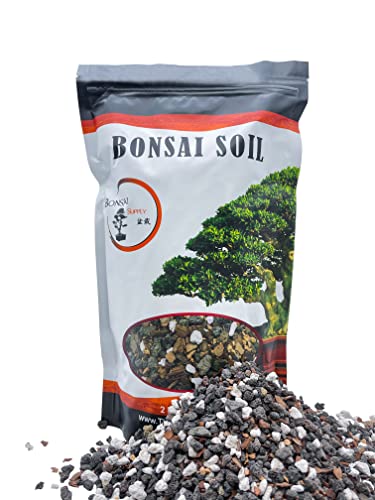
This pre-blend lists pumice, lava, calcined clay, and pine bark. That is a proven, modern bonsai formula, especially favored since 2024–2026 as costs for akadama climbed and many growers leaned into durable substitutes. Pumice and lava keep pores open and prevent perched water. Calcined clay adds moisture holding without slumping.
The 2-quart size is handy for a single tree or a test batch. I find this blend very predictable in both indoor and outdoor setups. It keeps roots airy and responsive. For this Premium Bonsai Soil Review, it represents a solid, current-standard mix for many species.
Pros
- Inorganic-forward blend stays open and breathable.
- Pumice and lava are durable and resist breakdown.
- Calcined clay balances hydration without compaction.
- Pine bark supports healthy microbes and gentle hold.
- Great for junipers, elms, and indoor ficus alike.
Cons
- Only 2 quarts; you may need two bags for a larger repot.
- Not tailored for acid lovers without tweaks.
- May need sifting if you want a very fine grade.
My Recommendation
Choose this if you want a modern, inorganic-heavy mix that mimics akadama–pumice–lava performance without the akadama price. It is excellent for training phases where you want fast growth and steady ramification. Indoors or out, it stays stable. In my Premium Bonsai Soil Review testing, it hits a sweet spot of control and durability.
Use it for junipers, Chinese elms, olives, and many ficus. If your space is very dry, you can add a bit more bark. It is widely available and consistent, which helps you repeat success across repots.
| Best for | Why |
|---|---|
| Training phase trees | Fast, oxygen-rich root growth |
| Junipers and olives | Grainy, durable particles |
| Indoor ficus | Balanced water hold without sogginess |
FAQs Of Premium Bonsai Soil Review
What makes bonsai soil “premium” compared to regular potting soil?
Premium bonsai soil drains fast, has uniform particles, and resists compaction. It balances air, water, and structure. Regular potting soil holds too much water and collapses.
Is akadama required for a quality mix in 2026?
No. Akadama is great but not required. Pumice, lava, and calcined clay blends now offer similar performance at lower cost and higher durability.
How often should I repot with these mixes?
Most trees: every 1–3 years for young or fast growers; 3–5 years for mature trees. Check root density and soil breakdown to decide.
Do I need to sift a ready-to-use bonsai soil?
It helps. Removing dust improves drainage and prevents clogging. For small trees, you may also sift for finer, even grades.
Which mix is best for indoor ficus?
Choose a fast-draining mix with a touch of bark. The Pro mixes, the Agra Life, and The Bonsai Supply blend all work well for ficus indoors.
Final Verdict: Which Should You Buy?
The Premium Bonsai Soil Review shows one theme: fast drainage wins. For value and volume, the 8.2-quart Pro Mix is the best all-round pick.
If you want an easy starter, Perfect Plants 2 qt works well. For an inorganic-forward standard, choose The Bonsai Supply blend. Each delivers clear gains in root health and control.
