
Choosing the right species is the biggest decision you make as a bonsai grower. Pick a tree that suits where you live and where you can keep it, and care becomes much easier. Here are the species most growers start with.
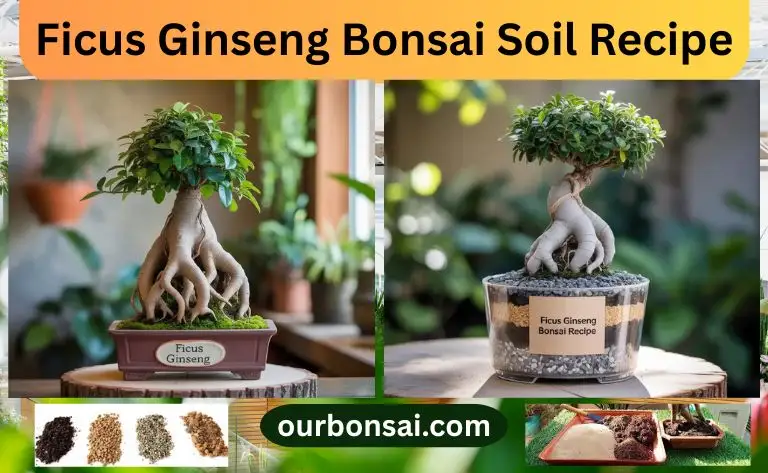


Ficus (Ficus retusa, Ficus microcarpa “Ginseng”)
Best for: indoors. Difficulty: easy.
Ficus is the classic beginner’s indoor bonsai. It tolerates lower humidity and the occasional missed watering, grows quickly and responds well to pruning. Give it bright light and keep it above about 15°C (60°F).
Guides: ficus bonsai, Golden Gate ficus care.
Juniper (Juniperus)
Best for: outdoors. Difficulty: easy to moderate.
Junipers are tough, take wiring well and are among the most popular bonsai in the world. They must live outdoors in full sun. A juniper kept indoors will slowly decline, even if it looks fine for a few months.
Guides: juniper bonsai, Japanese juniper care, juniper styles for beginners.
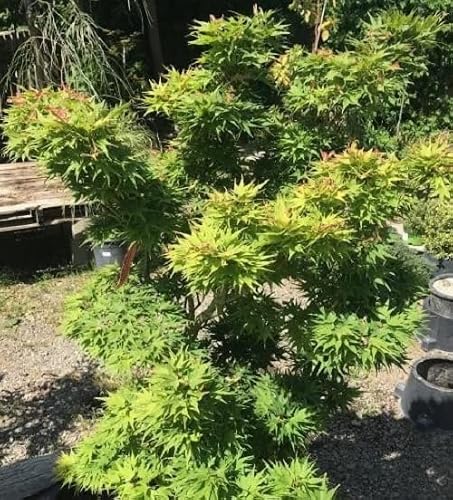
Japanese maple (Acer palmatum)
Best for: outdoors. Difficulty: moderate.
Prized for delicate leaves and spectacular autumn color. Japanese maples need a cold winter rest, shade from hot afternoon sun and protection from drying wind.
Guides: Japanese maple bonsai, Japanese maple styles.
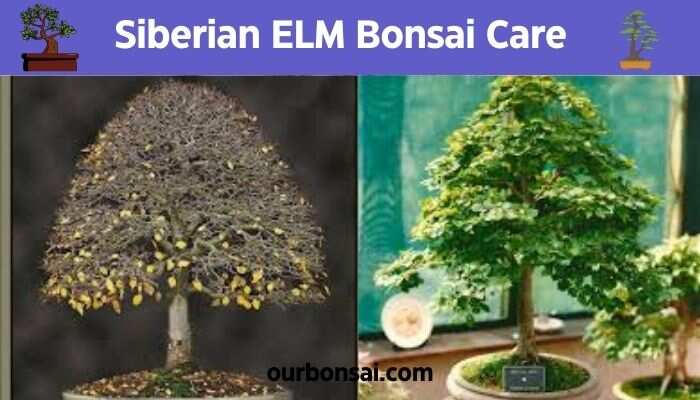
Chinese elm (Ulmus parvifolia)
Best for: outdoors, or indoors in a very bright spot. Difficulty: easy.
Small leaves, fine branching and a forgiving nature make Chinese elm one of the best all-round beginner trees.
Guides: elm bonsai.
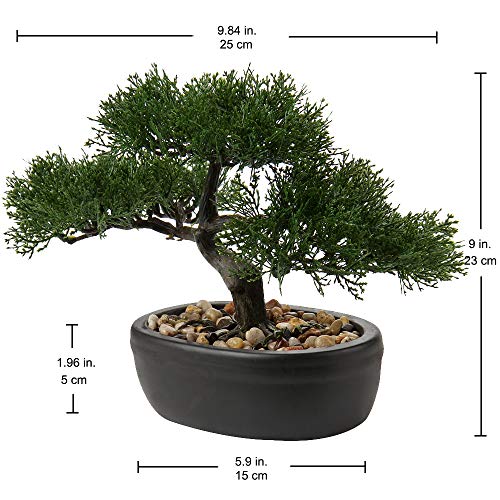
Pine (Pinus)
Best for: outdoors. Difficulty: moderate to advanced.
Pines such as Japanese black pine are traditional bonsai subjects, but they need specific seasonal techniques like candle pruning. They are best tackled once you are comfortable with an easier species.
Guides: pine bonsai.
More species
Browse every species we cover in our bonsai species section, or read types of bonsai to understand the main groups.