
Bonsai Nutrients And Soil: 2026 Care Guide

Healthy bonsai need the right nutrients and a fast-draining soil mix.
You can shape a bonsai like a tiny forest in your home, but the real magic happens below the surface. If your tree’s leaves look tired, growth is slow, or roots smell sour, the issue often points to soil and feeding. I’ve tested many blends and feeding routines over the years, and I’ve learned that Bonsai Nutrients And Soil make or break the tree. The right mix drains fast, holds air, and still buffers moisture. The right feed gives steady growth without salt burn. In this review, I’ll break down the best options, explain when to use them, and help you pick a setup that fits your tree, your climate, and your schedule.
The Bonsai Supply All-Purpose Bonsai Soil, 2-Qt
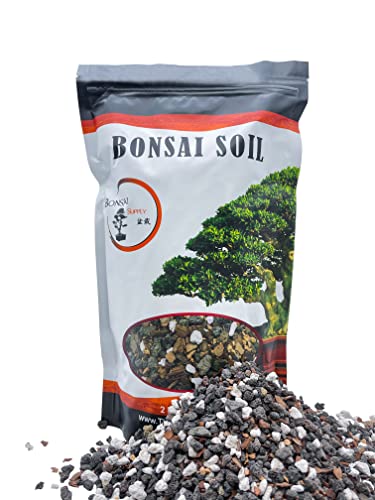
This pre-mix blends pumice, lava, calcined clay, and pine bark to hit that sweet spot of drainage and moisture. It moves water fast while keeping thin feeder roots safe from rot. The particle size is even, which helps airflow and reduces compaction. It’s a strong pick when you want a ready-to-use base for both indoor and outdoor bonsai.
In my hands, this mix shines with juniper, pine, elm, ficus, and many tropicals. The pine bark adds a mild organic buffer that improves cation exchange and holds nutrients a bit longer. The mineral backbone resists breakdown, so you get stable structure through a full season. Pair this with a balanced feeding plan and you’re set.
Pros
- Fast draining with excellent aeration
- Balanced mineral and organic blend for root health
- Even particle size reduces compaction and fungus risk
- Works across many species and climates
- Ready to use right out of the bag
- Great base for custom tweaks with akadama or more bark
Cons
- 2-quart bag may be small for larger repot projects
- Pine bark fraction may need more feed in heavy rain areas
- Not a pure inorganic mix for those who avoid organics
My Recommendation
If you want a safe, do-it-all base that supports steady growth, this mix is a smart buy. I like it for newer growers who want simple, repeatable results. It works well with most feeding routines, from slow-release pellets to dilute liquids. For Bonsai Nutrients And Soil synergy, use this with a balanced NPK in the growing months and a lighter feed when growth slows.
Use this when you need to improve drainage fast or after you rescue a plant from soggy potting soil. It gives roots room to breathe and rebuild. If your climate is dry, top-dress with sphagnum or add 10% more bark to hold surface moisture.
| Best for | Why |
|---|---|
| Beginners seeking a reliable base | Balanced blend, forgiving moisture window |
| Overwatered trees in recovery | Fast drainage and high oxygen for root repair |
| Mixed species collections | Plays well with conifers and tropicals alike |
Perfect Plants Bonsai Soil, 8-Qt

This larger bag targets growers with several trees or one big repot. The mix is crafted in small batches, which helps with consistency from bag to bag. It drains well yet does not dry out too fast indoors. I’ve had good luck with ficus, jade, and serrissa in this blend.
The particle mix supports strong nebari and fine feeder roots. It pairs well with slow-release fertilizer pellets because it leans slightly on the inorganic side. That makes feeding easy to predict. If you want one bag to handle a season of work, this 8-quart size is cost smart.
Pros
- Generous 8-quart volume for multiple trees
- Small-batch consistency and quality control
- Good indoor moisture retention without sogginess
- Ideal for slow-release pellets or liquid feeds
- Stable structure that resists crushing and fines
- Great all-rounder for ficus and other tropicals
Cons
- May feel a bit moisture-holding for some conifers
- Not the cheapest per quart compared to DIY blends
- Bag size can be bulky to store in small spaces
My Recommendation
Choose this if you need volume, consistency, and a set-and-forget routine. It fits busy schedules and indoor care. For Bonsai Nutrients And Soil planning, add a gentle, balanced fertilizer during the growing season and flush monthly to prevent salt buildup. That keeps leaf tips clean and growth smooth.
If you grow tropicals under lights or in a warm window, this feels right. For pines or junipers, add 10–20% extra lava or pumice to speed drainage in rainy seasons.
| Best for | Why |
|---|---|
| Multi-tree owners | 8 quarts covers several repots |
| Indoor tropical bonsai | Moisture buffer suits stable indoor climates |
| Fertilizer pellets users | Predictable release and minimal compaction |
Perfect Plants Bonsai Soil, 2-Qt

This 2-quart size is perfect for a small bonsai or top-offs. It keeps the same drainage-forward recipe as the 8-quart bag. If you’re testing a new brand or you only need a bit, this size is risk free. It’s easy to store and stays fresh when sealed.
I’ve used it to refresh the top inch of soil to improve airflow and reduce algae. That small change can help prevent fungus gnats. For full repots, the structure keeps roots from matting tight. It’s a handy size for first-time growers buying Bonsai Nutrients And Soil on a budget.
Pros
- Right-sized bag for one small tree or touch-ups
- Good drainage and root oxygen
- Clean, consistent particles for easy wiring and repotting
- Works with both liquid and pellet feeds
- Stores well without clumping
- Budget-friendly entry into premium mixes
Cons
- Not enough volume for medium to large trees
- May need a second bag for a full root reduction
- Per-quart cost higher than bigger bags
My Recommendation
Pick this when you need a tidy, reliable mix for a single project. It’s ideal for top-dressing, small repots, or trial runs. Feed with a mild, frequent liquid program to match the drainage. For complete Bonsai Nutrients And Soil care, add trace elements once a month during peak growth.
If you’re new to bonsai, this is a smart, low-commitment buy. You learn how a premium mix behaves before scaling up.
| Best for | Why |
|---|---|
| First-time buyers | Low cost and easy to test |
| Top-dressing fixes | Boosts airflow and reduces algae |
| Small bonsai repots | Enough volume with consistent structure |
Professional Bonsai Soil Mix, 8.2-Qt

This “ready to use” pro blend includes lava, limestone, pea rock, calcined clay, and pine bark. The recipe targets fast drainage with a touch of buffering. The limestone raises pH slightly, which some species, like olives and junipers, can appreciate. The heft of the particles also helps anchor wired trees during styling.
Structurally, it behaves like a classic akadama-pumice-lava stand-in while using accessible components. Calcined clay soaks and releases moisture in a gentle cycle. Pine bark adds a mild organic site for microbes. It’s a rugged, outdoor-friendly mix for growers who water often.
Pros
- Very fast drainage for conifers and Mediterranean species
- Heavy particles stabilize trees in shallow pots
- pH-raising limestone suits species that dislike acid
- Holds structure over long, wet seasons
- Performs well in rain and wind
- Great foundation for advanced wiring and styling
Cons
- May dry too quickly in hot, arid indoor setups
- Not ideal for acid-loving species without adjustment
- Heavier bag is less portable for apartment growers
My Recommendation
If you keep juniper, pine, olive, or bougainvillea outdoors, this is a strong choice. It gives roots oxygen and drains fast after storms. For Bonsai Nutrients And Soil balance, feed a bit more often, as high-drain mixes do not hold nutrients as long. A slow-release pellet program with monthly flushes works well here.
For acid-loving trees, mix in some akadama or a more neutral mineral to offset limestone. That tweak can open the door to maples or azaleas in a pinch.
| Best for | Why |
|---|---|
| Outdoor conifers and olives | Fast drainage and slight pH lift |
| Windy or rainy climates | Stable structure and quick dry-down |
| Advanced styling work | Heavier particles for secure tie-downs |
Professional Bonsai Soil Mix, 2.2-Qt
This smaller bag mirrors the 8.2-quart pro blend, but it’s sized for one or two trees. It’s perfect if you want to test a limestone-influenced recipe. As with the larger bag, expect brisk drainage and a firm, stable structure. It’s well-suited for training pots and shallow slabs.
I like it for rescue jobs where roots sat wet and need air. It helps rebuild fine root tips without the soup of peat-heavy mixes. With good watering habits, it creates a safer environment for sensitive conifers. It is a solid part of any Bonsai Nutrients And Soil strategy when recovery is the goal.
Pros
- Great trial size for the pro blend
- Quick drainage supports root recovery
- Stable particles for secure wiring
- Pairs with frequent, light feed programs
- Easy to store for apartment growers
- Ideal for one focused repot or two small trees
Cons
- Not enough volume for collection-wide repots
- Limestone content may not suit acid-preferring species
- Requires attentive watering in hot, dry weather
My Recommendation
Reach for this when you need a fast, clean base for a single conifer or olive. It shines in rehab and in windy patios where pots dry fast. For Bonsai Nutrients And Soil care, set a regular liquid feed at half strength, weekly in peak growth. That keeps energy up without salt stress.
If your trees like more acidity, blend with akadama or a neutral calcined clay to dial in pH. This bag lets you fine-tune without overbuying.
| Best for | Why |
|---|---|
| Single-tree conifer projects | Fast-draining, stable structure |
| Root recovery and rehab | High oxygen for new feeder roots |
| Small patios and balconies | Compact bag, easy to store |
How to choose Bonsai Nutrients And Soil in 2026
Great bonsai start with roots. Roots need air, water, and food in balance. The soil must give all three, not just one. Here is how I match a mix to a tree and a climate.
Match particle size to species and pot depth
Fine particles hold more water. Coarse particles drain faster. Shallow pots dry quicker than deep pots. Use a finer grade for small shohin or water-loving species like maples. Use a coarser grade for junipers, pines, and olives.
Balance inorganic and organic content
Inorganic media like pumice, lava, and calcined clay keep structure open. They help with drainage and oxygen. Organics like pine bark boost nutrient holding and micro-life. If you water often, go more inorganic. If your indoor air is dry, add a touch more bark.
Know your water and pH
Hard water can raise pH over time. Limestone in soil can do the same. Acid lovers like azalea want a lower pH. If your tap is hard, choose mixes without limestone and use rain or filtered water when you can.
Think about your schedule
Fast-draining mixes need more frequent watering. If you work long hours, pick a mix with a bit more bark. That gives you a margin for a hot day. If you are home to water twice a day in summer, go for more mineral content.
Make feeding simple and steady
Bonsai Nutrients And Soil work best when feeding is regular and gentle. Use a balanced NPK like 3-3-3 to 6-6-6 during growth. Switch lower nitrogen late in the season, especially for temperate trees. Add micronutrients once a month in active growth.
Fertilizer guide for Bonsai Nutrients And Soil
Healthy feeding is a rhythm, not a rush. Roots prefer a steady drip of nutrients, not a flood. Keep it simple, and your tree will show tight internodes and rich color.
Choose a form that fits your routine
- Slow-release pellets: Easy and steady. Replace every 6–8 weeks in warm months.
- Liquid feed: Fast response. Use at half strength, weekly in growth.
- Organic cakes: Gentle release and micro-life support. Replace as they break down.
Tune by season
- Spring push: Balanced NPK supports buds and shoots.
- Mid-summer: Keep balanced. Watch salts. Flush monthly.
- Late season: Reduce nitrogen. Aim for stronger wood and color.
- Winter: Temperate trees rest. Stop or reduce feeding.
Watch the signs
- Yellow new leaves: Often iron or nitrogen shortfall.
- Burned tips: Too much salt or poor flushing.
- Long internodes: Too much nitrogen or low light.
- Pale color: Feed a little more or improve light.
Repotting steps that protect roots
Repotting is surgery. Prepare, work clean, and move with care. Your Bonsai Nutrients And Soil choice sets the table for recovery.
- Water the day before. Roots are easier to handle when hydrated.
- Comb out the bottom mat of roots. Remove circling roots.
- Prune up to one third of the mass if the tree is strong and in season.
- Add a drainage layer if your pot needs it. Not always required with modern mixes.
- Sift your soil to remove dust. Dust clogs air spaces.
- Work soil into roots with a chopstick. Remove air pockets.
- Secure the tree with wire. Stability prevents root damage.
- Water until runoff is clear. Place in shade for a week to recover.
Common mistakes and quick fixes
Even pros make slips. The win is fixing them fast. Use these checks when things go sideways.
- Soggy soil after a day: Increase mineral content; add pumice or lava.
- Chlorosis in new leaves: Add chelated iron; check pH and salts.
- Fungus gnats: Top-dress with dry grit; reduce surface moisture; use sticky traps.
- Salt crust on soil: Flush with clean water monthly; reduce fertilizer rate.
- Roots too hot: Shade the pot; mulch the surface; water in the morning.
Species notes for smarter soil choices
Not all trees drink or breathe the same way. Aim your Bonsai Nutrients And Soil to the species, and care gets easier.
- Juniper and pine: Prefer very free-draining, more mineral soil. Feed lighter but steady.
- Maple and elm: Enjoy moderate moisture. Use a bit more bark or akadama-like clay.
- Ficus and jade: Tolerate drier cycles. Good with mineral mixes; avoid soggy organics.
- Azalea: Need acidic soil. Avoid limestone. Use kanuma or keep pH low.
- Olive and bougainvillea: Love heat and fast drain. Limestone is often fine.
Watering with confidence
Soil and water are partners. You cannot set one and forget the other. The right Bonsai Nutrients And Soil gives you a broad safe zone, but you still must read the tree.
- Use the chopstick test. If it feels cool and damp an inch down, wait.
- Water until it streams from the holes. Partial watering breeds weak roots.
- In heat waves, water early and late. Mist foliage for humidity if the species likes it.
- Use rain or filtered water if salts build fast in your area.
Storage and hygiene tips
Keep your soil clean and dry. Moist bags can grow mold and smell. Store in sealed bins with a desiccant pack. Sift before use to keep dust down. Clean tools between trees to prevent disease spread.
Budgeting for Bonsai Nutrients And Soil
Premium mixes cost more up front but save trees and time. You can cut costs by buying larger bags or blending your own. Still, I advise new growers to start with a proven pre-mix. It reduces risk while you learn watering and feeding rhythm.
FAQs Of Bonsai Nutrients And Soil
Do I need different soil for indoor and outdoor bonsai?
Often yes. Indoors, use a bit more moisture-holding content. Outdoors, favor faster drainage, especially in rain.
How often should I fertilize bonsai in fast-draining soil?
Use half-strength liquid weekly in growth, or slow-release pellets every 6–8 weeks. Flush with plain water monthly.
Can I use regular potting soil for bonsai?
I don’t recommend it. It compacts and holds too much water. Bonsai need fast drainage and high oxygen.
What pH is best for most bonsai?
Most trees do well around pH 6.0–6.5. Azalea prefer more acidic. Olives tolerate higher pH.
How do I know when to repot?
If water sits on the surface, roots circle the pot, or growth stalls, it’s time. Early spring is common for many species.
Final Verdict: Which Should You Buy?
The Bonsai Supply 2-Qt is my safe, all-purpose pick. It balances air, water, and food, and pairs well with simple Bonsai Nutrients And Soil routines.
Need volume for several trees? Choose Perfect Plants 8-Qt. For conifers outdoors, the Professional Mix 8.2-Qt drains fast and stays stable. Smaller 2-Qt and 2.2-Qt bags are perfect for tests, top-ups, and single repots.