
Why Is Growing a Bonsai Tree So Much Fun?
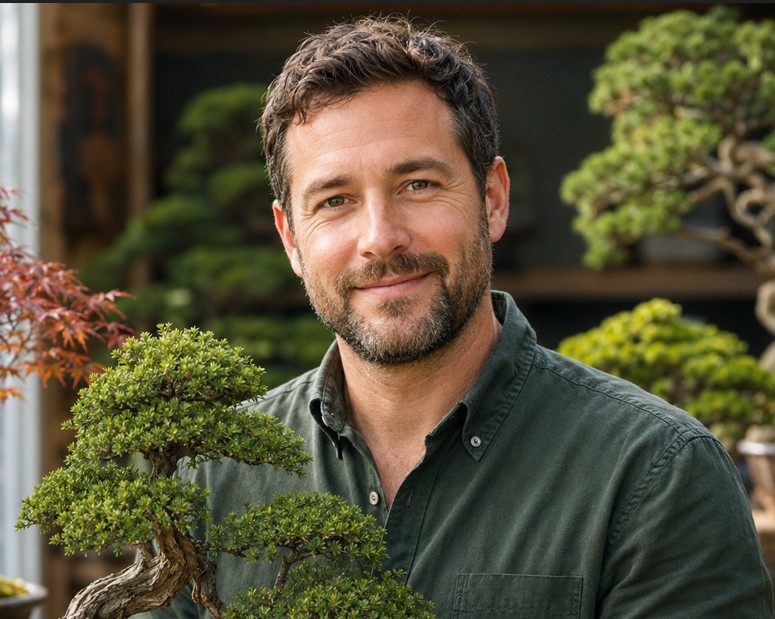
Growing a bonsai tree is much more than keeping a miniature plant in a decorative pot. It is a creative activity, a calming daily ritual, and a rewarding opportunity to work closely with nature.
I’m Ethan Green, a bonsai enthusiast and gardening writer. Over the years, I have explored different bonsai species, pruning techniques, soil mixtures, tools, and everyday care practices. One thing has always remained clear to me: growing bonsai is incredibly enjoyable because every tree presents a new challenge, a new lesson, and a new opportunity to create something meaningful.
Unlike many hobbies that deliver instant but temporary satisfaction, bonsai becomes more rewarding over time. You watch a small tree respond to your care, gradually develop its structure, and mature into a living work of art.
So, why is growing a bonsai tree so much fun? Let’s explore the reasons this fascinating hobby continues to attract gardeners, artists, collectors, and complete beginners around the world.
1. Every Bonsai Tree Becomes a Living Work of Art
One of the most enjoyable parts of growing bonsai is the opportunity to be creative.
A bonsai tree does not arrive with a finished appearance. You help determine its future form by choosing which branches to keep, which shoots to prune, and how the overall structure should develop.
You can shape a bonsai into several traditional styles, including:
- Formal upright
- Informal upright
- Slanting
- Cascade
- Semi-cascade
- Windswept
- Broom
- Forest or group planting
Each style tells a different visual story.
For example, a windswept bonsai may resemble a mature tree that has survived years of strong coastal winds. A cascade-style bonsai can look like a tree growing over the edge of a mountain cliff. A formal upright bonsai creates a sense of strength, order, and balance.
The exciting part is that no two bonsai trees are exactly alike. Even trees of the same species can develop completely different personalities based on their trunks, branches, roots, and growing conditions.
2. Bonsai Gives You a Relaxing Break from a Busy Life
Modern life often feels rushed. We move between work, study, family responsibilities, social media, and countless daily tasks. Bonsai encourages us to slow down.
When I inspect a bonsai tree, I naturally become more focused on the present moment. I look at the moisture in the soil, examine the leaves, check new growth, and notice small changes that might otherwise be overlooked.
This quiet concentration can make bonsai care feel almost meditative.
Common bonsai activities that many people find relaxing include:
- Watering the tree carefully
- Removing damaged or yellow leaves
- Checking the soil surface
- Cleaning the pot
- Trimming small shoots
- Observing new buds
- Adjusting the tree’s position for better light
These tasks do not need to take hours. Even spending five or ten focused minutes with a bonsai can provide a peaceful break from a stressful day.
Bonsai does not eliminate life’s pressures, but it gives you a healthy and productive way to step away from them for a moment.
3. You Can See the Results of Your Care
Growing bonsai is fun because your actions produce visible results.
When you provide the right amount of sunlight, water, fertilizer, and seasonal care, your tree usually responds through healthier foliage, stronger roots, and balanced growth.
The progress may be gradual, but that makes each improvement more satisfying.
You might notice:
- New buds appearing after pruning
- Smaller leaves developing through proper care
- A branch slowly moving into position
- The trunk becoming thicker
- Surface roots becoming more visible
- The canopy becoming denser and more balanced
- Flowers or fruit appearing on certain species
These moments create a strong sense of achievement. You are not simply looking at a decorative object. You are supporting a living tree that changes because of your decisions and care.
4. Bonsai Teaches Patience Without Feeling Boring
Bonsai is often associated with patience, but that does not mean nothing happens.
A healthy bonsai changes continuously. New leaves appear, branches extend, roots grow, and seasonal colors develop. The process is slow enough to teach patience but active enough to keep you interested.
Some tasks provide quick results. Removing an unnecessary branch can immediately improve the tree’s appearance. Other goals, such as thickening the trunk or developing fine branches, may require several growing seasons.
This combination of short-term improvements and long-term development makes bonsai especially engaging.
| Bonsai Activity | When You May Notice Results | Why It Is Enjoyable |
|---|---|---|
| Removing unwanted shoots | Immediately | The structure looks cleaner |
| Pruning new growth | Within weeks or months | New branching may develop |
| Wiring a branch | Gradually over several months | You guide the tree’s shape |
| Repotting | During the following growing period | Root health and growth may improve |
| Trunk development | Over several years | The tree gains maturity and character |
| Canopy refinement | Over multiple seasons | The design becomes more realistic |
Bonsai teaches you to appreciate progress rather than demand immediate perfection.
5. There Is Always Something New to Learn
Bonsai is a hobby that can remain interesting for a lifetime because there is always another skill to develop.
Beginners usually start by learning basic watering, positioning, and pruning. As their confidence grows, they may explore root pruning, wiring, repotting, propagation, advanced styling, and seasonal maintenance.
You can also learn about many different species, such as:
- Ficus
- Juniper
- Chinese elm
- Japanese maple
- Jade
- Azalea
- Pine
- Serissa
- Boxwood
- Bougainvillea
Each species behaves differently. A tropical ficus does not require exactly the same care as an outdoor juniper. A flowering azalea has different needs from a pine bonsai.
This variety keeps the hobby fresh. Every tree becomes a new learning experience.
6. Bonsai Helps You Connect with Nature
You do not need a large garden to enjoy a meaningful connection with nature.
A bonsai tree can bring the beauty of a landscape into a small space. Its trunk resembles a mature tree, its branches create the appearance of a full canopy, and its exposed roots can suggest stability and age.
People can enjoy bonsai in:
- Apartments
- Balconies
- Small patios
- Rooftop gardens
- Courtyards
- Home gardens
- Bright indoor spaces suitable for tropical species
However, it is important to remember that not every bonsai is an indoor plant. Many traditional bonsai species are outdoor trees and need natural seasonal changes.
Part of the fun is learning what your particular tree needs and creating an environment where it can thrive.
7. Each Tree Has Its Own Personality
One reason I never become bored with bonsai is that every tree has a different character.
Some trees have thick, powerful trunks. Others have elegant curves or unusual surface roots. One tree may naturally suit an upright design, while another appears more convincing as a slanting or cascade bonsai.
Rather than forcing every tree into the same shape, bonsai teaches you to observe its existing features.
Ask yourself:
- Where is the strongest trunk line?
- Which branch creates the most balance?
- Does the tree look powerful, graceful, aged, or wild?
- Which viewing angle shows the roots most effectively?
- What natural landscape could this tree represent?
Answering these questions is part gardening and part artistic interpretation. That creative problem-solving makes bonsai highly enjoyable.
8. Bonsai Can Become a Personal Record of Time
A bonsai tree can stay with you for many years when it receives proper care. As a result, it may become connected to important periods and memories in your life.
You may remember when you first bought the tree, completed its first major pruning, repotted it successfully, or saw it produce flowers for the first time.
Some people also give bonsai trees as meaningful gifts for:
- Birthdays
- Anniversaries
- Housewarming celebrations
- Graduations
- Career milestones
- Retirement
- Family occasions
Because a bonsai continues to grow, it can represent patience, resilience, balance, and personal development.
A well-maintained bonsai is not simply another household decoration. It can become part of your personal story.
9. The Hobby Can Be as Simple or Advanced as You Choose
Bonsai may look complicated, but beginners do not need to master every technique immediately.
You can start with one healthy, beginner-friendly tree and focus on basic care. As you gain experience, you can decide whether to explore more advanced techniques.
A simple beginner routine may include:
- Placing the tree in suitable light
- Checking the soil regularly
- Watering when the tree needs it
- Removing dead or damaged growth
- Learning the seasonal needs of the species
- Pruning only after understanding the tree’s growth pattern
Later, you may choose to learn:
- Structural pruning
- Maintenance pruning
- Branch wiring
- Root pruning
- Repotting
- Soil preparation
- Fertilization schedules
- Deadwood techniques
- Bonsai display principles
There is no need to rush. Bonsai allows you to develop at your own pace.
10. Bonsai Creates a Wonderful Sense of Community
Although growing bonsai can be a peaceful individual activity, it can also connect you with a larger community.
Bonsai enthusiasts often enjoy sharing:
- Progress photographs
- Styling ideas
- Species-specific care tips
- Repotting experiences
- Tool recommendations
- Solutions to common problems
- Before-and-after transformations
Local bonsai clubs, gardening groups, exhibitions, online communities, and workshops can help beginners learn from experienced growers.
The bonsai community is especially valuable when you face an unfamiliar problem. Advice from someone who has grown the same species in a similar climate can save you time and prevent unnecessary mistakes.
What Makes Bonsai Different from Other Gardening Hobbies?
Bonsai shares many qualities with traditional gardening, but it requires a more detailed relationship between the grower and the plant.
| Feature | Regular Gardening | Bonsai Growing |
|---|---|---|
| Main goal | Healthy plants, flowers, fruit, or landscaping | Healthy miniature trees with artistic structure |
| Space required | Often moderate or large | Can be suitable for smaller spaces |
| Pruning | Primarily controls size and encourages growth | Controls size, shape, balance, and design |
| Root care | Usually limited unless transplanting | Regularly considered during repotting |
| Artistic involvement | Varies by garden style | Central to the hobby |
| Time commitment | Depends on garden size | Small daily checks with seasonal maintenance |
| Long-term development | Important | Essential to the entire process |
The combination of horticulture and art is what makes bonsai unique.
How to Make Growing Bonsai More Enjoyable
Bonsai becomes less enjoyable when beginners feel pressured to create a perfect tree immediately. A healthier approach is to focus on learning and gradual progress.
Here are several ways to enjoy the hobby more:
Start with a suitable species
Choose a species that can grow successfully in your climate and available environment. Ficus, jade, Chinese elm, and juniper are commonly discussed as beginner options, but the best choice depends on whether you can provide indoor or outdoor conditions.
Learn watering before styling
Improper watering can damage a bonsai faster than an imperfect branch arrangement. Learn how to check the soil rather than following a rigid daily schedule.
Avoid excessive pruning
Removing too much foliage can weaken a tree. Make changes gradually and give the bonsai time to recover.
Take progress photographs
Photographs help you notice changes that are difficult to see from day to day. Take pictures from the same angle every few months.
Keep simple care notes
Record important details such as:
- Watering observations
- Fertilization dates
- Repotting dates
- Pruning work
- Pest problems
- Seasonal changes
Celebrate small improvements
A new bud, a healthier canopy, or a well-positioned branch may appear minor, but these are the achievements that create an excellent bonsai over time.
Is Bonsai Growing Difficult for Beginners?
Bonsai can be challenging, but it does not have to be overwhelming.
Most beginner difficulties come from a few common issues:
- Choosing a tree unsuitable for the environment
- Treating every bonsai as an indoor plant
- Watering according to a fixed schedule
- Using poor-draining soil
- Pruning without understanding the species
- Repotting at the wrong time
- Expecting rapid development
Beginners can avoid many of these problems by learning the basic needs of one tree before buying a large collection.
I always recommend building confidence gradually. Keep your first tree healthy, observe how it responds throughout the year, and add new techniques only when you understand the basics.
Frequently Asked Questions
Why do people enjoy growing bonsai trees?
People enjoy growing bonsai because it combines gardening, creativity, relaxation, and long-term learning. Each tree develops differently, giving the grower a personal and rewarding project.
Is bonsai a relaxing hobby?
Yes, many people find bonsai relaxing. Activities such as watering, pruning, observing new growth, and maintaining the tree encourage concentration and provide a break from everyday distractions.
Can beginners grow bonsai successfully?
Yes. Beginners can grow bonsai successfully by choosing an appropriate species, providing suitable light, learning proper watering, and avoiding unnecessary pruning or repotting.
How much time does bonsai care require?
Daily care may take only a few minutes, especially when you own one or two trees. However, seasonal tasks such as pruning, wiring, fertilizing, and repotting may require more time.
Are bonsai trees naturally small?
Most bonsai are not naturally miniature trees. They are regular tree or shrub species kept small through controlled pruning, root management, container cultivation, and careful training.
Can bonsai trees live indoors?
Some tropical and subtropical bonsai species can live indoors when they receive sufficient light and suitable humidity. Many temperate species, including junipers and maples, generally need outdoor conditions and seasonal changes.
Is growing bonsai expensive?
It does not have to be. Beginners can start with one affordable tree, basic pruning scissors, suitable soil, and a proper pot. Advanced tools and rare specimens can be added later.
How long does it take to create a beautiful bonsai?
The time varies based on the species, starting material, desired design, and growing conditions. Some trees can show noticeable improvement within one season, while highly refined bonsai may take many years to develop.
Does pruning hurt a bonsai tree?
Correct pruning performed at the appropriate time supports healthy growth and improves structure. Excessive pruning, poor technique, or pruning an unhealthy tree can cause stress.
What is the most enjoyable part of growing bonsai?
For me, the most enjoyable part is watching a tree gradually respond to thoughtful care. A small decision made today can influence how the bonsai looks months or even years later.
Conclusion
Growing a bonsai tree is so much fun because it offers something that many modern hobbies cannot: a meaningful relationship with a living thing that develops alongside you.
Bonsai gives you the freedom to be creative, the space to relax, and the motivation to keep learning. It teaches patience without becoming dull and provides visible rewards without promising instant perfection.
Every new leaf, branch, root, and seasonal change becomes part of the experience. You are not simply trying to keep a small tree alive. You are helping it develop strength, balance, maturity, and character.
Start with one suitable tree. Learn its basic needs, observe it carefully, and allow yourself to enjoy the process rather than rushing toward a perfect result. With consistent care and realistic expectations, bonsai can become one of the most satisfying hobbies you will ever discover.
The most beautiful bonsai trees are not created in a day. They are built through small, thoughtful actions repeated over time. Choose your first tree, begin learning, and enjoy every stage of its journey.
