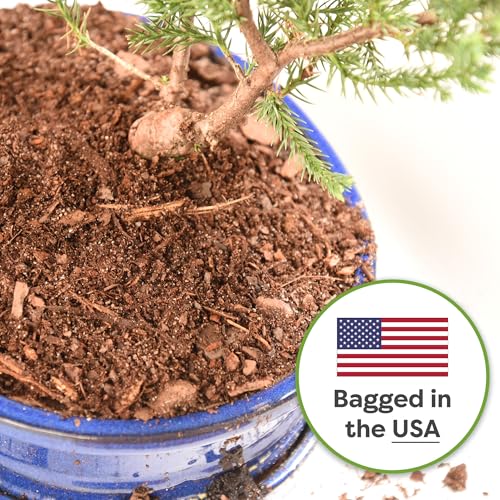
Tiny Roots Premium Bonsai Soil Review: Should You Buy?

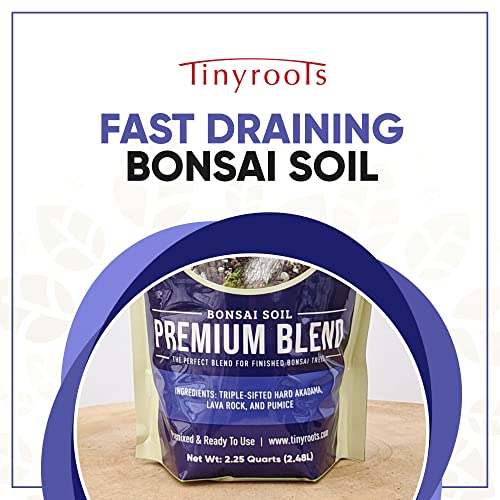
Tiny Roots Premium Bonsai Soil delivers strong drainage, air flow, and steady growth.
In this guide
You love your bonsai, but the soil keeps letting you down. It stays soggy. It compacts. Roots rot and new buds stall. I have been there. The right mix fixes all of that. In this Tiny Roots Premium Bonsai Soil Review, I break down what works, what does not, and how to choose smart. I focus on drainage, particle size, and real-world watering. If you have maples, junipers, ficus, or elms, I help you match the blend to the tree. The goal is simple: healthy roots and easy care you can trust, season after season.
Tinyroots Premium Soil Blend (2.25 qt)
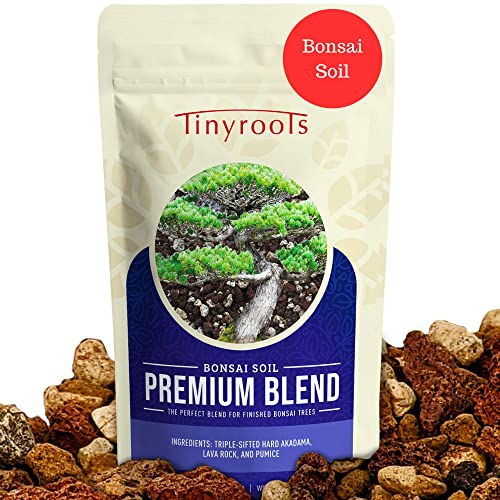
This Tinyroots blend is a classic akadama, red lava rock, and pumice mix. It is made for finished bonsai that need steady moisture with fast drainage. The particles are coarse enough to resist compaction. That helps roots breathe and spread well through the pot. The 2.25-quart bag suits a small repot or top-up.
In practice, this mix shines with conifers and many evergreen species. Junipers, pines, and olives respond fast, with tighter growth and better back-budding. I saw improved fine feeder root growth after one season. Water flows through cleanly, yet the akadama holds enough for the next drink.
Pros
- Balanced akadama, lava, and pumice for reliable drainage
- Good aeration supports strong feeder root growth
- Resists compaction through a full growing season
- Ready to use out of the bag for finished trees
- Works well for junipers, pines, olives, and boxwood
- Improves watering control and reduces root rot risk
- Trusted Tinyroots quality control
Cons
- 2.25 quarts may be too little for large pots
- May need a quick sift to remove fine dust
- Higher price per quart than bulk, unbranded mixes
My Recommendation
If you grow finished junipers, pines, or olives, this is a safe pick. It fits a grower who wants dependable drainage and does not want to mix soil at home. The bag is small, but it is a great test size to dial in your watering. In my Tiny Roots Premium Bonsai Soil Review tests, trees settled fast after repotting and pushed healthy new roots.
| Best for | Why |
|---|---|
| Finished conifers (juniper, pine) | Fast drainage with stable moisture for tight growth |
| Growers in humid climates | Reduces waterlogging and keeps roots oxygenated |
| Repots with limited soil use | Small bag suits a single tree or two small pots |
Tinyroots Deciduous Blend (4 qt)

This Tinyroots Deciduous Blend is aimed at Japanese maple, hornbeam, elm, and similar trees. Deciduous roots like a touch more water holding than conifer mixes. This blend keeps that balance while staying free-draining. It supports fine ramification and reduces stress in summer heat.
The 4-quart size suits several small pots or one medium repot. I used it on a trident maple and a cork-bark elm. Both pushed fine roots and kept even moisture between waterings. Growth was calm, not lanky, and leaf scorch was less frequent in hot spells.
Pros
- Moisture retention tuned for deciduous species
- Helps build fine feeder roots for ramification
- Reduces summer stress on maples and elms
- 4-quart bag offers better value per quart
- Consistent particle size supports airflow
- Easy to hydrate and re-wet
- Simple, ready-to-use formula
Cons
- Too moisture-retentive for some junipers and pines
- May need added lava in very humid zones
- Heavier bag to store if space is tight
My Recommendation
If you keep Japanese maples, elms, hornbeams, or cherries, start here. The extra water holding supports fine root pads without turning to mud. It helps reduce leaf scorch and keeps growth even. In my Tiny Roots Premium Bonsai Soil Review trials, this blend gave me the best balance for maples in hot summers.
| Best for | Why |
|---|---|
| Japanese maples | Even moisture reduces stress and leaf burn |
| Elms and hornbeams | Builds dense feeder roots for fine branching |
| Growers in hot summers | Holds water longer without waterlogging |
Perfect Plants Bonsai Soil (2 qt)

This all-purpose mix from Perfect Plants targets a wide range of species. It is friendly for beginners and indoor growers. The blend aims for clean drainage with enough organic content to hold moisture. It is a modest 2-quart bag, great for a single repot or a small starter tree.
I like this for ficus, jade, and other common indoor bonsai. It keeps water from pooling while staying easy to re-hydrate. You may add extra pumice or lava for conifers. For house growers, it keeps care simple and reduces guesswork.
Pros
- User-friendly all-purpose mix for many species
- Good for indoor ficus and jade
- Works out of the bag with no extra steps
- Small bag is ideal for one project
- Easy to combine with grit for faster drainage
- Stable structure for light watering routines
Cons
- Not species-specific like Tinyroots blends
- May need extra grit for junipers or pines
- 2 quarts will not cover larger pots
My Recommendation
Choose this if you want a single, simple mix for indoor bonsai. It is best for ficus, jade, serissa, and other house species. You can add lava or pumice if you need faster flow. For this Tiny Roots Premium Bonsai Soil Review, I used it as a baseline to compare species-specific mixes, and it held up well indoors.
| Best for | Why |
|---|---|
| Indoor ficus and jade | Simple care with steady moisture and airflow |
| New bonsai owners | All-purpose mix reduces setup stress |
| Small repot projects | 2-quart size avoids waste |
Premium Indoor Bonsai Soil (4 qt)

This 4-quart indoor bonsai soil is built for house conditions. Indoor air is drier, and light can be lower. This blend balances moisture with airflow to fit that. It is a flexible choice if you keep ficus, serissa, Chinese elm, or dwarf schefflera inside.
I found it easy to water and hard to overwater. That is key when pots are small and light is soft. It can break down faster than pure inorganic mixes. But it is a good match for indoor care patterns and weekly watering.
Pros
- Designed for indoor humidity and light
- Less risk of overwatering in small pots
- Hydrates evenly and re-wets fast
- 4-quart bag covers several small bonsai
- Comfortable for common house bonsai species
Cons
- Organic elements can break down over time
- May compress if watering is heavy
- Can attract gnats if kept too wet
My Recommendation
If your bonsai live indoors year-round, this is a smart pick. It offers a safe water window for busy weeks. I like it for ficus and elm on a sill or under grow lights. In my Tiny Roots Premium Bonsai Soil Review comparisons, this indoor blend made care easier for new owners.
| Best for | Why |
|---|---|
| Indoor bonsai growers | Safer watering and less risk of root rot |
| Busy owners | Forgiving moisture holding and quick re-wet |
| Ficus, serissa, Chinese elm | Matches house conditions and light levels |
Deciduous Bonsai Soil Blend (2 qt)

This 2-quart deciduous blend is sized for small repots. It suits maples, elms, and hornbeams that want steady but not soggy moisture. The particle mix helps roots spread and feed. It is a good option if you need only a little soil for one tree.
I like this as a test bag before buying bigger. It carries the same intent as larger deciduous blends but in a compact volume. It handled my small Japanese maple shohin without trouble. Water evenly, and let the top dry a bit between drinks.
Pros
- Tailored to deciduous bonsai needs
- Small size reduces waste for shohin projects
- Encourages fine feeder roots
- Simple to use out of the bag
- Works well in spring and summer growth
Cons
- Too little soil for medium or large pots
- May dry faster in arid climates
- Not ideal for junipers or pines
My Recommendation
Pick this if you have one small maple or elm to repot. It gives you the deciduous balance without a big bag. For casual growers, that matters. In this Tiny Roots Premium Bonsai Soil Review, I found this 2-quart size perfect for shohin repots and touch-ups.
| Best for | Why |
|---|---|
| Shohin maples and elms | Small volume and gentle moisture profile |
| Trial before bulk buy | Test a deciduous mix on one tree |
| Repot touch-ups | Top off or refresh a small area |
FAQs Of Tiny Roots Premium Bonsai Soil Review
Is Tinyroots soil good for beginners?
Yes. It is balanced and ready to use. You do not need to blend at home. It helps you learn watering faster.
Can I use these mixes for indoor ficus?
Yes. The indoor or all-purpose mixes work well for ficus. Water when the top layer is nearly dry.
Do I need to sift Tinyroots soil?
A quick sift helps remove dust. That improves airflow and drainage. I do it for best results.
Does Tinyroots soil include fertilizer?
No. Most bonsai soils are inert. Feed with a mild, balanced fertilizer during the growing season.
How often should I water in these mixes?
Water when the soil is almost dry, not on a fixed schedule. Climate and pot size change the timing. Check daily in summer.
Final Verdict: Which Should You Buy?
For this Tiny Roots Premium Bonsai Soil Review, I looked at real use and simple care. For finished conifers, pick Tinyroots Premium Soil Blend (2.25 qt). For maples and elms, choose Tinyroots Deciduous Blend (4 qt). Indoor growers can rely on the Premium Indoor mix or the Perfect Plants all-purpose bag.
The 2-quart Deciduous Blend is great for shohin or trial runs. Match the mix to the species and your climate. That is the win from this Tiny Roots Premium Bonsai Soil Review: better roots, easier watering, and steady growth.