Best Unglazed Clay Bonsai Pots: Top Picks & Care Tips 2026
Top unglazed clay bonsai pots balance breathability, drainage, and quiet style.
You care about your tree. You water on time. Yet the pot still feels off. The roots stay wet. The soil compacts. Growth stalls. If that sounds familiar, you likely need unglazed clay. It breathes. It drains. It steadies the tree in wind and sun. In this guide, I share the Best Unglazed Clay Bonsai Pots that meet those needs in 2026. I dig into airflow, fit, finish, and value. I also explain who each pot serves best, from training a new juniper to showing a maple on your desk.
MUZHI 8.5-Inch Unglazed Rectangle Pot + Tray

This MUZHI rectangle pot hits the sweet spot for small to medium trees. The unglazed terracotta breathes well and wicks extra moisture. That helps reduce root rot and compaction. The 8.5-inch size fits many junipers, elms, and ficus starters with room for wiring and training.
The included tray is handy for indoor display. It keeps shelves clean and neat. The simple red-brown tone pairs well with green foliage and gray bark. It lets the tree shine, not the container. If you want a calm, classic look, this pot nails it.
Pros
- Porous clay promotes air to the root zone
- Balanced rectangle shape for early training
- Included tray controls drips indoors
- Neutral color suits many species
- Edges are smooth for safe wiring
Cons
- Single size limits larger projects
- Tray is not fully watertight if overfilled
- Color tone may vary slightly between batches
My Recommendation
I like this for a first unglazed pot. It is a safe pick for most training phases. The shape is steady. The clay is breathable. The tray helps indoors. If you want the Best Unglazed Clay Bonsai Pots for a first or second repot, start here. It checks the key boxes without fuss.
| Best for | Why |
|---|---|
| Beginner training | Simple shape, breathable clay, easy watering |
| Office or shelf display | Tray catches drips and keeps surfaces clean |
| Small junipers or elms | 8.5-inch size fits common starter stock |
MUZHI Oval Unglazed Clay Pot + Drip Tray

This oval MUZHI gives a soft, vintage look. The unglazed clay shows a natural matte tone. It pairs well with delicate species like maples or azaleas. The included drip tray adds function without noise.
The oval line flows with gentle trunks. It feels calm, not sharp. Drainage keeps pace with daily care when you use a fast bonsai mix. For a refined but quiet display, this is a solid oval at a fair price.
Pros
- Oval profile suits feminine or soft-style trees
- Unglazed finish supports healthy root aeration
- Tray protects indoor surfaces
- Vintage vibe adds subtle character
- Works for showy foliage like maple leaves
Cons
- Oval can feel loose with very heavy trunks
- Tray can stain if water sits too long
- May run small for fast-growing stock
My Recommendation
If your tree has grace and flow, choose this oval. I reach for it when I want the pot to whisper. It breathes like the best unglazed clay. It also looks right under color and fine ramification. For many, this will rank among the Best Unglazed Clay Bonsai Pots for show-ready ovals that do not distract.
| Best for | Why |
|---|---|
| Japanese maples | Soft shape pairs with delicate branching |
| Indoor display with color | Vintage tone frames foliage and bark |
| Moderate watering habits | Porous clay evens out moisture |
ELFULLY 2-Pack 6” & 7” Unglazed Rectangle Pots

This ELFULLY 2-pack is a smart bundle for small trees. You get 6-inch and 7-inch rectangles. That covers a lot of shohin and mame needs. The unglazed bodies breathe and drain well for daily care.
Two sizes give you options for training steps. Move a tree from 6 to 7 inches as roots fill out. The brown tone is classic and easy to match. The price per pot is strong value for practice and progress.
Pros
- Two sizes for flexible training
- Porous unglazed clay supports fast-draining mixes
- Great for shohin and mame projects
- Good value for two pots with trays
- Classic rectangle suits many styles
Cons
- Too small for medium or large trees
- Thin walls can chip if dropped
- Trays are small, so watch overflows
My Recommendation
Training small trees takes the right gear. These two rectangles make it simple. I use sets like this to step up trees with care. If you need value and airflow, these belong in the Best Unglazed Clay Bonsai Pots for small formats. They help you learn fast without stress.
| Best for | Why |
|---|---|
| Shohin training | Right sizes for early root work |
| Value seekers | Two pots reduce cost per repot |
| Indoor shelves | Compact footprint and clean trays |
MUZHI Raised-Foot Rectangle Unglazed Pot + Tray

This MUZHI rectangle stands on raised feet. That extra air gap helps drainage and root health. It is a strong pick for junipers and maples in active growth. The unglazed brown finish stays quiet and clean.
Feet also add style and lift. Water leaves faster, and the pot dries more even. With a matched tray, the setup is neat indoors too. If you want function plus a touch of form, this checks both boxes with ease.
Pros
- Raised feet boost airflow under the pot
- Better drying after heavy rain or deep watering
- Classic rectangle for many bonsai styles
- Unglazed clay supports steady root oxygen
- Tray included for tidy display
Cons
- Feet can catch soil grains on benches
- Added height may raise the center of gravity
- Heavier feel than thin-walled pots
My Recommendation
This is my top all-around rectangle for 2026. It blends airflow, drainage, and stable form. If you grow outdoors, you will like the drying speed after rain. For many growers, this ranks at the top of the Best Unglazed Clay Bonsai Pots for balance and build. It is a workhorse with style.
| Best for | Why |
|---|---|
| Outdoor junipers | Feet and clay speed dry-down after storms |
| Training to show | Clean lines look fine at display time |
| Moist climates | Extra airflow helps avoid root rot |
MUZHI 2-Pack Shallow Unglazed Pots + Bamboo Saucers

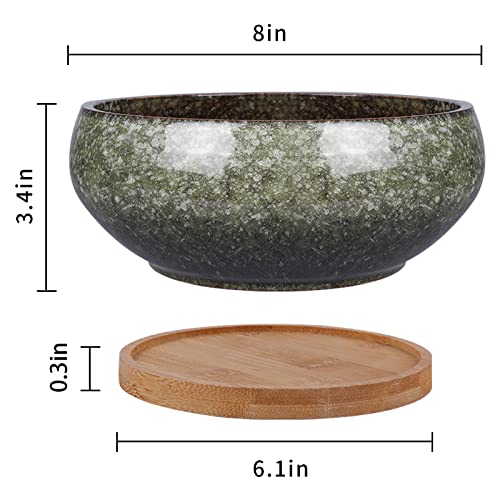
This 2-pack offers shallow, wide dishes with bamboo saucers. They show off nebari and moss. They also suit succulents or accent plants. The unglazed finish keeps airflow strong and roots happy.
I like the 8-inch and 6-inch mix for small scenes. The bamboo saucers look warm and clean. They fit desks and coffee tables well. For subtle, low-profile pots, these are lovely and practical.
Pros
- Shallow shape highlights surface roots and moss
- Two sizes cover accents and small bonsai
- Unglazed walls help quick drainage
- Bamboo saucers add natural style
- Great for succulents and stone plantings
Cons
- Bamboo can warp if kept wet
- Not ideal for thirsty species
- Less stable in freeze-thaw outdoors
My Recommendation
Pick this set for display scenes and small projects. The look is calm and warm. The airflow is strong. If you craft accents or small bonsai, this duo sits high in my list of the Best Unglazed Clay Bonsai Pots for shallow work. The value is hard to beat for two pieces and saucers.
| Best for | Why |
|---|---|
| Accent plantings | Shallow depth frames stones and moss |
| Succulents indoors | Fast drainage and clean saucers |
| Desk displays | Low profile and warm bamboo tone |
How to Choose the Best Unglazed Clay Bonsai Pots in 2026
Unglazed clay is a simple tool. It keeps roots healthy by letting them breathe. It also dries faster than glazed pots. That helps avoid root rot and fungus. When you shop in 2026, keep these points in mind.
Match size to your tree. A good rule is the pot length is about two thirds the tree height for many forms. For ovals and rectangles, depth often matches trunk thickness at the base. Shohin and mame need shallower pots. Big trees can use deeper walls for anchor and moisture.
Pick shape for style. Rectangles suit strong, masculine lines. Ovals fit soft, feminine trees. Round or drum pots work for literati or formal displays. Shallow dishes show surface roots and moss. Deep ovals help strong feeders or fast growers.
Drainage is key. Look for clear holes and a flat base that will not wobble. Raised feet help air and water move. Trays protect shelves. They are useful indoors. Do not let water pool in trays. Empty them after watering to keep roots safe.
Clay quality matters. Denser clay is often more durable. It handles seasons better. More porous clay dries faster. Choose based on climate. In humid zones, more porous clay helps. In dry zones, a denser body may hold water a bit longer. That reduces watering stress.
Think of tie-down points. Many training pots add extra holes for wire. They help root work and stability. If your tree faces wind, tie-down holes save you a headache. If you display indoors, fewer holes give a cleaner look.
Check lip and rim shape. A smooth rim is easy on wiring and hands. A sharp lip can dig into lines and bark. For heavy trees, a wider rim helps with lift and grip. For show, a fine rim looks sleek and calm.
Weight and balance count. Heavier pots are more stable on outdoor benches. Light pots are easier to move and rotate. In storm zones, a heavier unglazed pot is a safe bet. On a shelf, lighter is fine with a good tray.
Color should frame, not shout. Unglazed browns and reds suit greens, russets, and bark grays. The Best Unglazed Clay Bonsai Pots use quiet tones. They let the tree own the stage. Choose a color that blends with bark and soil.
Plan for frost. Many unglazed pots do well outdoors. But freeze-thaw can crack wet clay if it is saturated. In cold snaps, keep pots off the ground. Use feet or a bench. Reduce water before hard freezes. In deep winter, protect the root zone.
Budget for growth. You will repot as roots develop. Value sets, like 2-packs, help you train across two seasons. Later, spend more for a show pot. The Best Unglazed Clay Bonsai Pots last for years when cared for well.
Care Tips for Unglazed Clay Bonsai Pots
Rinse salts off the outside. Unglazed walls can show white lines from minerals. A soft brush and warm water clear it. Avoid harsh soaps. They can soak into the pores.
Use a fast bonsai mix. Aim for grit, akadama, pumice, and lava in blends that drain fast. The pot will handle the rest. Good soil and a porous pot make a strong team. Roots love the mix of air and water.
Water to need, not habit. Check soil with a finger or chopstick. Water when it is near dry. In unglazed clay, the top dries fast. The core may still be moist. Learn your pot and species. Adjust by season and light.
Rotate for even sun. Unglazed pots can warm faster. Rotate a quarter turn each week. That helps even growth on all sides. It also keeps moss and bark color even.
Use mesh and wire right. Cover drain holes with mesh. Tie trees in with bonsai wire if needed. Keep wire off live tissue. Anchor to the pot or roots with care.
Training vs. Display: Picking the Right Moment
Training pots get beat up. They need airflow and function first. Display pots must look clean and calm. They still need airflow, but finish matters more. Plan your path. Train in a durable, breathable pot. Then move to a refined unglazed option for shows and photos.
The Best Unglazed Clay Bonsai Pots work in both roles. Some models, like raised-foot rectangles, bridge the gap. They feel tidy enough for a show. They still dry fast and support root work. That is smart gear for most growers in 2026.
Climate and Species Matching
Junipers and pines like fast drainage. They pair well with rectangles and raised feet. Maples and elms can use soft ovals. They also thrive in porous clay. Tropical ficus can sit in denser clay if water is steady. In dry zones, a bit more depth can help buffer heat.
In humid or rainy areas, maximize airflow. Use feet and larger drain holes. In arid heat, consider slightly thicker walls. Keep the tree shaded in the hardest sun. The pot choice, soil, and water plan should work together.
What I Look For When Testing Pots in 2026
I check airflow by feel and weight after watering. I time dry-down with a stick test. I watch for even drying across the root ball. I see how stable the pot is in wind. I nudge the rim. A good pot stays put.
I inspect rims and feet for finish. Sharp edges are a no. Smooth rims save bark and wire. Feet must sit flat. Wobble is not safe for roots. Trays must fit right and catch drips without pooling. The Best Unglazed Clay Bonsai Pots score well in these checks.
I also look at heat. Unglazed clay warms and cools fast. That helps roots get oxygen. But in peak sun, a dark pot can heat up. I note that in testing and suggest shade if needed. Simple tweaks protect fine roots in summer.
Sizing Quick Guide
- Starter stock up to 8 inches tall: 6–7 inch pot, shallow to medium depth
- Small trees 8–12 inches: 7–9 inch pot, medium depth
- Medium trees 12–16 inches: 9–12 inch pot, medium depth
- Deep feeders or windy spots: go one depth step higher for anchor
- Show use: reduce depth slightly to refine the look
This is a guide, not a rule. The tree, style, and soil blend drive the final call. When in doubt, pick airflow and stability first. That is how you land on the Best Unglazed Clay Bonsai Pots for your needs.
Common Mistakes and Easy Fixes
Mistake: Water sits in the tray. Fix: Empty trays after each watering. Raise the pot on feet if needed.
Mistake: Soil stays wet too long. Fix: Add more pumice or lava. Move to a more porous unglazed pot.
Mistake: Pot is unstable. Fix: Go heavier or wider. Use tie-down wires. Place on a level bench.
Mistake: Salt crust on walls. Fix: Rinse with warm water and a soft brush. Use filtered water if salts are high.
Mistake: Pot cracks in frost. Fix: Keep the pot off the ground. Reduce watering in freeze weeks. Shelter the tree.
These small changes protect your tree. They also protect your pot. That is how the Best Unglazed Clay Bonsai Pots keep paying off year after year.
FAQs Of Best Unglazed Clay Bonsai Pots
Why choose unglazed over glazed bonsai pots?
Unglazed clay breathes. It lets air reach roots and allows water to escape. That reduces root rot risk. It also evens out watering.
Do I need a tray with unglazed pots?
Trays help indoors. They catch drips and protect shelves. Do not let water sit in them. Empty trays after each watering.
Are unglazed clay pots frost safe?
Many are, but care matters. Keep pots off the ground. Avoid standing water in deep freezes. Protect roots in harsh cold.
What soil works best in unglazed clay?
A fast bonsai mix is ideal. Use grit with akadama, pumice, and lava. The pot and mix work together to drain well.
How do I size the pot for my tree?
As a guide, pick a length near two thirds of tree height. Adjust depth to trunk size and species needs. Check stability too.
Final Verdict: Which Should You Buy?
The MUZHI Raised-Foot Rectangle Unglazed Pot + Tray is my top pick. It blends airflow, drainage, and style. It fits many species and climates. It stands out among the Best Unglazed Clay Bonsai Pots this year.
Choose based on size, shape, and tray needs. Any option here will serve you well. You can grow with confidence and enjoy the Best Unglazed Clay Bonsai Pots for years to come.