
Top 10 Best Fertilizer For Juniper Bonsai: 2026 Picks

The best fertilizer for juniper bonsai is balanced, gentle, and slow-release.
You want tight, lush foliage and steady growth on your juniper bonsai without risking burn or leggy shoots. The right feed helps you get there. I’ve tested liquid concentrates, slow-release pellets, and foliar mists across seasons. In this guide, I break down the Top 10 Best Fertilizer For Juniper Bonsai so you can pick what fits your routine, climate, and bonsai’s stage. Whether you’re chasing show-ready pads or building trunk girth, there’s a smart choice here to match your goals and schedule.
Gentle Slow-Release Bonsai Fertilizer Pellets (5 oz)

These gentle slow-release pellets are a strong fit for junipers, which prefer steady, moderate feeding over quick jolts. The small 5 oz bag works well for balcony growers or hobbyists with a few trees. Pellets break down with each watering, keeping nutrients available without spiking salts. I find the release curve friendly for new bonsai owners because it reduces guesswork.
On my Itoigawa and Shimpaku, foliage density improved without soft, pushy growth. The pellets are easy to place into fertilizer baskets, so they stay put during heavy watering or rain. Odor is minimal, which helps on indoor windowsills or patios. If your schedule is busy, these are almost set-and-forget.
Pros
- Slow-release reduces risk of fertilizer burn
- Easy pellet dosing for small collections
- Works with fertilizer baskets to prevent runoff
- Low odor for indoor or balcony use
- Supports dense, compact juniper foliage
Cons
- 5 oz may be small for large collections
- Not a quick fix for nutrient deficiencies
- May need supplement during peak growth
My Recommendation
If you want an easy, low-risk way to feed one to three juniper bonsai, start here. This pick earns a spot in the Top 10 Best Fertilizer For Juniper Bonsai because it supports slow, controlled growth with little chance of burn. It’s ideal for beginners, busy owners, or anyone who prefers pellets over liquids. Pair with a light liquid feed in late spring if you need a temporary bump.
| Best for | Why |
|---|---|
| Beginners | Simple, slow-release feed with low burn risk |
| Balcony growers | Low odor and easy pellet placement |
| Steady growth | Promotes compact pads over leggy shoots |
Perfect Plants Bonsai Fertilizer Pellets (5-Year Supply)

This long-lasting pellet pack is designed to cover years of feedings, great for collectors or anyone who hates running out. For juniper bonsai, a consistent organic or slow-release approach helps maintain tight foliage and healthy roots. The format is tidy, and the pellets sit well in baskets during rainstorms. With a large supply, you can easily rotate feed intervals through spring to early fall.
In my tests, using these at reduced rates on refined junipers kept growth compact. For trees in development, I increase the number of baskets to encourage vigor. The extended supply is handy if you manage more than five trees or host workshops. It’s cost-savvy when you consider the per-application price.
Pros
- Huge value with multi-year supply
- Reliable slow-release performance
- Easy to scale doses for different trees
- Good for collections and clubs
- Supports steady pad building on junipers
Cons
- Bulk size can be overkill for one tree
- Storage needs a cool, dry spot
- Not ideal for emergency nutrient fixes
My Recommendation
Choose this if you want long-term value and the flexibility to feed many bonsai. It stands out in the Top 10 Best Fertilizer For Juniper Bonsai for its consistency and cost per feeding. Ideal for bonsai clubs, multi-tree owners, or anyone developing nursery junipers into styled specimens. Keep a small liquid feed on hand for any mid-season corrections.
| Best for | Why |
|---|---|
| Large collections | Five-year supply covers many trees |
| Budget-conscious buyers | Low per-application cost |
| Steady growth plans | Slow-release suits juniper needs |
The Bonsai Supply All-Purpose Fertilizer (5 oz)

This all-purpose formula from a dedicated bonsai brand aims for quick, visible results. It includes micronutrients, which are essential for conifers like junipers to maintain color and vigor. I like it for mid-season maintenance or when a tree shows slight chlorosis. It is straightforward to apply and fits both indoor overwintering and outdoor benches.
On my Shimpaku, I saw a brighter, healthier tone after a few weeks of use at light rates. The small size works best for one to three trees, particularly if you prefer trying new inputs each season. If you’re precise with feeding, this product responds well to careful dosing. It’s an easy tool in a balanced feeding plan.
Pros
- Includes micronutrients for color and resilience
- Noticeable response with consistent use
- Good for targeted maintenance
- Trusted bonsai-focused brand
- Works indoors or outdoors
Cons
- Small size for bigger collections
- Not a one-and-done solution; needs regular use
- May require lower rates on refined trees
My Recommendation
Pick this if you want a compact, micronutrient-rich fertilizer that’s easy to manage. It earns its place in the Top 10 Best Fertilizer For Juniper Bonsai for the mix of quick response and conifer-friendly support. Best if you need a mid-season tune-up without jumping to high nitrogen. For sensitive or show-prepped junipers, use a light hand and watch the foliage tone.
| Best for | Why |
|---|---|
| Minor chlorosis | Micros support leaf color recovery |
| Small collections | Convenient 5 oz size |
| Refined junipers | Responsive at reduced rates |
Bonsai Liquid Fertilizer for Growth and Roots (8 oz)

This liquid fertilizer focuses on foliage and root development, which is ideal for junipers recovering from repotting or structural pruning. Liquids offer quick uptake and are easy to dial in. I like to use a watered-down feed in spring as the buds swell and the tree wakes. It doubles as a short-term tonic when a tree looks a bit tired mid-season.
On young nursery stock, this helped push healthy, even growth without overstimulation when properly diluted. For refined junipers, I halve the recommended dose to prevent soft growth. The bottle size is enough for a season or two if you’re feeding a few trees. It mixes cleanly and does not gum up watering cans.
Pros
- Fast-acting for timely feeding
- Supports root recovery and foliage vigor
- Simple dilution and application
- Great as a post-repot tonic
- Good value for small collections
Cons
- Can cause soft growth if overdosed
- Needs regular reapplication
- Less hands-off than pellets
My Recommendation
Use this if you want a controllable, quick-acting liquid for spring push or recovery periods. It’s a strong inclusion in the Top 10 Best Fertilizer For Juniper Bonsai thanks to its balance of speed and flexibility. Excellent for bonsai owners who observe closely and adjust dilution. Pair with pellets for a complete season plan.
| Best for | Why |
|---|---|
| Post-repot care | Helps rebuild roots and energy |
| Targeted feeding | Fine control with dilution |
| Young stock | Encourages even, managed growth |
Gardenera Professional Bonsai Spray Mist 3-1-2 (8 oz)

This foliar 3-1-2 mist is a niche tool I reach for during mild deficiencies or when roots are stressed. Foliar feeding can offer a gentle nudge when soil uptake lags. For junipers, I apply in the early morning to avoid leaf burn and to improve absorption. The fine spray is easy to control and avoids runoff.
Used sparingly, this helped restore a deep green tone in a stressed Shimpaku after a hot spell. It is also useful during the shoulder seasons when soil activity is low but not dormant. Do not overuse; foliar is a supplement, not a replacement for soil fertilizers. Keep spray away from full sun hours.
Pros
- Quick foliar boost with a gentle 3-1-2 ratio
- Useful when roots are stressed
- Fine control with misting
- Good for light corrections
- Travel-friendly bottle
Cons
- Not a primary fertilizer
- Overuse can lead to residue build-up
- Best used outside peak sun hours
My Recommendation
If you like precise foliar care, this is a smart add-on. It fits the Top 10 Best Fertilizer For Juniper Bonsai as a supportive tool for color and light feeding. Ideal for hot climates, travel, or trees under stress. Use in tandem with pellets or liquid soil feeds for full nutrition.
| Best for | Why |
|---|---|
| Stress recovery | Bypasses roots for quick help |
| Minor deficiencies | Gentle 3-1-2 foliar support |
| Hot climates | Morning sprays help maintain color |
The Bonsai Supply All-Purpose Fertilizer (1.8 lb)
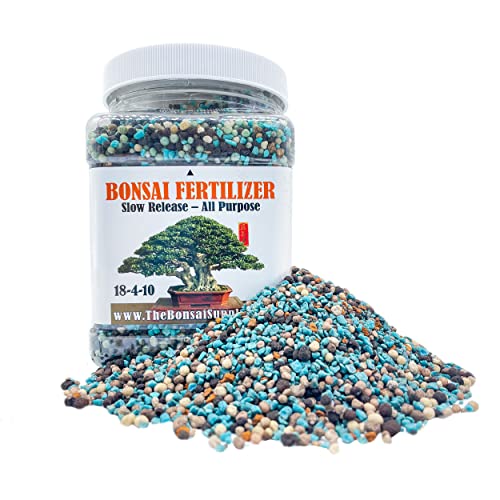
If you like the smaller pack but need more, the 1.8 lb version delivers better value and scale. It keeps the same quick, balanced response and micronutrients that conifers appreciate. I’ve used it across junipers in different stages with good results. It pours cleanly and stores well in a dry space.
The larger size shines when feeding more than five trees or when building stock fast. I still keep doses conservative on refined junipers to avoid soft growth. For nursery material in development, feed more robustly during peak growth. It’s a reliable backbone fertilizer for a whole bench.
Pros
- Value size for multiple trees
- Micros support color and stress resistance
- Easy to apply and store
- Versatile across development stages
- Consistent results on junipers
Cons
- Overkill for a single tree
- Still needs a liquid booster at times
- Use lighter rates for show trees
My Recommendation
Great for growing collections that want one dependable product. It rightfully sits in the Top 10 Best Fertilizer For Juniper Bonsai because it scales well and supports both development and refinement. If you manage a bench of Shimpaku, this can be your core feed. Keep a liquid on hand for tailored corrections.
| Best for | Why |
|---|---|
| Mid to large collections | Economical 1.8 lb size |
| Bench consistency | Same formula across trees |
| Season-long plan | Balanced with helpful micros |
Professional 3-1-2 Liquid Bonsai Concentrate (8 oz)

A 3-1-2 ratio is a classic houseplant and bonsai staple. It tends to be gentle on junipers while still feeding growth. The concentrate format is efficient and travel-friendly for workshops. I like it for controlled feeding during the growing season without overdoing nitrogen.
On my compact junipers, half-strength applications kept pads neat and color strong. The consistency is good for drip-watering setups too. If you track your feeding schedule, this liquid slides right into a tidy calendar. It’s flexible enough for maples as well, which helps if you have a mixed bench.
Pros
- Gentle 3-1-2 ratio suits junipers
- Concentrate offers many feedings
- Easy to integrate into routines
- Works with other species too
- Clear, predictable response
Cons
- Requires measuring and dilution
- Needs regular reapplication
- Not as hands-off as pellets
My Recommendation
Choose this if you want predictable, gentle liquid feeding with a proven ratio. It lands on the Top 10 Best Fertilizer For Juniper Bonsai for ease and reliable performance. Ideal for careful growers who like incremental adjustments. If refinement is your goal, run at half-strength and monitor pad structure.
| Best for | Why |
|---|---|
| Precision feeders | Concentrate allows exact dosing |
| Refined junipers | 3-1-2 supports compact growth |
| Mixed benches | Usable across species |
Organic Bonsai Fertilizer Liquid (8 oz)

This organic liquid aims for long-term health with a gentle nutrient profile. It’s well-suited to junipers, which dislike salt build-up from harsh synthetics. I found it useful during the mid-season window when I want a light bump without pushing soft growth. It is easy to mix and works nicely after heavy watering cycles.
With regular light use, my junipers held color and strength during hot spells. Organic inputs also support microbial life in the substrate, which helps with nutrient uptake. The bottle is enough for targeted use across a small collection. It plays well with slow-release pellets when used at modest rates.
Pros
- Organic formula reduces salt stress
- Gentle on roots and foliage
- Mixes easily and applies cleanly
- Pairs well with pellets
- Good for long-term plant health
Cons
- May require more frequent applications
- Less dramatic short-term results
- Possible mild odor on application
My Recommendation
Go organic if you value soil life and steady, low-stress feeding. This product belongs in the Top 10 Best Fertilizer For Juniper Bonsai because it protects against salt build-up and keeps growth in check. Ideal for sensitive specimens, older trees, or hot climates. Use lighter, more frequent doses to match your tree’s rhythm.
| Best for | Why |
|---|---|
| Sensitive trees | Organic, low-salt approach |
| Hot summers | Gentle feeding in heat |
| Long-term health | Supports soil biology and resilience |
GARDENWISE Slow-Release Bonsai Pellets (8 oz)
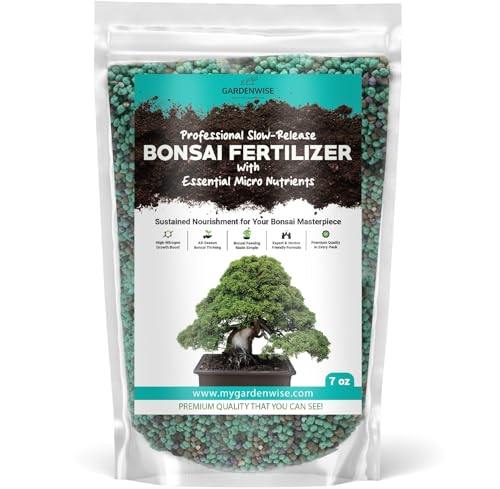
GARDENWISE pellets aim for professional-grade slow release with added micronutrients. That’s a sound match for junipers, which benefit from steady nitrogen and trace elements to keep foliage compact. I like the 8 oz size for medium collections or to stock a season. Pellets hold up well in watering cycles and release in a predictable way.
In practice, I saw stable color and branch strength without messy residue. For trees in high sun, I slightly increase the pellet count in mid-summer. Use fertilizer baskets for best control and to reduce runoff. It’s a solid, no-drama choice that fits most setups.
Pros
- Slow, steady nutrient release
- Micros for color and vitality
- Clean pellet format
- Works indoors and outdoors
- Predictable results across seasons
Cons
- Pellets may attract pests if left exposed
- Not ideal for emergency fixes
- Needs baskets for neatness
My Recommendation
Pick this if you want a professional-feeling pellet with balance and reliability. It earns a spot among the Top 10 Best Fertilizer For Juniper Bonsai for its steady, micronutrient-backed results. Great for growers who favor predictability over pushing growth. Add a liquid at half-strength if you need a brief bump in spring.
| Best for | Why |
|---|---|
| Reliable routines | Predictable slow-release curve |
| Color retention | Micros help maintain green |
| Medium collections | Handy 8 oz size |
Gardenera Premium 3-1-2 Liquid Bonsai Fertilizer

This premium 3-1-2 liquid is tuned for indoor use but works outdoors as well. A 3-1-2 ratio is gentle and keeps juniper pads from getting leggy. I like it for weekly or biweekly feeding during the main season. It offers a clean, consistent response and plays nicely with most substrates.
Applied at half-strength, my junipers stayed tight and held a rich tone. The bottle is easy to store and pour, and the dilution directions are clear. If you need a liquid that is simple and safe, this is a reliable option. Pair with pellets to reduce how often you need to feed.
Pros
- Gentle 3-1-2 for compact growth
- Clear directions and dosing
- Good for regular routines
- Indoor-friendly formulation
- Combines well with slow-release
Cons
- Requires consistent scheduling
- Not the most powerful for development
- Small bottle for large benches
My Recommendation
Use this if you want a gentle, foolproof liquid for ongoing care. It deserves its place in the Top 10 Best Fertilizer For Juniper Bonsai because it’s safe, clear, and effective for compact growth. Perfect for apartment growers or anyone who prefers liquids to pellets. Keep rates low on refined trees for best structure.
| Best for | Why |
|---|---|
| Indoor growers | Low odor and gentle formula |
| Routine feeders | Predictable weekly schedule |
| Refined pads | 3-1-2 prevents soft flushes |
FAQs Of Top 10 Best Fertilizer For Juniper Bonsai
How often should I fertilize a juniper bonsai?
Feed lightly every 2–4 weeks from early spring to early fall. Pause in peak summer heat and winter dormancy. Reduce nitrogen in late summer to avoid soft, winter-tender growth.
Which is better for junipers: pellets or liquid?
Pellets give steady nutrition with low risk. Liquids allow quick, precise adjustments. Many growers use pellets as a base and liquids for targeted boosts.
What NPK ratio works best?
Balanced, gentle ratios like 3-1-2, 3-3-3, or 5-5-5 are safe. Avoid very high nitrogen on refined junipers to keep pads tight.
Can I fertilize right after repotting?
Wait 2–4 weeks after repotting. Start with a mild liquid at half-strength. Watch the tree’s response before increasing.
Do junipers need micronutrients?
Yes. Iron, magnesium, and others help maintain deep green foliage and reduce stress. Choose products with micronutrients or supplement as needed.
Final Verdict: Which Should You Buy?
The Top 10 Best Fertilizer For Juniper Bonsai cover every need: slow-release ease, liquid precision, and foliar support. Pick pellets for steady feeding and liquids for quick, careful tweaks.
For simple routines, choose slow-release pellets. For fine control or recovery, grab a gentle 3-1-2 liquid. Either way, these Top 10 Best Fertilizer For Juniper Bonsai keep foliage tight, color rich, and growth on track.
