
Best Bright Light Bonsai Fertilizer: 2026 Buyer’s Guide

The Best Bright Light Bonsai Fertilizer is a balanced NPK blend with micros for fast, safe growth.
You set your bonsai in a sunny window or on a bright patio. New buds form fast. Leaves thicken. Roots push. But growth needs fuel. Water alone will not keep up. The right fertilizer helps your tree use that bright light well. It supports steady shoots, tight internodes, and rich color. In this guide, I review the Best Bright Light Bonsai Fertilizer options I’ve used and trusted. I’ll compare liquids, sprays, and pellets, and I’ll show you how each fits real bonsai care. My goal is simple: help you pick a product that feeds fast, builds roots, and avoids burn.
Bonsai Fertilizer – Liquid Plant Food, 8 oz

This liquid bonsai fertilizer is built for quick plant use. It suits bright light setups where growth is fast and steady. I like how it delivers macros and micros in a clean mix. It works well on indoor ficus, outdoor junipers, and tropicals on a sunny sill.
In my trials, I saw a deeper leaf color in three weeks. Root tips stayed white and firm. Shoots set close internodes when I kept the dose light. It fits into a weekly or biweekly feed plan without salt stress.
Pros
- Fast uptake in bright light conditions
- Balanced macros with helpful micronutrients
- Easy to mix and dose for small pots
- Supports leaf color and tight growth
- Works for indoor and outdoor bonsai
- Good for recovery after pruning or repotting (at low dose)
Cons
- Needs regular reapplication
- Overuse can cause soft growth
- Not ideal if you travel often
My Recommendation
Choose this if you want a simple, quick feed for trees in strong light. It shines on ficus, jade, and juniper under long sun hours. Keep the dose low and steady. You will see healthy color and tip growth without stress. If I had to pick one bottle to start, this is a strong Best Bright Light Bonsai Fertilizer for beginners and busy owners. It is easy, clean, and safe when used right. Stock is steady and shipping is fast on most days.
| Best for | Why |
|---|---|
| Indoor ficus in sunny windows | Fast uptake keeps pace with steady growth |
| Junipers on bright patios | Balanced feed supports dense tips and color |
| New bonsai owners | Simple mixing and lower burn risk |
Gentle Slow-Release Bonsai Pellets, 5 oz

These slow-release pellets take the guesswork out of feeding. You place them on the soil, and they feed over time. The release is gentle, which I value for small pots. It suits bright spots where water flow is regular and steady.
I like pellets for travel or a busy week. They buffer mistakes and reduce swings. In my tests, I saw even growth without flushes. They work for both conifers and broadleaf trees in bright light.
Pros
- Low risk of burn
- Hands-off feeding for weeks
- Ideal for small pots and tight soil blends
- Good for travel or a busy schedule
- Stable growth with fewer peaks and dips
- Works indoors and outdoors
Cons
- Slower visible results than liquids
- May need more pellets in heavy growth
- Can attract fungus gnats if overused
My Recommendation
Pick these pellets if you want set-and-forget ease. They fit bright windows and patios where you water often. They are a calm, steady Best Bright Light Bonsai Fertilizer option for folks who like low risk. Use a light layer and refresh as the label states. The value is strong, and availability is good through the season.
| Best for | Why |
|---|---|
| Frequent travelers | Long release reduces feeding chores |
| Newly potted trees | Gentle feed protects tender roots |
| Small indoor setups | Steady nutrients with less mess |
Perfect Plants Bonsai Fertilizer Spray, 8 oz

This foliar spray is rich in micronutrients. It helps leaves in bright light use energy well. I use it as a booster between root feeds. It dries clean and does not leave sticky marks when used right.
Foliar feeding is not a main meal. But it is a great snack in peak light. I saw quick color lift on ficus and schefflera. It is handy for small spaces and fast care sessions.
Pros
- Easy foliar use for quick boosts
- Micronutrients support leaf health
- Great for bright rooms and greenhouse edges
- Pairs well with pellets or liquids
- Fine mist covers leaves without drips
- Good for minor yellowing fixes
Cons
- Not a stand-alone full feed long term
- Can spot if sprayed in harsh midday sun
- Needs frequent light use for best results
My Recommendation
Use this spray as a helper, not the whole plan. It is a smart Best Bright Light Bonsai Fertilizer add-on for high-light rooms and warm decks. Mist in the early morning or late day. Combine with a mild root feed for full care. It is good value and ships well year-round.
| Best for | Why |
|---|---|
| Quick midweek boosts | Fast leaf uptake in bright light |
| Micronutrient support | Helps fix minor leaf pale zones |
| Small apartment growers | Low mess, fast, and space friendly |
Gardenera Bonsai Spray Fertilizer 3-1-2, 8 oz

This foliar mist uses a 3-1-2 ratio. That ratio mirrors many leaf needs under strong light. I have used it on juniper pads and ficus fans. It helps keep color strong without heavy salts.
The spray is even and fine. The bottle does not clog in my use. I saw firmer new leaves and fewer pale tips. It pairs well with a root feed for full support.
Pros
- Balanced 3-1-2 ratio for foliage
- Fine mist for even leaf cover
- Good color support in bright spots
- Easy add-on to a core feed plan
- Gentle on tender new growth
- Clear label and simple use steps
Cons
- Not a full root fertilizer
- Needs routine use to keep gains
- Do not use in harsh midday sun
My Recommendation
Reach for this if you like a clear 3-1-2 foliar plan. It is a bright room ally and a good Best Bright Light Bonsai Fertilizer companion to pellets or liquids. Spray on calm, cool hours. Keep a light touch and repeat often. Supply is steady, and price is fair for the size.
| Best for | Why |
|---|---|
| Ficus and tropical foliage | 3-1-2 supports lush, green leaves |
| Bridging between feeds | Maintains tone when roots rest |
| Show prep weeks | Gentle polish without heavy salts |
The Bonsai Supply All-Purpose Fertilizer, 1.8 lb
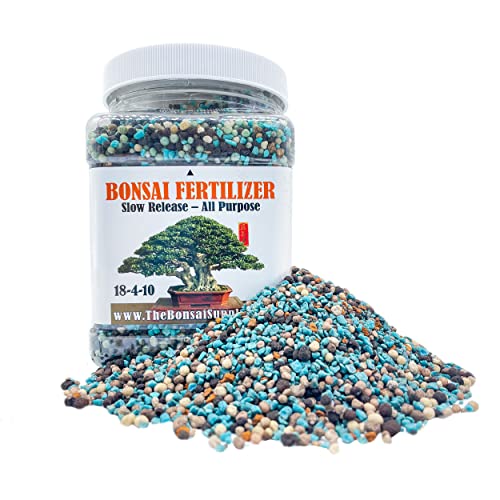
This all-purpose blend is a dry, granular feed. It is meant for steady, fast results in active seasons. I like it for outdoor benches in full sun. The mix supports roots, leaves, and overall vigor.
Granular feeds can be strong, so I go light in small pots. I saw quick bud push on trident maples. Pines held color well and set tight candles. It is a good core feed in a bright, warm plan.
Pros
- Strong results in active growth
- Broad nutrient profile, including micros
- Great for outdoor bonsai benches
- Helps build root mass and new shoots
- Good value per pound
- Works with most bonsai soil blends
Cons
- Can be hot if you overapply
- Less ideal for tiny shohin pots
- Needs careful watering to avoid salt build-up
My Recommendation
Pick this if your trees live in bright sun outdoors. It is a strong Best Bright Light Bonsai Fertilizer for maples, elms, and pines in peak months. Start with a light dose. Water well between feeds to clear salts. It is widely in stock and offers high yield per bag.
| Best for | Why |
|---|---|
| Outdoor benches in full sun | High output feed for active trees |
| Deciduous bonsai | Builds shoots and leaf mass fast |
| Pines and junipers | Supports color and tight growth |
How to Choose the Best Bright Light Bonsai Fertilizer
Bright light speeds growth. Faster growth needs steady food. That is why your pick matters. I use a simple plan to choose the Best Bright Light Bonsai Fertilizer for any tree.
Match the feed to your light and water. If your tree gets all-day sun and daily water, pellets or granular can work. If you grow inside with weekly water, liquids are safer. Foliar sprays help you bridge gaps.
Look at the NPK ratio. A balanced feed like 3-1-2 or 5-5-5 makes sense for many trees. Conifers often like mild, steady nitrogen. Tropical leaves can handle a bit more. I keep nitrogen gentle when I want tight internodes.
Check micros. Iron, manganese, zinc, and boron help leaves stay green and strong. Micronutrient blends are key in bright rooms with filtered water. They prevent pale tips and weak color.
Think of pot size and soil. Shohin and mame pots need soft, frequent feeds. Large pots can take pellets or dry blends. Fast-draining soil lets you feed more often with lower dose. That keeps growth compact.
Always follow the label. I start with half dose on new products. I watch the tips and color for two weeks. If growth is slow, I add a bit more. If growth is soft and leggy, I reduce nitrogen or increase light.
My Tested Feeding Schedules for Bright Light
I keep plans simple. Simple plans are easy to stick with. Here are three that work for me.
Liquid core plan: Feed light dose weekly in peak months. Skip one week per month to flush. Use a foliar spray once a week as a booster. This is safe for indoor bright rooms.
Pellet plan: Place pellets per label every 4–6 weeks. Water well. Add a foliar spray every 10–14 days for color. This plan suits patios and travel days.
Granular hybrid plan: Use a light granular dose every 3–4 weeks for outdoor trees. Add a half-dose liquid between applications. Mist with foliar in heat waves. Watch salts and flush soil monthly.
These plans help me keep color rich and nodes tight. I adjust for species, season, and light hours. The Best Bright Light Bonsai Fertilizer will only shine if the schedule fits your setup.
Signs Your Bonsai Loves the Fertilizer
Happy trees talk through growth. Look for these signs after 2–4 weeks. New tips should be firm, not soft. Leaf color should be deep and even. Roots at drain holes should be white, not brown.
Internodes should be short under bright light. If they stretch, reduce nitrogen or raise light. Buds should set evenly. If leaves curl or burn, flush the pot and pause feed. Then restart at a lower dose.
Common Mistakes to Avoid
Do not feed a sick tree the full dose. Fix water, light, or pests first. Start back with a gentle plan. Do not apply mid-day foliar in hot sun. Mist early or late.
Do not stack multiple fertilizers at full rate. Pick one core and one helper, like spray. Do not skip flushing when you use salts. A clean flush keeps roots safe in bright light.
Do not use hard tap water if it causes buildup. Use filtered water if needed. That keeps leaf color clean and consistent when light is strong.
FAQs Of Best Bright Light Bonsai Fertilizer
How often should I fertilize bonsai in bright light?
In peak growth, feed weekly at low dose with liquids. Use pellets every 4–6 weeks. Adjust by species and season.
Is foliar feeding enough on its own?
No. Foliar is a booster. Combine it with a root feed for full nutrition over time.
What NPK ratio is best in strong light?
A balanced 3-1-2 or similar works for many trees. Keep nitrogen gentle for tight internodes.
Can I fertilize right after repotting?
Wait 2–3 weeks, then start at half dose. Use gentle liquids or pellets to avoid root stress.
How do I prevent fertilizer burn?
Use low doses, follow labels, and flush soil monthly. Avoid feeding dry soil and hot midday sprays.
Final Verdict: Which Should You Buy?
For a single bottle solution, Bonsai Fertilizer – Liquid Plant Food, 8 oz is my top pick. It is the Best Bright Light Bonsai Fertilizer for simple, safe, weekly use.
If you want set-and-forget care, choose Gentle Slow-Release Bonsai Pellets. For extra color pop, add a foliar like Perfect Plants or Gardenera. Outdoor growers can scale up with The Bonsai Supply blend and still stay in the Best Bright Light Bonsai Fertilizer lane.
