Teagas 13.7-Inch Ceramic Bonsai Tree Pot Review 2026

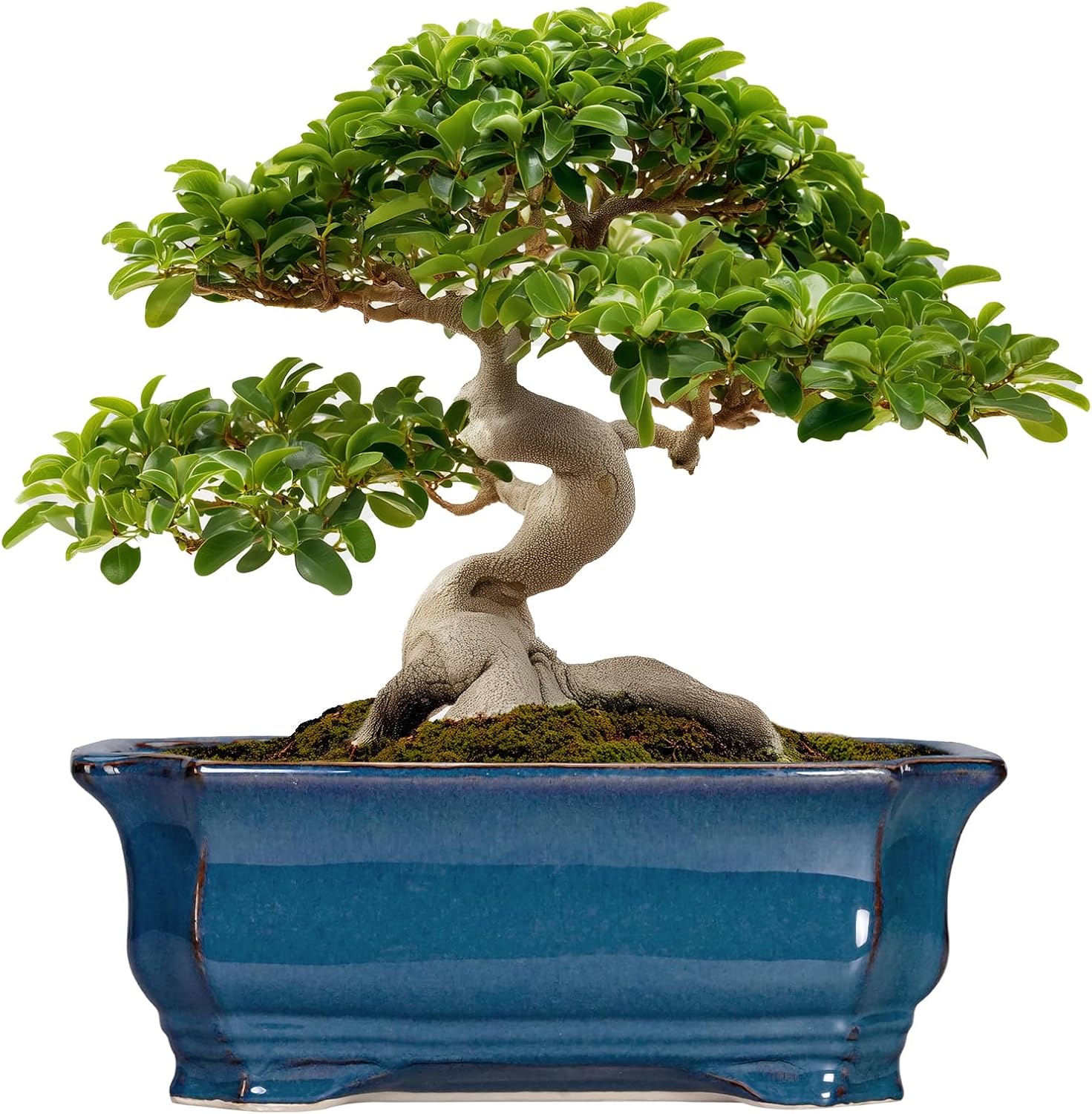
The Teagas 13.7-Inch Ceramic Bonsai Tree Pot is a large rectangular ceramic planter designed for bonsai trees, succulents, and other compact plants. Its main use is giving growers a broad planting area with drainage and wiring support while adding a decorative glazed finish to indoor or outdoor displays.
This Teagas bonsai tree pot review focuses on the practical details that matter before buying. The planter measures 13.7 x 9.8 x 5.1 inches and combines a blue reactive glaze with a drainage opening, two wiring holes, and an included drainage net.
🏆 My Quick Verdict
💡 Best For: Bonsai growers wanting a substantial glazed rectangular pot with drainage and dedicated wiring holes.
⚡ Key Specs:
13.7 x 9.8 x 5.1 inches; ceramic construction; rectangular blue reactive glaze; drainage hole; two wiring holes; drainage net included.
✅ Bottom Line: This is a practical choice for growers who need more planting area than a compact bonsai bowl provides. Its strongest points are useful drainage, anchoring holes, and decorative ceramic construction, although its larger footprint requires adequate display space.
At a Glance
- The 13.7-inch rectangular footprint provides generous planting and display space.
- Ceramic construction gives the planter a substantial decorative appearance.
- A main drainage hole helps excess irrigation water leave the container.
- Two additional holes allow a bonsai tree to be wired securely in position.
- The included drainage net helps keep growing medium from washing through the outlet.
- The reactive blue glaze suits indoor shelves, patios, balconies, and bonsai displays.
Specifications
| Specification | Verified Detail |
|---|---|
| Brand | Teagas |
| Material | Ceramic |
| Dimensions | 13.7 x 9.8 x 5.1 inches |
| Shape | Rectangular |
| Finish | Blue reactive glaze |
| Drainage | Drainage hole with included net |
| Wiring | Two wiring holes |
| Use | Indoor and outdoor planting |
Design & Build Quality
The planter uses ceramic construction with a broad rectangular form and blue reactive glazed finish. This combination makes the container decorative enough for a visible shelf or patio while retaining the traditional low, wide proportions associated with many bonsai displays.
Its 13.7-inch length is important. It offers considerably more surface area than small starter pots, making it more appropriate for established bonsai, larger succulent arrangements, or plants requiring a wider root zone.
The ceramic body should also feel more substantial than lightweight plastic. The trade-off is predictable: a planted ceramic container can be less convenient to move frequently.
For smaller options, see our guide to the best 9-inch ceramic bonsai pots.
Setup, Installation & Ease of Use
- Inspect the ceramic body and drainage openings before adding growing medium.
- Position the supplied drainage net over the main drainage opening.
- Thread anchoring wire through the dedicated wiring holes when the tree needs additional stability.
- Add a well-draining bonsai or succulent growing medium appropriate for the selected plant.
- Position the root mass before filling remaining gaps with substrate.
- Water thoroughly and confirm excess water can escape freely from the bottom.
- Use a separate drip tray indoors because a matching saucer is not verified as included.
- Move the planter before watering heavily if its final location is difficult to access.
Core Performance & Feature Breakdown
Drainage and anchoring are the planter’s most meaningful functional features. A dedicated outlet allows excess water to leave, while the supplied net helps reduce loss of loose substrate through that opening.
The two wiring holes are especially relevant for bonsai use. They provide anchor points that can help keep a recently repotted tree stable while roots establish.
Expert Insight
Choose a bonsai container by matching its dimensions and drainage characteristics to the tree’s root system rather than choosing by appearance alone; this pot’s broad footprint is most useful when the plant genuinely benefits from the extra space.
The broad rectangular shape also supports visual balance. Upright, slanting, and spreading compositions can look natural in a longer container because the tree can be positioned away from the exact center.
For additional planter choices, compare our best ceramic bonsai planters for indoor and outdoor use.
Key Features Explained
Large Rectangular Planting Area
The 13.7 x 9.8-inch footprint gives roots and surface dressing more horizontal room than compact tabletop pots. This matters for wider bonsai compositions and mixed succulent displays.
Drainage Hole and Net
The main drainage opening provides a path for excess irrigation water, while the supplied net helps keep coarse or granular growing medium inside. Proper substrate selection remains essential because a drainage hole alone cannot correct overly water-retentive soil.
Dedicated Wiring Holes
Two wiring holes provide useful anchor points when securing a tree during repotting. That is more convenient than trying to force anchoring wire through the main drainage opening.
Reactive Blue Glaze
The glazed blue surface gives the pot a decorative character that can work indoors or outdoors. Growers who prefer understated natural clay may instead prefer the look of unglazed ceramic bonsai pots.
Real-World Usability & Maintenance
Routine ownership should be straightforward: keep the drainage opening clear, remove loose soil from the glaze, and avoid leaving mineral deposits to build up. A soft cloth or non-abrasive brush is safer for glazed ceramic than aggressive scrubbing.
Indoor users should plan for drainage water because an accompanying drip saucer is not verified. Place a suitable tray beneath the pot when protecting wooden furniture, shelves, or windowsills matters.
The planter’s larger ceramic body also deserves careful handling during repotting. Supporting it from underneath is preferable to lifting a filled container by the rim.
Pros & Cons
Pros
- Large rectangular dimensions provide useful space for broader bonsai compositions.
- Drainage hole and included net support practical watering management.
- Two wiring holes make anchoring a newly repotted tree easier.
- Reactive blue ceramic glaze gives the planter strong decorative appeal.
Cons
- The 13.7-inch footprint may be too large for narrow windowsills or small desks.
- A matching drip saucer is not verified as included.
- Ceramic construction requires more careful handling than flexible plastic pots.
Common Issues & Fixes
Water Reaches Indoor Surfaces
The drainage hole can release water onto furniture after irrigation. Place the planter on a suitably sized waterproof saucer or tray before indoor watering.
Fine Soil Escapes During Watering
Small substrate particles may work toward the drainage outlet. Position the included drainage net securely before adding the growing medium.
The Tree Moves After Repotting
A newly positioned bonsai can shift before new roots establish. Use appropriate bonsai wire through the two anchoring holes to stabilize the root mass.
What to Know Before You Buy
Measure your intended location first because 13.7 x 9.8 inches is a substantial footprint for a tabletop planter. Also confirm that 5.1 inches of overall pot height suits the root structure and horticultural needs of your particular tree.
The purchase is for the planter and drainage net rather than a planted bonsai. Buyers planning indoor use should also budget for a separate protective tray if their setup requires one.
Who Should Buy It / Who Should Skip It
✅ Who Should Buy It
- Growers with medium or larger bonsai requiring a broad rectangular container.
- People who want dedicated wiring holes for anchoring their tree.
- Succulent growers creating a wider mixed planting arrangement.
- Buyers who like decorative blue glazed ceramic planters.
✗ Who Should Skip It
- Owners of very small shohin or mame bonsai needing compact pots.
- Anyone with only a narrow windowsill or tiny tabletop available.
- Growers who specifically want an unglazed traditional clay finish.
- People who frequently move planted containers and prefer lightweight plastic.
Alternatives to Consider
MUZHI 9.5-Inch Rectangular Ceramic Bonsai Planter
Best For: Smaller bonsai displays that need a shallower container.
Main Advantage: Includes a matching tray and drainage mesh.
Trade-off: Provides considerably less planting space than the Teagas pot.
Key Spec: Approximately 9.5 x 6.7 x 2.5 inches.
KyoYi 8-Inch Rectangular Bonsai Planter
Best For: Compact bonsai and succulent displays.
Main Advantage: Ceramic rectangular design with tray and mesh pads included.
Trade-off: The 8-inch size is less suitable for wider established trees.
Key Spec: 8-inch rectangular ceramic planter.
Is It Worth It?
The Teagas planter makes the most sense when its large footprint, wiring holes, and decorative ceramic finish solve specific needs. Those features provide more practical value to an established bonsai grower than they would to someone planting a tiny starter tree.
Its strongest value is the combination of display quality and bonsai-oriented functionality. Just make sure the size fits your space and keep a separate saucer ready for indoor use.
Final Verdict
The Teagas 13.7-Inch Ceramic Bonsai Tree Pot is a well-equipped option for growers wanting a wide decorative planter with functional drainage and anchoring points. It is especially suitable for medium-to-larger bonsai displays where the extra footprint can be used effectively.
Frequently Asked Questions
What size is the Teagas ceramic bonsai tree pot?
The planter measures 13.7 x 9.8 x 5.1 inches. Measure both your planting area and display location before ordering because it is significantly larger than many compact bonsai pots.
Does this bonsai pot have drainage?
Yes, the planter has a drainage hole and includes a drainage net. The net helps keep growing medium inside while allowing excess water to leave through the opening.
Can a bonsai tree be wired into this pot?
Yes, two dedicated wiring holes are provided. They can be used with appropriate bonsai wire to stabilize a tree during repotting and root establishment.
Can the Teagas planter be used outdoors?
The product is marketed for both indoor and outdoor planting. As with any ceramic container, protect it from impacts and consider local freezing conditions before leaving it exposed outdoors year-round.
How should the ceramic planter be cleaned?
Use gentle cleaning methods that will not scratch the glazed surface. Remove loose soil first, then wipe the pot with a soft damp cloth or a non-abrasive brush when necessary.
Does the Teagas bonsai pot include a warranty?
A specific manufacturer warranty term could not be verified from the researched product information. Check the current seller’s warranty and return terms before purchasing because policies can change.
Affiliate disclosure: Our Bonsai earns a small commission when you purchase through links on this page — at no extra cost to you. Our editorial process is independent: affiliate relationships never influence which products we recommend or how we rank them.
