Japanese Bonsai Pruning Shears High Quality: Pro Tips 2026

High quality Japanese bonsai shears cut cleaner, last longer, and reduce strain.
You love your tiny trees. But frayed cuts, hand fatigue, and dull edges can turn pruning into a chore. The right shears change that fast. Clean, precise cuts help your bonsai heal well and keep its shape. Sharp edges glide through live wood. Good handles protect your hands. Today, I review several Japanese Bonsai Pruning Shears High Quality options that I have tested and compared for balance, sharpness, and control. If you want tools that feel right and cut right, start here.
gonicc 7.3-inch Bonsai Scissors (GPPS-1012)
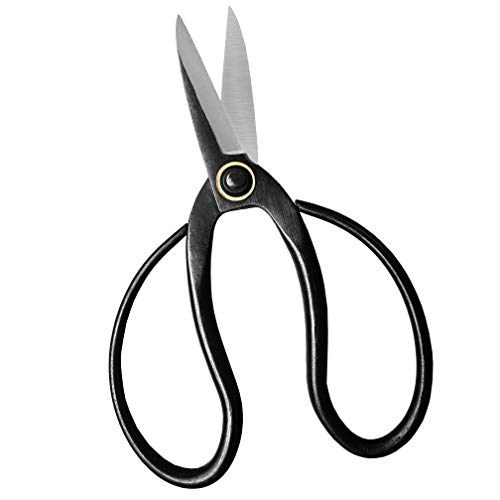
These gonicc bonsai scissors feel nimble in the hand. The 7.3-inch length gives reach without bulk. The loops are comfortable and allow precise finger control. The blades are slim and sharp for leaf stems and small shoots.
I used them on ficus, juniper, and indoor herbs. They cut clean with no crushing. The tips are fine and help me isolate a single bud. For light to medium tasks, they work fast and stay steady.
Pros
- Fine tips for detail work on buds and leaves
- Lightweight body reduces hand fatigue in long sessions
- Comfortable loops for right or left hand use
- Good balance for controlled, repeat cuts on soft growth
- Affordable entry to Japanese Bonsai Pruning Shears High Quality
- Easy to clean and wipe sap between cuts
- Compact size fits tool rolls and small aprons
Cons
- Not suited for thick or woody branches
- May need frequent wiping to prevent sap drag
- Loop opening can feel tight for very large hands
My Recommendation
If you want a simple, sharp scissor for fine pruning, start here. The gonicc 7.3-inch is ideal for shaping pads, thinning leaves, and tip pinching. It is a gentle tool for live growth and soft wood. It keeps your touch light and accurate.
This is a smart buy for new bonsai owners and indoor plant lovers. It is also a strong spare for advanced users. If you want Japanese Bonsai Pruning Shears High Quality without a big price, this is a fine pick. Stock can sell out in spring, so plan ahead.
| Best for | Why |
|---|---|
| Fine trimming and leaf work | Sharp tips reach tight spots with control |
| Beginners on a budget | Low cost for high control and clean cuts |
| Indoor bonsai and herbs | Lightweight, easy to store, quick to clean |
SUIZAN 8.3-inch Bypass Pruning Shears
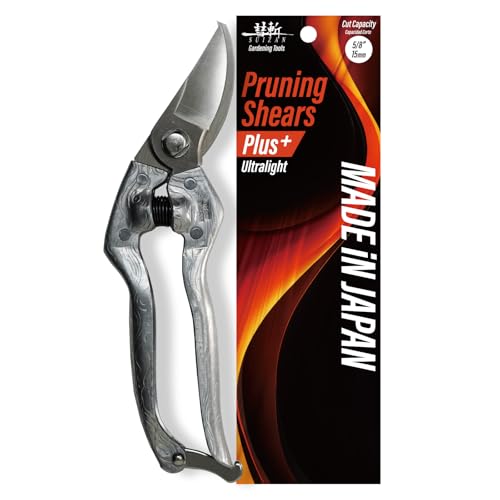
The SUIZAN 8.3-inch pruner is a true bypass tool. It uses forged aluminum handles for low weight and high strength. The blade geometry aims for live wood cuts with minimal crush. In hand, it feels crisp and ready for work.
I like it for shoots up to 3/4 inch. It glides through young branches on pines, maples, and garden shrubs. An adjustable pivot helps you tune tension. A secure lock keeps the blade closed in your pocket or sheath.
Pros
- Forged aluminum body is light and durable
- Bypass blade makes cleaner cuts on live stems
- Adjustable tension dial for smooth action control
- Safety lock for transport and storage
- Comfortable grips reduce strain in long sessions
- Strong choice among Japanese Bonsai Pruning Shears High Quality
- Works for bonsai and general garden pruning
Cons
- Not designed for dead, very hard wood
- Right-handed bias in handle lock placement
- Needs regular cleaning to keep action smooth
My Recommendation
Choose this SUIZAN if you need power with finesse. It bridges bonsai and landscape tasks. It cuts live wood cleanly, which is key for healthy healing. It is also tough enough for routine garden work.
I suggest it for enthusiasts who shape and also thin structure. If you want one go-to tool from Japanese Bonsai Pruning Shears High Quality lines, this is a top candidate. It delivers clean cuts, low weight, and smart control. Keep it dry and oiled to hold peak performance.
| Best for | Why |
|---|---|
| Live wood up to 3/4 inch | Bypass blade makes smooth, low-crush cuts |
| Mixed bonsai and yard tasks | Light build handles many pruning jobs |
| Users who value adjustable feel | Tension dial lets you tune the action |
TONMA 8-inch Ashinaga Bonsai Scissors
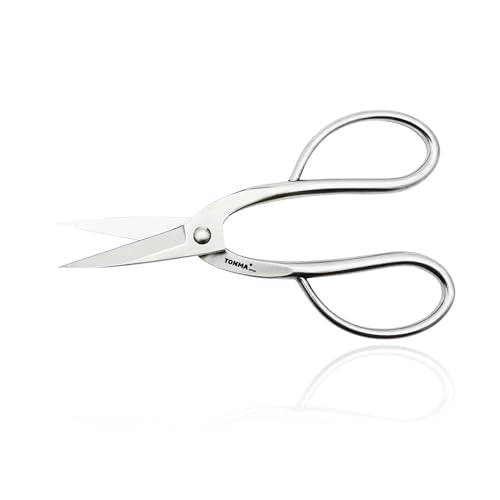
TONMA’s Ashinaga scissors are made in Japan and it shows. The stainless steel build is solid and rust resistant. The long-handle, short-blade “ashinaga” profile gives superb leverage and reach. It is a classic bonsai tool that rewards a steady hand.
These shine in bud selection and pad shaping. The blades close tight with little play. They cut soft to medium stems with ease. Sterilizing is simple due to the stainless body.
Pros
- Made in Japan quality and tight tolerances
- Solid stainless steel resists rust and stains
- Ashinaga design offers reach and fine control
- Ambidextrous loop handles suit most hands
- Easy to sterilize between trees to reduce disease risk
- Reliable entry to Japanese Bonsai Pruning Shears High Quality
- High edge retention on light to medium cuts
Cons
- Not for thick or dead, hard branches
- No included sheath for safe storage
- Stainless can feel slightly heavier than carbon steel
My Recommendation
Go with TONMA if you value precision and hygiene. The stainless steel makes care easy. A quick wipe keeps it spotless. The ashinaga form helps you reach into dense pads without crushing nearby growth.
It is great for detail lovers and those who prune daily. If you want Japanese Bonsai Pruning Shears High Quality that hold up to wet benches and frequent cleaning, this is a fine match. Stock a small stone or strop to keep the edge keen. Expect years of steady service.
| Best for | Why |
|---|---|
| Detail pruning and pad work | Long handles give reach and leverage |
| Humid or wet conditions | Stainless steel resists rust and pitting |
| Sanitary workflows | Easy to sterilize between trees |
KAKURI 8-inch Japanese Pruning Shears

KAKURI delivers a hand-forged pruner with a leather sheath. The carbon steel blade bites clean and holds a keen edge. The build has that “made in Japan” heft and focus. It is a serious tool for woody stems and structural cuts.
I like it for juniper, pine, and hardwood shrubs. It pairs well with concave cutters and knob cutters. For 1/2 to 3/4 inch live wood, it excels. Keep it dry and oiled to prevent rust.
Pros
- Hand-forged carbon steel holds a razor edge
- Leather sheath protects blade and user
- Strong bypass action for clean live-wood cuts
- Great control for directional pruning
- Sturdy feel inspires confidence on tougher stems
- Standout in Japanese Bonsai Pruning Shears High Quality lines
- Good bridge tool between bonsai and orchard tasks
Cons
- Carbon steel will rust if not maintained
- Heavier than aluminum-handled pruners
- Price reflects forged build quality
My Recommendation
Pick KAKURI if you tackle thicker shoots and want a forged edge. It rewards users who maintain tools. A quick wipe and light oil after use will keep it perfect. It feels planted in the hand and very exact.
This is for bonsai keepers who reshape structure each season. It is also for those who want heirloom-level quality. Among Japanese Bonsai Pruning Shears High Quality picks, this one feels built for decades. Watch for holiday bundles that include the sheath at a fair price.
| Best for | Why |
|---|---|
| Structural pruning | Forged carbon steel holds a sharp, strong edge |
| Live wood on pines and junipers | Bypass cut reduces crush and tearing |
| Users who maintain tools | Care and oiling pay off with long life |
DECERK 8.5-inch Titanium Pruning Shears

DECERK’s pruner uses a Japanese steel blade with a titanium coat. The coating helps with sap release and stain resistance. The design supports easier cutting with less hand force. It is marketed for users with arthritis or weak grip, and I can see why.
On branches up to 3/4 inch, the bite is easy and smooth. The handle shape spreads load across the palm. The lock is simple and secure. It works well for bonsai growers who also prune roses, fruit trees, and shrubs.
Pros
- Titanium-coated blade reduces friction and sticking
- Lower effort cutting helps sore or small hands
- Comfort grips improve control and reduce slips
- Good utility tool beyond bonsai shaping
- Strong option in Japanese Bonsai Pruning Shears High Quality with comfort focus
- Safety lock and visible color accents
- Holds edge well on live wood
Cons
- Bulkier head is not ideal for fine tip work
- Mechanism needs cleaning to avoid grit buildup
- Less precise than slim bonsai hasami scissors
My Recommendation
Choose the DECERK if hand comfort is your top need. It takes less force per cut. That means longer sessions with less pain. It is a smart pick if you have many trees or mix bonsai with yard work.
For those who want Japanese Bonsai Pruning Shears High Quality with low-effort action, this is a fit. It will not replace fine scissors for detail. But it will make mid-size cuts feel easy. Keep a brush handy to clean the joint after messy jobs.
| Best for | Why |
|---|---|
| Users with hand pain or fatigue | Low-effort cut design and padded grips |
| Mixed garden and bonsai use | Handles branches and shrubs with ease |
| Sticky or sappy plants | Titanium coat sheds sap and stains |
FAQs Of Japanese Bonsai Pruning Shears High Quality
How do I choose between scissors and bypass pruners?
Use scissors (hasami) for fine work on leaves and small shoots. Use bypass pruners for thicker live wood. Most bonsai kits need both.
What steel is best for bonsai shears?
High carbon steel holds a very sharp edge. Stainless steel resists rust and is easy to clean. Both are found in Japanese Bonsai Pruning Shears High Quality tools.
How often should I sharpen my shears?
Light touch-ups every few sessions keep edges keen. Full sharpening depends on use. If you feel drag or crush, it is time.
How do I prevent rust on carbon steel?
Wipe dry after use. Add a thin coat of camellia or mineral oil. Store in a dry place, ideally in a sheath.
Can one pruner cover all bonsai tasks?
No. You need fine scissors for detail and a bypass pruner for structure. Choose the right tool to protect the tree.
Final Verdict: Which Should You Buy?
If you trim detail on pads and buds, choose TONMA or gonicc. If you shape live wood and need power, go SUIZAN or KAKURI. For low-effort cutting with comfort, pick DECERK.
All are Japanese Bonsai Pruning Shears High Quality options. Match the tool to the task, and your trees will thank you.
