Black Cherry Bonsai Tree Review: Worth Growing?

The Black Cherry Bonsai Tree for Growing is less an instant bonsai than a living starting point: a one-year seedling sold ready for planting and training. Retail listings identify it as a CZ Grain live black cherry seedling and emphasize simple planting, partial-shade tolerance, and better growth with more sun. That makes it interesting for growers who want to shape a tree themselves, but it also means accepting the uncertainty that comes with shipping a young live plant. Marketplace feedback is mixed rather than overwhelmingly positive, with successful establishment reported alongside complaints about wilted or stressed arrivals.
Quick Overview and Specifications
| Feature | Details |
|---|---|
| Product | Black Cherry Bonsai Tree for Growing |
| Brand/Seller listing | CZ Grain |
| Plant format | Live young seedling |
| Advertised age | 1 year |
| Quantity | 1 seedling |
| Primary use | Planting and long-term bonsai training |
| Light | Seller states shade tolerance, with more sun preferred for growth/fruiting |
| Skill level | Beginner to intermediate, with patience |
First Impressions
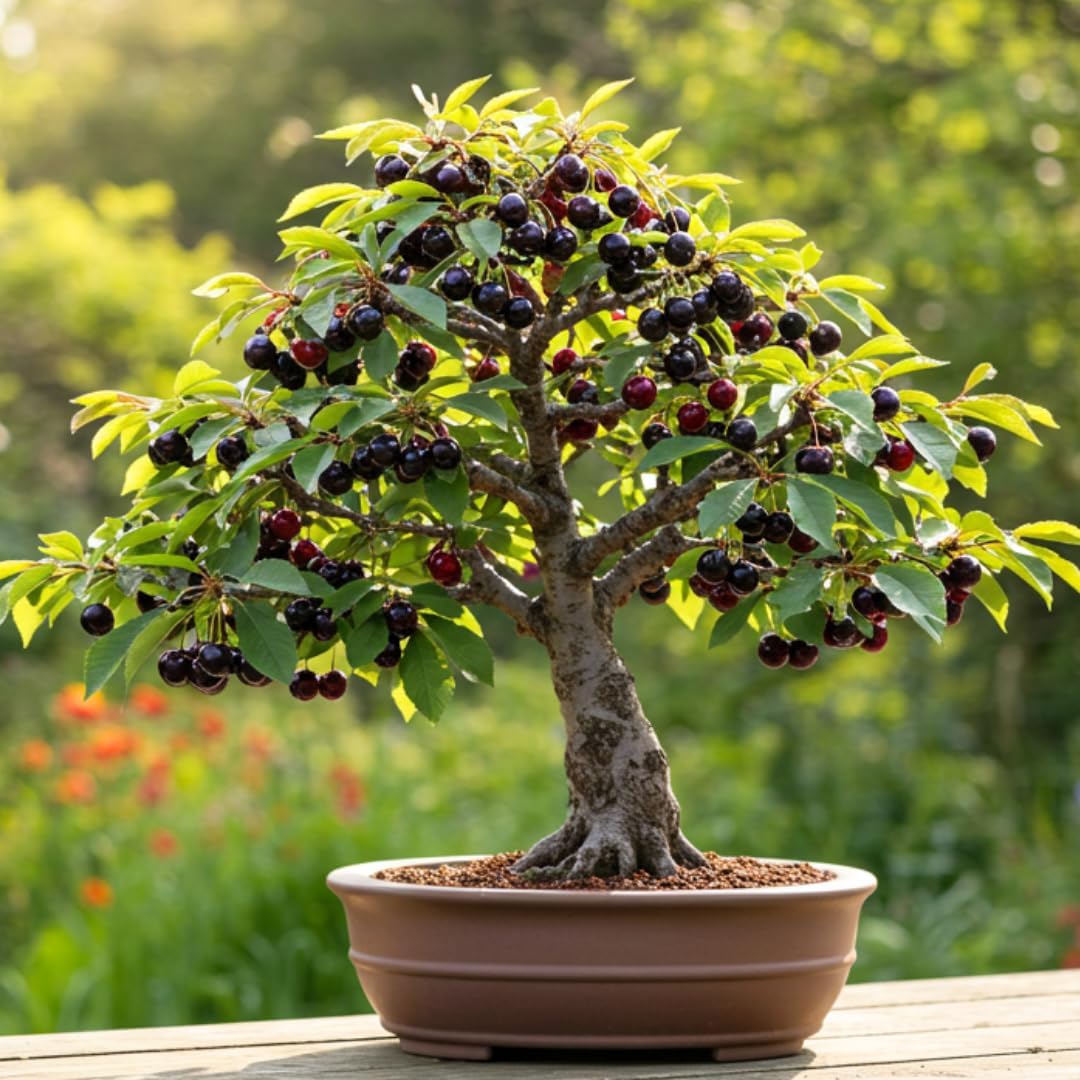
The most important expectation is that this is not the sculpted miniature tree pictured in many conventional bonsai listings. It is young plant material intended to become a bonsai through pruning, root work, wiring, and container management. That distinction makes the product much more appealing if you enjoy creating a tree yourself.
Compared with starting from seed, a one-year seedling eliminates the germination stage and gives you a visible trunk and root system much sooner. That is a useful middle ground between a seed kit and a mature pre-shaped specimen. If you are still deciding which plants make sensible first projects, OurBonsai’s guide to beginner-friendly bonsai tree species provides helpful context.
Performance and Feel
For a living plant, “performance” is really establishment, new growth, and how much material the tree gives you for future training. The seller recommends decent soil, watering as needed, and mulch, while stating that the tree can handle some shade but prefers stronger sun for optimum development.
Black cherry itself is naturally a vigorous deciduous tree rather than a genetic miniature. That matters because bonsai size comes from horticultural training, not because the seedling automatically stays small. Once established, vigorous growth can actually be useful: it gives you branches and trunk development to work with. The trade-off is more pruning and stronger growth management than with naturally compact species.
Good drainage is particularly important in a small training container. If you plan to pot rather than ground-grow the seedling first, the OurBonsai guide to the best soil types for bonsai trees explains why aeration and drainage matter around developing roots.
Establishment and Bonsai Training Potential
This is the secondary performance area that matters most here. A young seedling is valuable primarily because it gives the owner freedom to determine trunk movement, eventual height, branch placement, and root structure from an early stage.
Do not rush heavy styling immediately after delivery. A plant already experiencing shipping stress benefits more from successful establishment than aggressive pruning. Let it demonstrate active growth before major structural work. Once strong, selective pruning and wiring can gradually create proportion.
One limitation is leaf and growth scale. Black cherry is naturally a full-sized tree, so maintaining convincing bonsai proportions requires regular management. That makes this more of a long-term horticultural project than a shortcut to an instant miniature.
Durability and Long-Term Ownership
A healthy established tree can become a long-lived project, but the vulnerable stage is arrival and transplanting. Available marketplace feedback includes buyers receiving viable plants as well as at least one verified purchaser reporting wilted or dead-looking foliage after delayed delivery before the plant began showing signs of recovery. That variability is a meaningful risk with mail-order seedlings.
Once the tree is growing strongly, ordinary bonsai maintenance becomes the bigger concern. Clean pruning, sensible watering, and avoiding unnecessarily heavy work on a weak tree will matter more than the original packaging. Beginners preparing for future shaping may find this guide to Japanese bonsai tools for beginners useful when the plant is ready for training.
Value for Money
Current marketplace listings for this seedling have appeared around the mid-$20 range, although live-plant prices can change. At that level, the value proposition depends on what you want. It costs more than a packet of seeds, but you are paying to skip germination and begin with a year of initial growth already completed.
It is less compelling if you judge value by immediate appearance. A finished or partially trained bonsai gives instant visual impact, whereas this purchase initially looks like nursery material. Its value is in control over the development process.
Comparison to Similar Products
A closely related alternative is the CZ Grain Dwarf Bonsai Black Cherry Fruit Tree seedling, which is also sold as live black-cherry planting material. Marketplace prices for the two are often close, so availability, stated plant age, shipping condition, and seller terms may matter more than a small price difference.
The Planters’ Choice Bonsai Tree Kit takes the opposite approach: it starts from seed and includes multiple species plus basic growing supplies. It offers more variety but also adds germination uncertainty and a much longer wait before meaningful styling.
For buyers wanting something that already looks like bonsai, the Brussel’s Green Mound Juniper is fundamentally different. It is sold as an established, shaped live bonsai. OurBonsai’s Brussel’s Green Mound Juniper review shows why that type of product better suits someone who values presentation over building a tree from an early seedling.
Pros and Cons
- One-year seedling skips the germination stage
- Allows early control over styling and trunk development
- Seller presents it as ready to plant
- Useful hands-on project for learning bonsai development
- Not a finished or pre-shaped bonsai
- Live shipping creates arrival-condition risk
- Needs long-term pruning to remain bonsai-sized
- Limited independent review data compared with established bonsai brands
Who Should Buy This?
Buy it if you enjoy the process of creating bonsai rather than simply displaying one. It fits a patient beginner who wants to practice potting, pruning, wiring, and development on a young deciduous tree. It can also suit a more experienced grower looking for inexpensive starter material.
Skip it if you need an indoor desk ornament, an instantly styled gift, or a predictable show-ready plant on delivery. Black cherry is best approached as an outdoor, seasonal tree project. For broader alternatives, see OurBonsai’s guide to outdoor bonsai trees for beginners.
Frequently Asked Questions
Is this a finished bonsai tree?
No. It is marketed as a one-year live seedling intended for planting and future bonsai training.
Can a black cherry tree really become a bonsai?
Yes. Bonsai uses ordinary woody plants trained through pruning, root management, wiring, and restricted container growth. The species does not need to be genetically miniature.
Should I prune it immediately after delivery?
Usually not if the tree appears stressed. Prioritize hydration, planting, and successful establishment first; stronger structural work is safer after active healthy growth appears.
Can I keep this bonsai indoors?
It is better treated as an outdoor deciduous tree rather than a permanent indoor houseplant. Natural light and seasonal conditions are important to long-term development.
Does it need full sun?
The seller says it can grow with shade but prefers sun for optimal production. Mature black cherry horticultural guidance also favors strong sun and well-drained soil.
How quickly will it look like a mature bonsai?
Not quickly. Developing trunk character, branching, and convincing proportions takes years. This product is best purchased for the training journey rather than instant results.
Final Verdict
The Black Cherry Bonsai Tree for Growing earns a 7.6/10. Its main advantage is straightforward: you receive a young live tree rather than starting from seed, while still retaining control over nearly every future styling decision. For hands-on growers, that is an appealing place to begin.
The reason it does not score higher is uncertainty. Buyer feedback for the product is limited and mixed, and shipping a live seedling can produce very different arrival experiences. It also requires realistic expectations about bonsai development. If you want a patient outdoor project and are willing to establish and shape the tree yourself, it is an interesting starter. If you expect an attractive finished bonsai as soon as the box opens, choose an established specimen instead.
As an Amazon Associate, we earn from qualifying purchases. This does not affect the price you pay.